Sequoia National Park
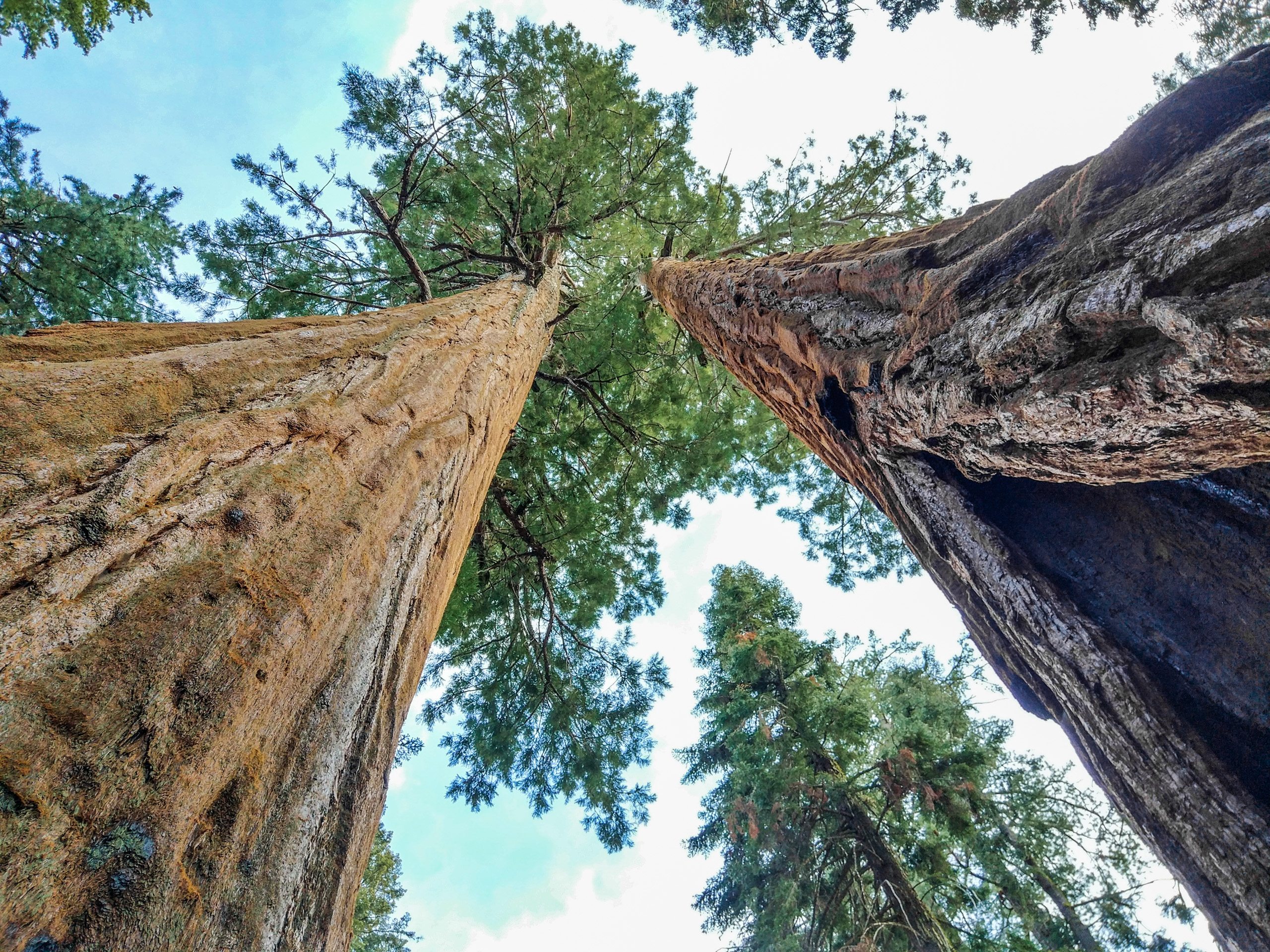
Sequoia Park is a US national park in the state of California, in the southern Sierra Nevada mountain range. Its area is 1635 km². It is named after the largest trees in the world that grow on its territory — giant sequoias. And it is here that the most gigantic of them all grows — the General Sherman Tree.
How to get to Sequoia Park
You can get into Sequoia Park from two sides.
From the south, the Ash Mountain entrance of Sequoia National Park is 55 km from the city of Visalia on Highway 198. Be careful: after the park entrance the road becomes narrow and winding.
From the north, through neighboring Kings Canyon, the Big Stump entrance of Kings Canyon National Park is 84 km from the city of Fresno on Highway 180. Highway 180 is straighter, less steep, and wider.
Fresno and Visalia also have the airports closest to the parks: Fresno Yosemite International Airport and Visalia Municipal Airport, which serves only domestic flights.
In the summer months the Sequoia Shuttle runs from Visalia. The fare, including park entrance, is $15. The bus will take you to the park and back, and you can also ride the Sequoia Shuttle around the park as much as you like.
At the same time of year, you can get to the park on a Greyhound bus from Visalia.
Sequoia Park hours
The park is open around the clock, all 365 days a year, but in winter, because of the weather, access to some of the park's sites may be closed. Also, in winter, after heavy snowfall the roads leading into the park may be closed until they are cleared.
Sequoia Park has 2 information centers.
The Foothills Visitor Center is open year-round: as of 2026, from 8:00 to 17:00 in summer, and from 9:00 to 16:30 from mid-October to mid-May. It is 1.6 km north of the Ash Mountain entrance.
The Lodgepole Visitor Center is open only in season — from late May or early June to late September or mid-October; in 2026 it is open from 8:00 to 17:00. It is 34 km north of the Ash Mountain entrance on the Generals Highway, or 3 km north of the largest tree in the world, the General Sherman Tree.
The visitor centers have a small museum and a movie theater, where you can learn the history of the park and study its nature. You can buy books and souvenirs related to the park, consult the rangers about interesting places and hiking trails, get a map, and buy guidebooks. There are public restrooms and drinking fountains, open around the clock.
The Lodgepole Visitor Center area also has a small grocery store, a fast-food café, a laundromat, and showers that take quarters.
Sequoia Park entrance fees
7-day tickets (2026 prices):
Per car (and up to 15 passengers) — 35 dollars
Per motorcycle — $30
Per cyclist or hiker — $20
For visitors traveling by bus or in a vehicle seating 16 or more people — $20 per person
Annual passes (2026 prices):
Pass to Sequoia and Kings Canyon National Parks (Sequoia & Kings Canyon Annual Pass, US citizens and residents only) — 70 dollars
General pass, valid at all US national parks (America the Beautiful) — $80 for US citizens and residents, $250 for everyone else; without the pass, as of 2026, non-residents of the US aged 16 and over pay an extra $100 per person on top of the entrance fee
Children under 15 — free
Seasons
The period from April to June is considered the spring season in the park. Temperatures rise, but in many places there is still snow on the ground. Most campgrounds open from mid-May.
The crowds come to Sequoia Park in summer, when it is warm even at night, all the campgrounds are open, all the roads and hiking trails are open, and the rangers run numerous free programs. The summer season lasts from July to mid-September. The campgrounds are packed at this time, and as of 2026 almost all of their sites are by advance reservation only, so you need to book ahead. When we were in the park, about 10 signs saying “full” hung at the campground entrance, but after driving around and looking, we would find one or several free sites.
In the fall season, from late September to November, the nights get cooler. Snow falls in October, and some of the park's sights, for example Crystal Cave, close. Many campgrounds close as well.
The winter season is the longest in the park: it lasts from November to April. Most of the park's roads may be closed because of snow. Most campgrounds are also closed, and some information centers, in particular the Lodgepole Visitor Center, are not open. However, the upside of this period is the quiet, calm, and peace that reign in the park. At this time you can truly enjoy being at one with nature.
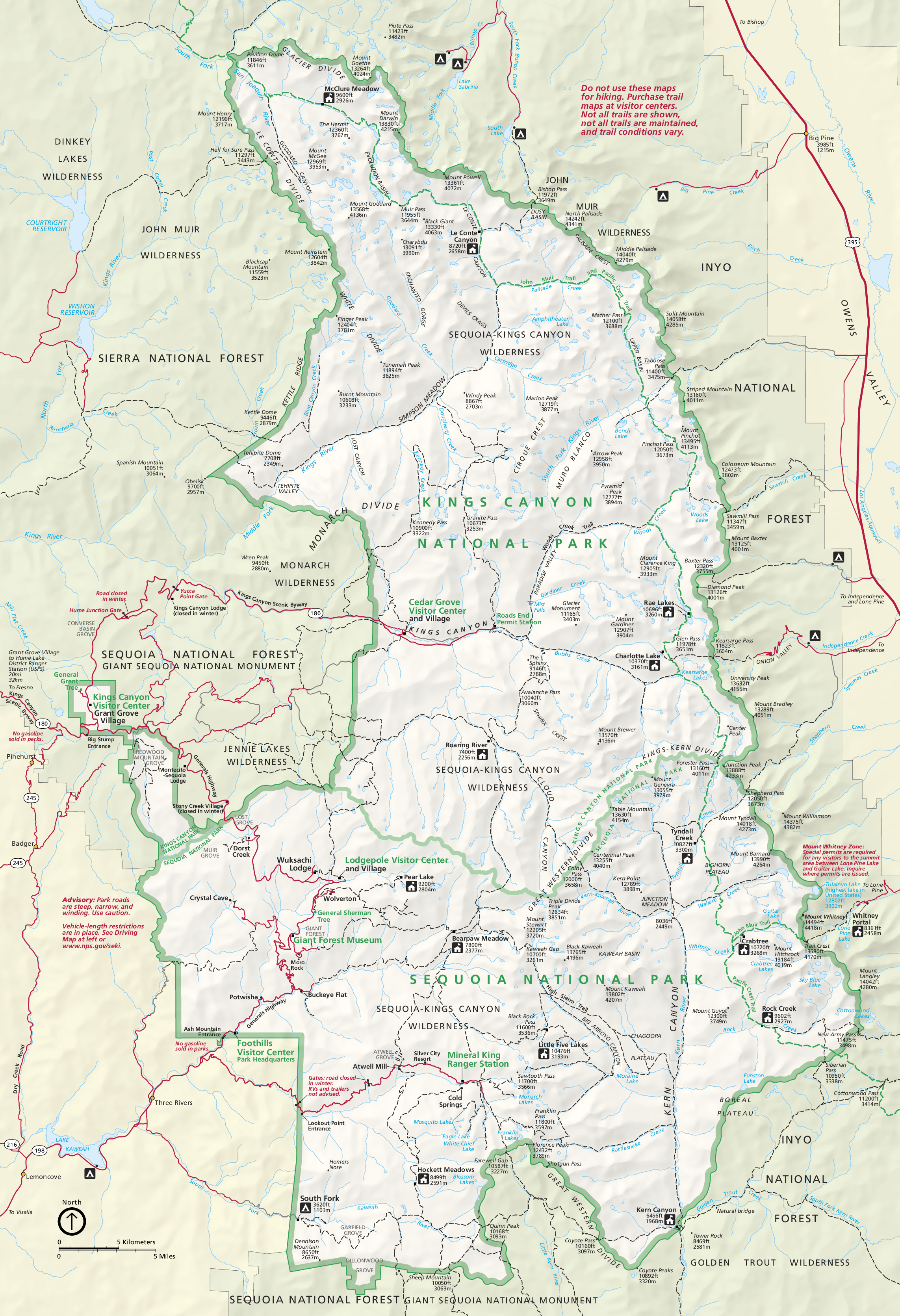
Sequoia Park map
To prepare for a visit to Sequoia Park, it is handy to look at the map in advance. The red lines are the park's main roads.
What to see in Sequoia Park
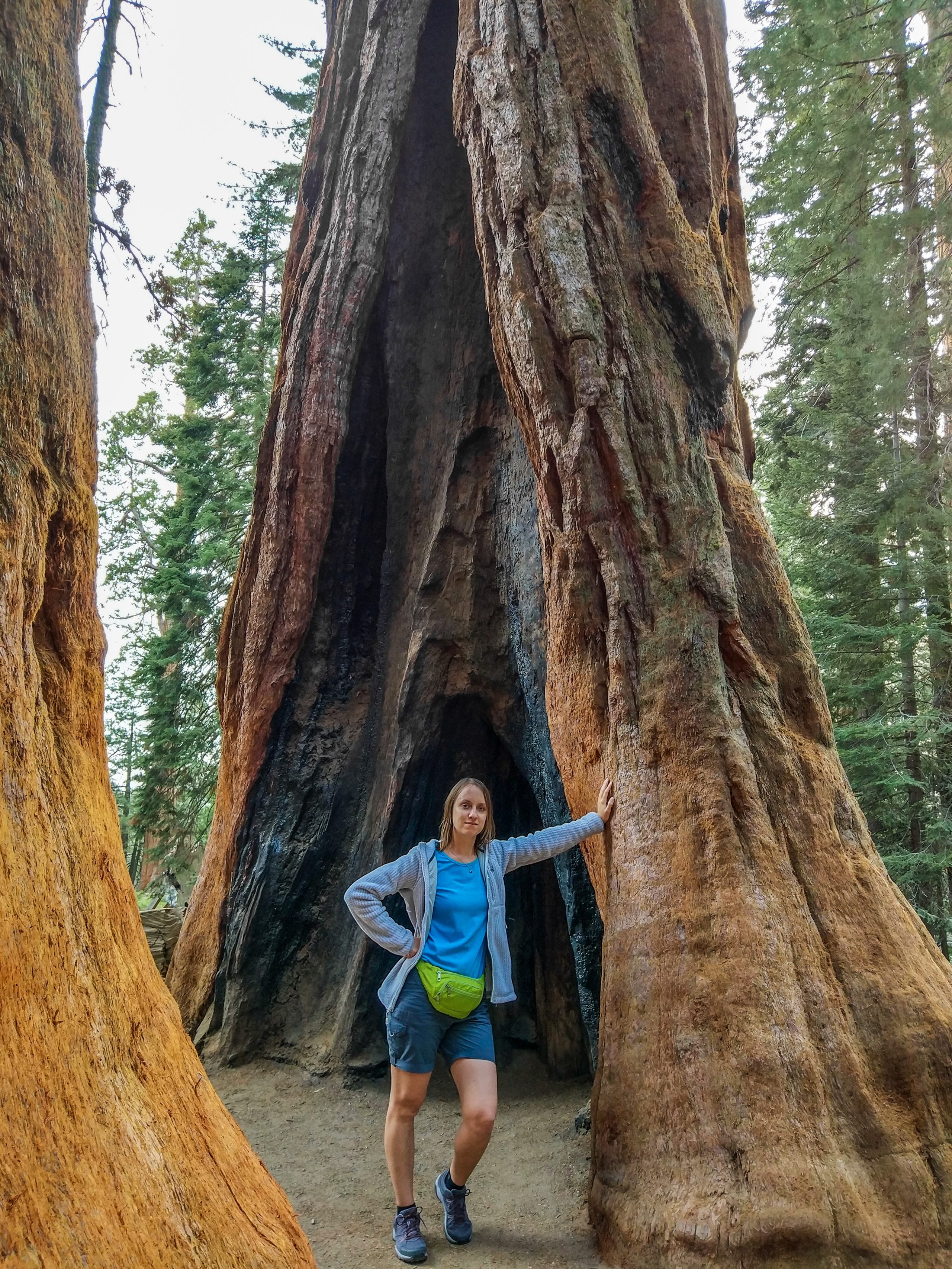
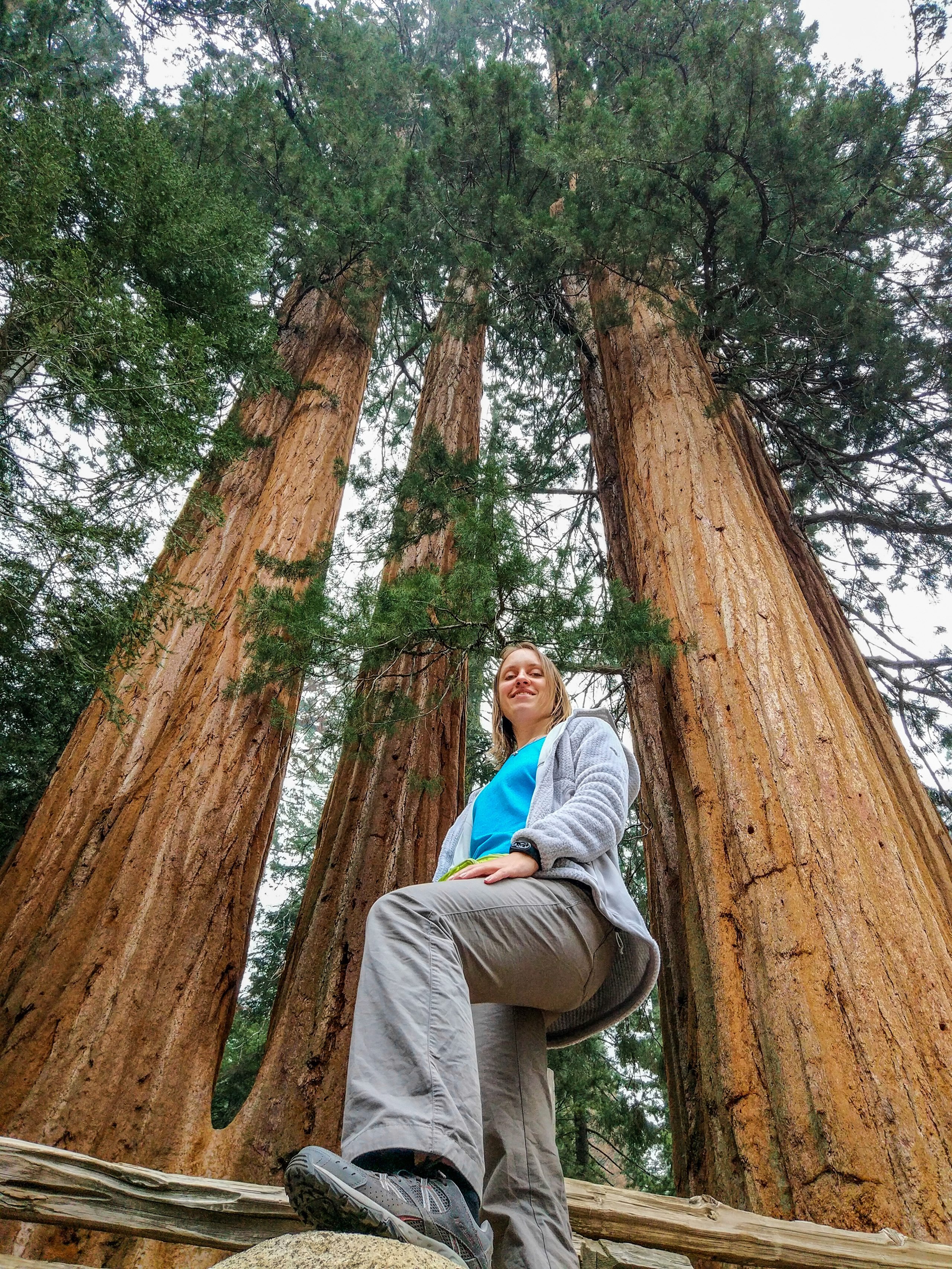
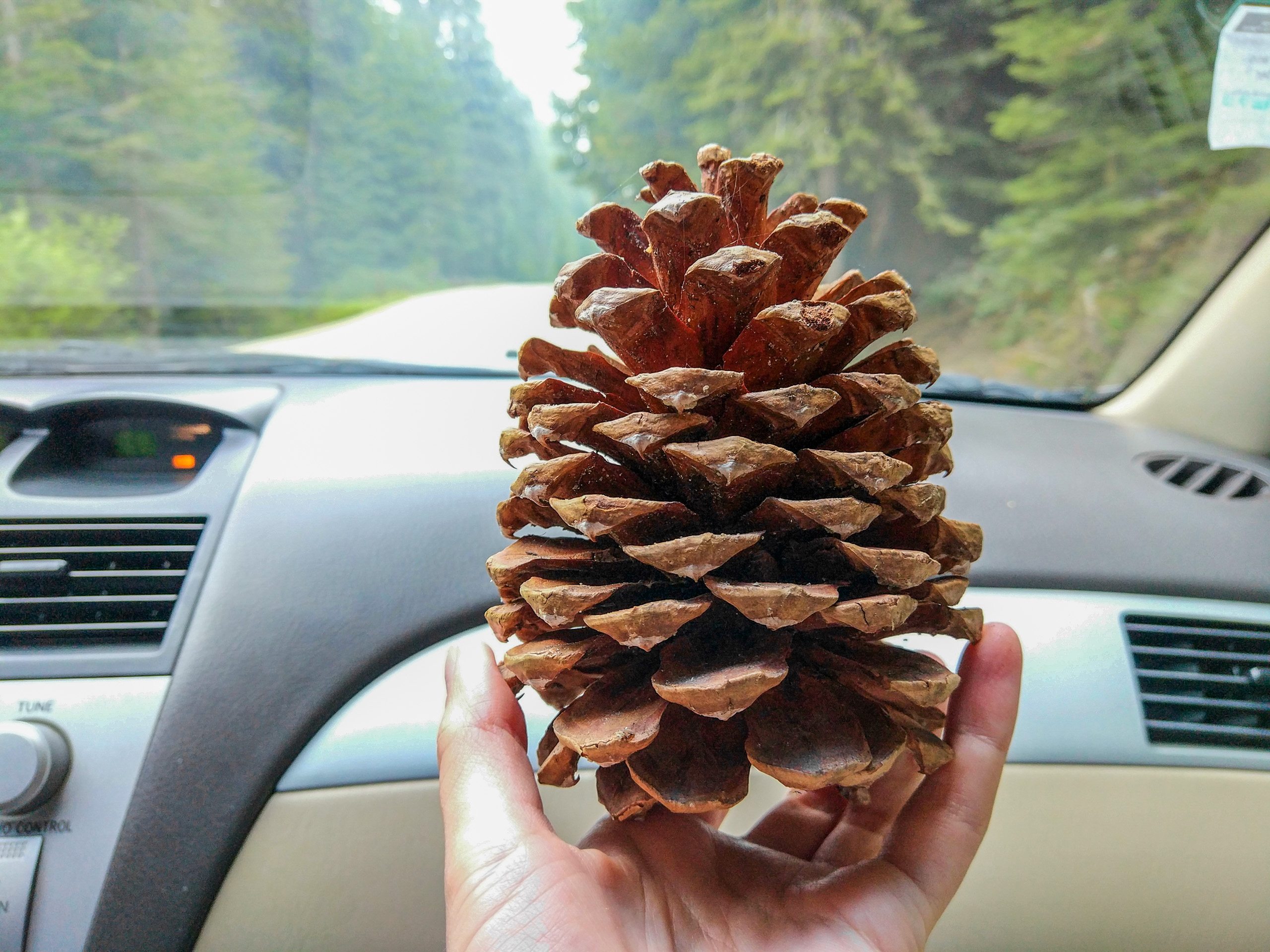
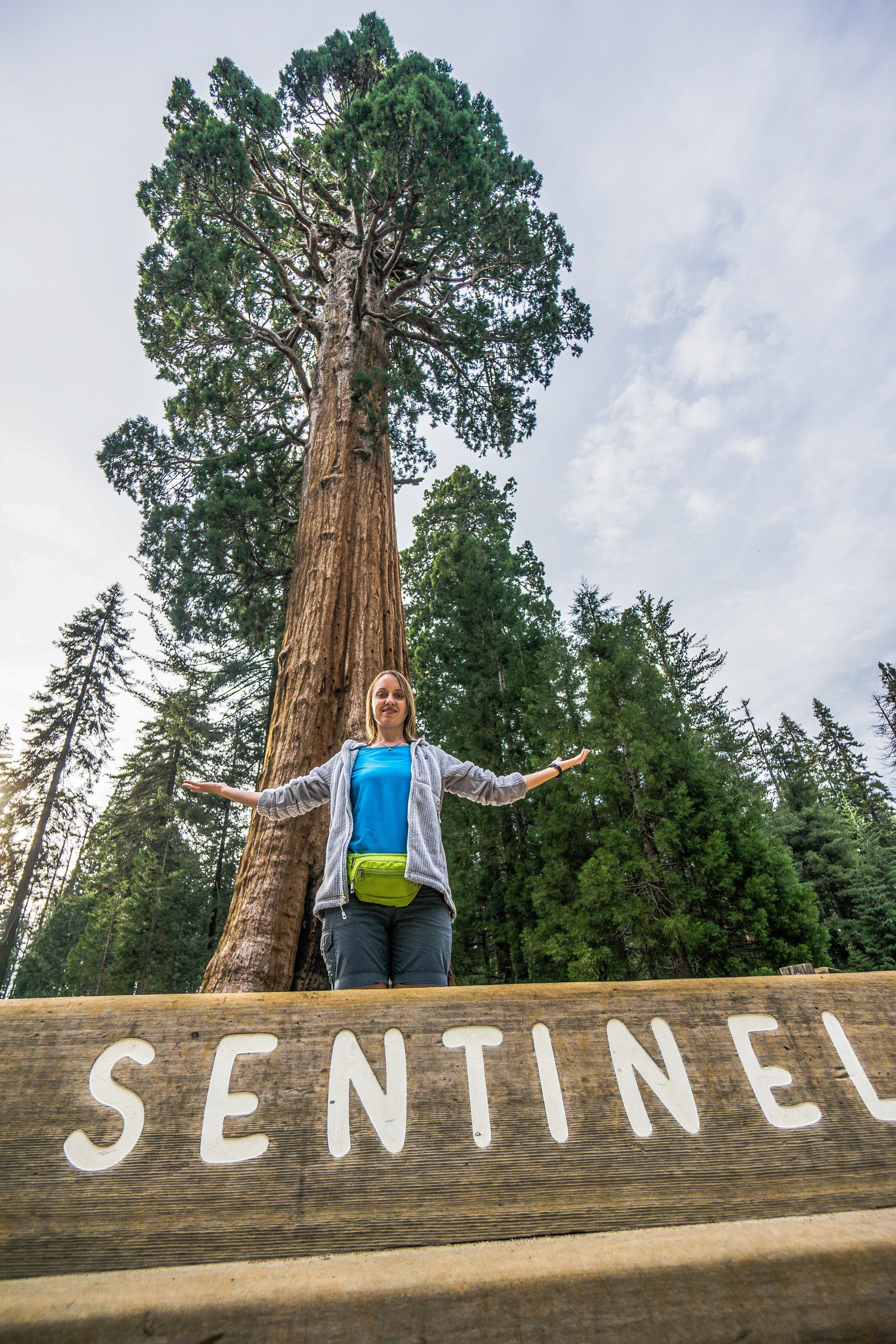
Without a doubt, people come to Sequoia Park to see its unique trees — giant sequoias. You can walk among these giants along numerous hiking trails in Giant Forest, a sequoia grove in the center of the park that is home to 5 of the 10 largest trees in the world by wood volume. In this majestic ancient forest you feel like a tiny grain of sand. And the word “ancient” is no accident here: some of the park's trees are up to 3000 years old.
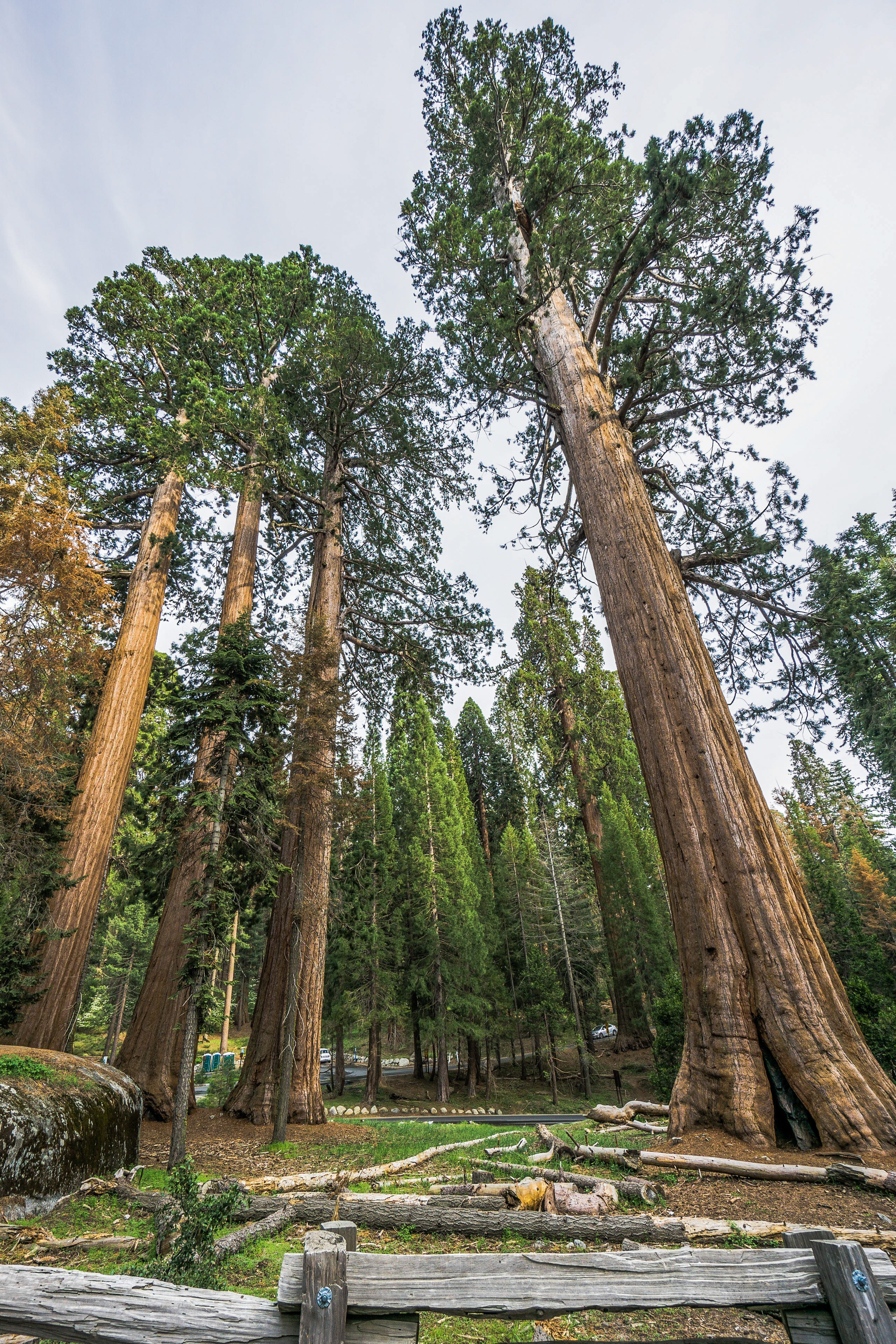
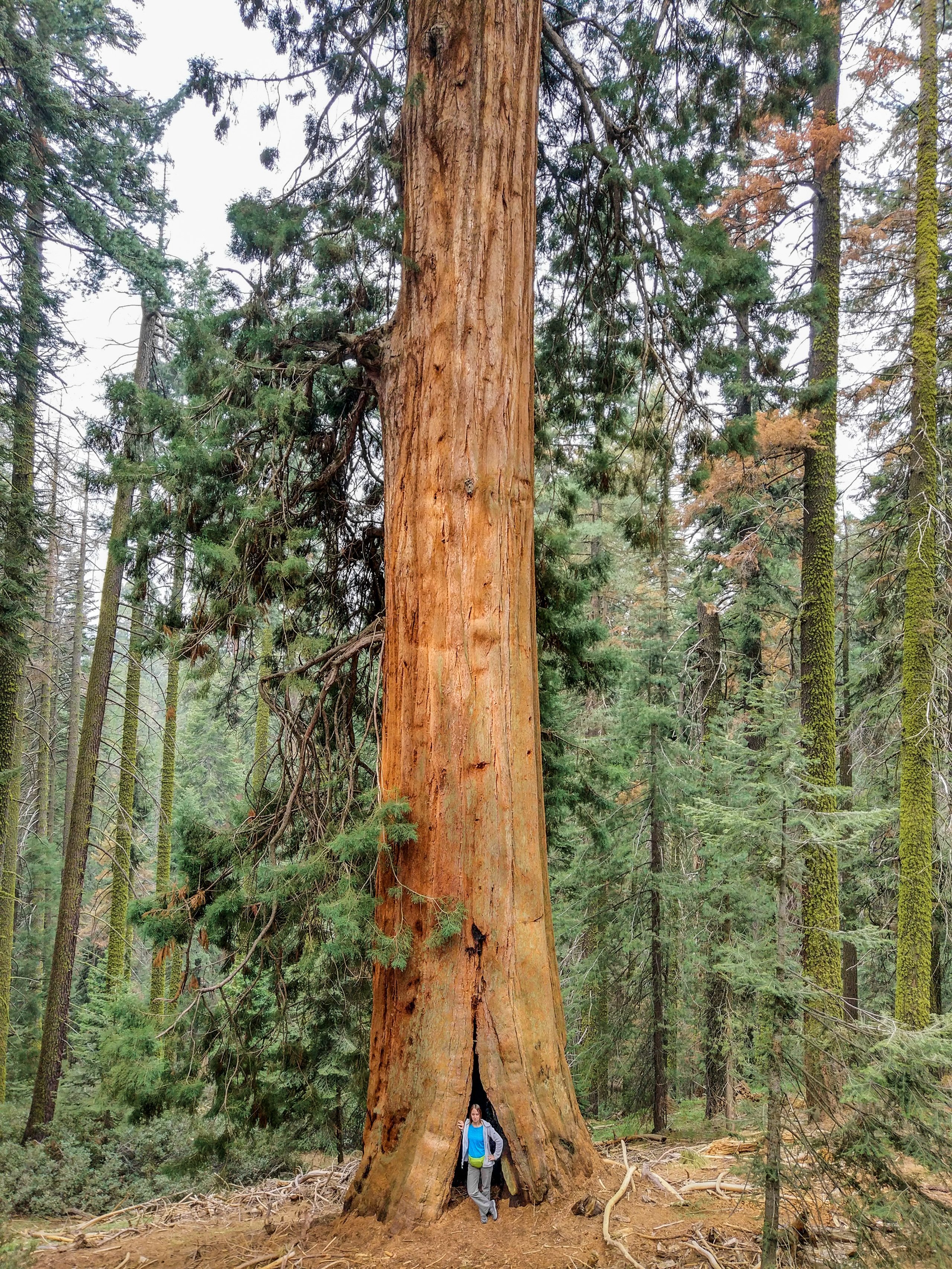
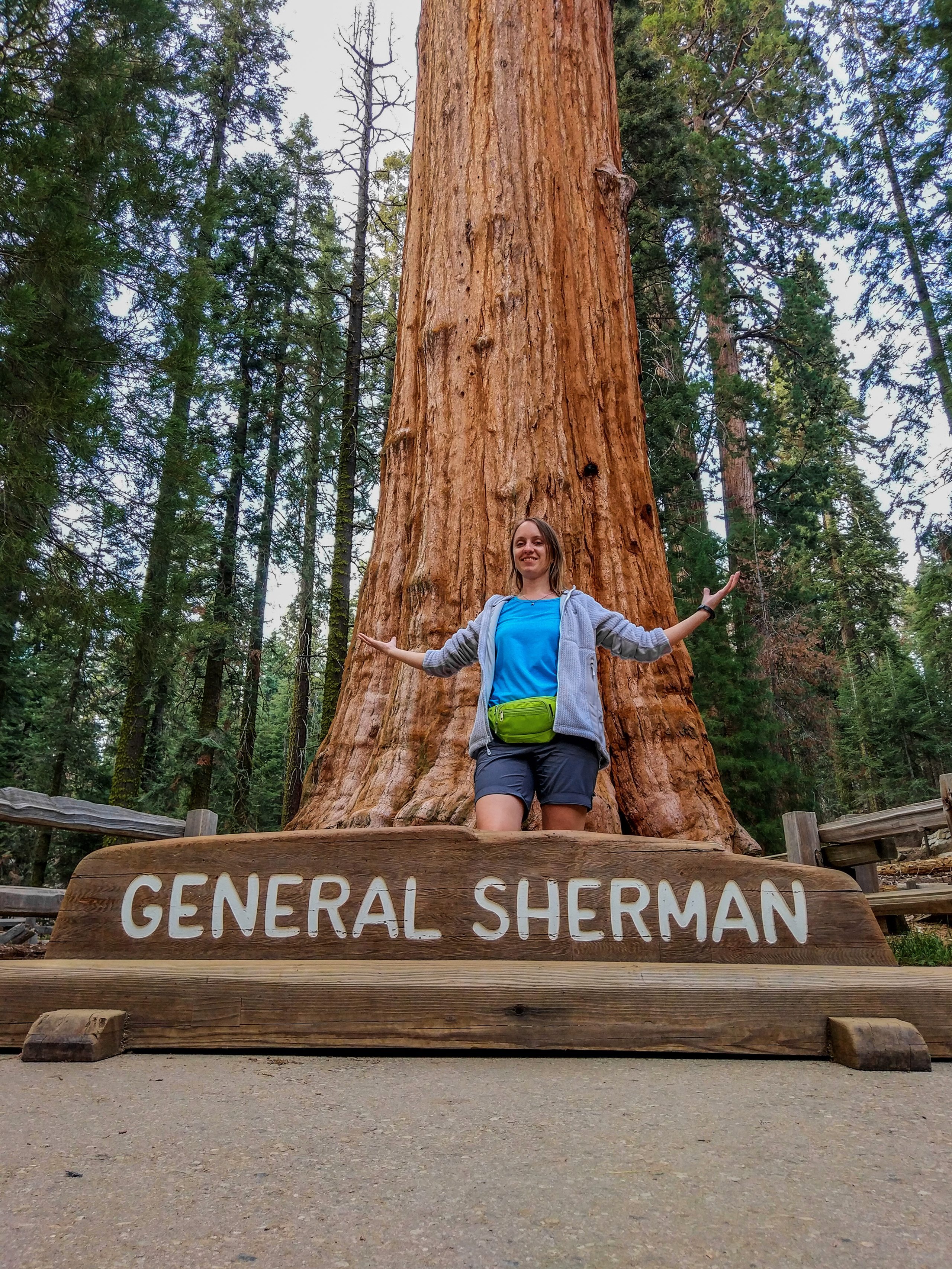
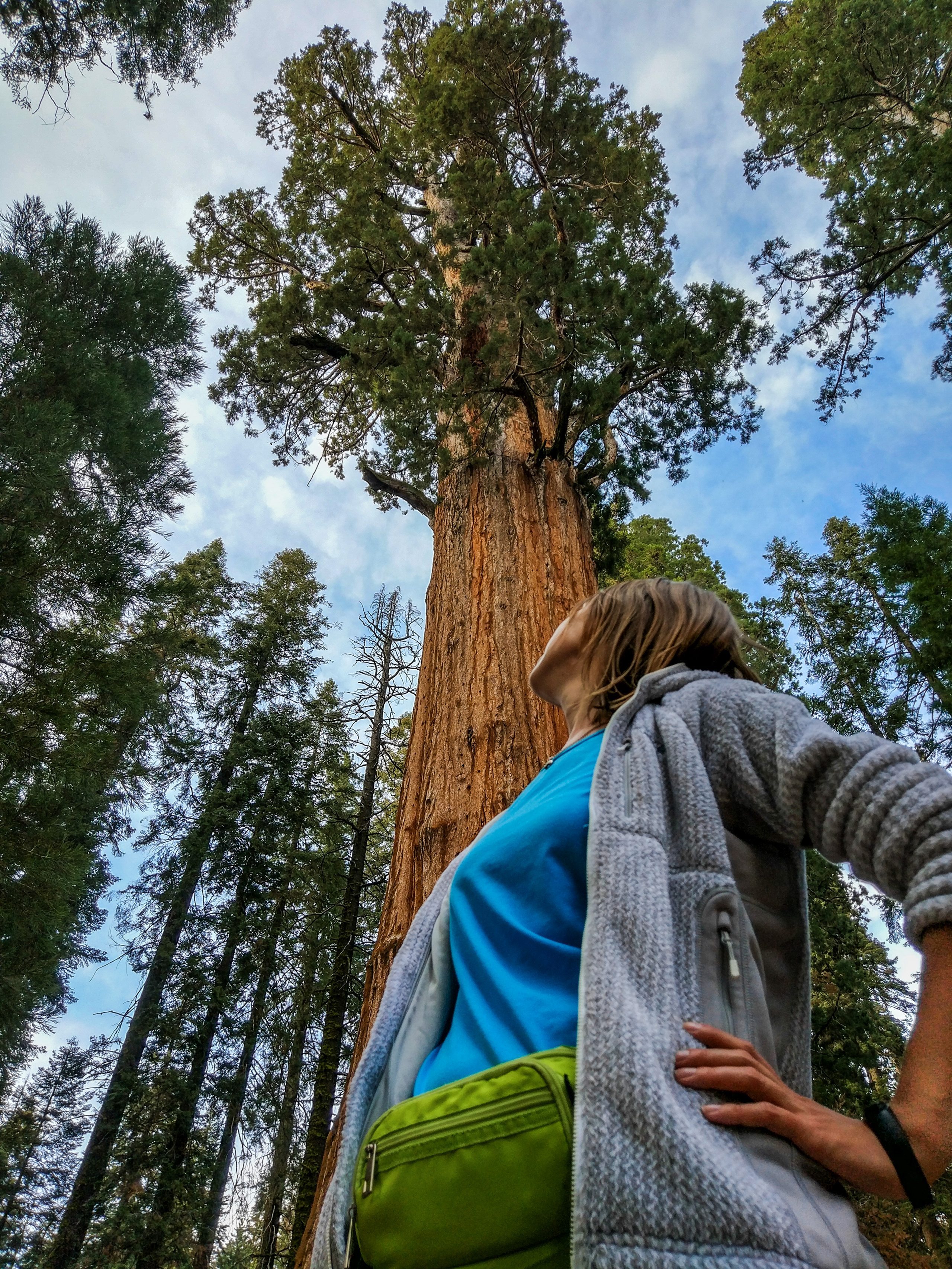
The largest by volume and the heaviest of them is the General Sherman Tree. What's more, it is the largest and heaviest living organism on the planet. It is 83 meters tall, and its base is more than 11 meters in diameter. The tree weighs 1910 metric tons and is more than 2500 years old.
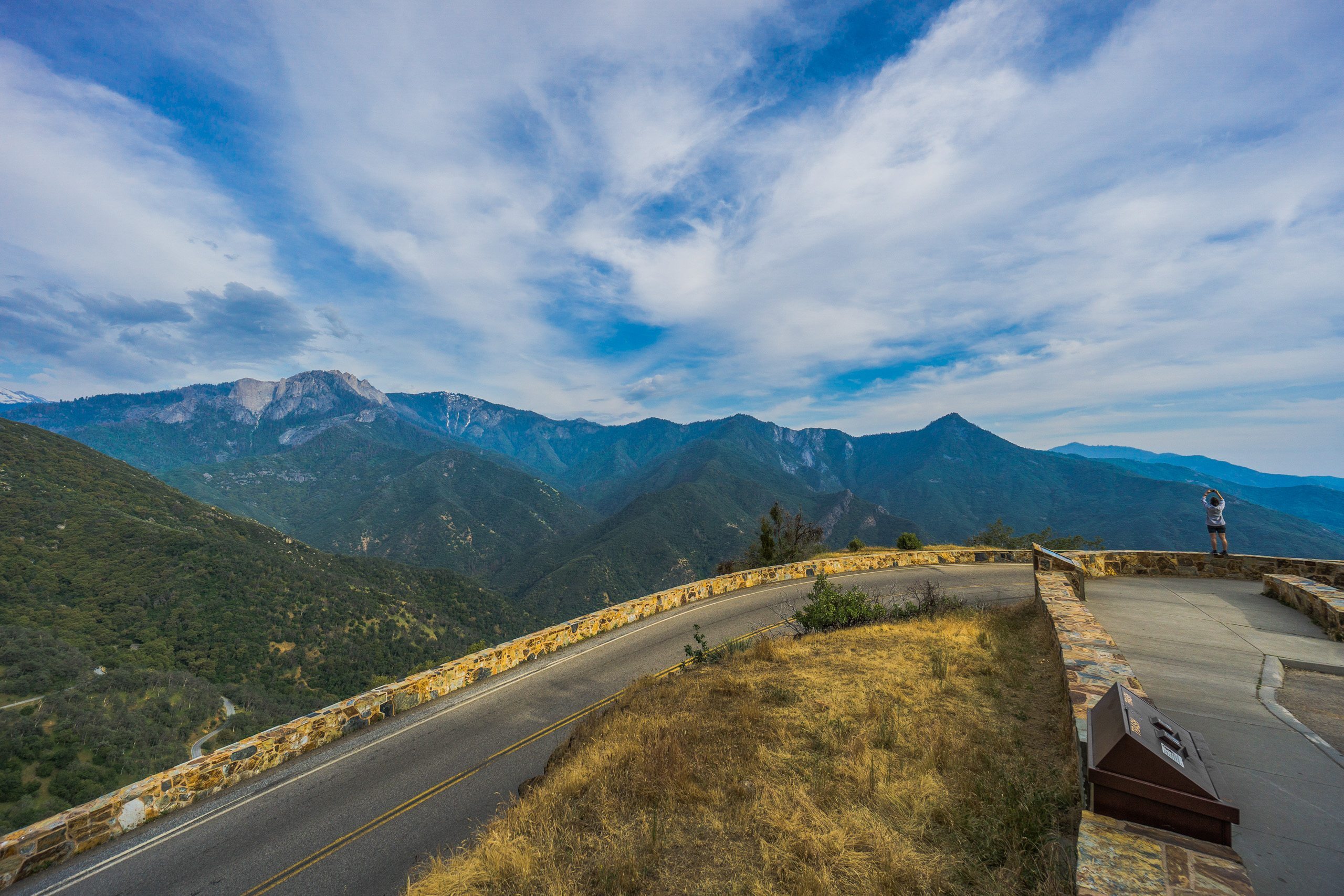
However, the incredible sequoias are not the park's only attraction. Following the main road, the Generals Highway, you can enjoy stunning views of the Sierra Nevada mountains.
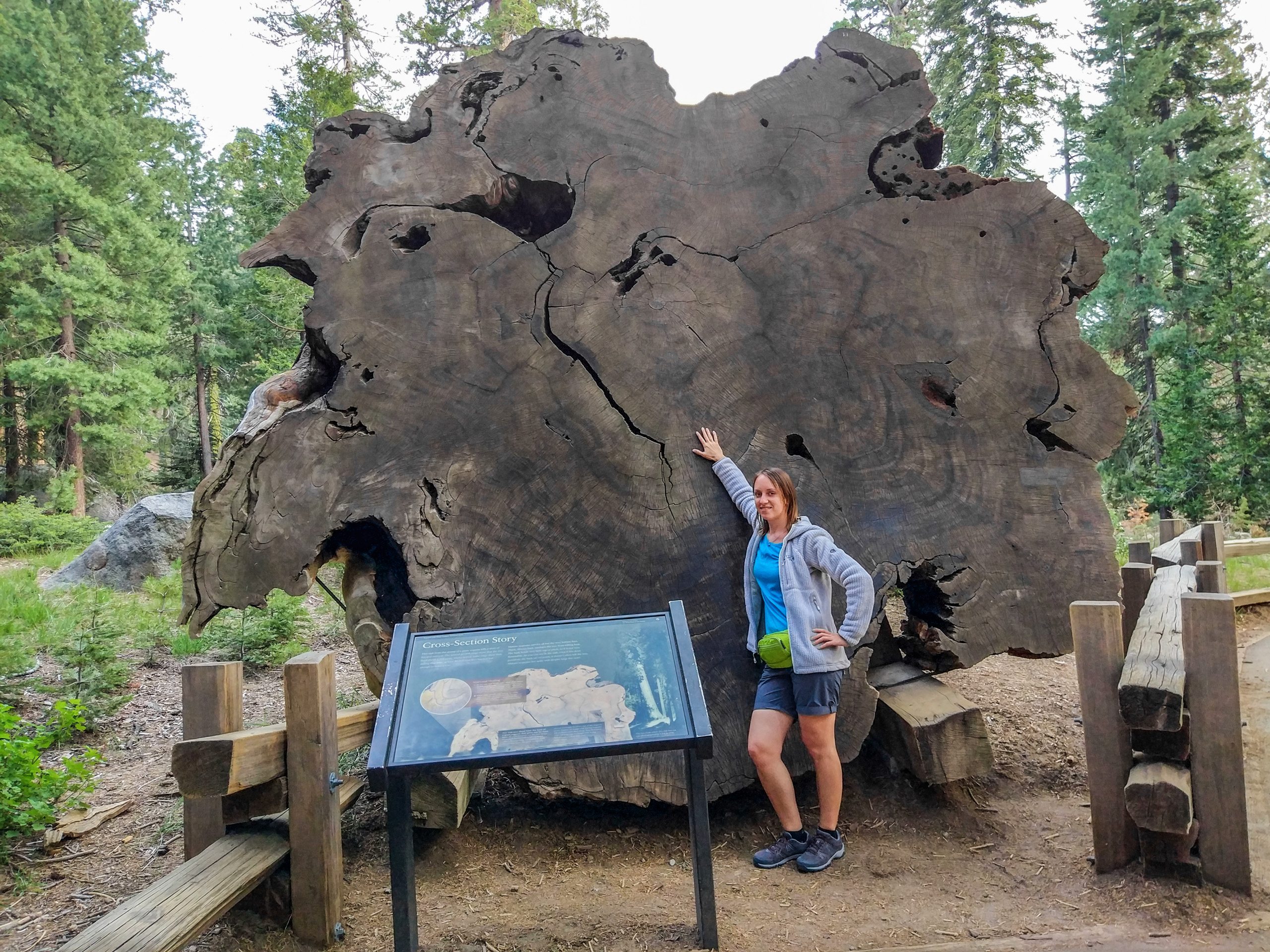
And by turning off the main road, you can reach such remote places as Tunnel Log, a tunnel cut through a sequoia that fell in 1937, and Crystal Cave with its diverse collection of colorful minerals. They form blue, green, yellow, black, white, orange, and red deposits and formations along the walls, ceilings, and floors of the cave. The cave tour is paid: as of 2026 it costs $22 for adults and $11 for children and lasts 50 minutes. The 2026 tour season is over; the next tours are expected in late spring 2027. But note that both of these sights are inaccessible in the winter season.
Besides all this, the park is crisscrossed by numerous hiking trails through forests, past streams and waterfalls, up mountain peaks, and to lakes. To pick the most interesting routes, it is best to ask the rangers at one of the information centers for help.
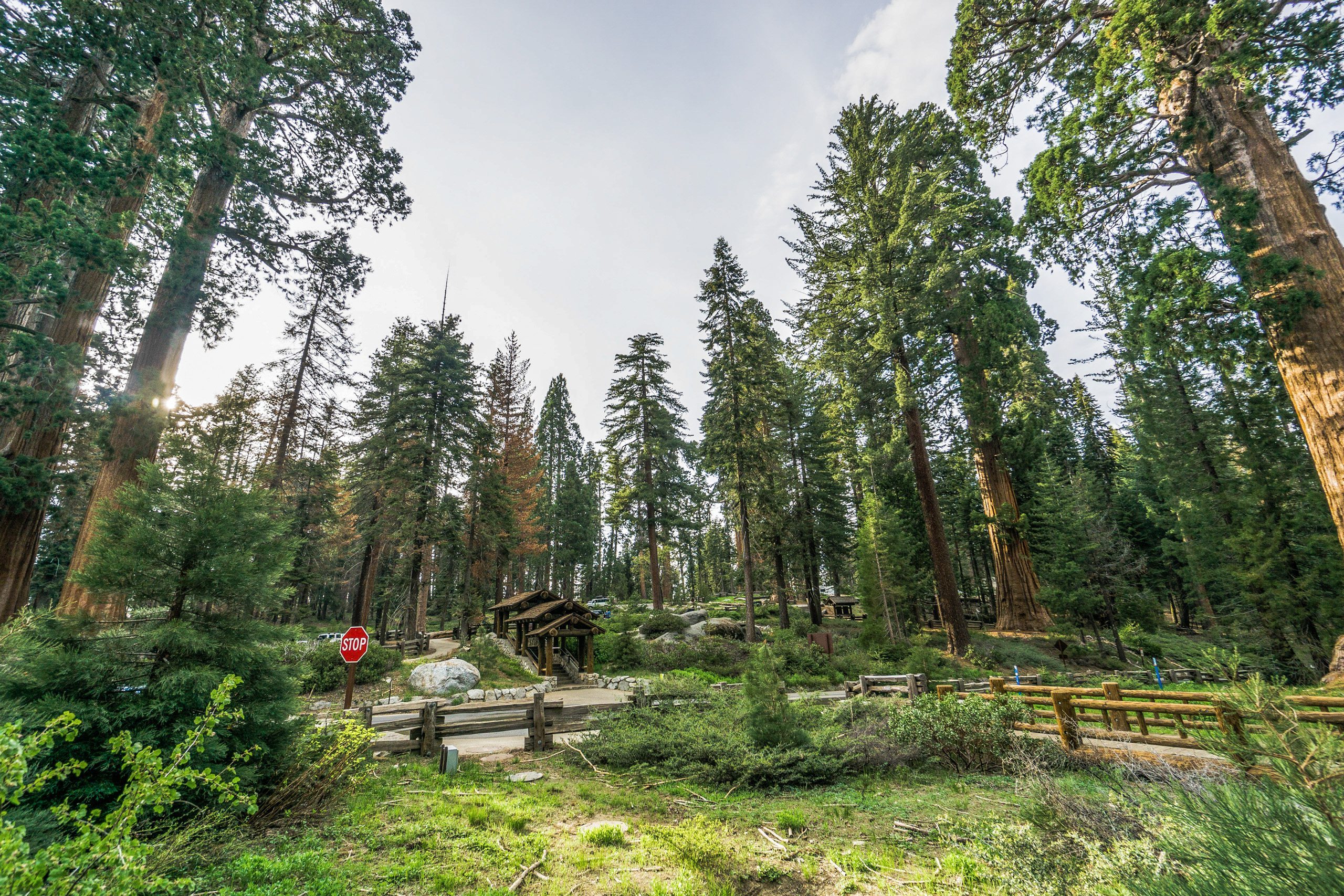
As for our impression of the park, the giant sequoias are certainly striking and definitely worth seeing, but there is no point in spending a lot of time on them. The USA is full of more impressive parks with more varied scenery.
Where to stay in Sequoia Park
In and around Sequoia Park there are plenty of places to stay. There are both campgrounds and lodges with proper rooms.
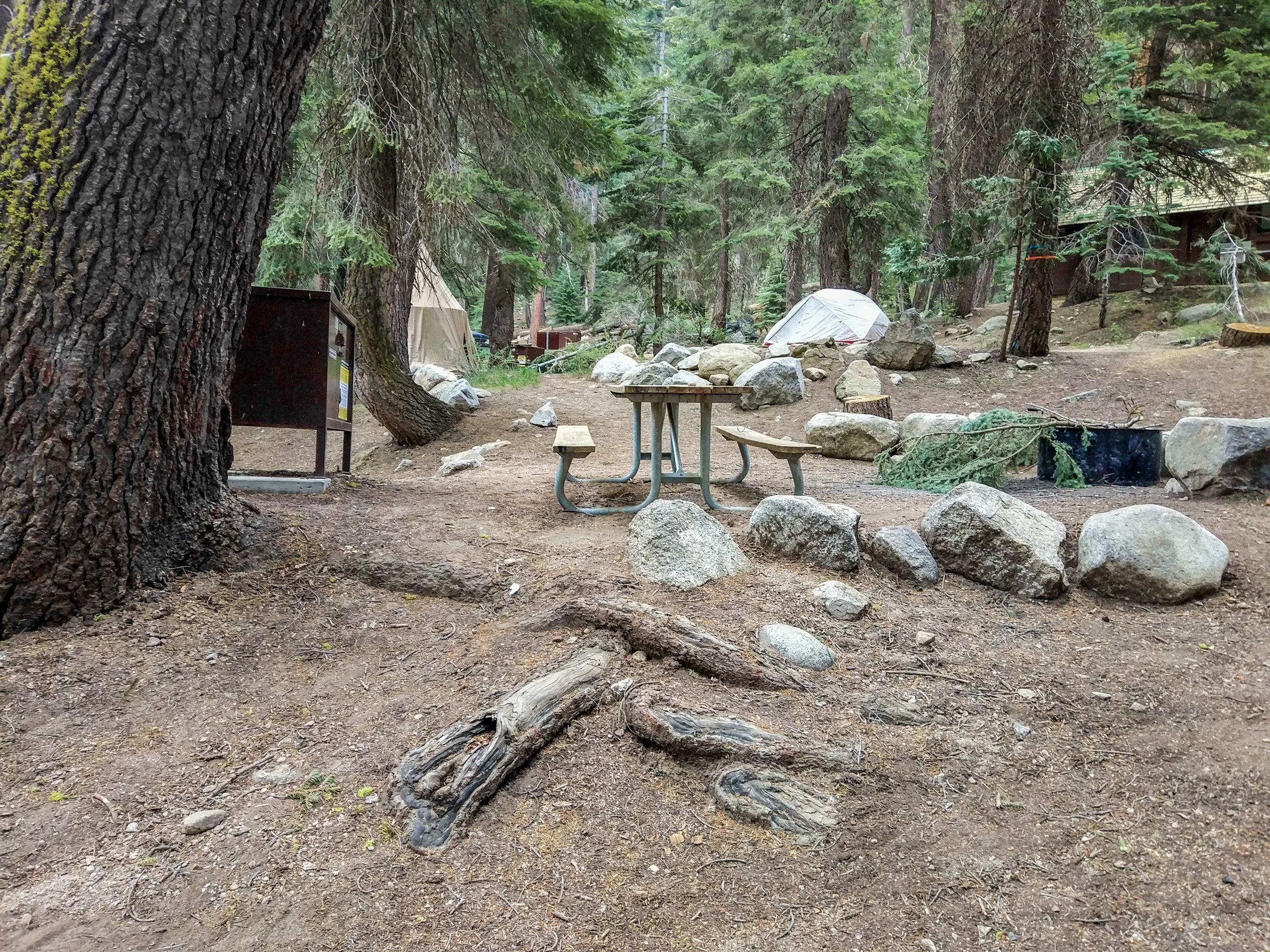
The park itself has 7 campgrounds, with restrooms, drinking water, picnic tables, fire pits with a barbecue grate, and metal boxes for storing food and anything with a scent, so that bears can't get to them.
Atwell Mill Campground — as of 2026, $32 a night, 21 campsites, open only in the summer season.
Cold Springs Campground — as of 2026, $32 a night, 40 campsites, open only in the summer season.
Both of these campgrounds are for tents only; as of 2026 their sites are by advance reservation only. The nearest showers and grocery store are at the neighboring Silver City Resort.
Lodgepole Campground — as of 2026, $32 a night, 214 campsites, open from early spring to late fall (in October and November it operates depending on the weather). Showers, laundry facilities, and a gift and grocery store are nearby in Lodgepole Village.
Dorst Creek Campground — as of 2026, $32 a night, 218 campsites, open from early summer to early fall; as of October 2026 it is closed for repairs after storms, with no reopening date set. The nearest showers, laundry facilities, and grocery store are at Wuksachi Lodge.
Potwisha Campground — as of 2026, $32 a night, 42 campsites, open year-round.
Buckeye Flat Campground — as of 2026, $32 a night, 28 campsites, open from early spring to late fall, tents only; as of October 2026 it is closed for repairs after storms, with no reopening date set.
South Fork Campground — 10 campsites, tents only; as of 2026 it is closed until further notice: floods and landslides badly damaged the campground and the road to it.
The nearest grocery stores and restaurants for the last three campgrounds are in the town of Three Rivers.
And, of course, for those who like their comfort, there are several hotels in the park and outside it. You can choose a suitable one and book a room, for example, here => Booking.com
Comments
Thank you! Your comment has been sent and will appear after moderation.