Yosemite National Park
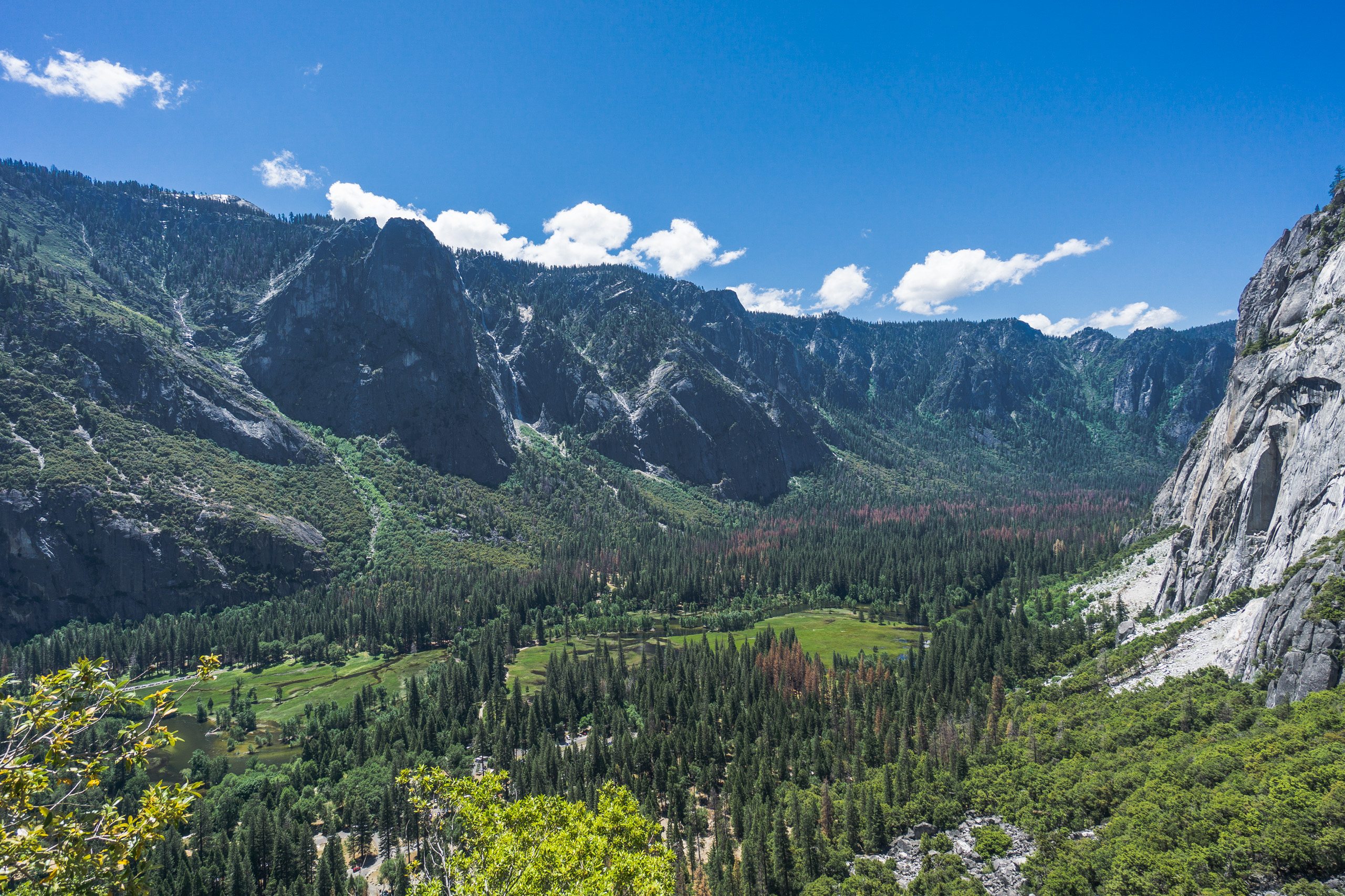
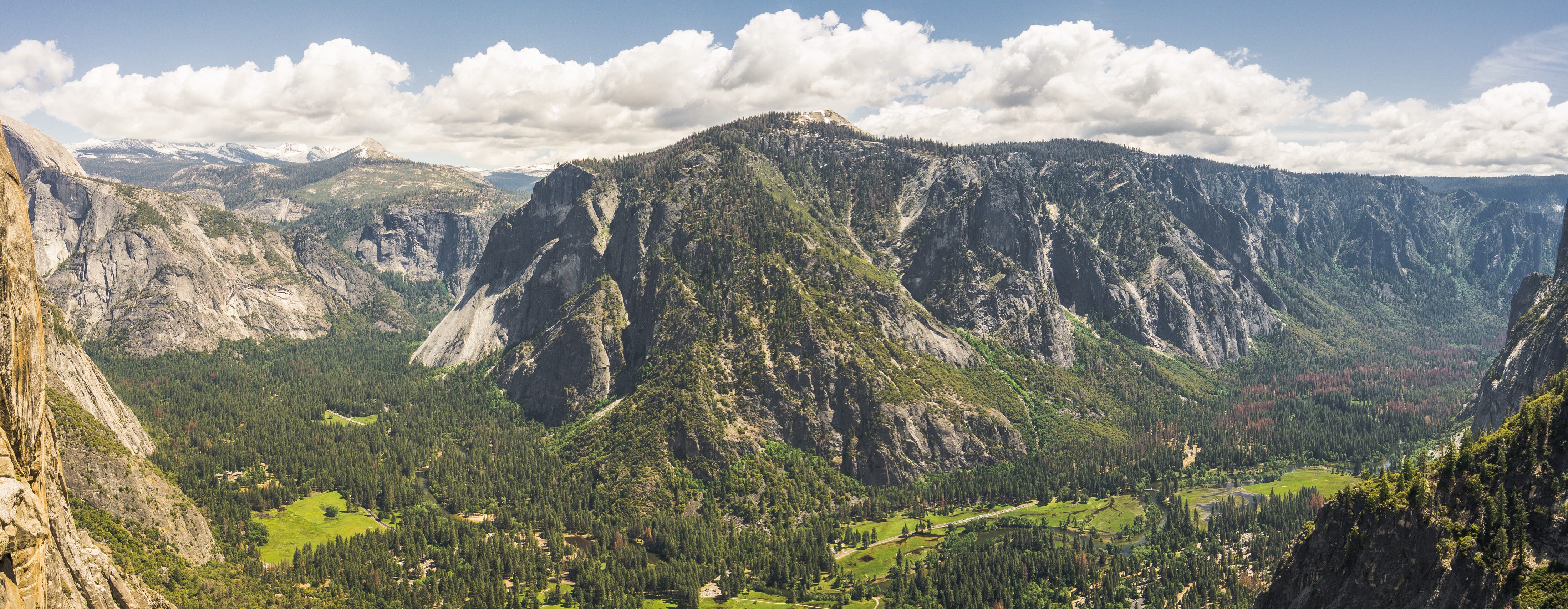
Yosemite National Park is without a doubt one of the most beautiful and scenic parks we have visited. It is located in California, in the western part of the Sierra Nevada mountain range, and covers an area of more than 3000 km². The park draws visitors with its tall, powerful waterfalls, granite cliffs, canyons, rushing rivers, and green forests. All of this blends together so harmoniously and creates such incredible views that you can't take your eyes off them and just want to keep admiring them.
How to get to Yosemite
There are several entrances to Yosemite. On the west side of the park, you can go by three large nearby cities, from which three different roads lead into the park:
- From the city of Merced, head east on Highway 140, and after 69 miles (111 km) you reach the Arch Rock Entrance. Along the way there is also the small town of Mariposa, which you can use as a landmark too; it is 32 miles (52 km) from the Arch Rock Entrance on the same highway.
- From the city of Manteca, you can get there by Highway 120 east. After 90 miles (145 km) you reach the Big Oak Flat Entrance.
- From Fresno, Highway 41 leads to the South Entrance, which is 61 miles (98 km) to the north.
From the east, you can enter the park through the Tioga Pass Entrance, located 12 miles (20 km) west on Highway 120 from the town of Lee Vining. Note, however, that this entrance is closed from November until the end of May or early June.
The park is also served by paid buses of the local YARTS transit system; the entrance fee is included in the ticket price. From Merced, buses run to Yosemite Valley year-round. From Fresno, Mammoth Lakes, and Sonora — only in summer, from May to September. You can find more about the routes and ticket prices for these buses here.
Within the park itself you can get around on free shuttle buses. The free Yosemite Valley Shuttle System provides convenient access to all the main sights, stores, and places to stay overnight. The shuttles run year-round from 7:00 to 22:00. We simply left our car in the parking lot of the campground where we were staying and rode these buses everywhere.
Yosemite opening hours
The park is open year-round, 24 hours a day, but in winter some roads are closed, such as Mariposa Grove Rd and Tioga Rd.
The park's main information center, the Yosemite Exploration Center (formerly the Yosemite Valley Visitor Center), is in Yosemite Valley. It is open year-round from 9:00 to 17:00. There you can get the information you need from rangers, watch a film about the park's history in the theater, learn about the park's nature in a small museum, and buy souvenirs, books, and guidebooks in the little bookstore.
The park also has two more small information centers:
- Tuolumne Meadows Visitor Center — on Tioga Road, 8 miles west of the Tioga Pass Entrance; open from 9:00 to 18:00, July to September;
- Wawona Visitor Center — on Wawona Road; open from 8:30 to 17:00, May to October.
On top of all that, the visitor centers have public restrooms and drinking water, available around the clock.
Cost of visiting Yosemite
7-day tickets (for 2026):
- Price per car (and up to 15 passengers) — $35
- Price per motorcycle — $30
- Price per cyclist or hiker — $20
- Price for visitors traveling by bus or in a vehicle that seats 16 or more people — $20 per person
Annual passes (for 2026):
- Yosemite National Park annual pass (Yosemite Pass) — $70 (US citizens and residents only)
- General pass, valid at all US national parks (Annual Pass) — $80 for US citizens and residents, $250 for foreigners
- Children under 16 — free. Foreigners aged 16 and older who are not entering on an annual pass pay an additional $100 per person on top of the entrance fee
Seasons
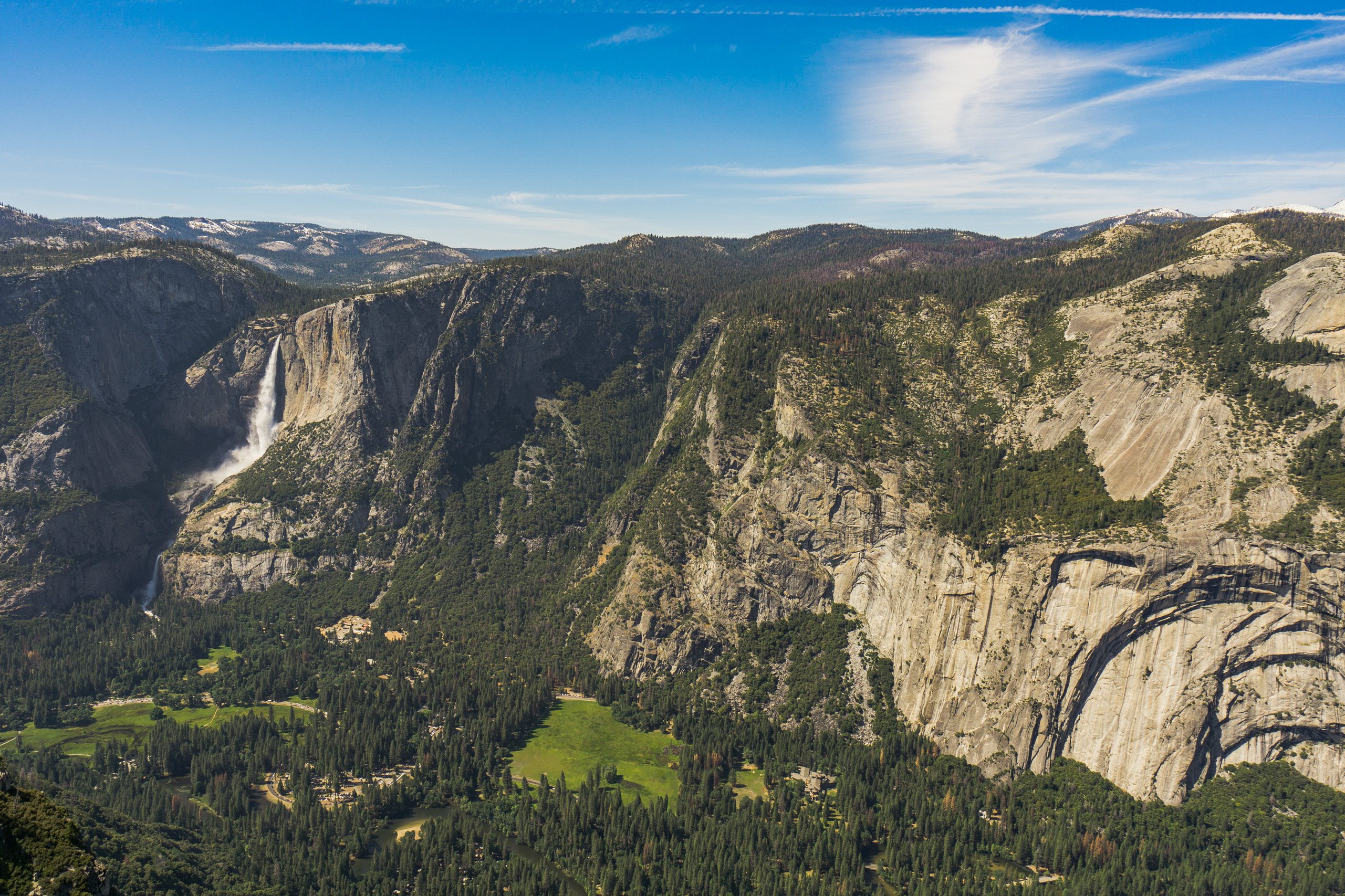
The spring season in Yosemite lasts from April to May, and it is the best time to admire the waterfalls, since in May their flow is at its peak. During the day the air is already quite warm, but the nights are still cold. Although there are no big crowds of tourists yet, it is still better to come to the popular Yosemite Valley early to avoid traffic jams and lines. Tioga Rd and Glacier Point Rd usually open by the end of May, but because of an overly snowy winter they may stay closed even in June.
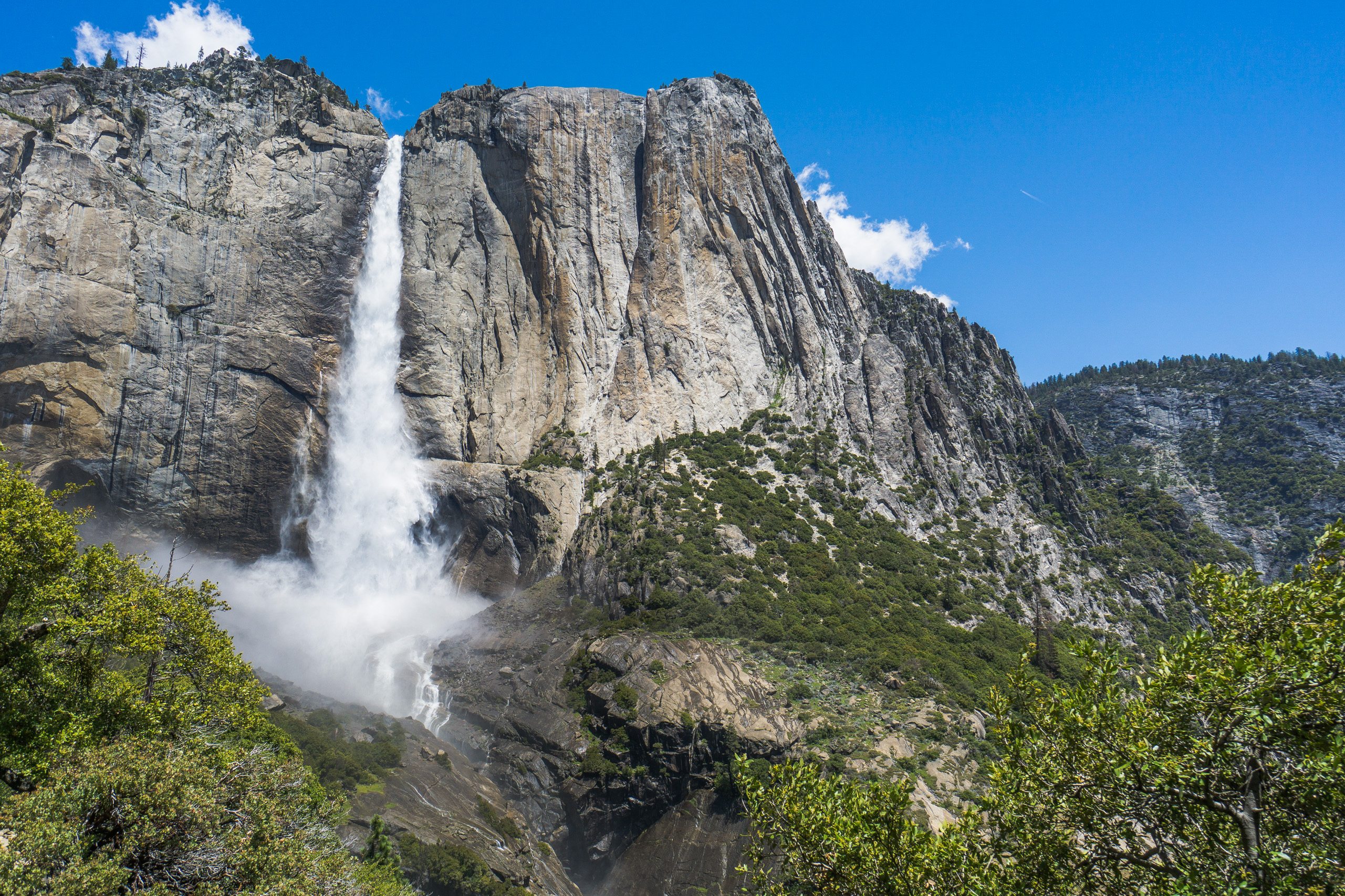
The summer season — from June to September — is the most popular. This is when there are the most tourists, who create huge lines at various sights; the roads are badly jammed, and the campgrounds are overcrowded. In midsummer the air temperature can reach 31 °C. The waterfalls' flow weakens, and by August some waterfalls may dry up completely. In summer it is best to visit the less popular, higher-elevation parts of the park, such as Tuolumne Meadows. It is cooler there than in Yosemite Valley, and the hiking trails through the mountains are no less impressive.
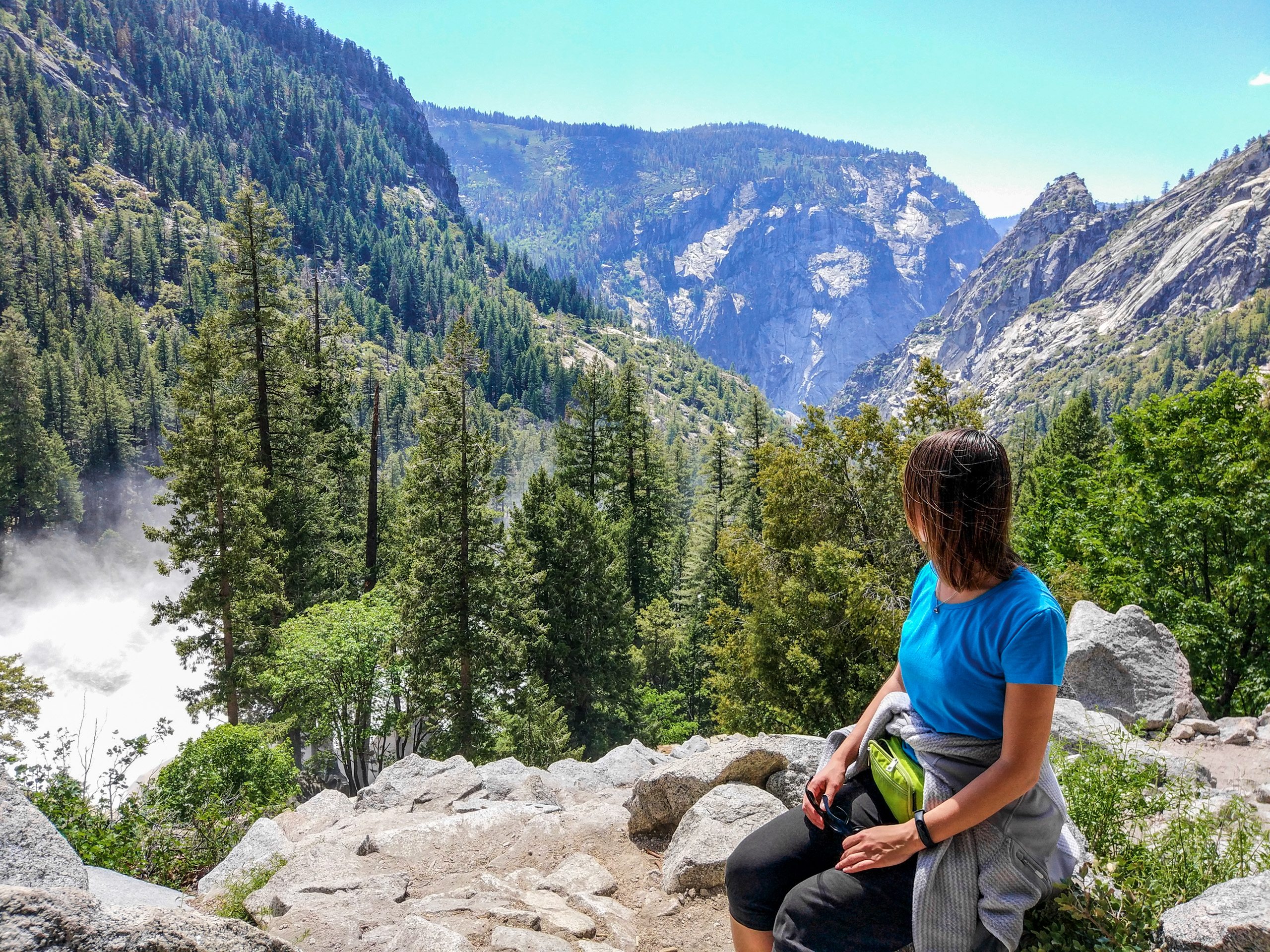
The fall season in the park is considered to be the period from October to November. The crowds of tourists thin out, and the air temperature drops. It is the perfect time for hiking and rock climbing in Yosemite Valley. All areas of the park are usually open until October, and sometimes even until November; only snow may briefly close some roads. All services and the visitor center along Tioga Road close by the end of September, and the road itself closes after the first heavy snowfall (usually in mid-October to early November). In the fall, Yosemite is especially colorful.
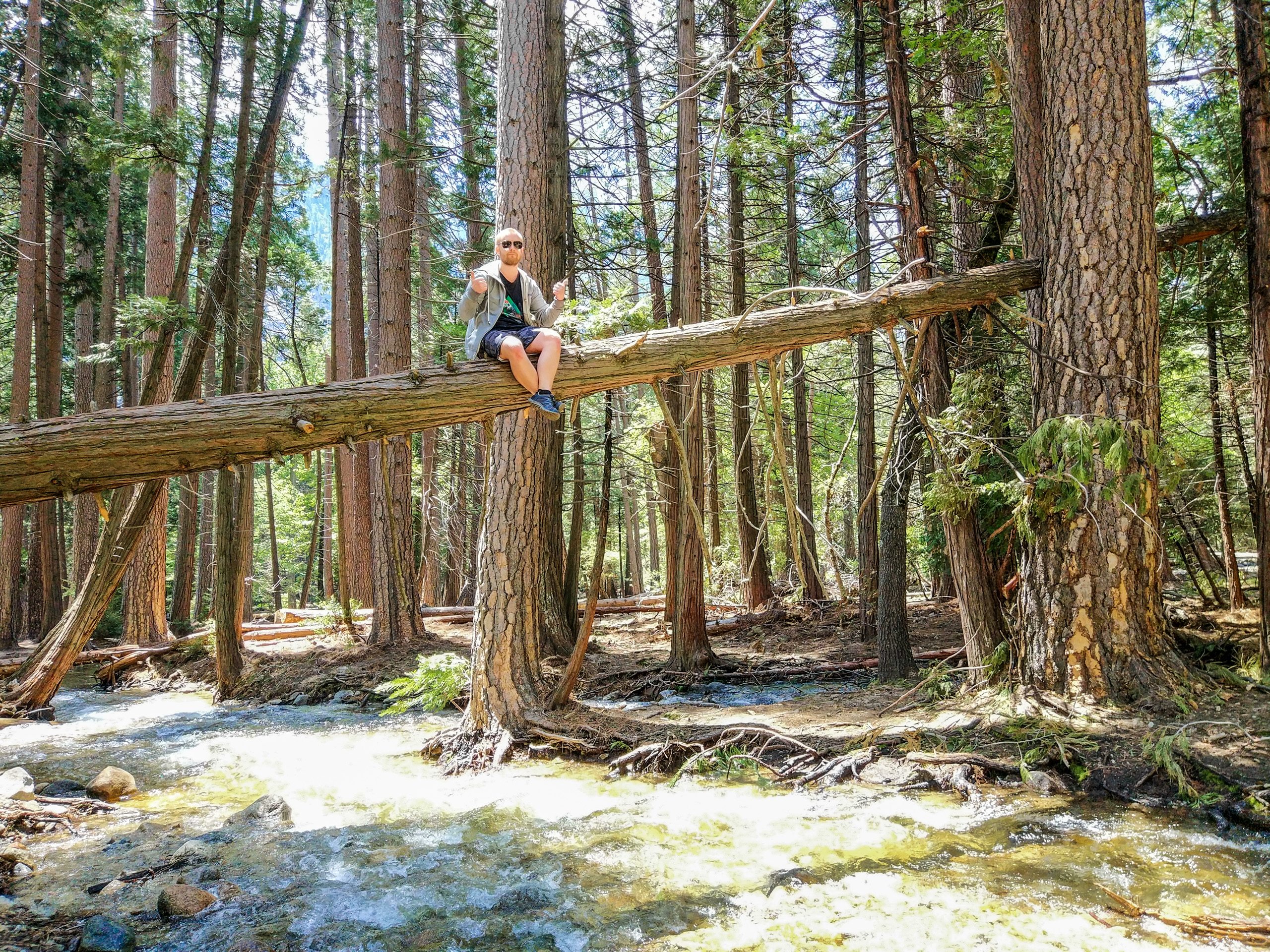
The winter season is the longest and the less popular one; it lasts from December to March. The park empties out, is covered in snow, and becomes more peaceful. Tioga Rd and Glacier Point Rd are closed, but from mid-December to early April a ski area opens at Glacier Point. Although most of the park is covered in snow in winter, some hiking trails in Yosemite Valley are still accessible.
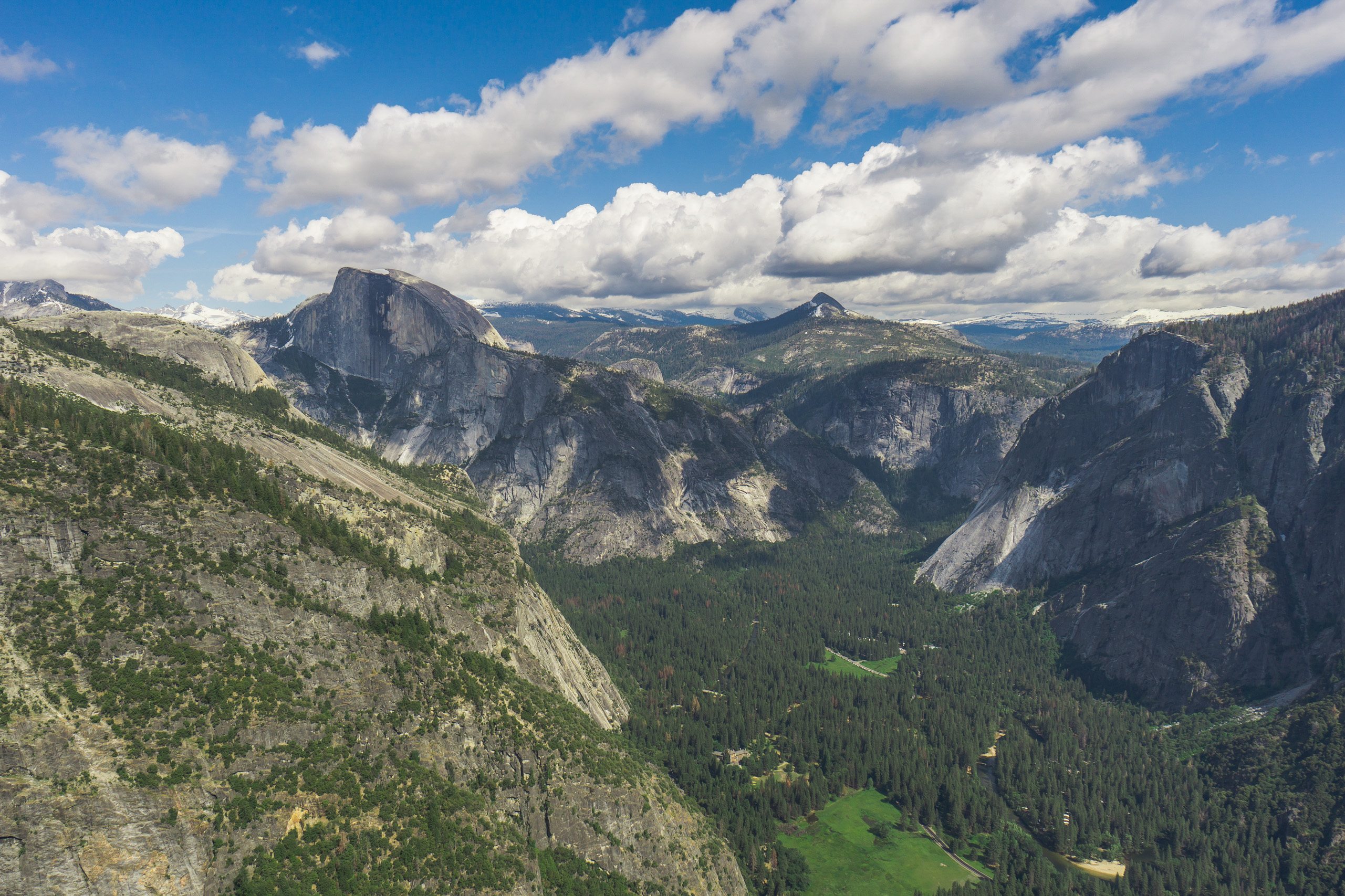
Yosemite map
To prepare for a visit to Yosemite, it is handy to look at the map in advance:
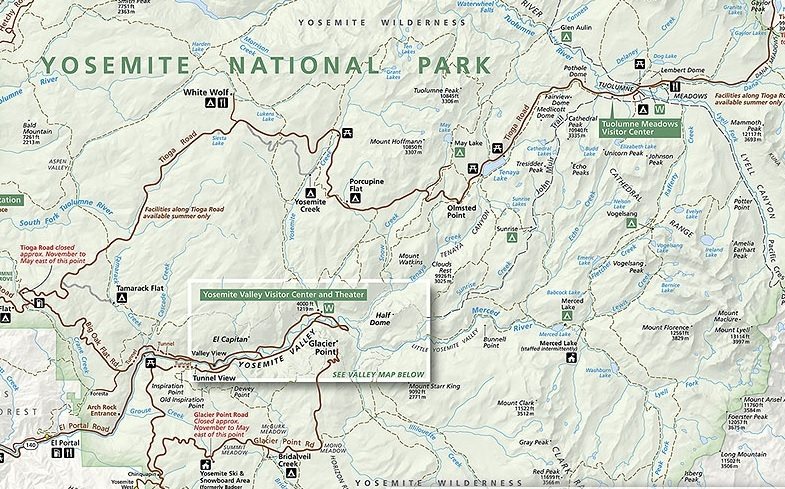
And this is a map of Yosemite Valley:
What to see
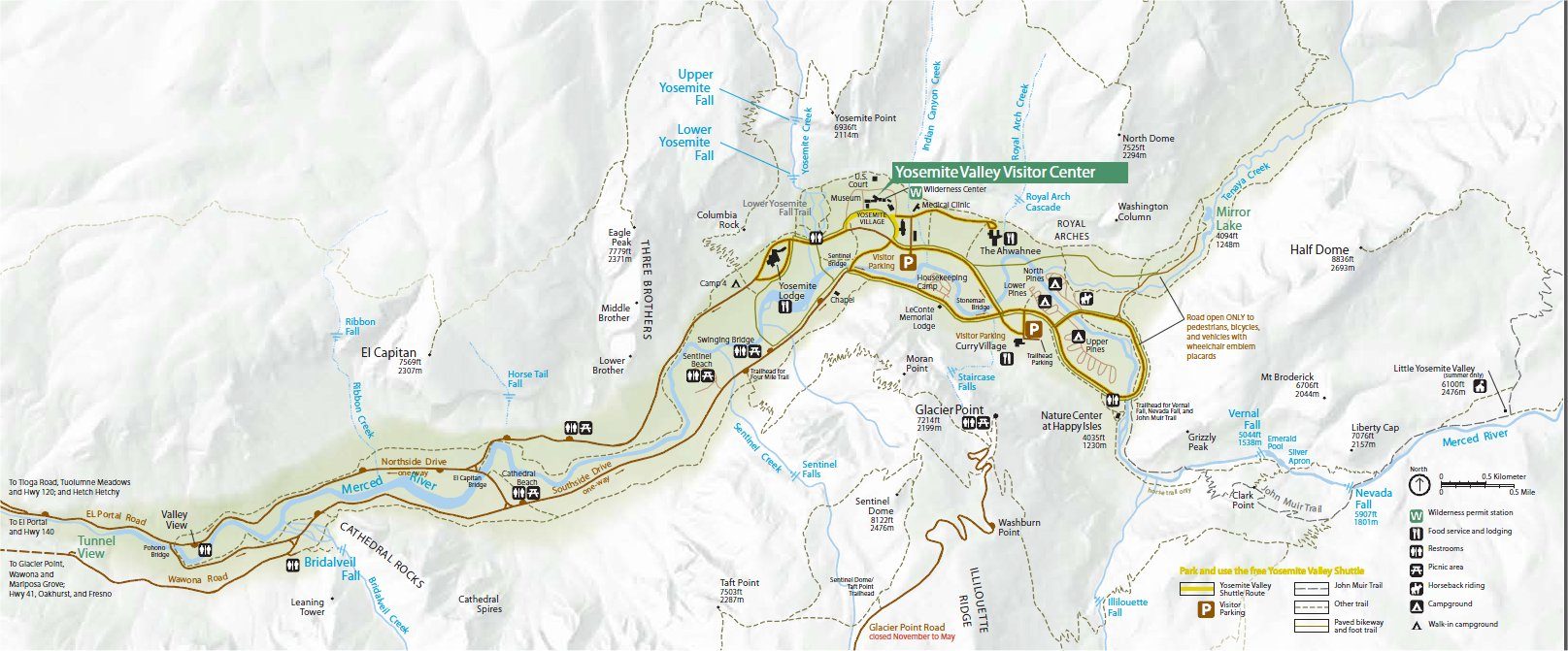
The most popular part of the park is Yosemite Valley. This is where the most impressive natural sights are concentrated, such as Yosemite Falls, one of the tallest waterfalls in North America, and some of the largest monolith peaks in North America — Half Dome and El Capitan.
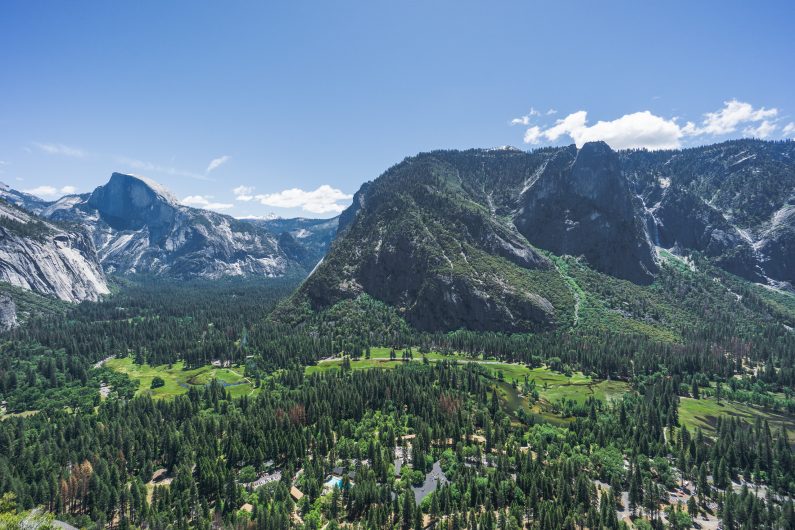
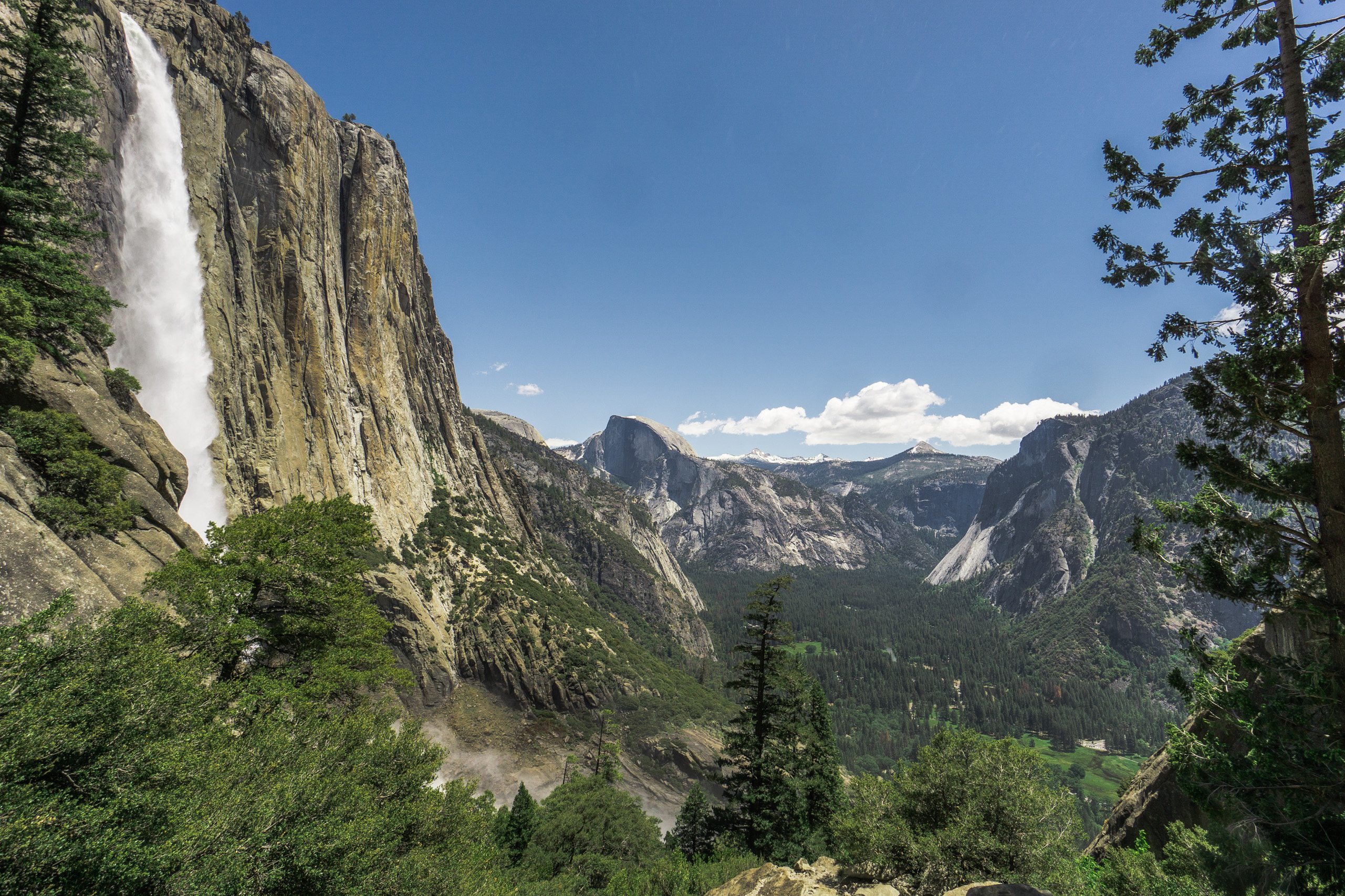
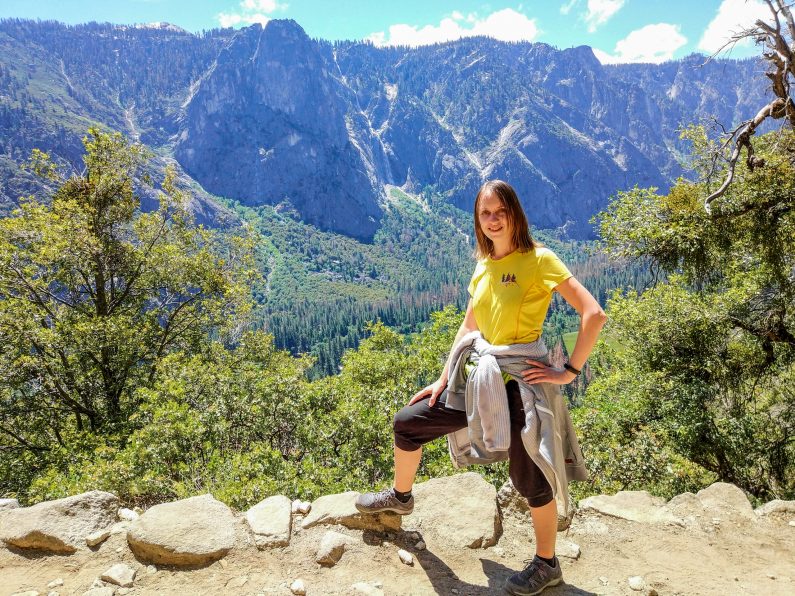
Our introduction to the park began with Yosemite Falls. The trail to it starts at Camp 4 and climbs more than 800 meters to the top of the falls. The climb is quite steep; the whole hike there and back took us 7 hours, and it was amazing. All along the way, mesmerizing views of the valley kept opening up, and when you reach the waterfall itself, you are struck by the force of its flow.
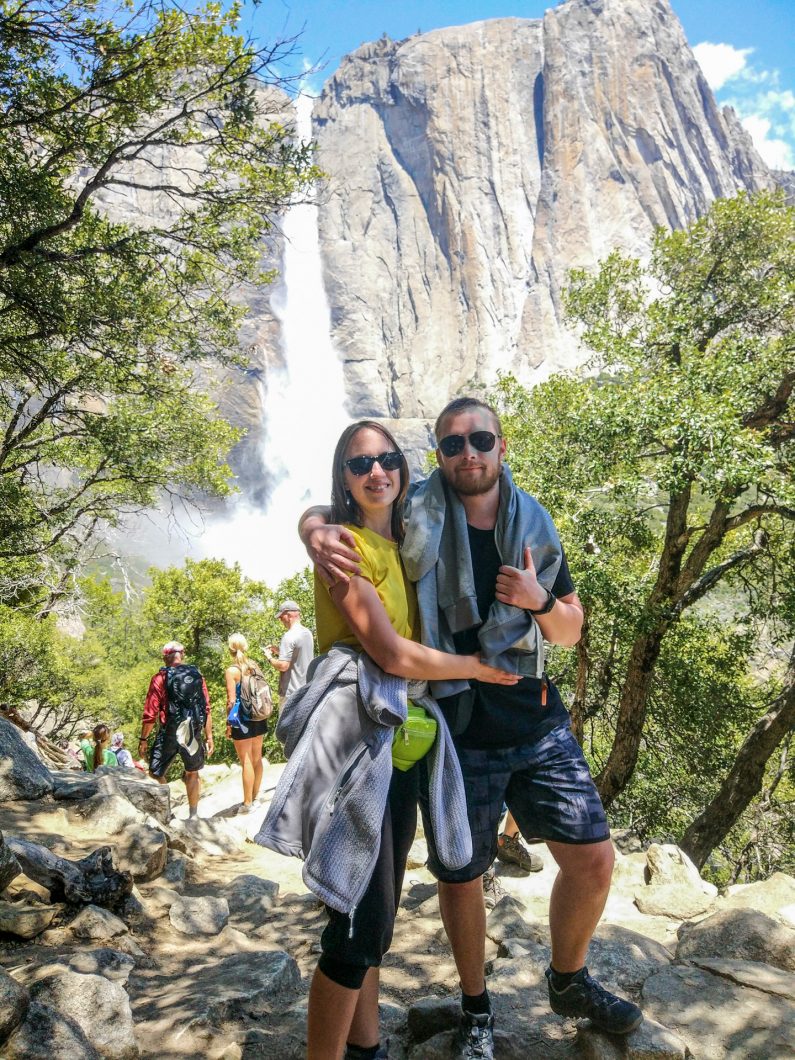
But we didn't stay here long and continued on to the top of the falls. The sight of such a powerful stream of water falling down gives you goosebumps.
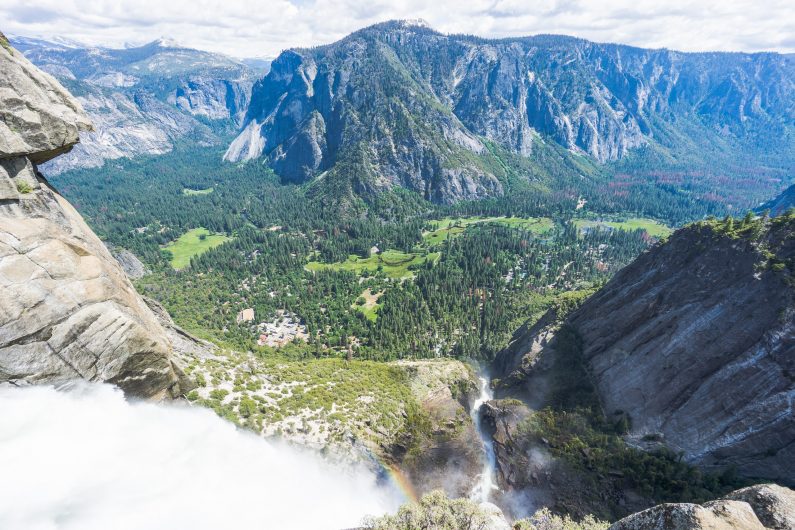
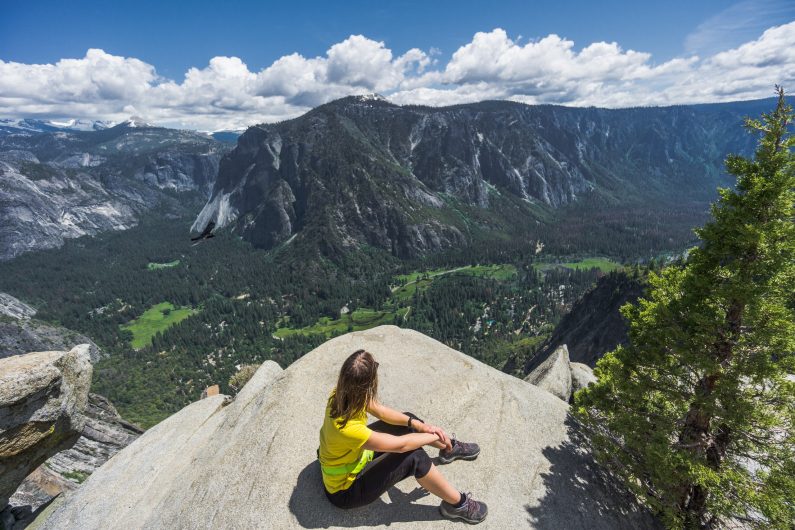
But that's not all: we went even higher, to Yosemite Point, which offers simply fantastic views.
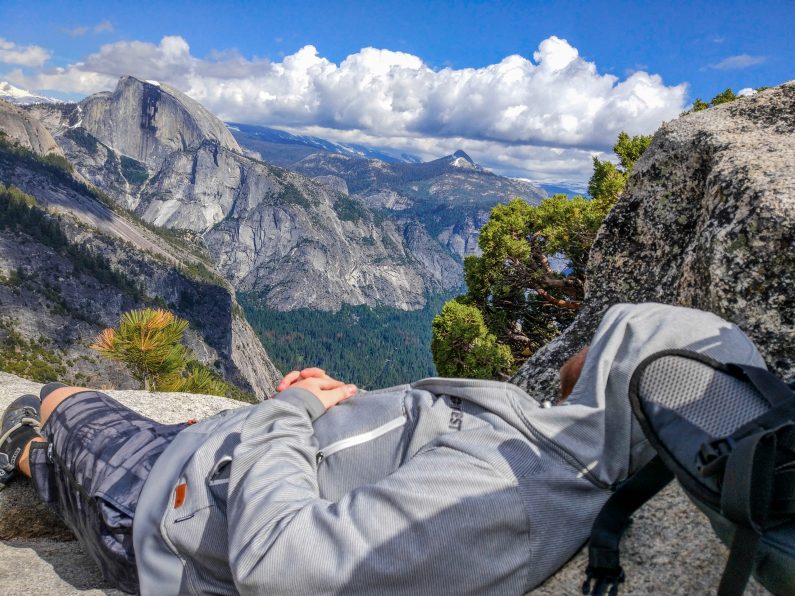
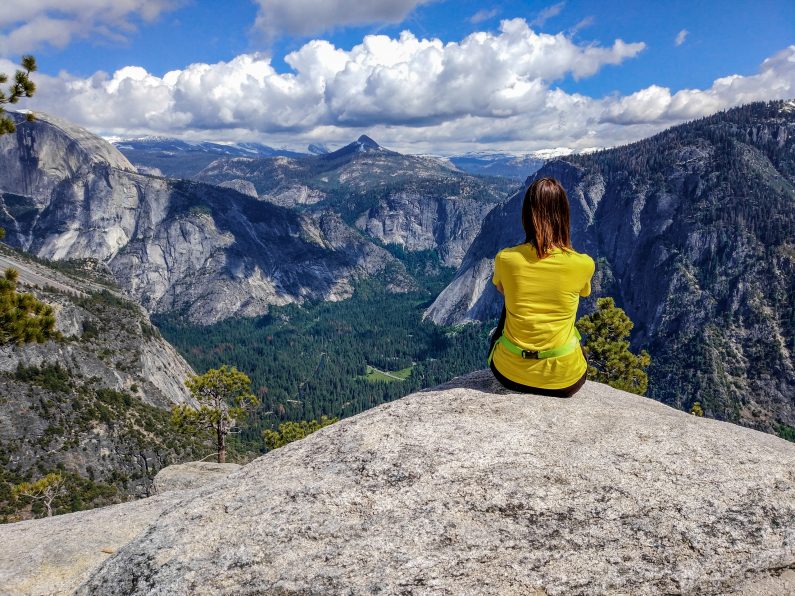
The climb to the top of the falls is long and hard, but if you go, you will be rewarded with great views. Don't be discouraged, though, if you decide the climb is beyond you, because there is also the lower part of Yosemite Falls (Lower Yosemite Fall Vista Point). Getting there takes just 15 minutes from Yosemite Village.
Another scenic and tall waterfall we went to is Vernal Fall. The trail to it is a little easier, but be prepared to get soaked to the skin, since you will have to pass right next to the falls, straight through the rising spray.
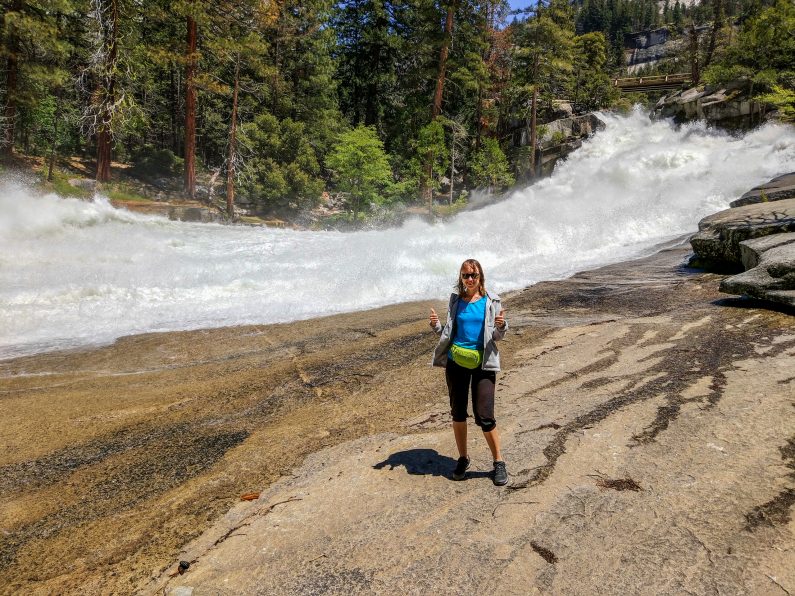
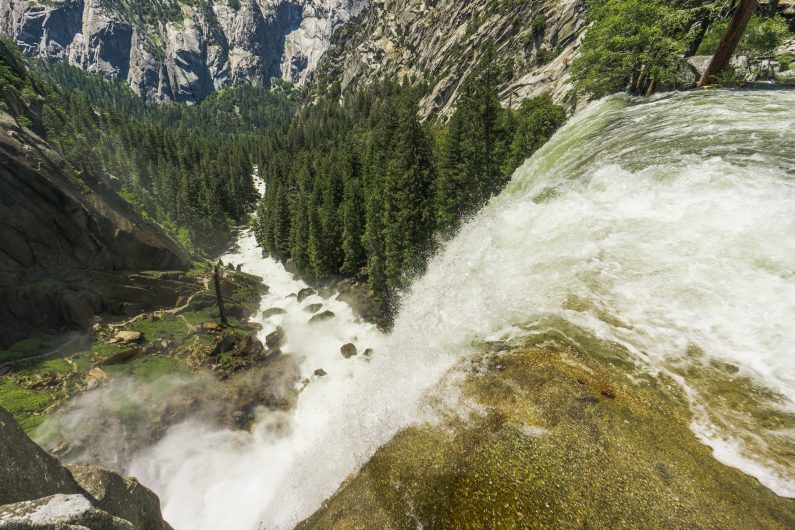
The trail to Vernal Fall is a loop and passes one more waterfall — Nevada Fall.
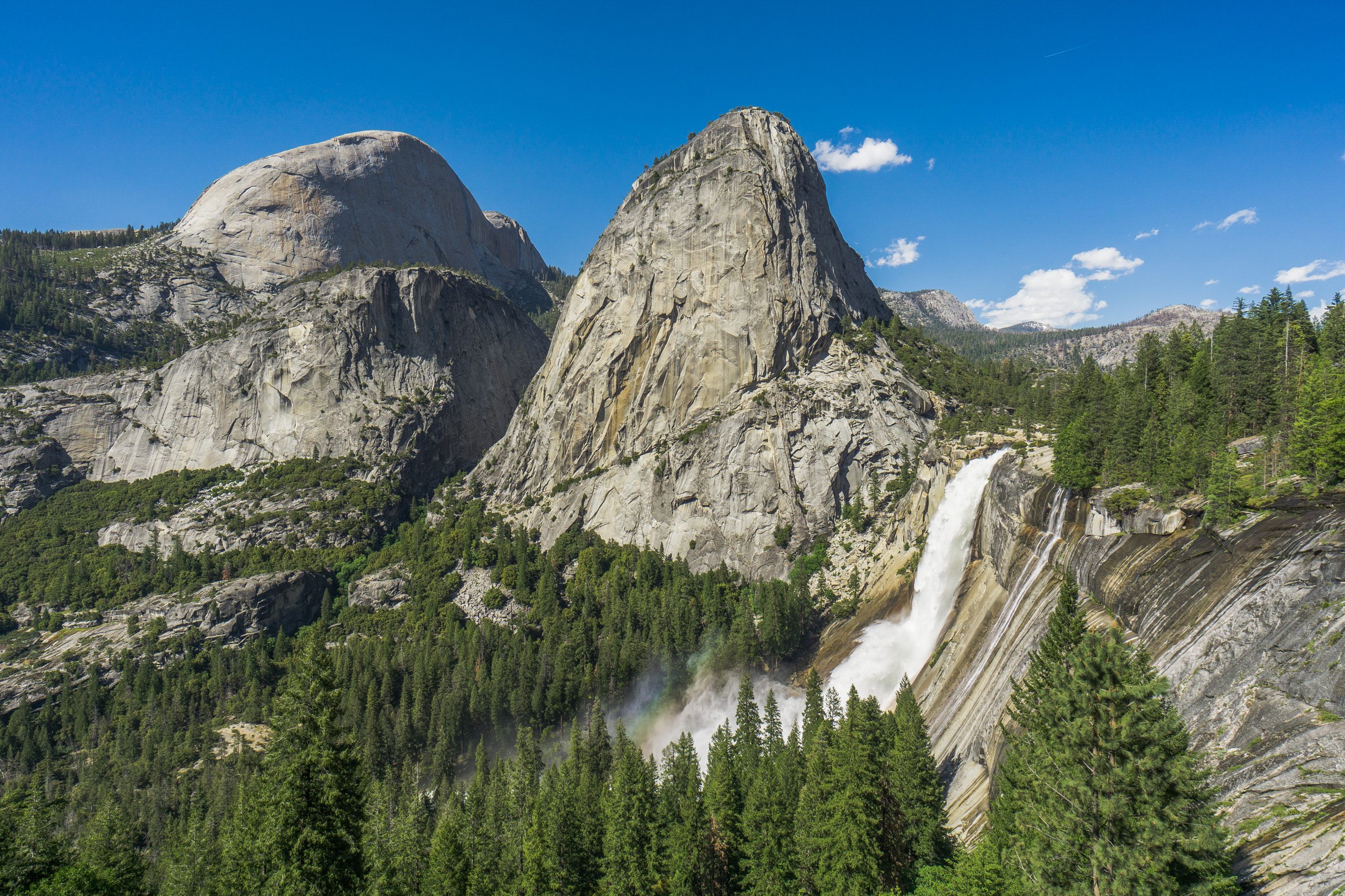
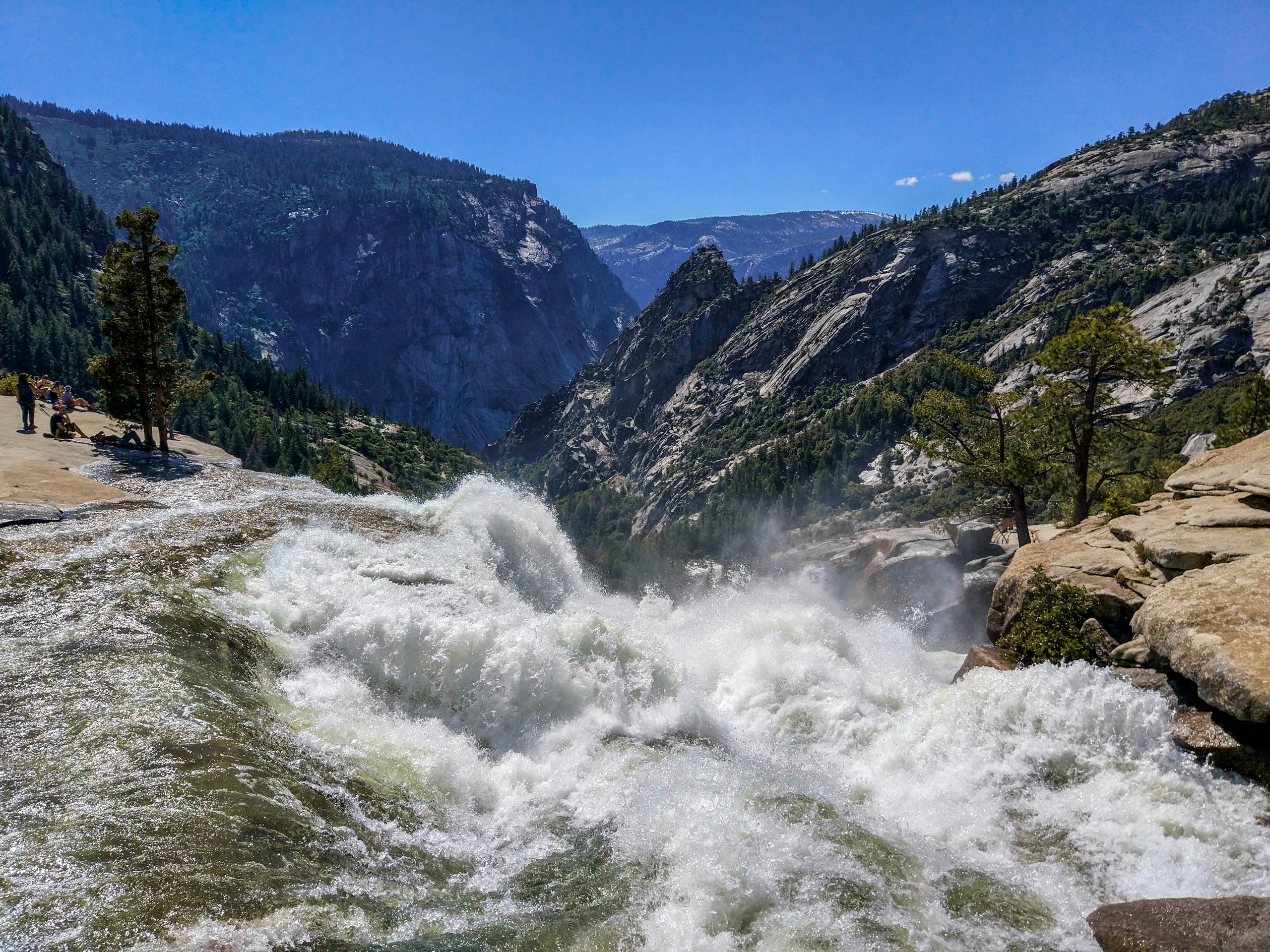
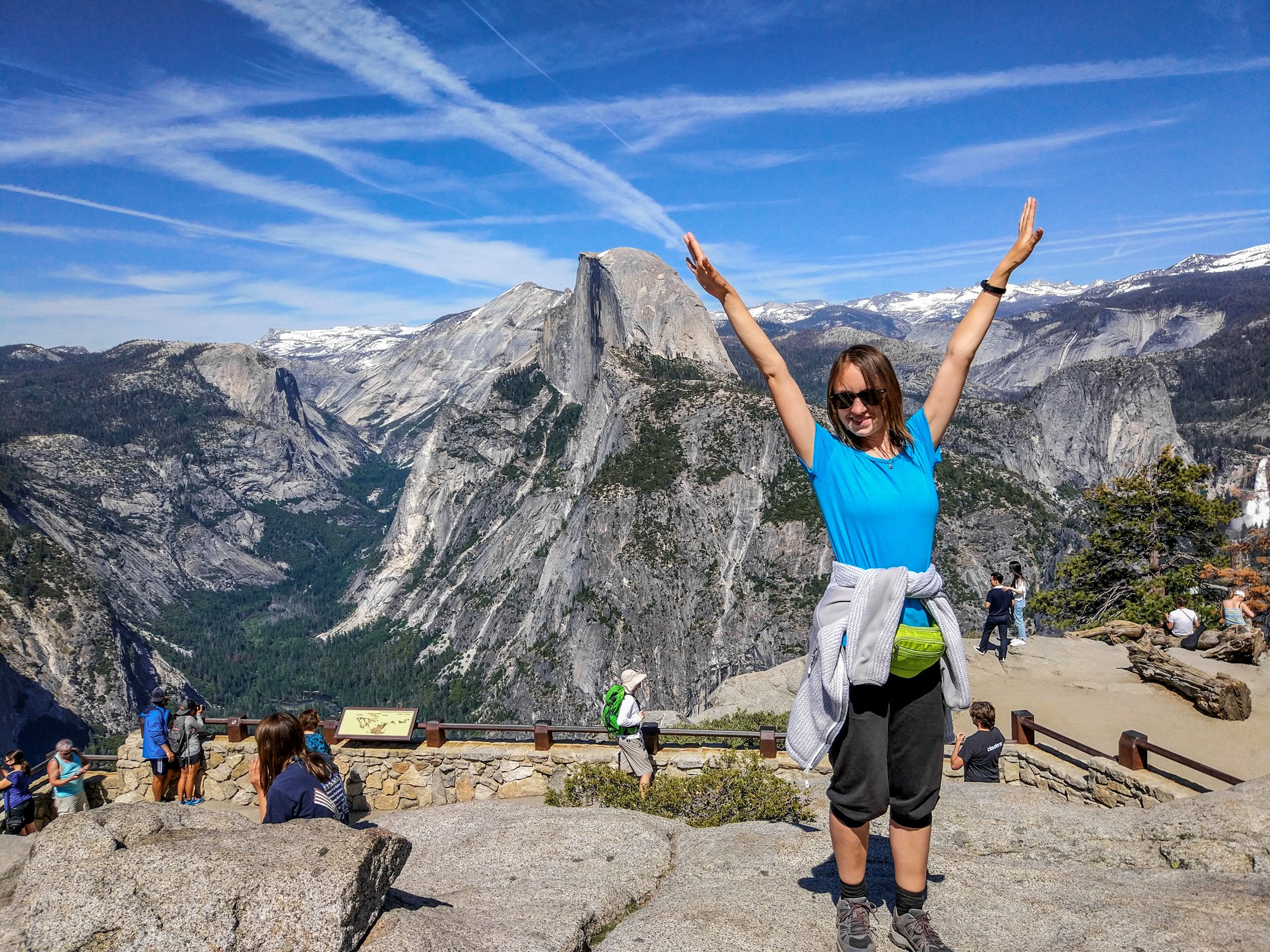
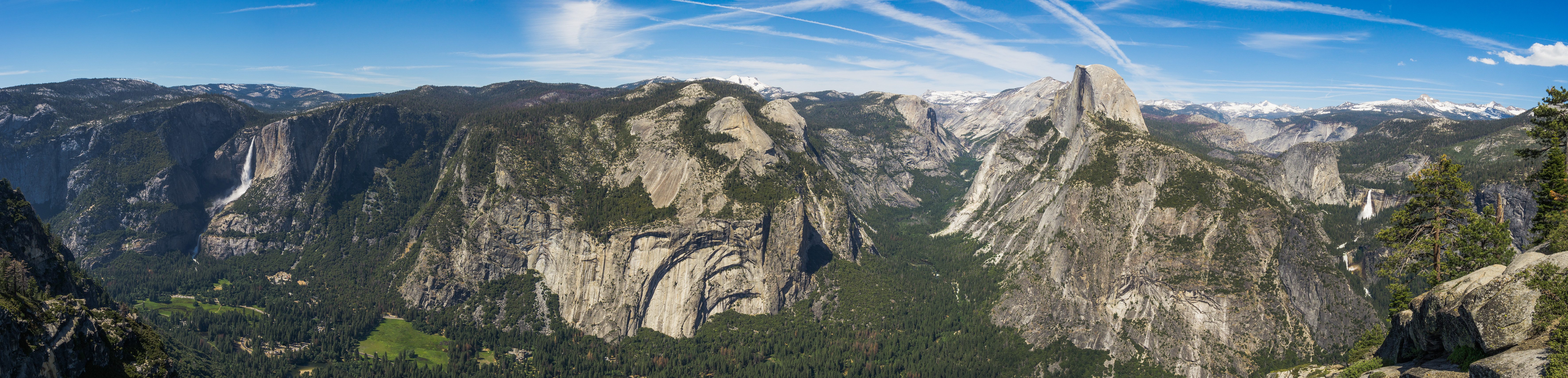
Another popular and amazing place in Yosemite is the Glacier Point overlook, which offers a panorama of the glaciers of the Sierra Nevada, including the granite rock of Half Dome.
You can get to Glacier Point by tour bus (for 2026, a round-trip ticket costs $72.50, one-way — $28.50) or by car (about an hour's drive from Yosemite Valley). But we weren't looking for the easy way, so we decided to go there on foot along one of the park's many scenic trails — the Four Mile Trail. Despite its name, it is about 5 miles (8 km) long one way.
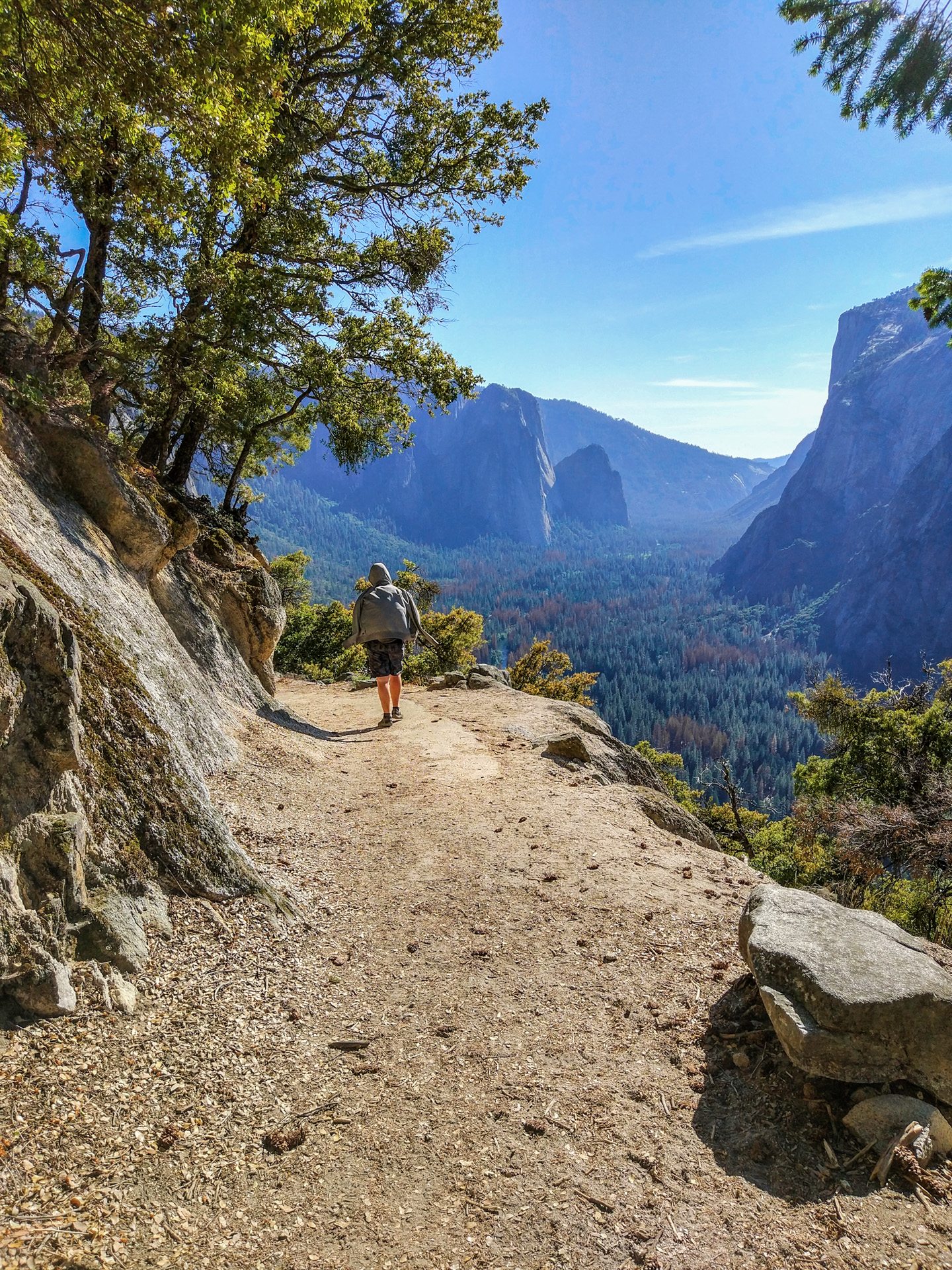
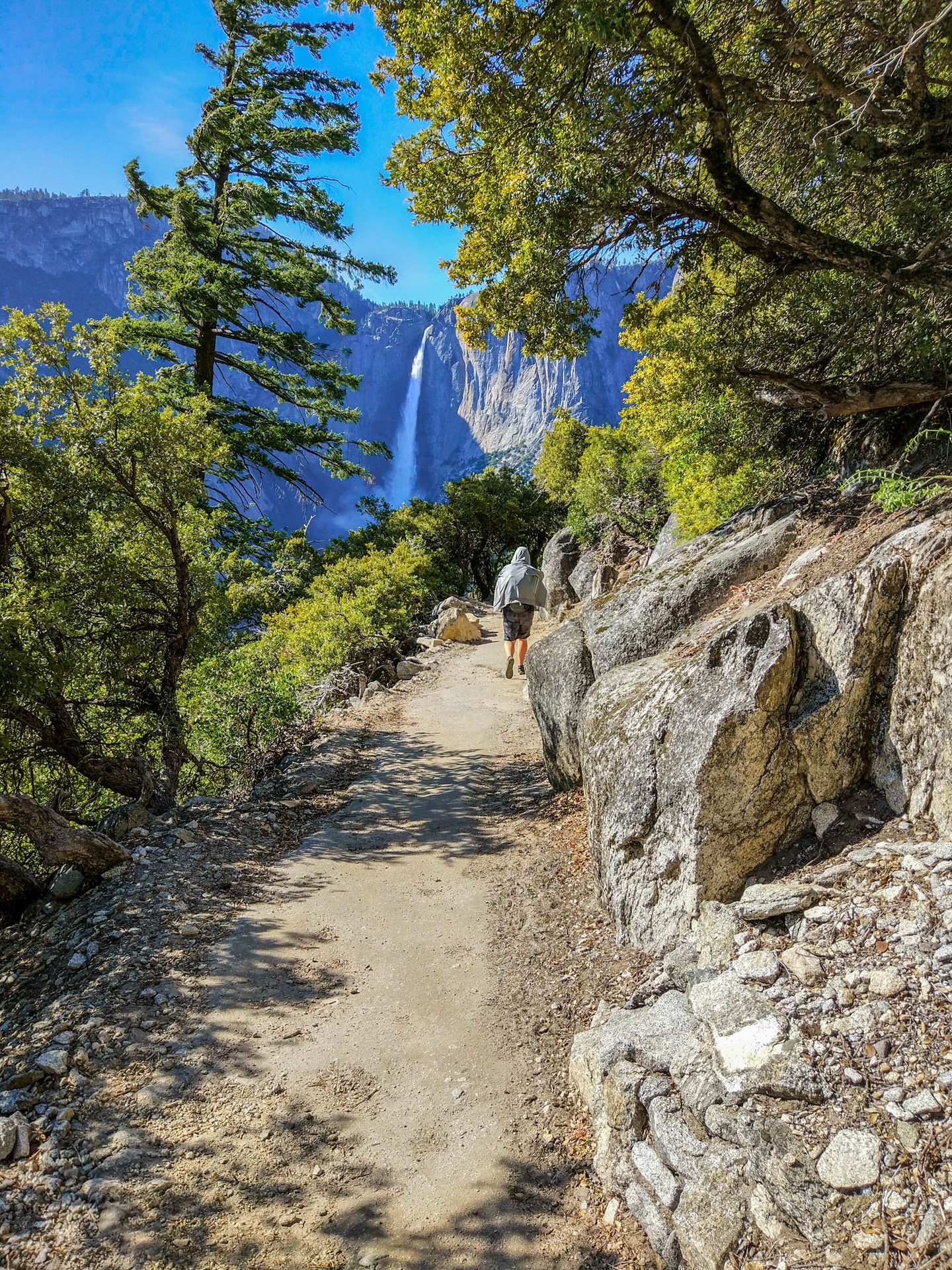
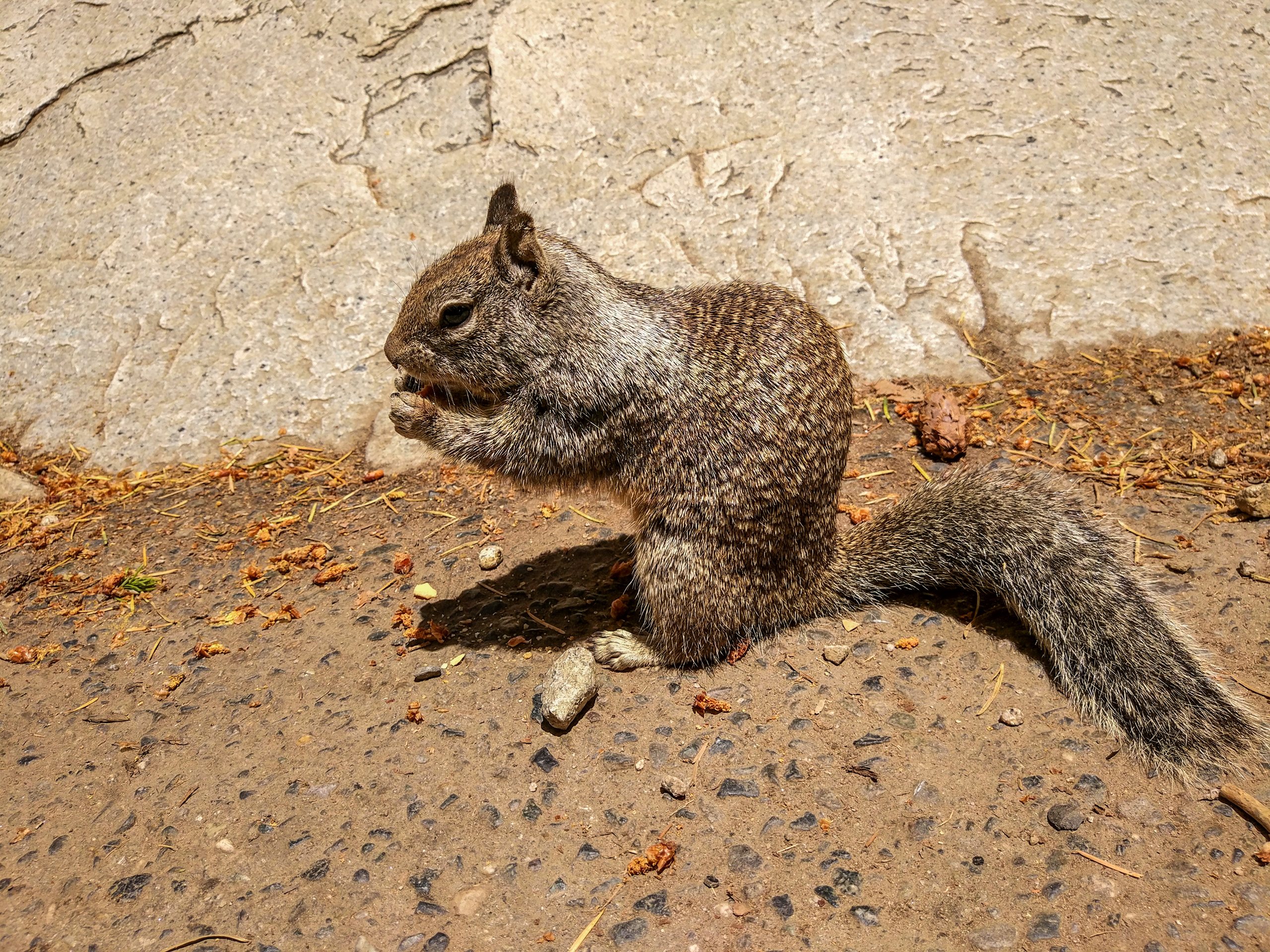
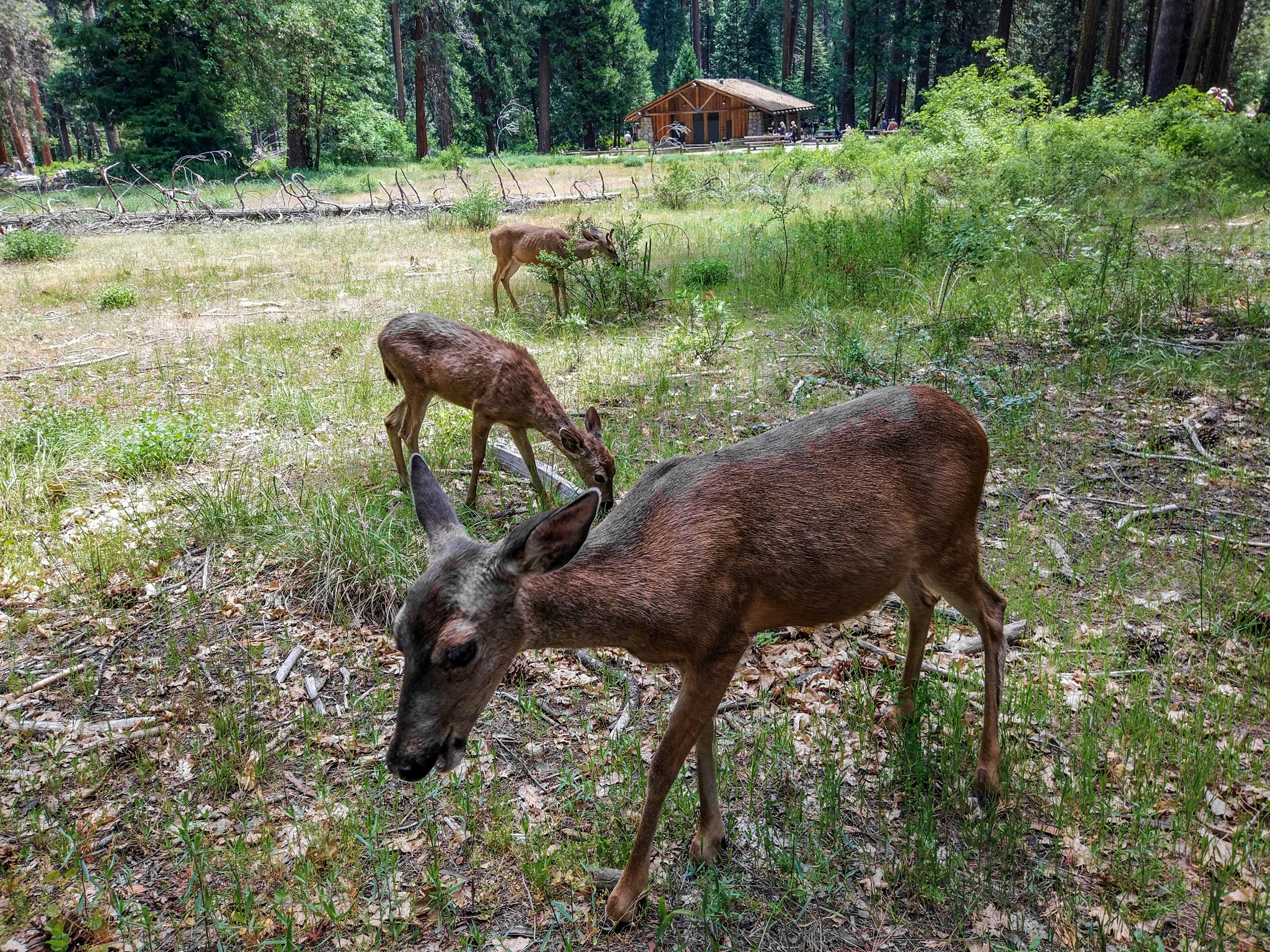
Walking the park's hiking trails is a pure pleasure. And that's not only thanks to the incredible scenery but also because of the funny animals you can meet along the way. Not all of them are so harmless, though: there are bears here too. Be careful: for your own safety and the safety of any critter you come across, do not interact with it or feed it.
To sum up, I want to repeat that Yosemite National Park is one of the most scenic parks in the USA. Whichever route you choose, in any part of the park you will be amazed by its breathtaking beauty.
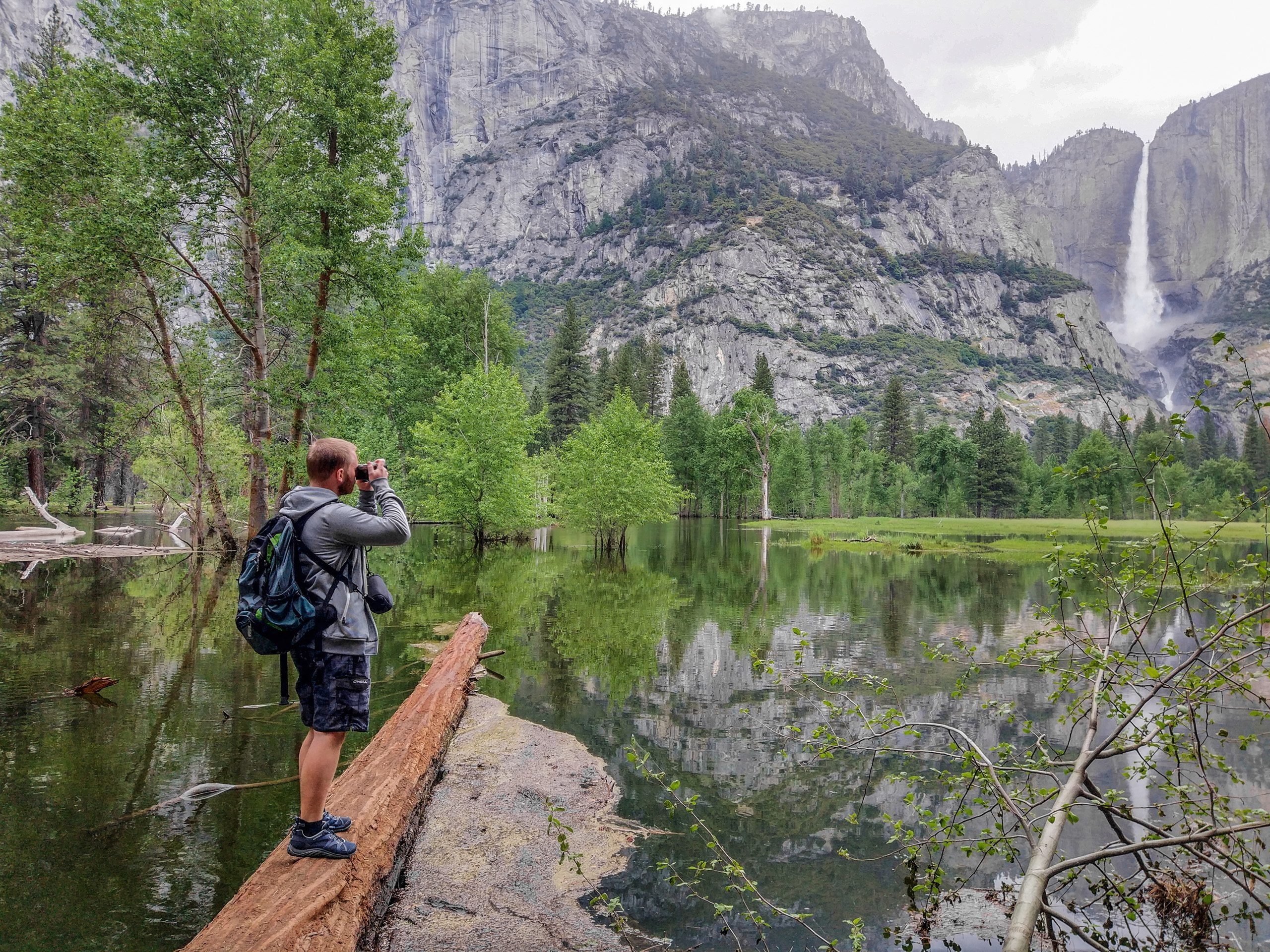
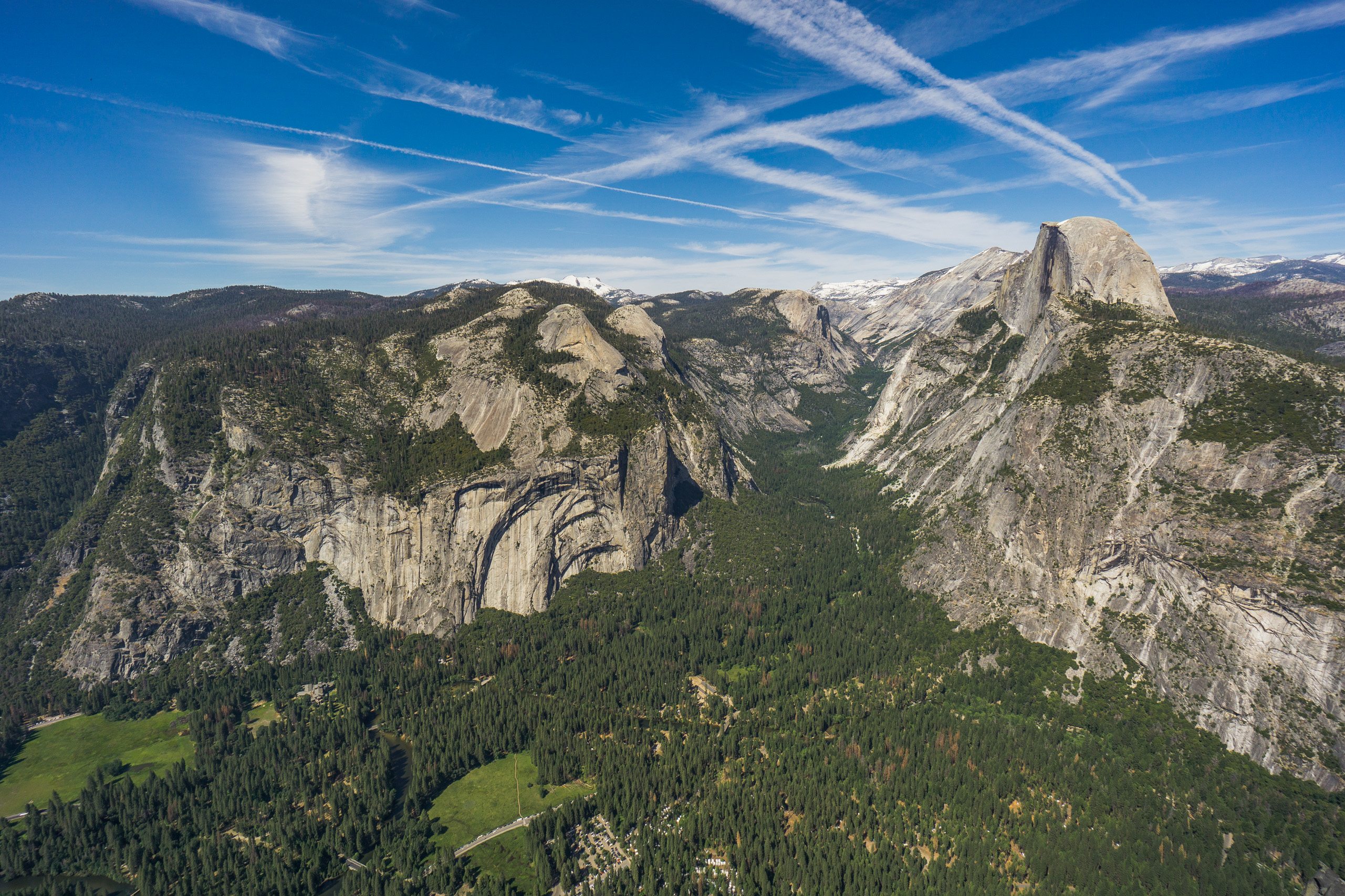
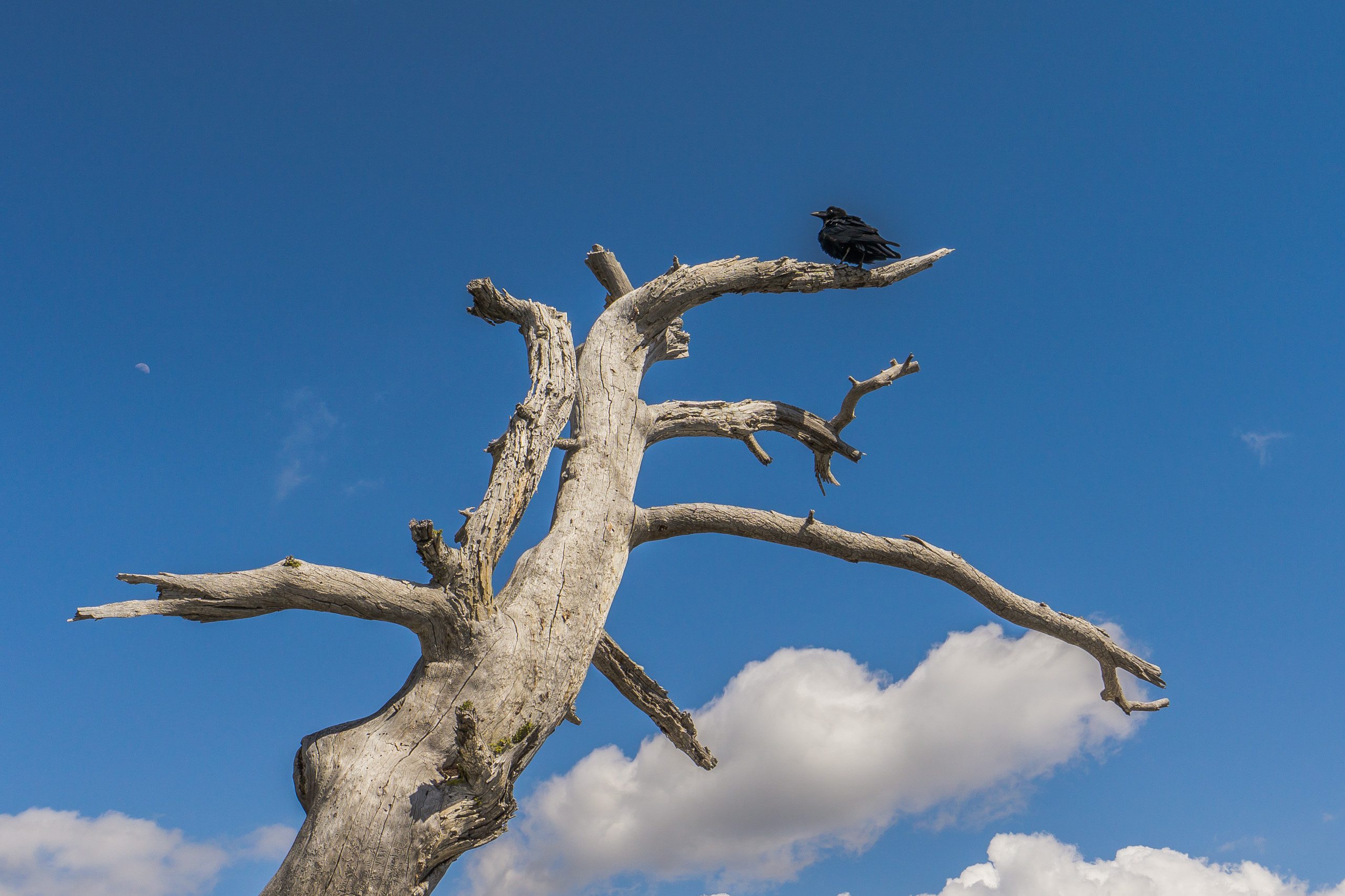
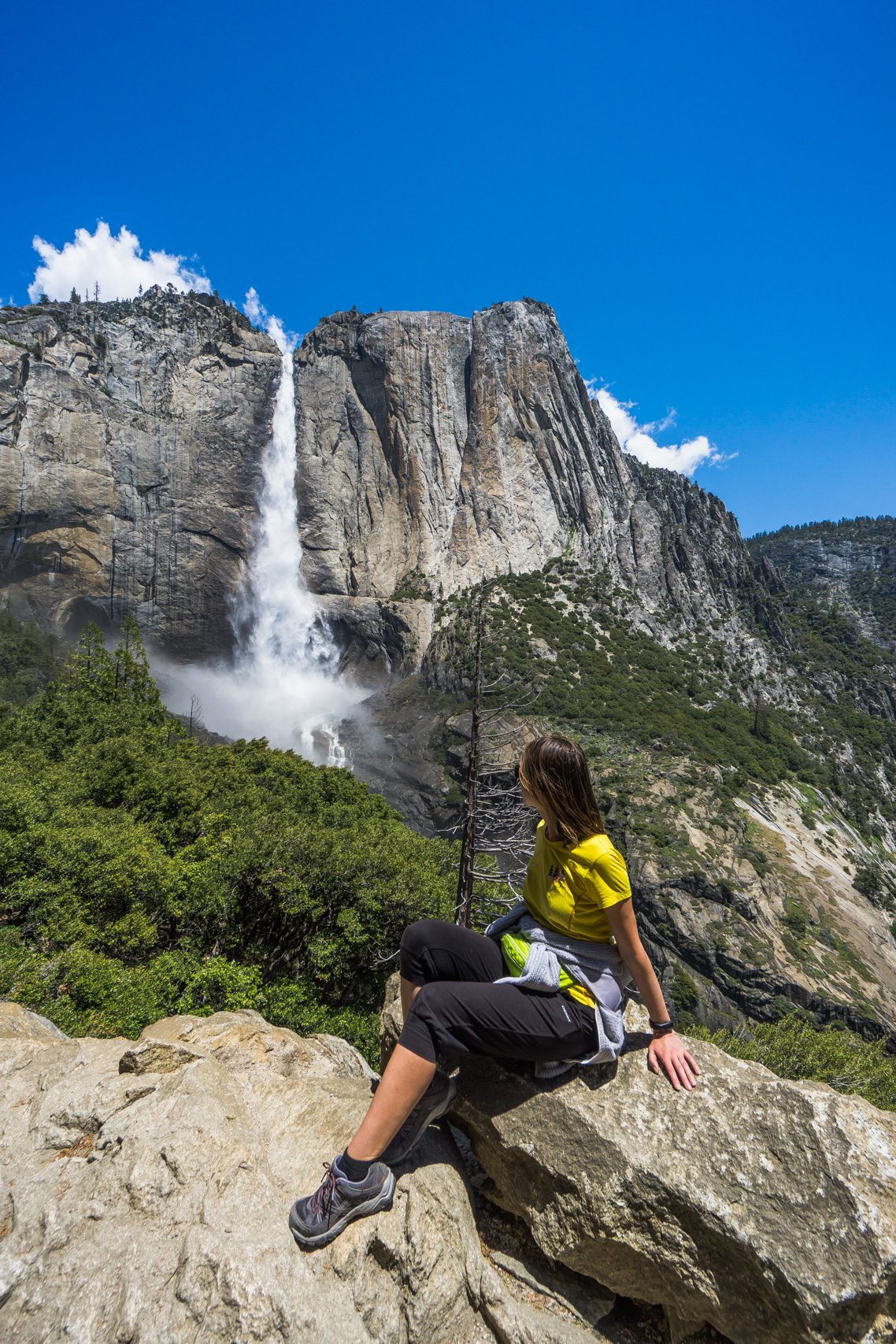
And interestingly, wilderness and civilization go well together here: literally every blade of grass is protected from being trampled, and numerous paths let people get around the park comfortably, even in wheelchairs.
Where to stay in Yosemite
Yosemite National Park has 13 campgrounds. They have restrooms, drinking water, picnic tables, fire pits with barbecue grates, and metal lockers for storing food and scented items so that bears can't get to them. From roughly April to October, sites at all campgrounds must be reserved in advance, while in late fall, winter, and early spring three campgrounds operate on a first-come, first-served basis. The cost of a site (for one tent and one car) for 2026 is from $24 to $36.
The most popular of them is Camp 4, and it is popular because it is the center of the development of rock climbing as a sport. Next to the camp there are several boulders where climbers train all the time.
The campground is open year-round. In 2026, from April 15 to November 29, sites can only be reserved on Recreation.gov a week before arrival; the rest of the time there is a line on a first-come, first-served basis. The cost of a site (for 2026) is $10 per person per night.
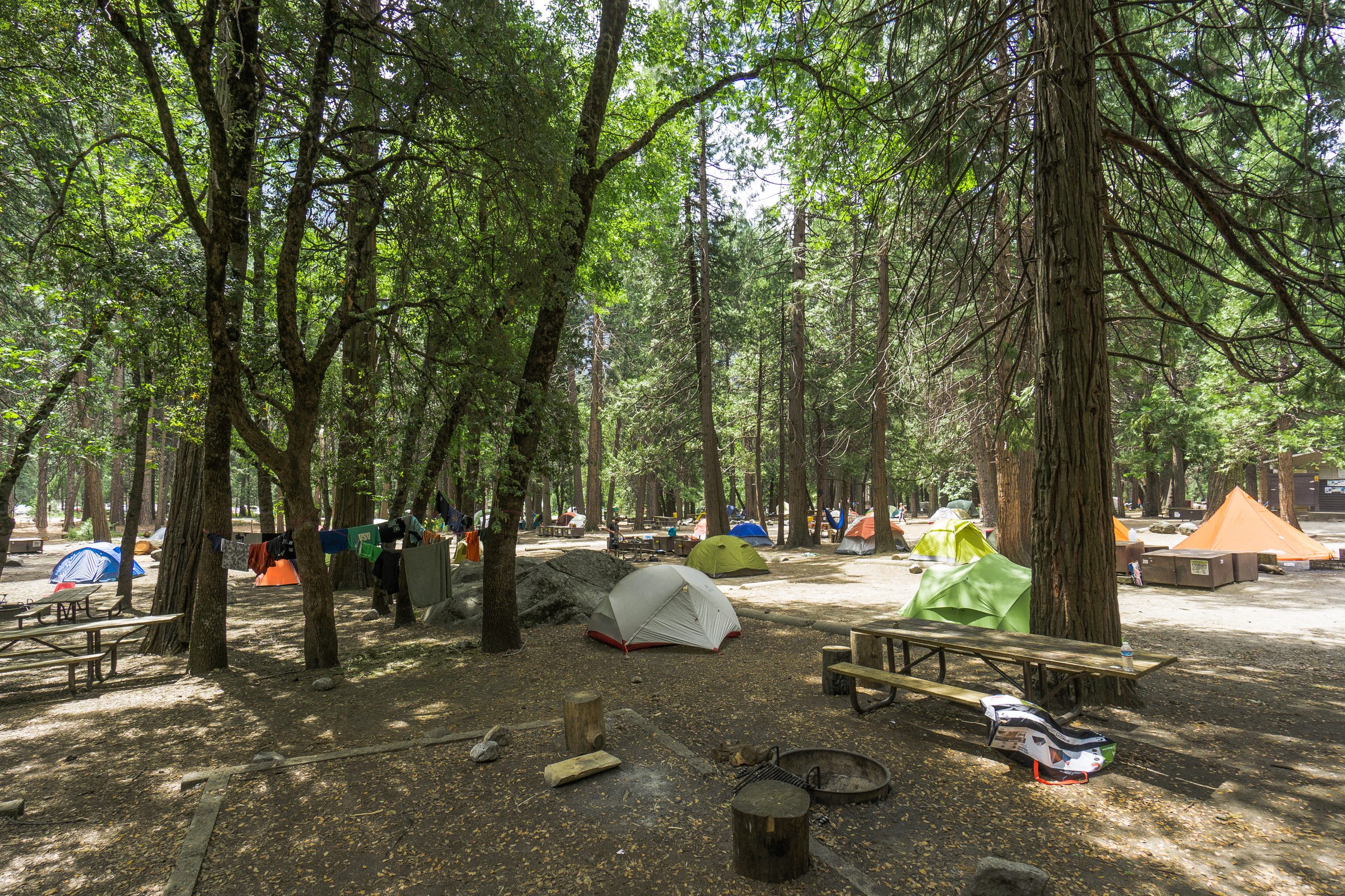
Paid showers are available only in Yosemite Valley, at Curry Village. There are grocery stores in Yosemite Valley, Wawona, Crane Flat, and El Portal.
Have a good trip around Yosemite!
Comments
Thank you! Your comment has been sent and will appear after moderation.