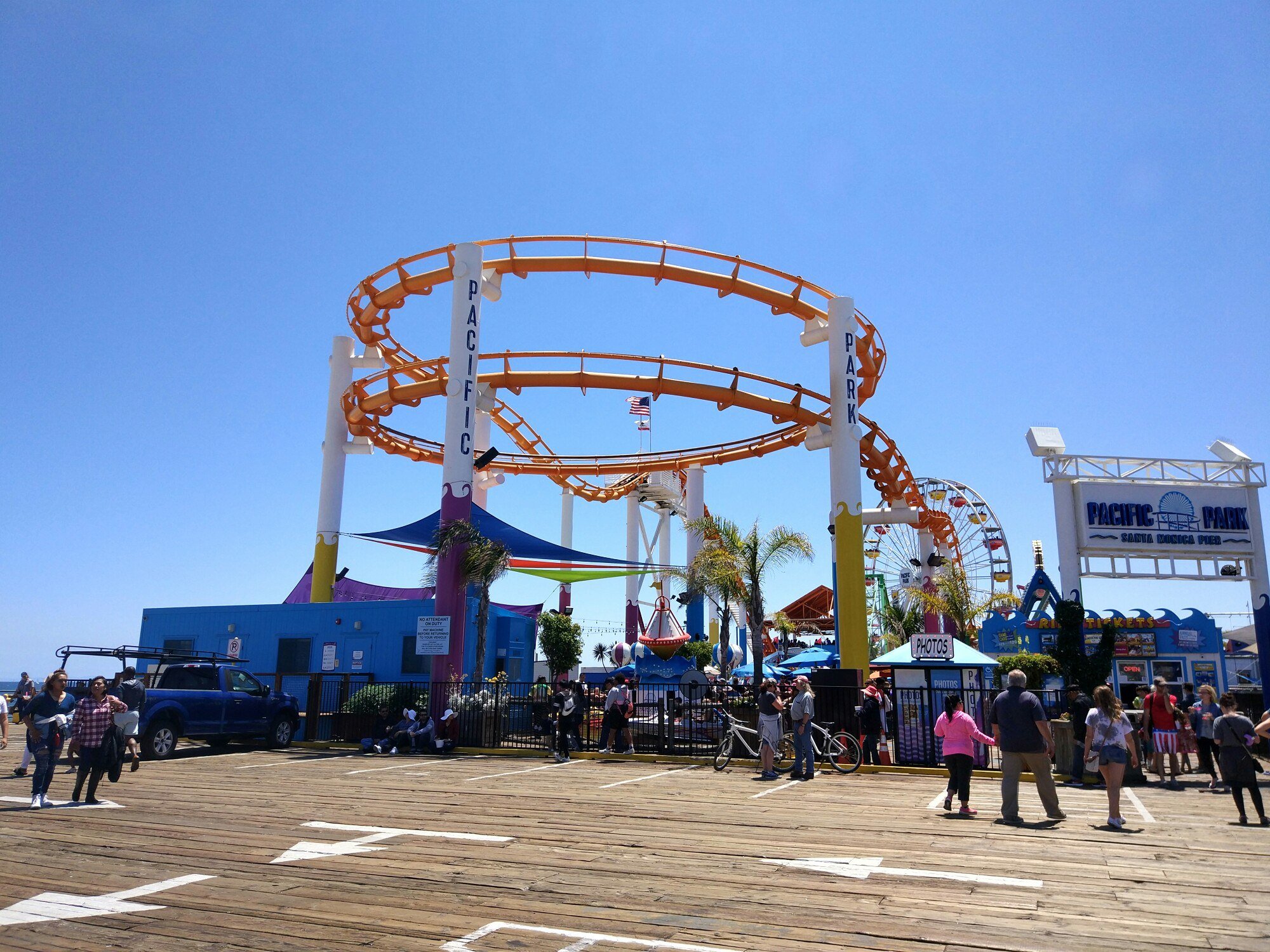
Los Angeles twice: our first week in the USA and a day before leaving
Our trip across the States began in Los Angeles in May 2017, and at the end of September we found ourselves there again. The first week we were getting used to the city, and four months later we drove through it in one day to see what we hadn't managed to see the first time.
The first days
At passport control we were given six months, the usual period. The border officer laughed at our plans: traveling around America on as tight a budget as we had in mind seemed like too much to him.
We rented a car for three days right away. We chose the cheapest one, and in 2017 it came to 43 dollars a day: 18 for the car, 15 for insurance, which we hadn't thought about at first, plus taxes. We turned down an upgrade for 9 dollars a day. They promised to try to give it to us for free and in the end handed us a brand-new 2017 Toyota with only 3000 miles on it. Pavel was absolutely thrilled with it.
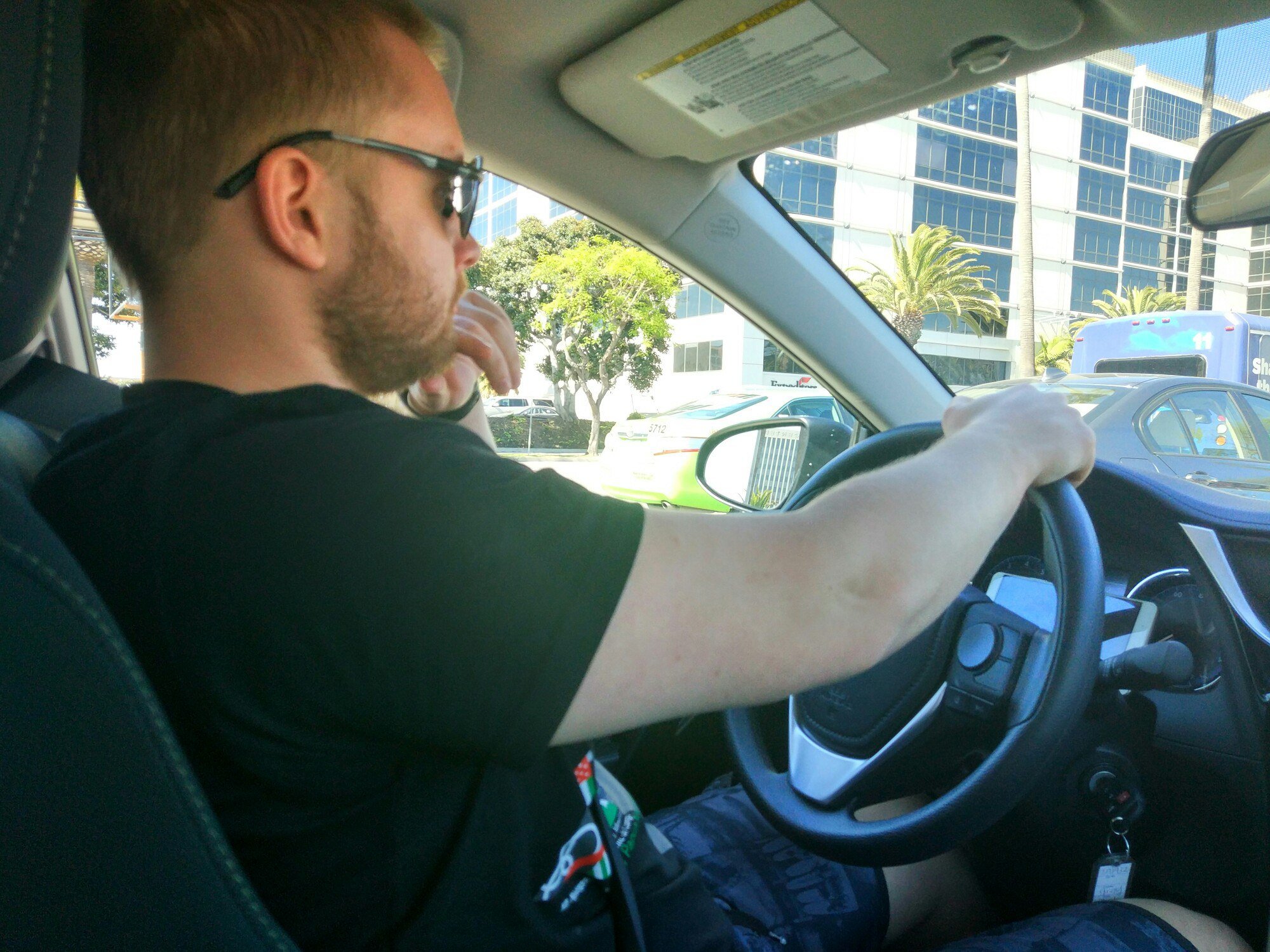
Parking in Los Angeles is tough. On the second day Pavel spent almost an hour looking for a spot, and by eight in the morning the car already had to be moved. Parking lots are paid: a night in 2017 cost, it seems, 15 dollars, so we parked on the street. Along our street, cars sat in the middle of the road with their hazard lights on: their drivers were waiting for a spot to open up at the curb. We waited like that too, for about forty minutes, but then we got a spot right by our front door. The drivers here, as Pavel felt, are calm, and with his two days of driving experience the strangest one on the road seemed to be him.
Housing in America is expensive: from 60 dollars, at best you can find something for 50. We arranged to stay with a Russian guy for just 20, at 2017 prices. It took us several days to adjust to the time difference: we woke up at four in the morning, then at six, and by six or seven in the evening we would simply switch off. We tried to hold out at least until ten or eleven.
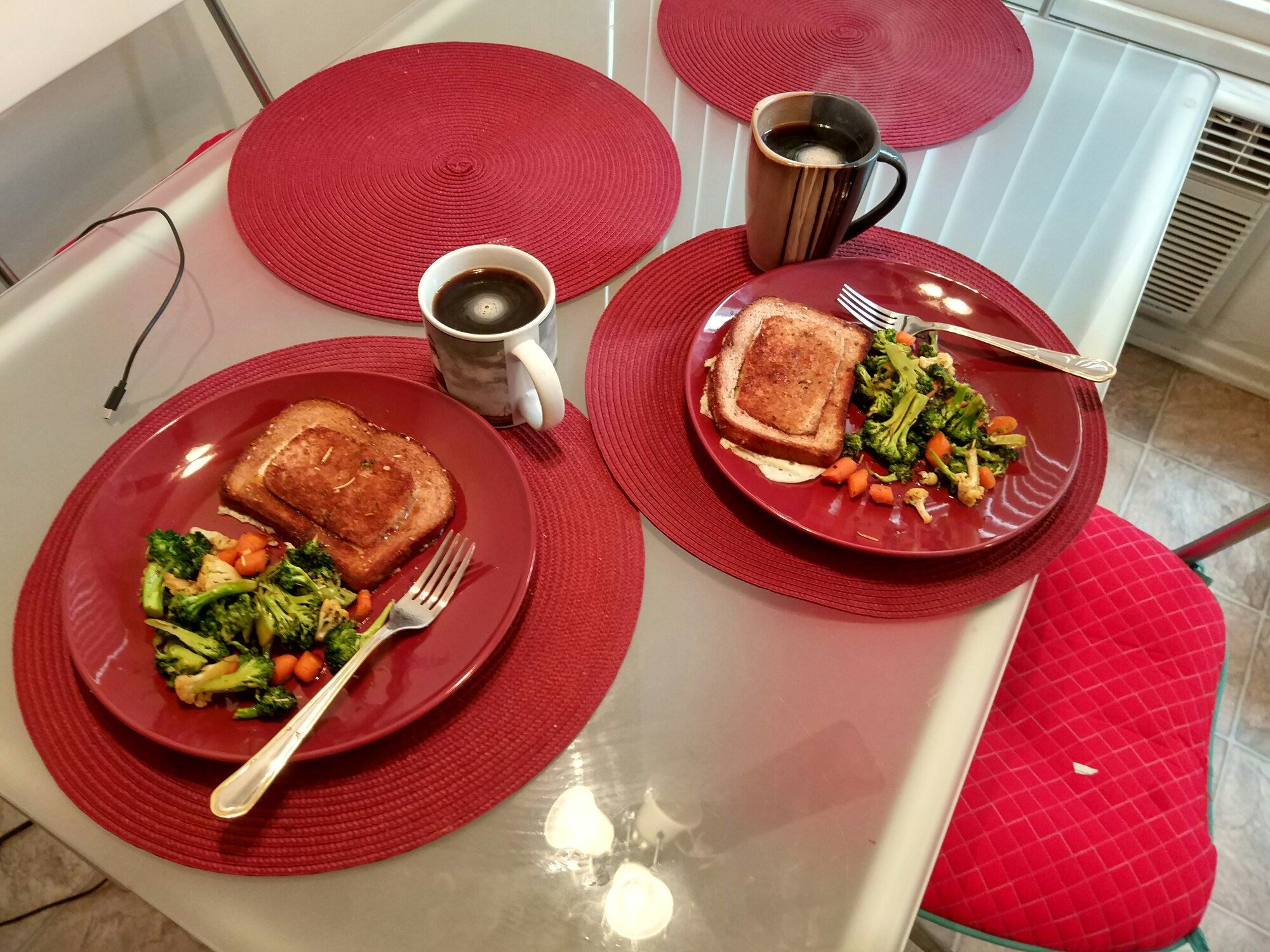
Since there was a kitchen, we cooked for ourselves. In 2017 we bought 17 dollars' worth of groceries and were already eating them on the third day, while one breakfast at McDonald's cost us 7 dollars, also in 2017, even though we got one portion for the two of us. Our host had a whole stash of Russian spices: somewhere in the city there is a store with Russian food, and it even sells buckwheat.
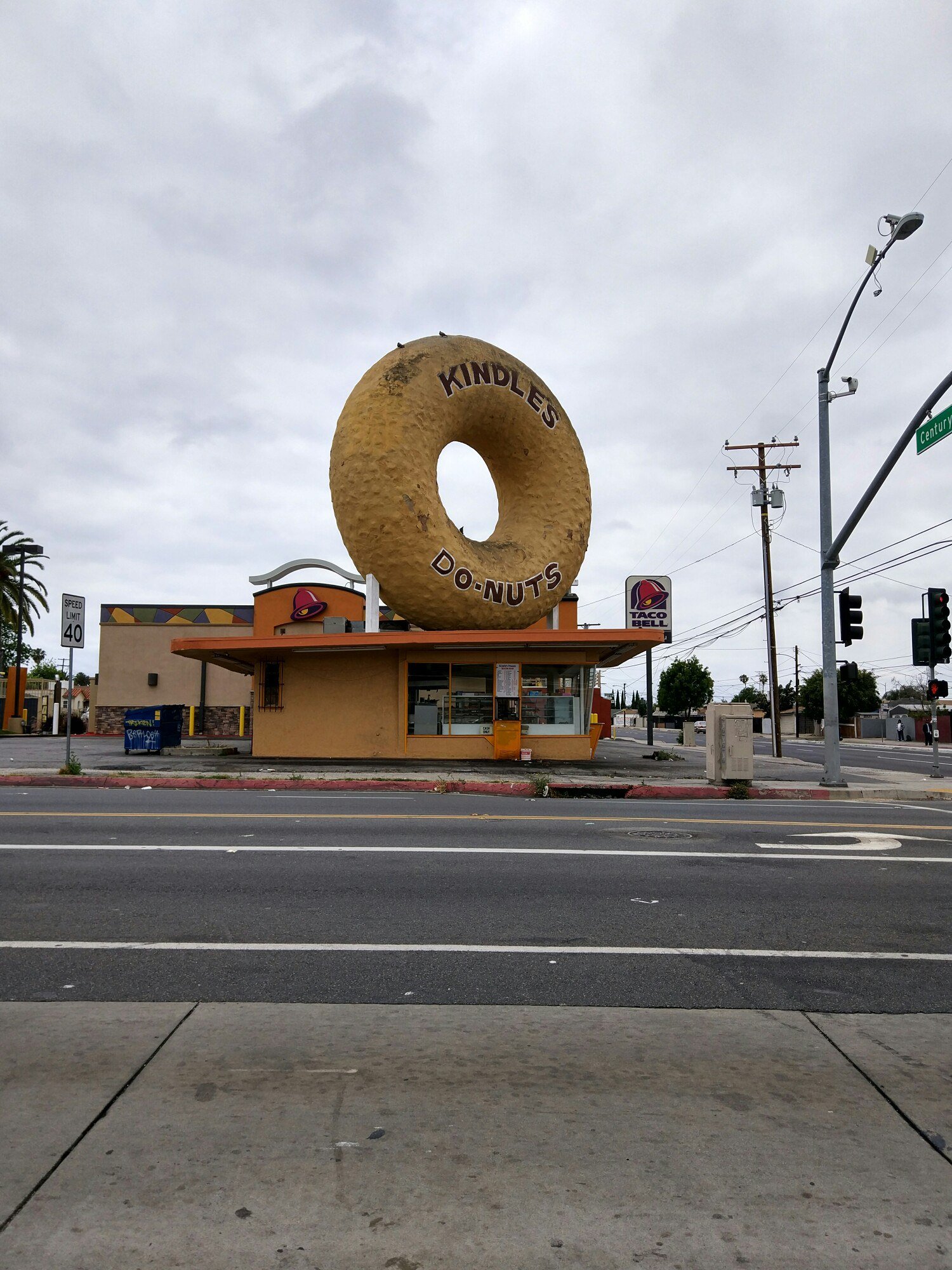
Along the way we looked at the local houses, and once we came across a giant donut.
Beaches
On Saturday we drove to the beaches. The first was Zuma Beach: we wanted to swim, but the water turned out to be very cold. We still took a dip.
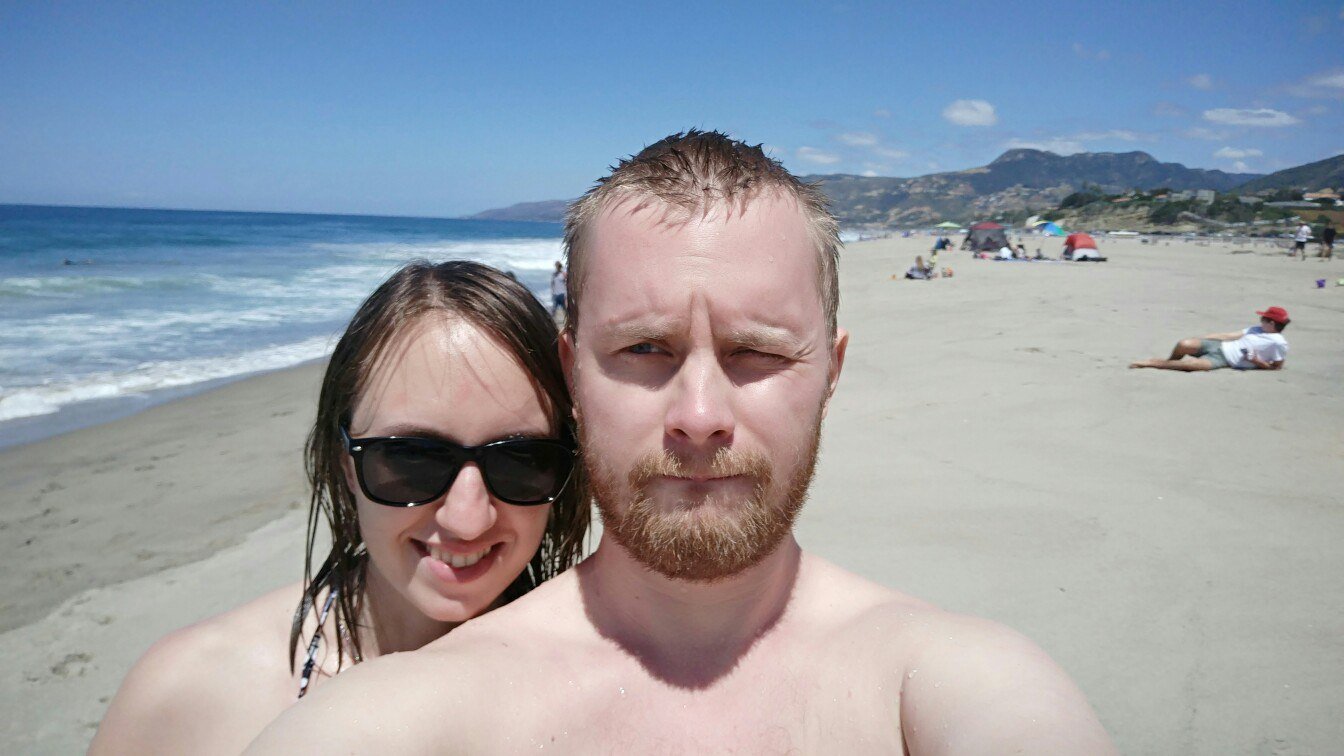
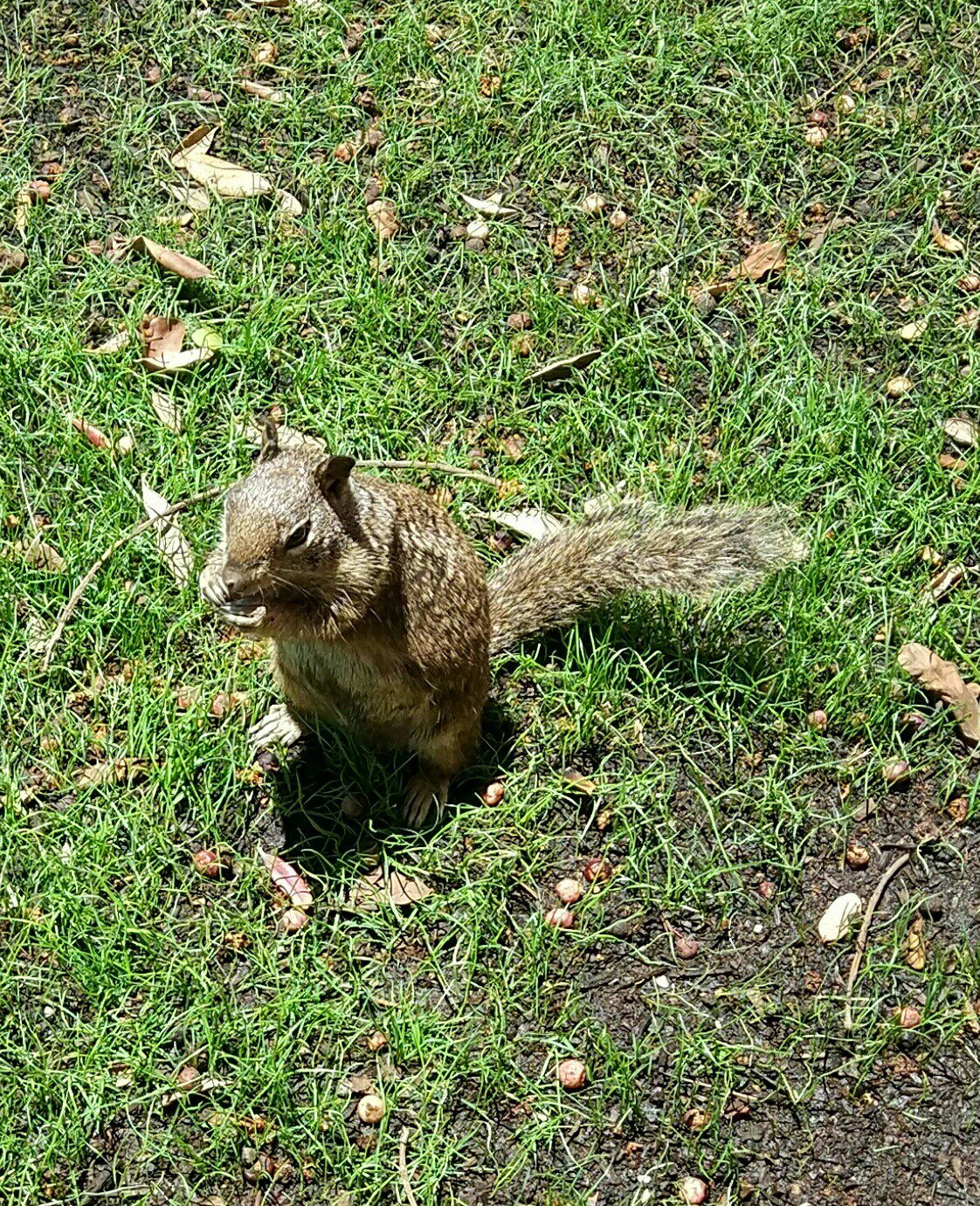
Then we walked around Santa Monica. It turned out to be a real squirrel paradise.
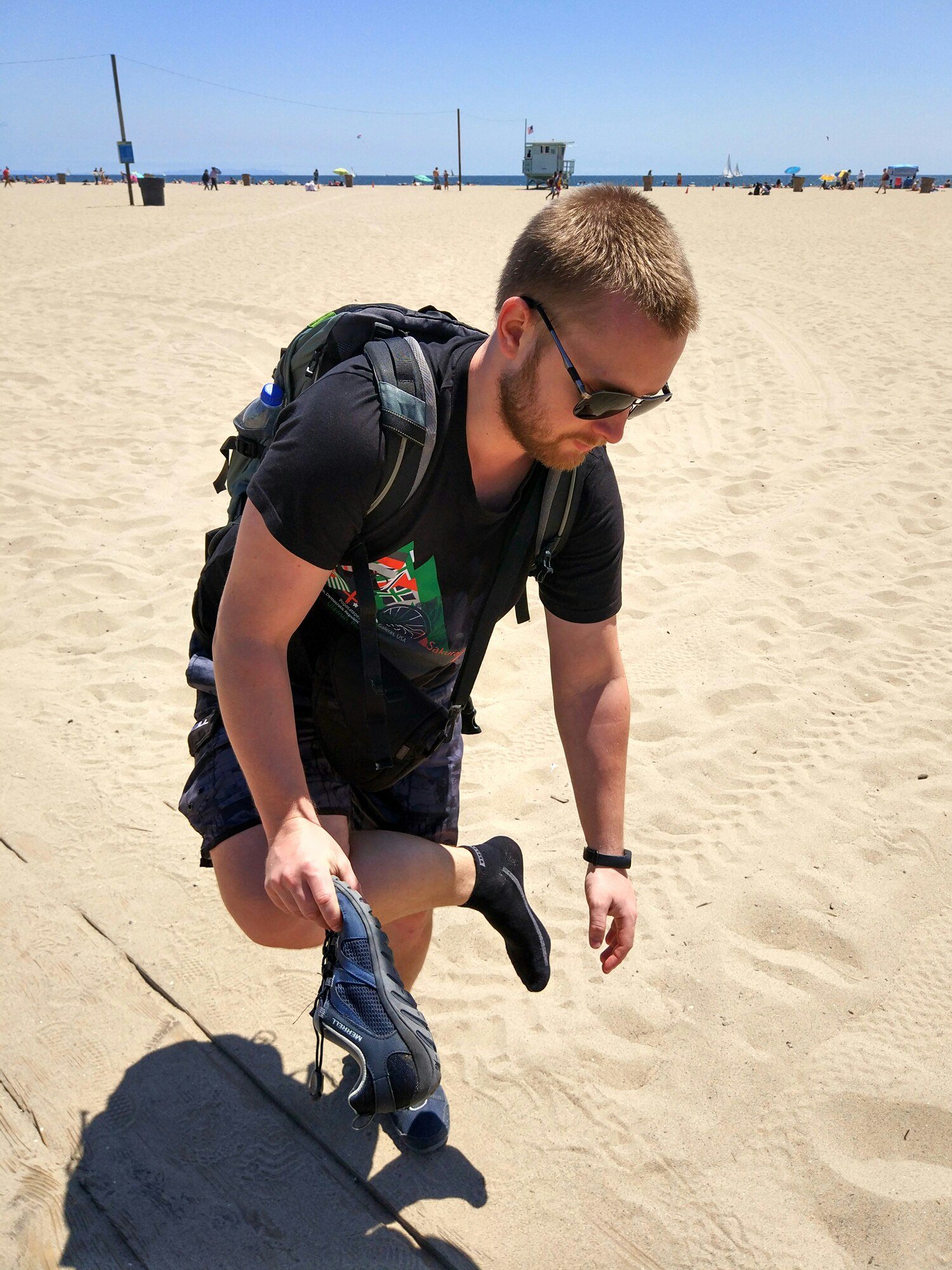
There is an amusement park on the pier, along the beach people sell paintings, drawings, and souvenirs, there are performances, and street musicians play, and many of them are good. People do sports here: tennis, volleyball, basketball, parallel bars, exercise machines, bikes. It was hot, but a cold wind was blowing.
Even the parking lot there turned out to be high-tech: if you lose your car, you enter its license plate number, and the screen shows a photo of the spot where it is parked and a map. From where we were staying to the beaches it was about thirty minutes by car.
Cheap stores
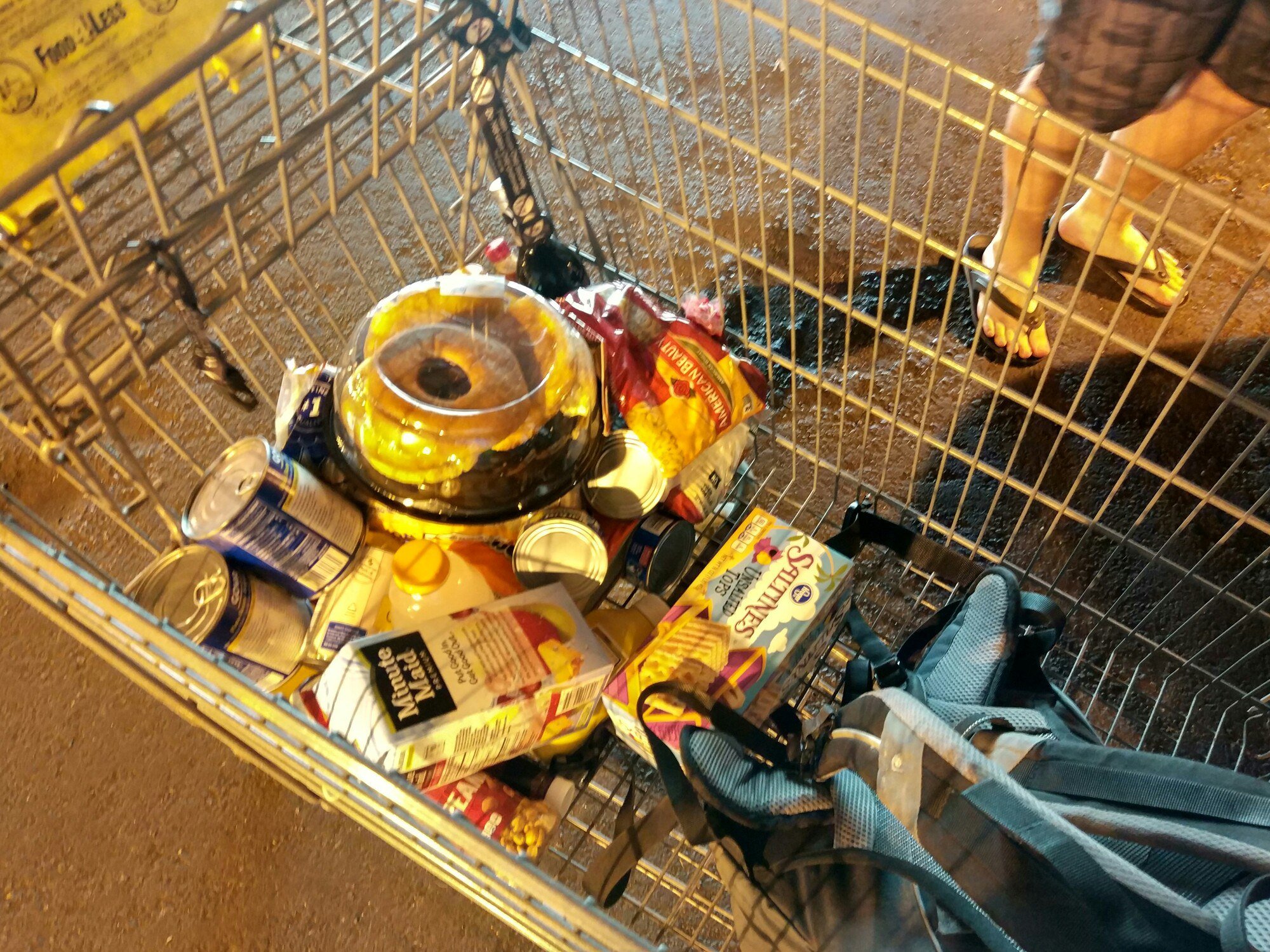
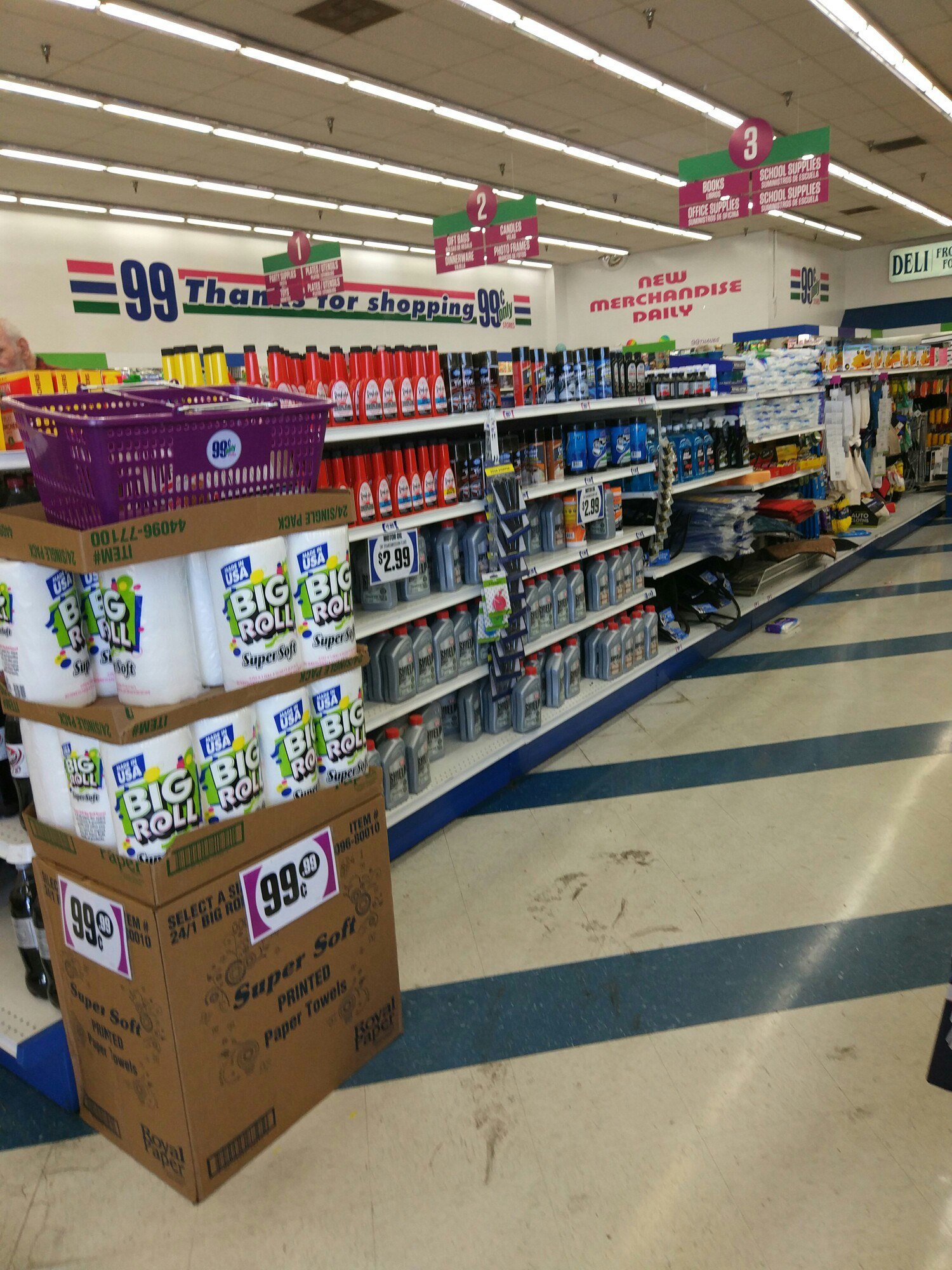
On Sunday it was crowded everywhere and parking cost money, so we just made the rounds of the cheap stores and stocked up on food that wouldn't spoil on the road and other useful things. Food4Less is an ordinary grocery supermarket with relatively low prices. The next day the US was observing Memorial Day, a day to remember fallen service members, and the stores had sales. We filled a cart for 33 dollars, at 2017 prices, and everything was discounted or on special. We also stopped at the stores where everything costs a dollar, like our Fix Price.
We also saw an Orthodox church.
On Tuesday, May 30, we moved on to Sequoia National Park, and on the way we planned to stop in Bakersfield to get a pass to all the national parks.
Four months later
At the end of September we got close to Los Angeles again and decided to drive through it in one day. That way we crossed the States for the second time, swam in the ocean, and visited Hollywood.
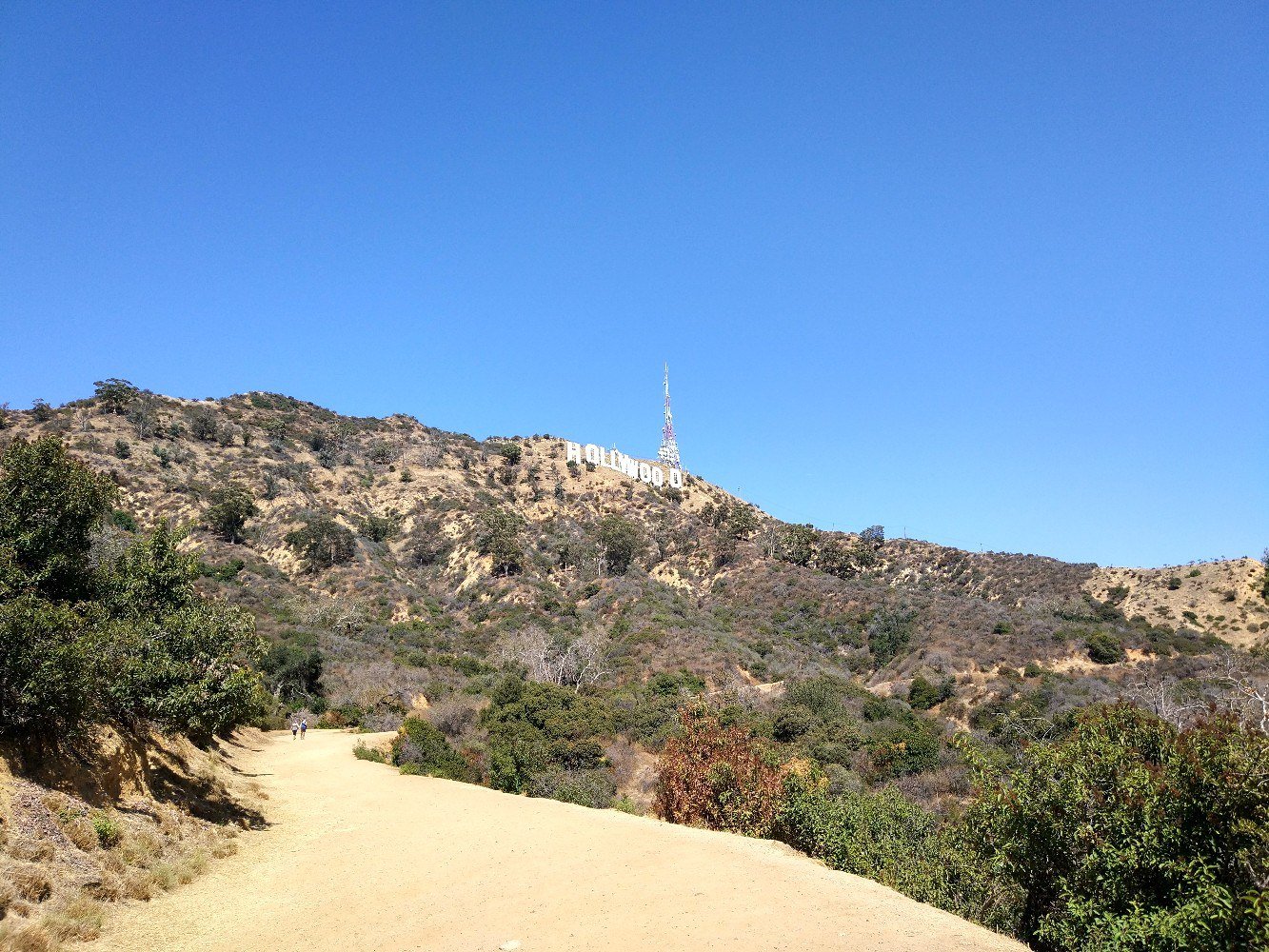
The famous sign originally read Hollywoodland: it was put up in 1923 as an advertisement for a new residential development in the hills and was expected to stand for about a year and a half. But the film industry in Los Angeles grew, the sign became its symbol, and it was left in place.
The Walk of Fame is the sidewalks along fifteen blocks of Hollywood Boulevard and three blocks of Vine Street. The first eight stars, the ones it all started with, were chosen at random and laid all at once, as a sample. Under the name on each star there is a small category emblem; back then we counted five of them: film, television, radio, theater, and music.
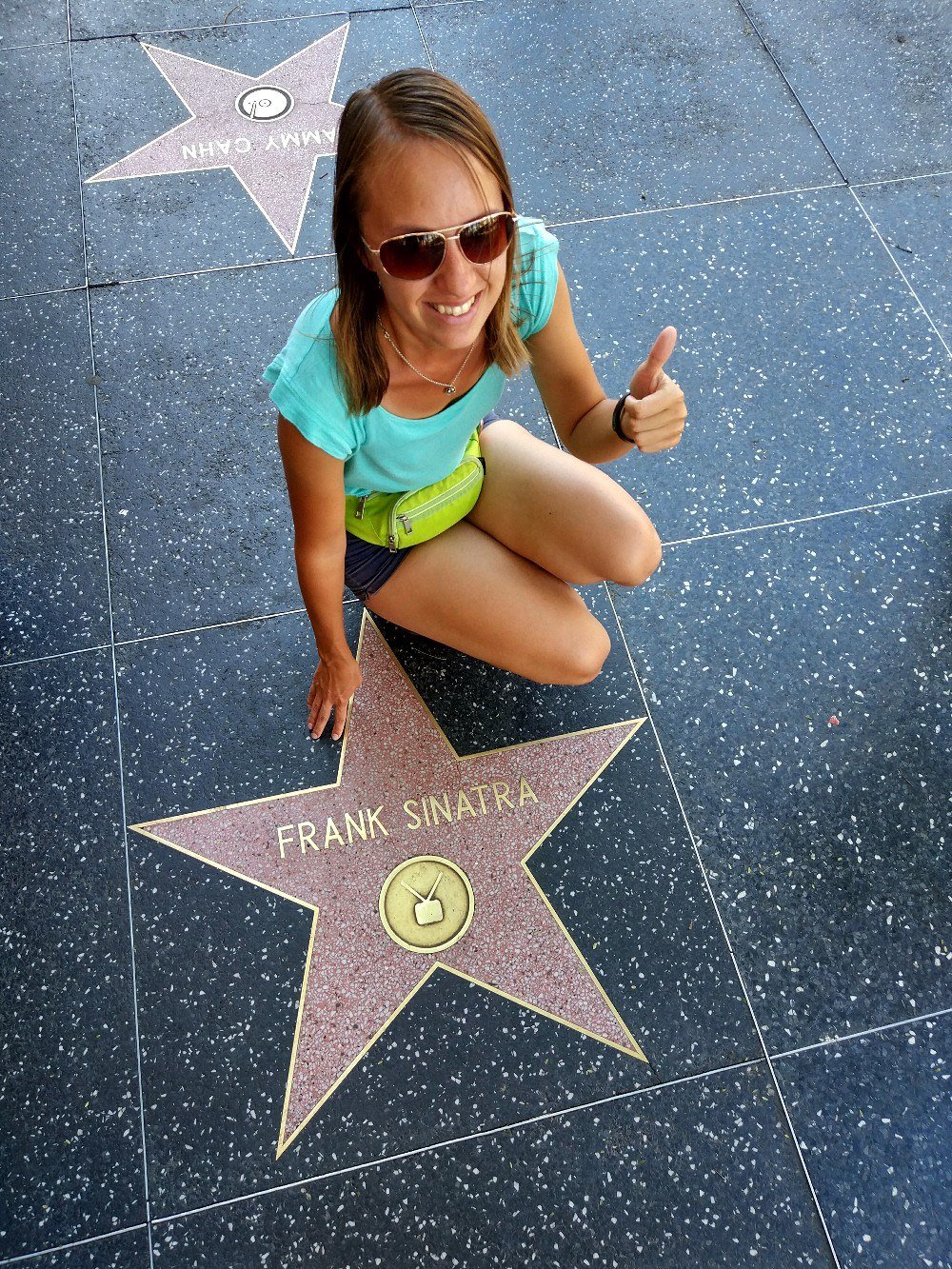
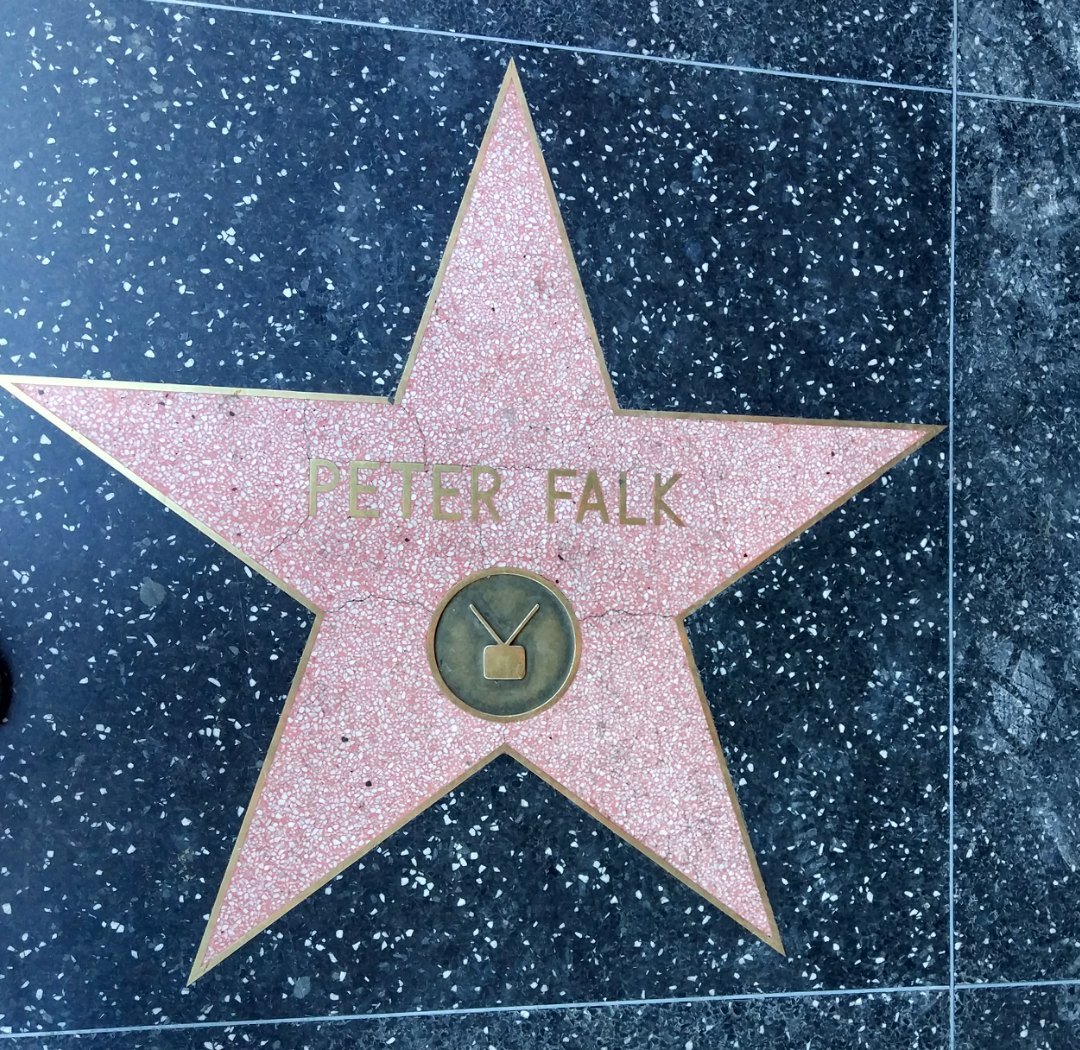
At first the only familiar name we came across was Jackie Chan's star, then Sinatra's, and after that famous names came one after another. We even found the star of the actor who played Lieutenant Columbo.
We stopped at a rest area past Santa Barbara.
Comments
Thank you! Your comment has been sent and will appear after moderation.