India
India is the largest country in South Asia. It ranks seventh in the world by area, and by population size, according to UN estimates, it has been first since 2023. The main languages are Hindi and English, but the constitution officially recognizes 21 languages, and Indians speak more than 400 different languages and 2000 dialects. India is a secular state and is tolerant of all beliefs; nevertheless, the majority of the population (80%) practices Hinduism. The currency is the Indian rupee; the exchange rate against the $ in 2016 was 63 INR to 1 USD. India is rich in history and culture, so there are many architectural sights here. It is not lacking in natural beauty either: the natural conditions in this country are very diverse. Local time is 2.5 hours ahead of Moscow time, and it is the same across the whole country. As usual, we will give our rating for each of the main aspects of this country.
People 4/5
During the 3 months we spent in India, we got to talk with all kinds of people in this colorful country. Many of them are friendly, kind, honest people, but we also met unpleasant, sly ones who were out to cheat us and squeeze out as much money as possible.
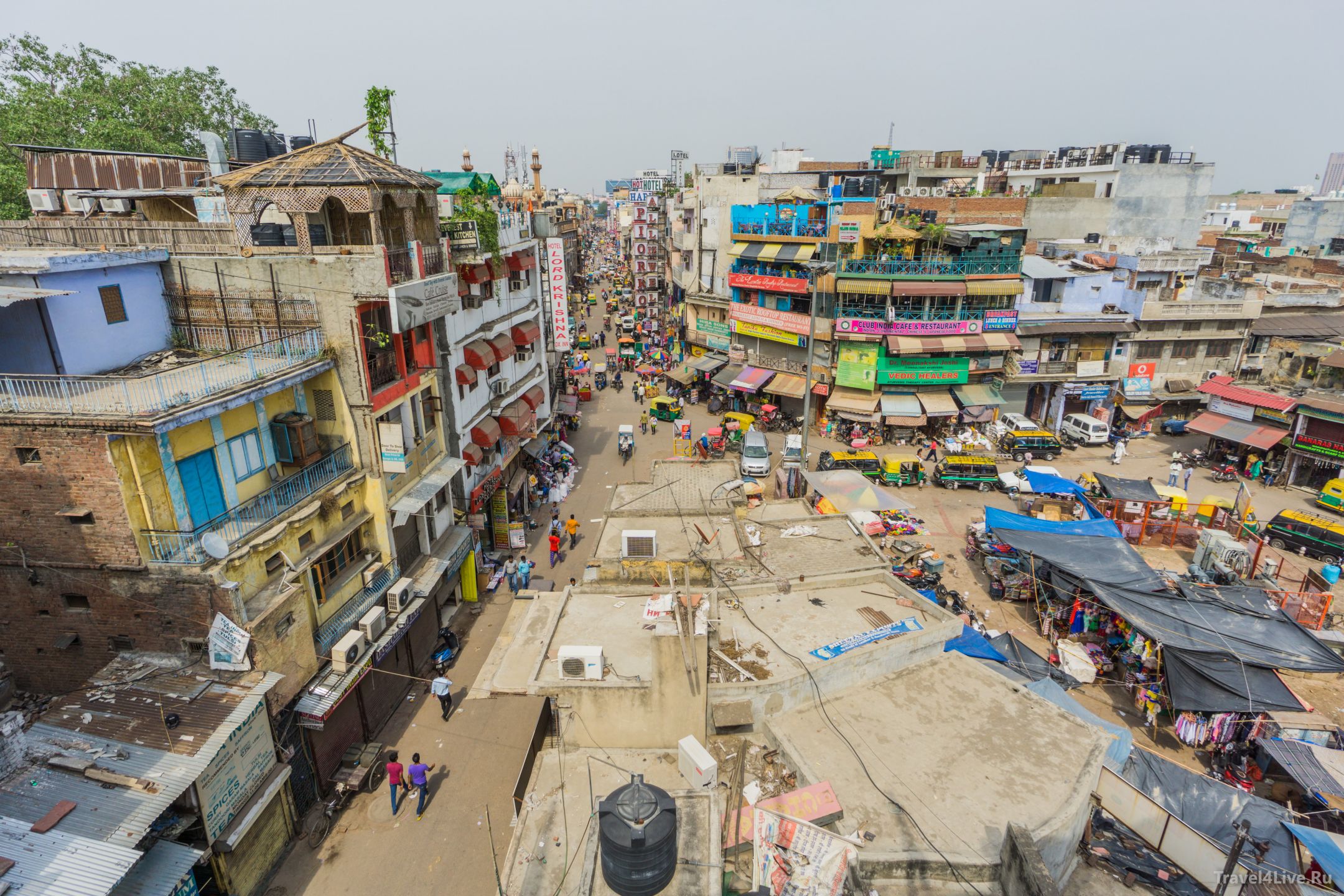
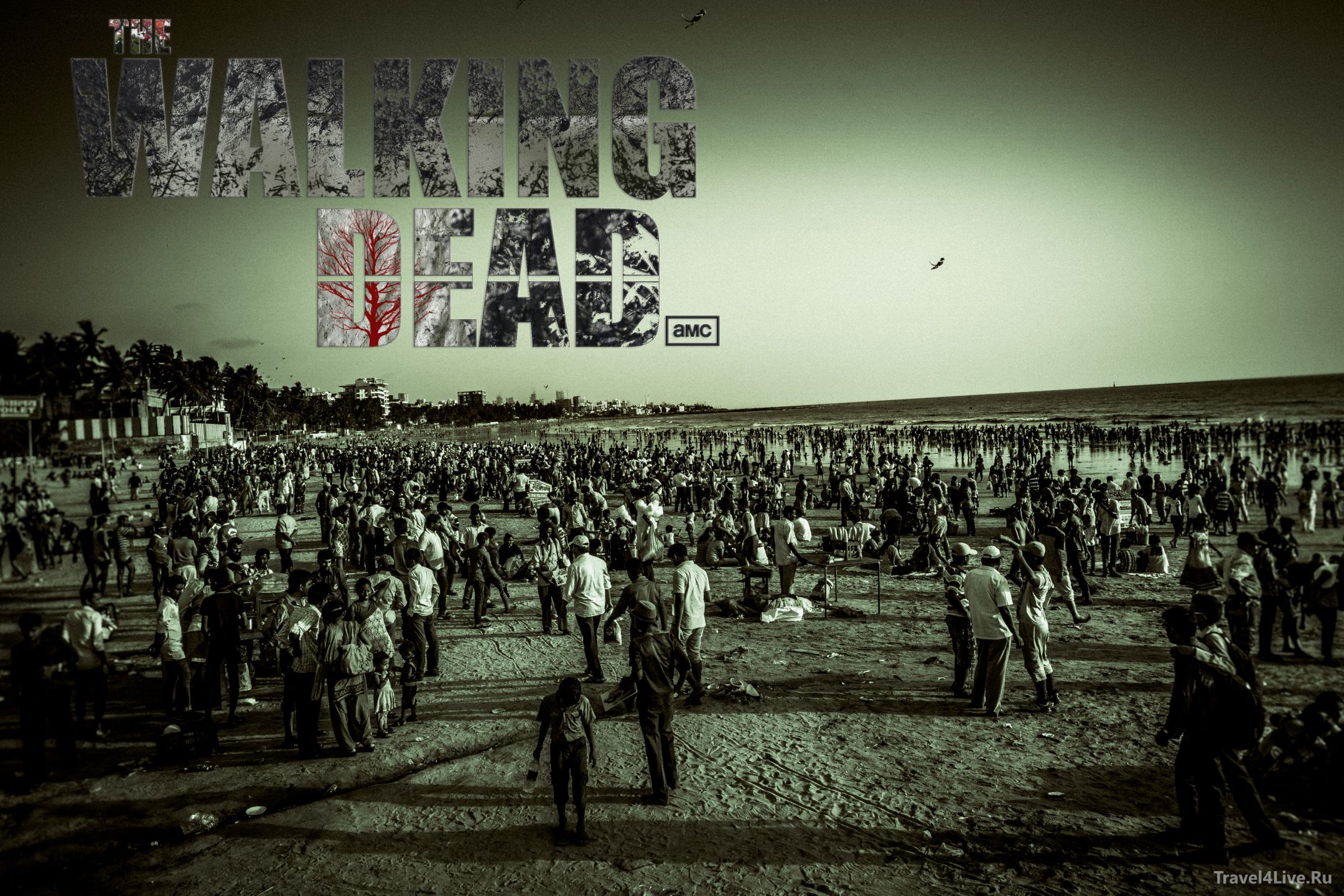
There are a great many Indians. You don’t feel it as much in the relatively clean and quiet states such as Himachal, Kerala or Goa. But in the rest of India you can forget about such a thing as personal space. Huge crowds gather in the already narrow city streets. Some are trading and calling out to you to buy their goods, others are simply going about their business, still others squeeze through on their tuk-tuk/motorbike/bicycle, and the cows somehow manage to wander around there too. And everyone is making noise, shouting, honking. On the beaches Indians crowd together too, and when they see a white person, they will certainly not leave them unnoticed. A great many will come up and ask to take a photo with you, together with their whole large family. However, if you tell them you don’t like being photographed, they back off, puzzled. All of this quickly wears you out.
You can’t call Indians indifferent. When you travel by bike and stop by the roadside to rest and stretch, almost every Indian passing by will ask whether you are all right. In big cities people will always come up to tell you what is where, and will even take you to the right place for free, dropping whatever they were doing. However, there are quite a few Indians who see a white tourist as nothing more than a wallet. Some taxi drivers, for example. As a rule, these are very flattering people, and they usually dodge questions about the price of their services, and then inflate the price several times over. Be careful with them.
Indians are open and sociable. They listen with genuine interest, ask questions and are happy to tell you about themselves.
We can’t say that all Indians are wonderful, warm-hearted people, but we won’t say that they are all unpleasant, two-faced and greedy for money either. They are different, and in this country you will certainly run into both kinds, so we rate India’s human factor at 4/5.
Prices for food, accommodation (4/5)
In India we stayed mostly in guesthouses or inexpensive hotels. A room for two cost on average up to $10 a night. The cheapest were in Gokarna and Varanasi ($5.5), and the most expensive, oddly enough, was in Mumbai (a little under $20).
Food for two came to $12 a day on average. This includes cafes, shops and various small sweets and treats. Of course, we could have gotten by on less, but Indian cuisine is so varied that we wanted to try a great deal.
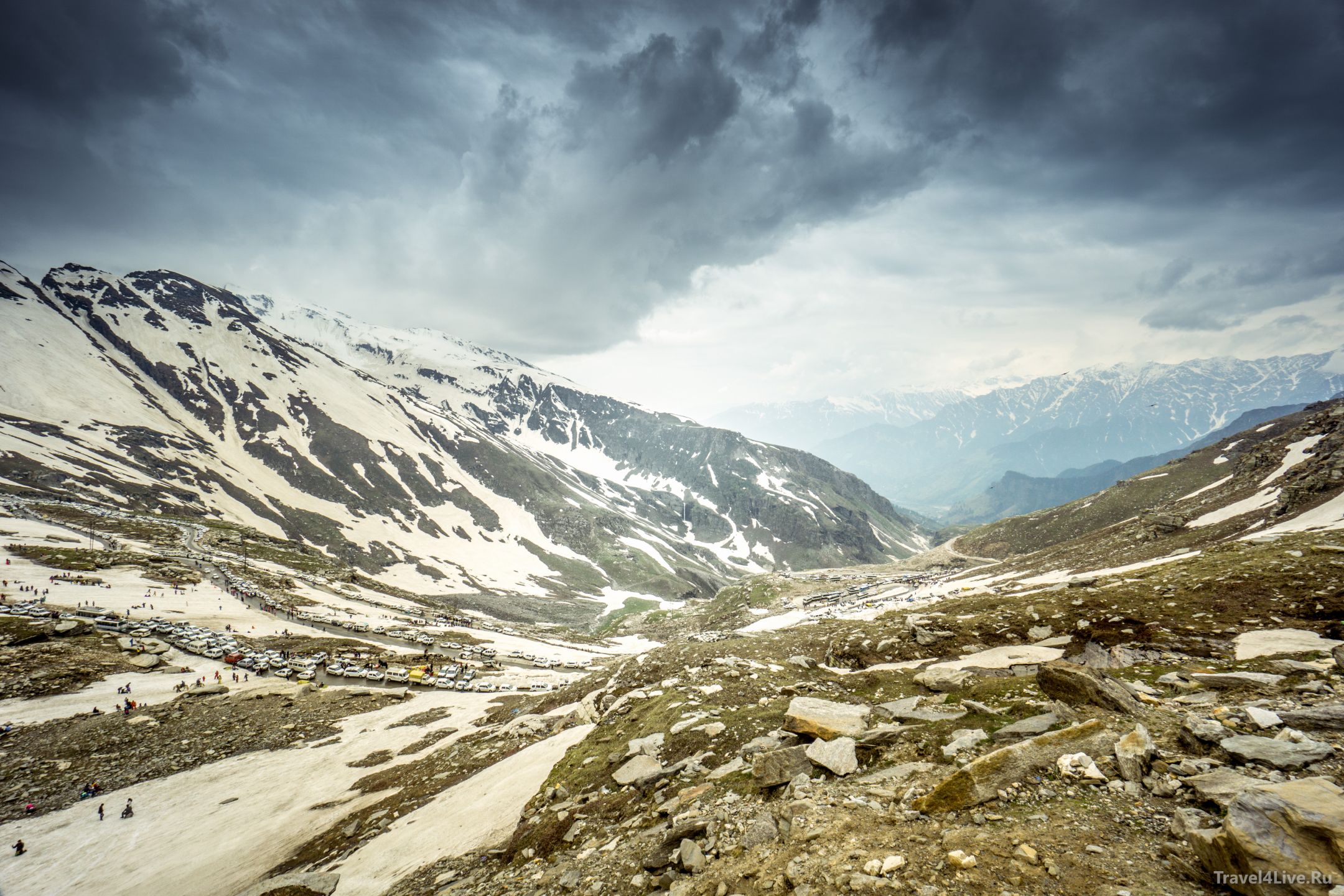
We rented a scooter in India 3 times. In the southern part (Kerala) it costs $4 a day on average, but in Goa we rented one for a month, so we got a discount. It cost us only $2.4 a day. We needed a scooter once more in the Himalayas for a trip to Rohtang Pass. Prices there were very different: renting a scooter cost us as much as $10 a day. The rest of the time we got around by bus and train. Trains, in our view, are the best way to travel around India; you can read about them here.
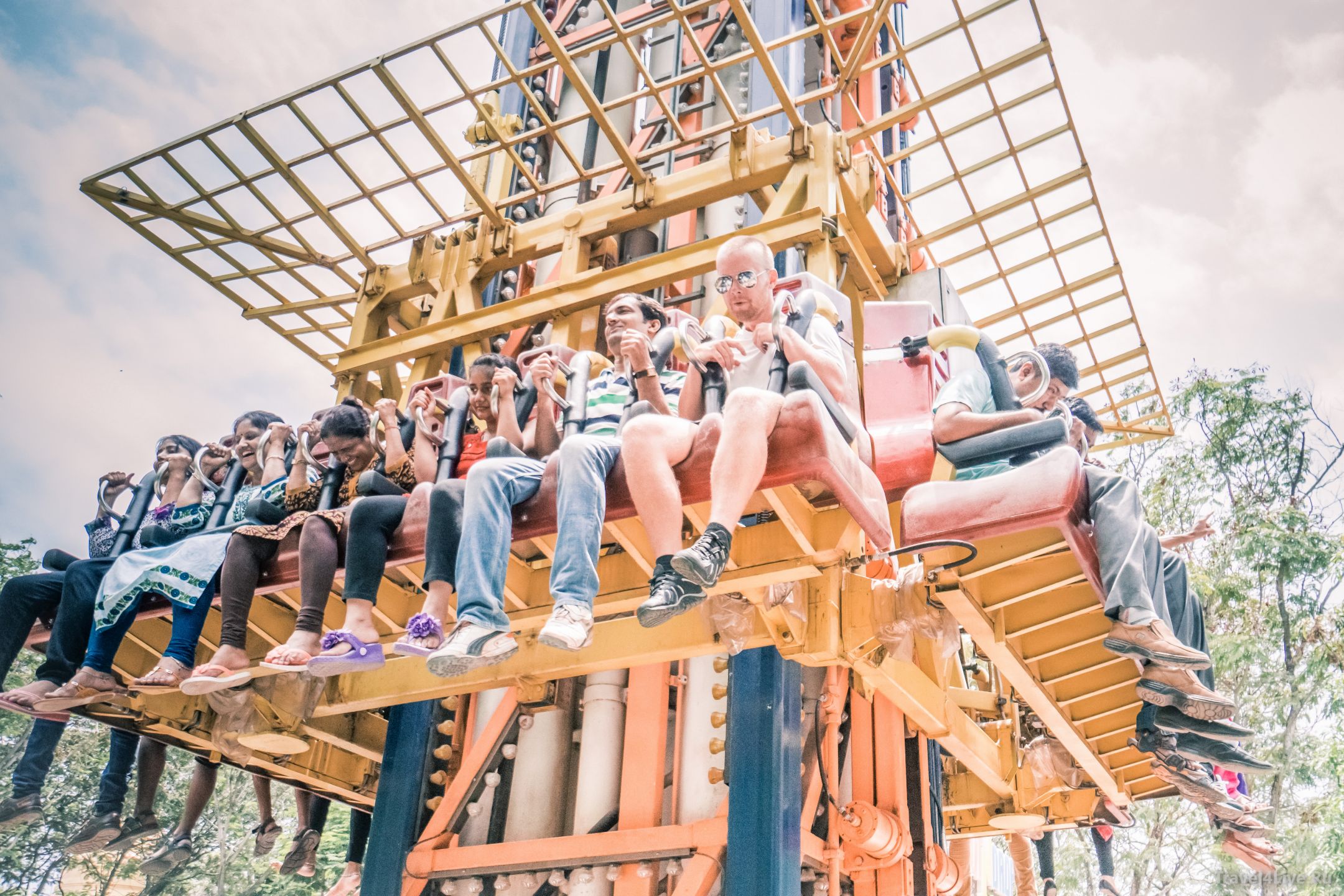
As for sights, most of them are free, but if there is an entrance fee, the price for foreign tourists is, as a rule, several times higher than for locals. Overall, over 3 months we spent $148 on entertainment (and this includes sightseeing). The most expensive items were an amusement park in Mumbai ($40), a tuk-tuk tour of Jaipur ($20), a bus tour of Mumbai ($18) and a safari to Dudhsagar Falls ($17.3).
Nature (4.7/5)
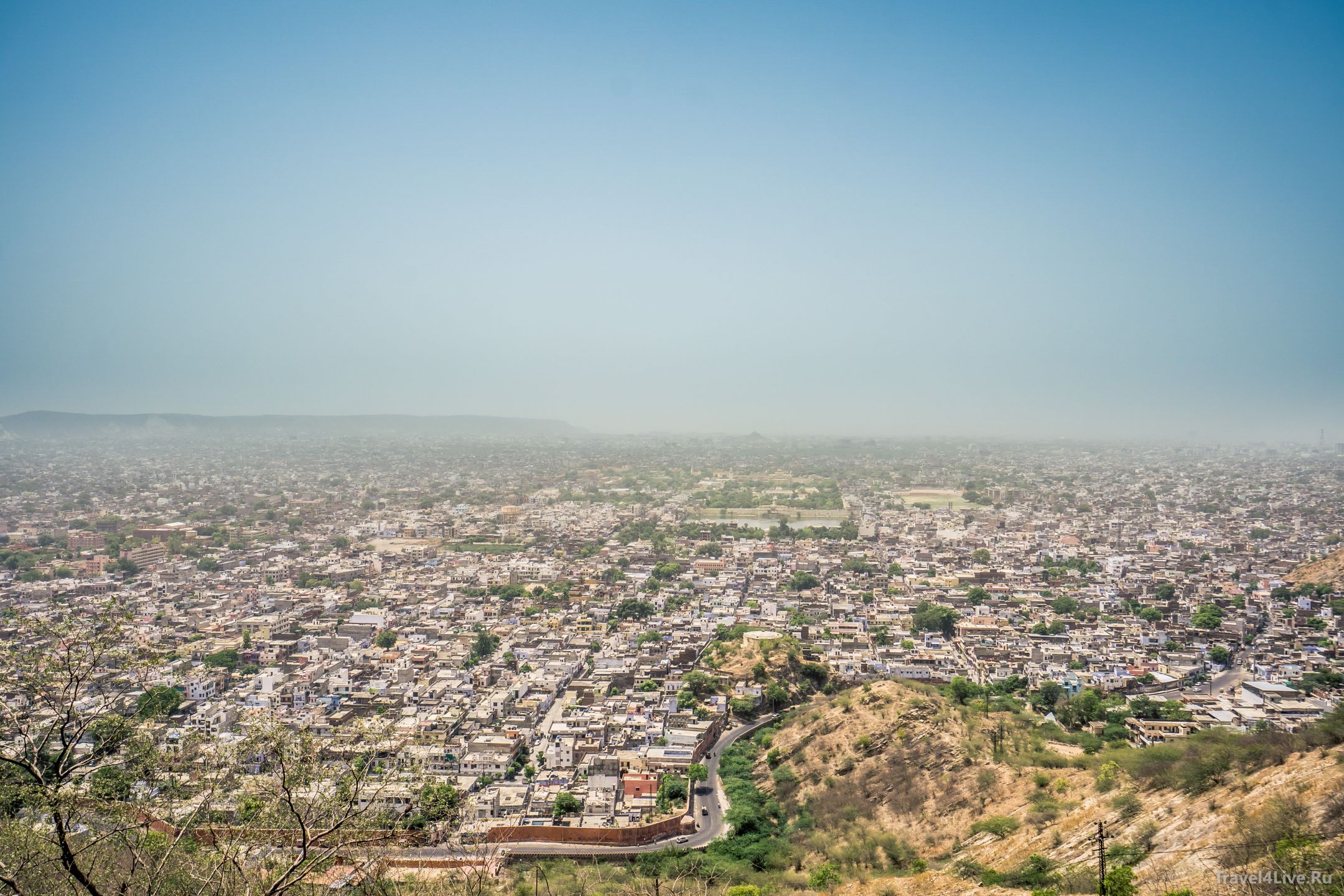
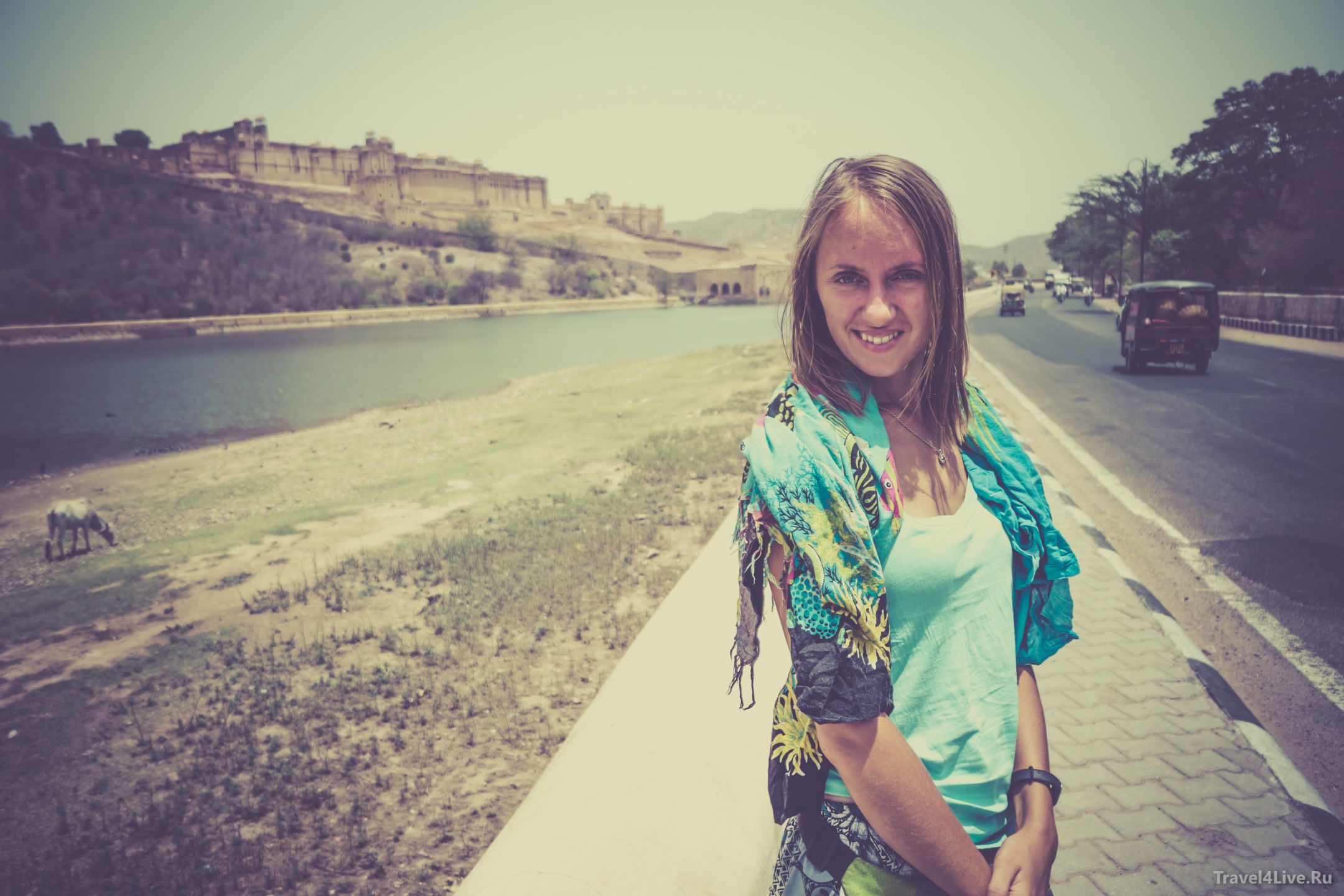
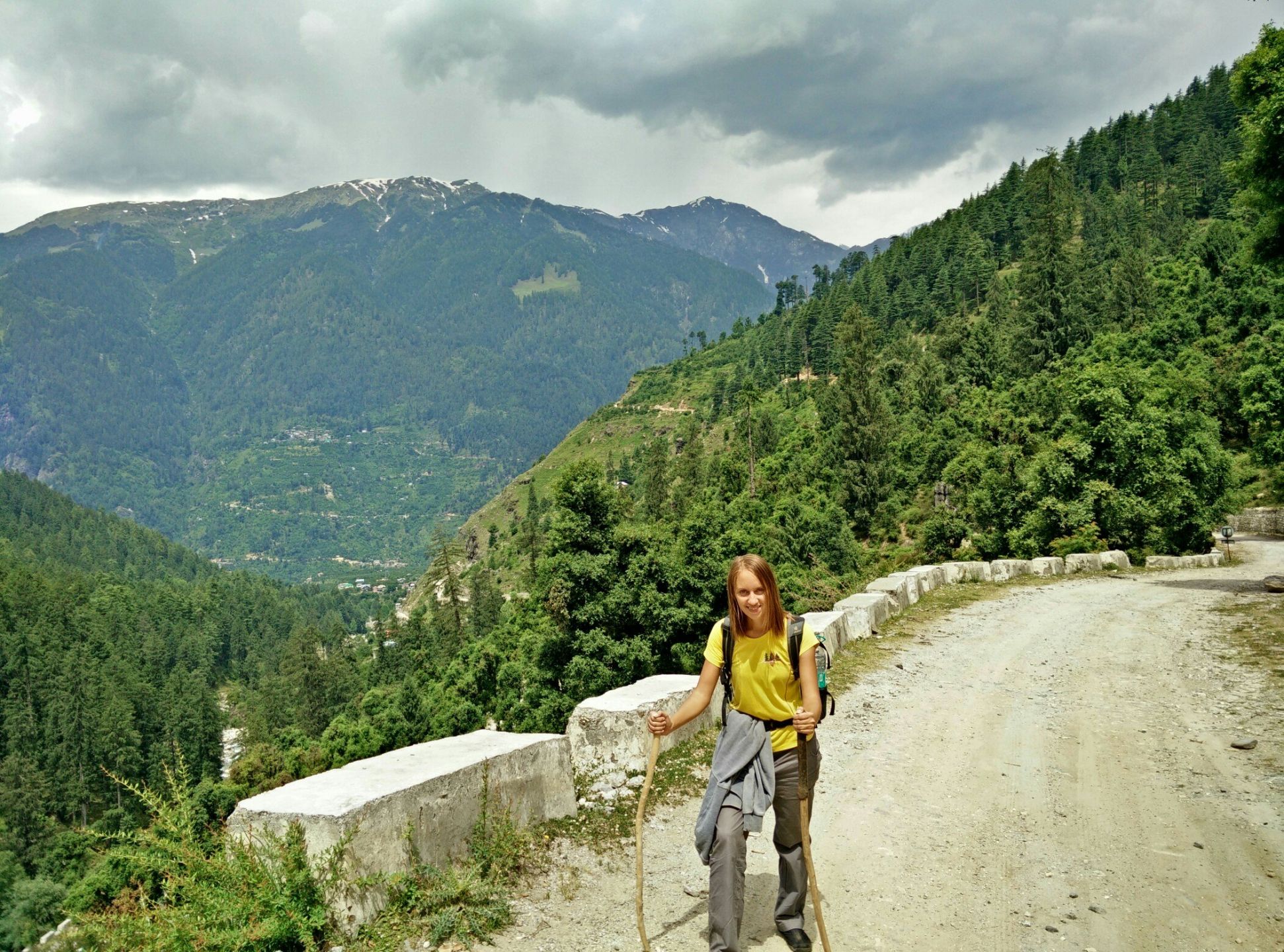
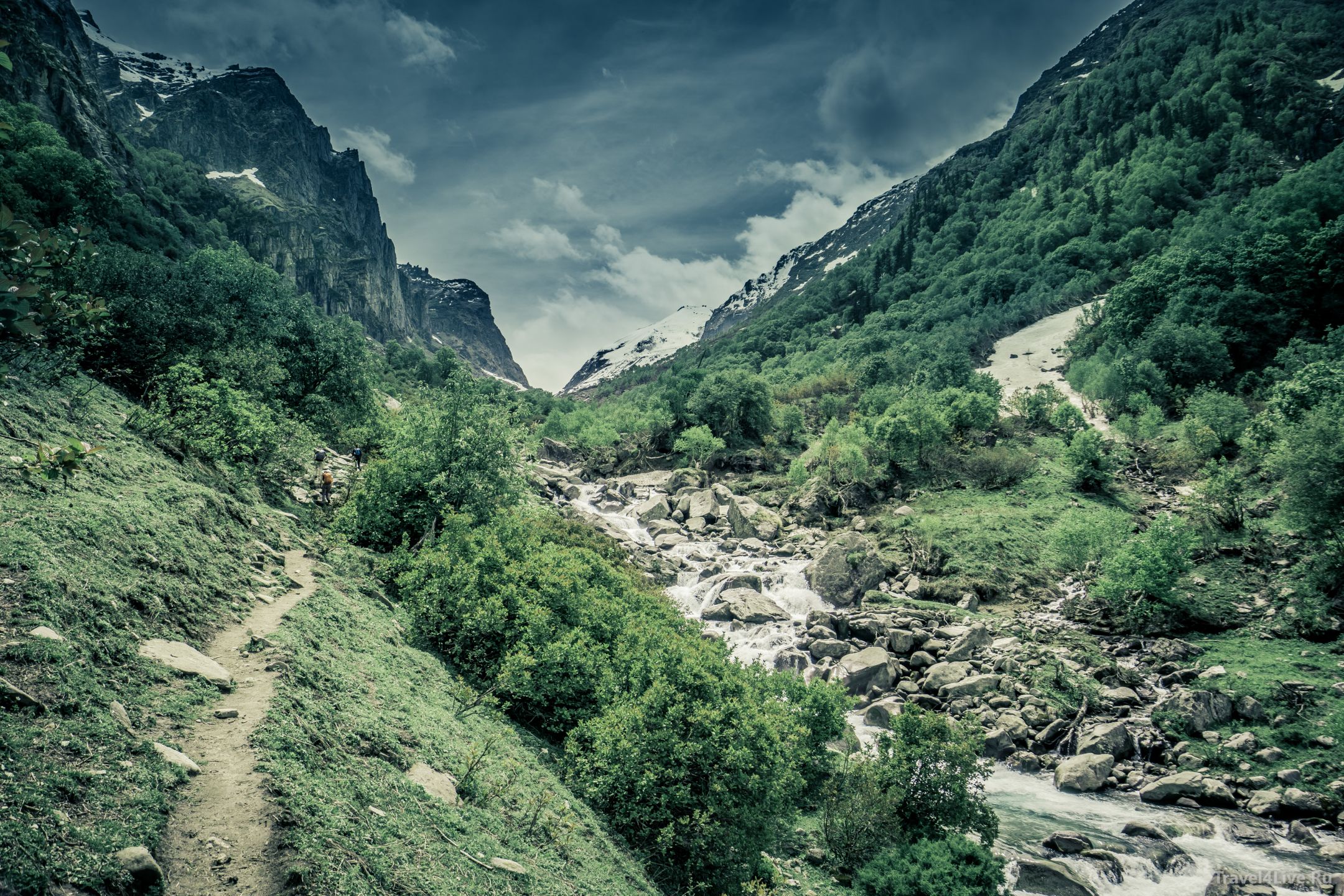
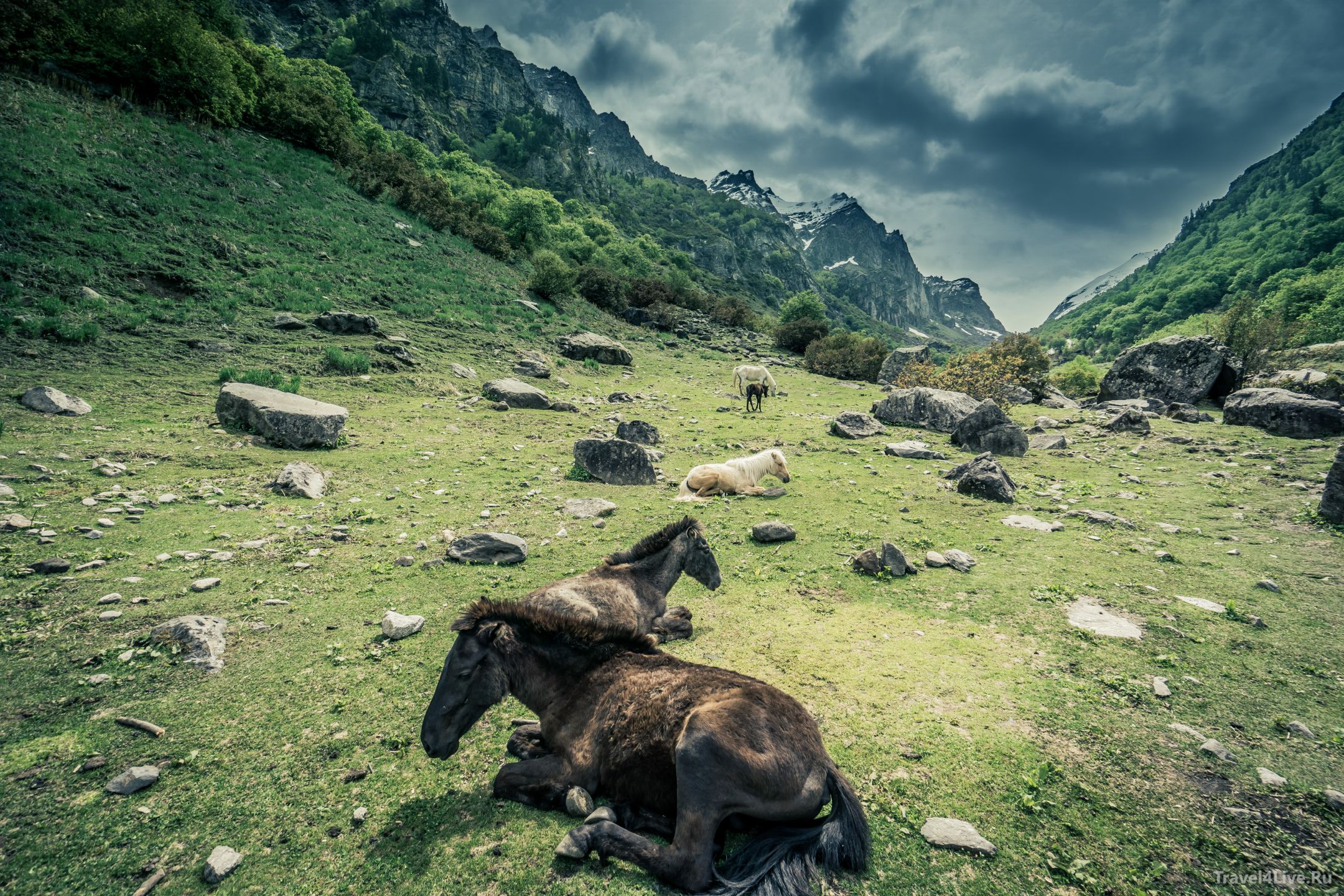
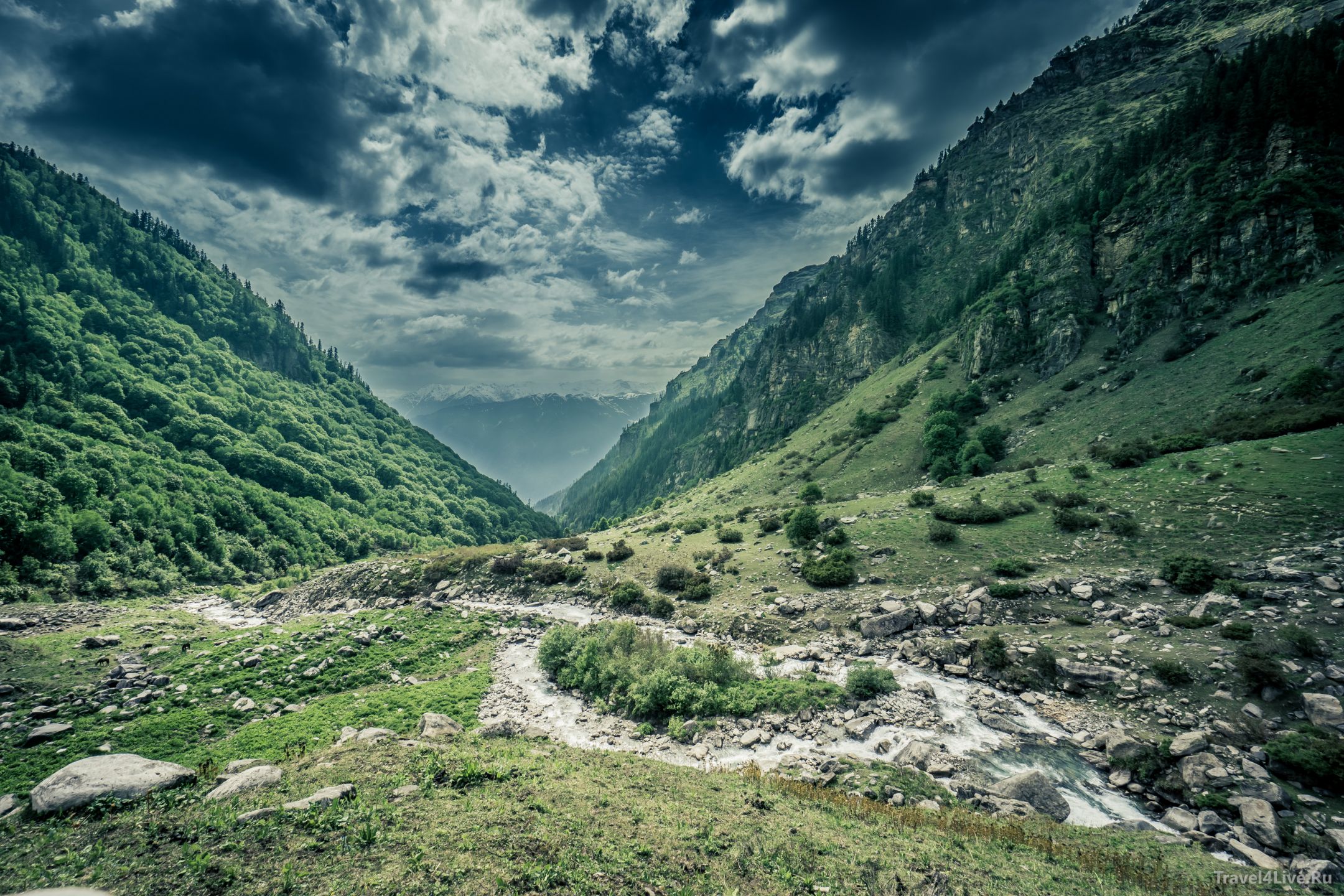
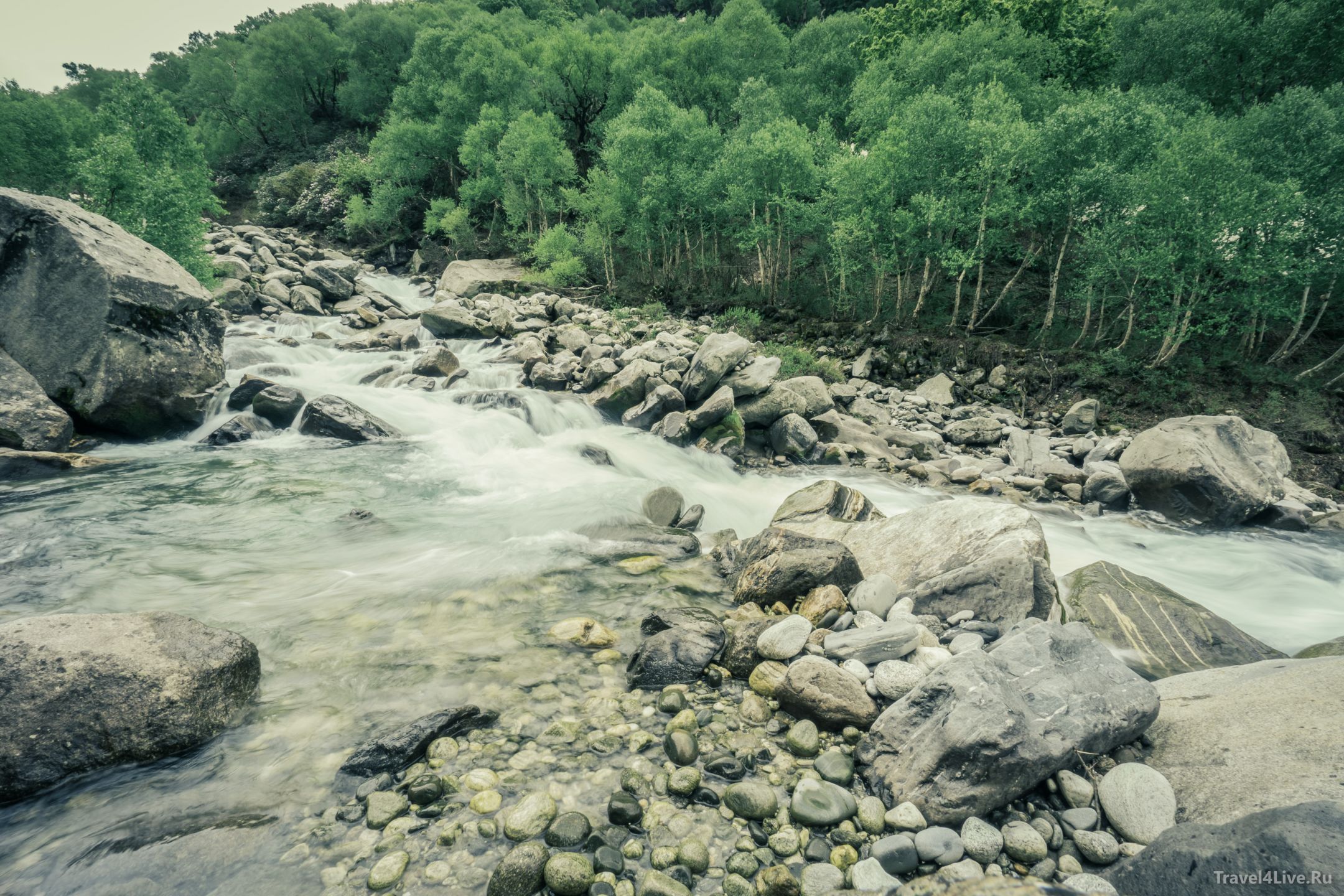
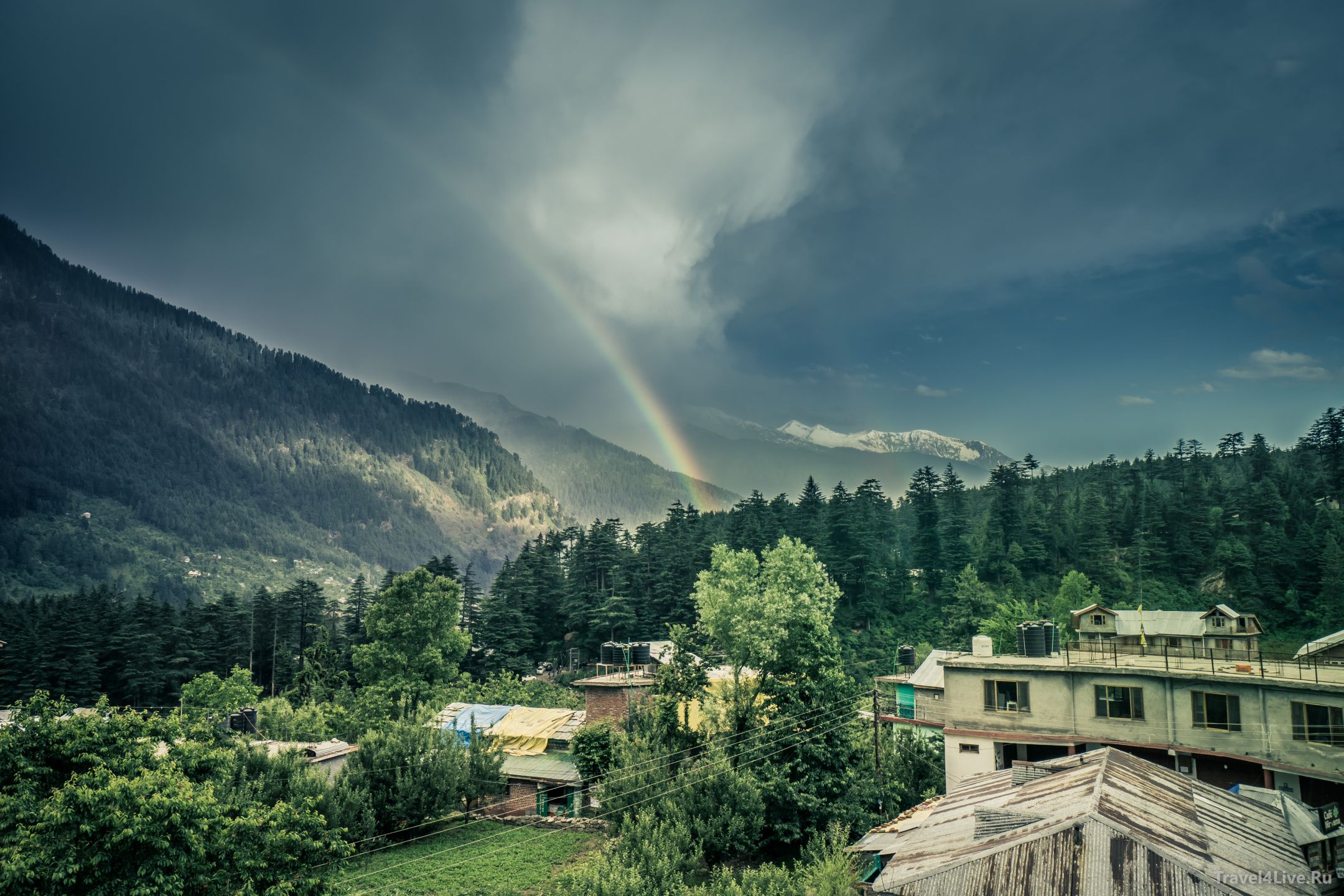
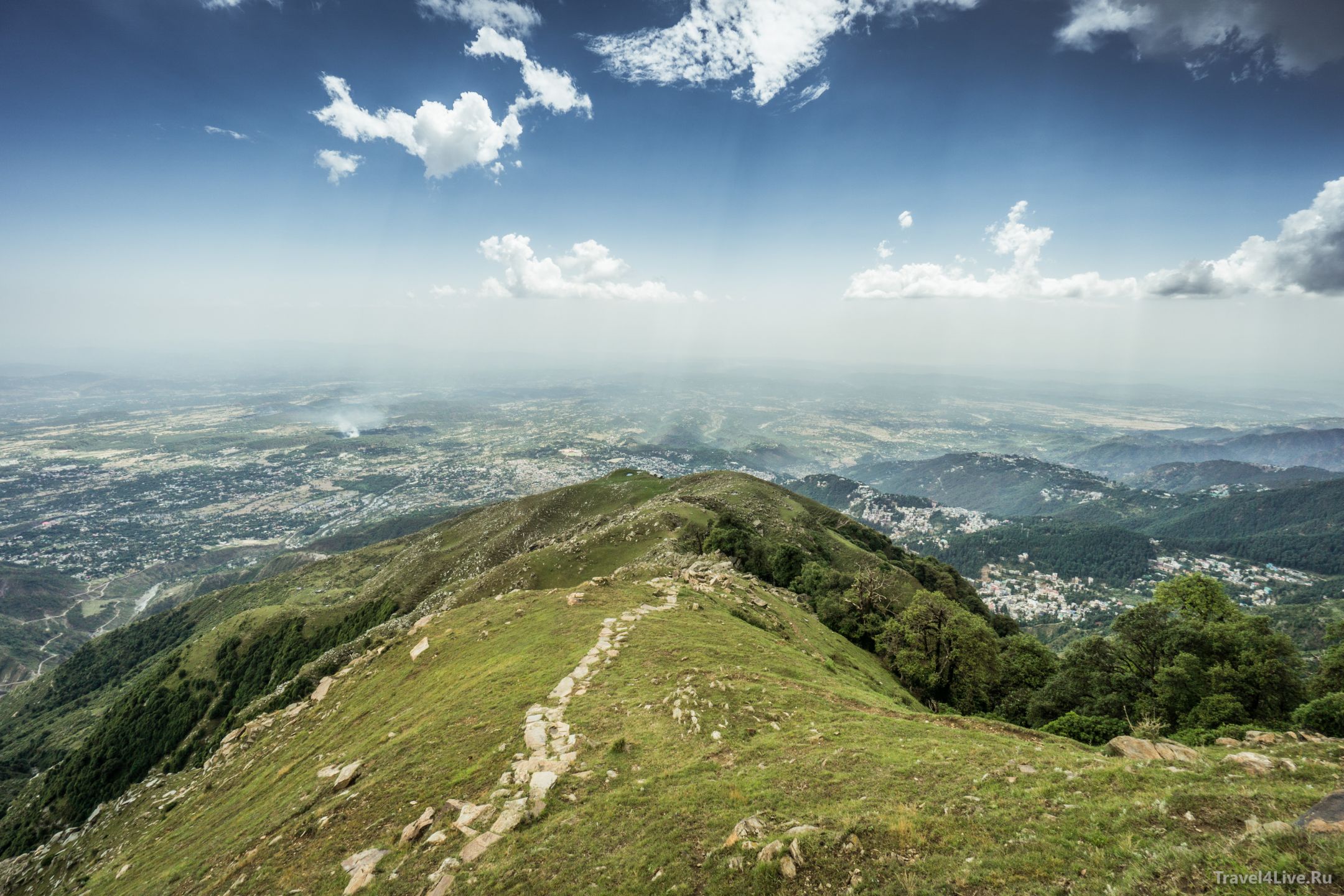
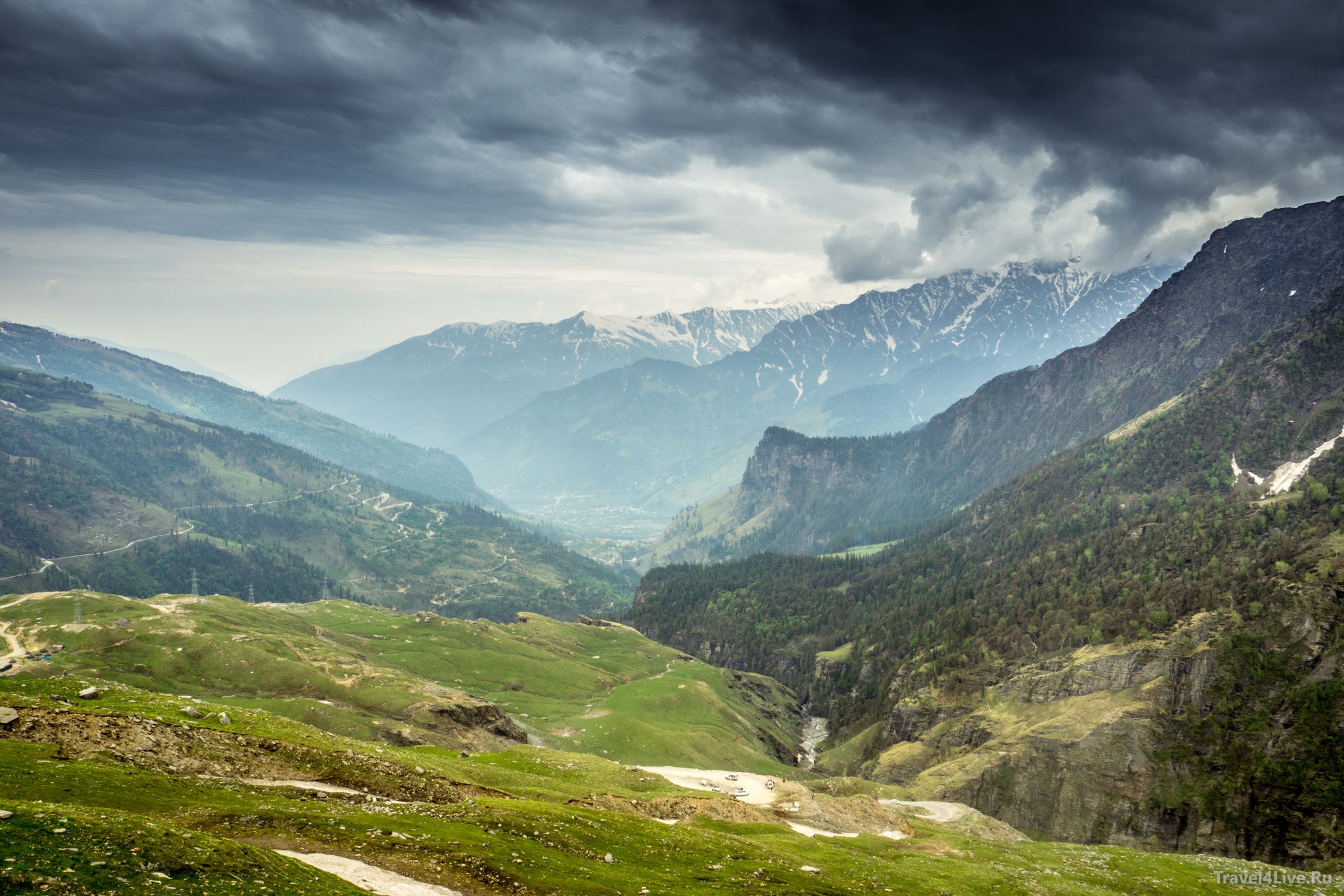
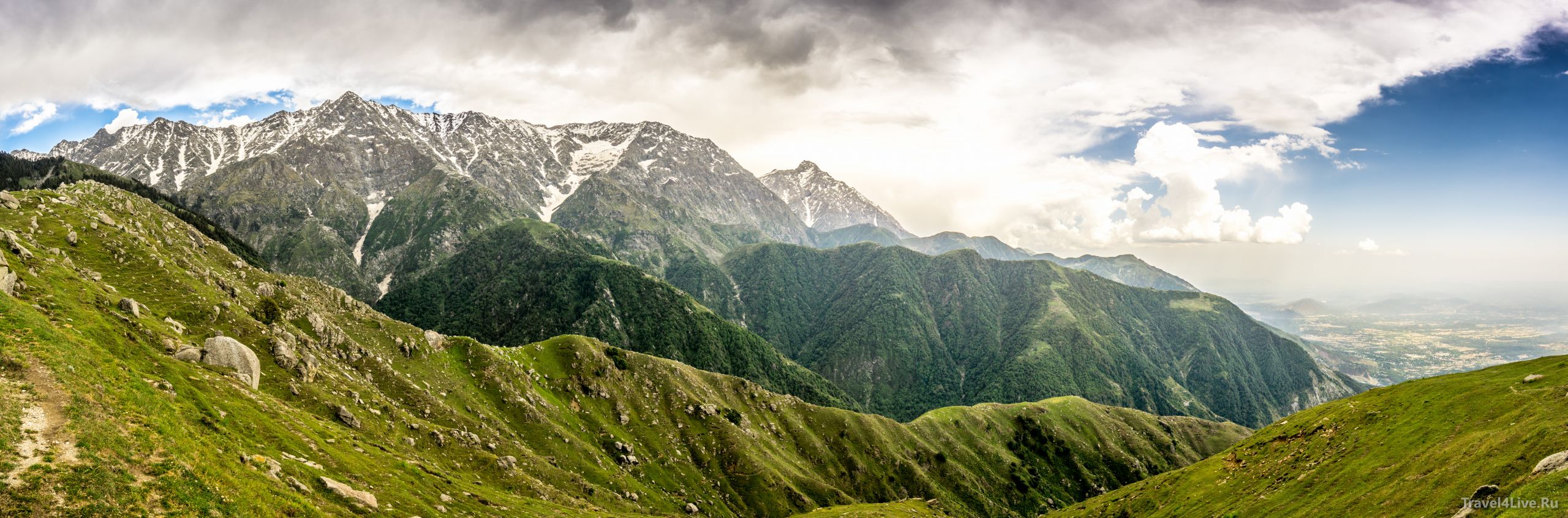
India is a big country, and its terrain, and therefore its climate, is very diverse. There are plains in the south and mountains in the north, there are deserts and rainforests. While we were in the southern part of the country (Kerala, Goa) in April and May, the climate was more or less pleasant, and it rained only late in the evening. In the central part (from Mumbai to Varanasi) it was very hot (up to 43°C) and stuffy, and it was hard to be outdoors. And the most pleasant climate was in the mountainous part of India (Manali, Dharamshala). It was cool there, but very fresh.
Traveling from south to north, it was very interesting to watch the nature change, the palm trees giving way to broadleaf and coniferous trees.
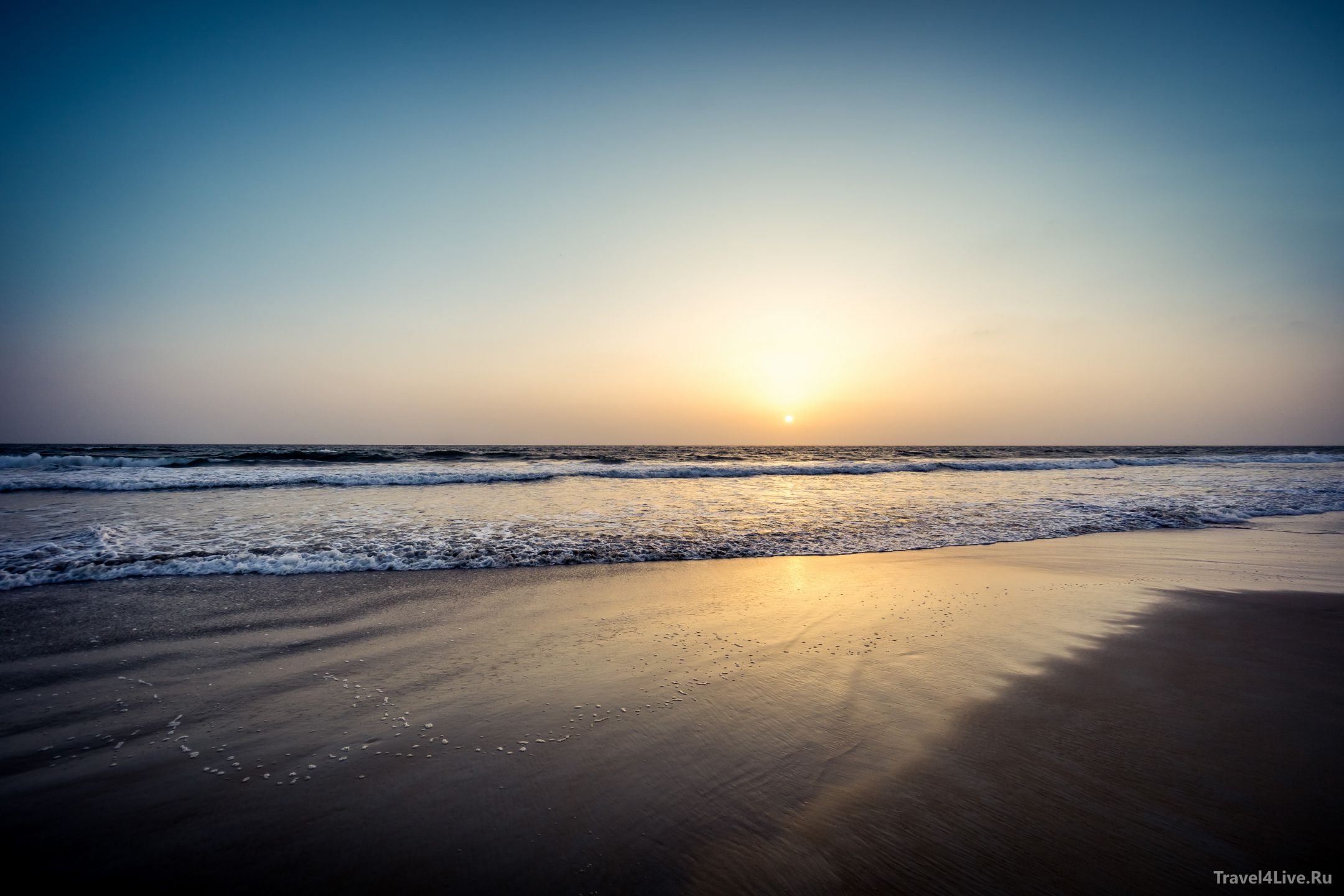
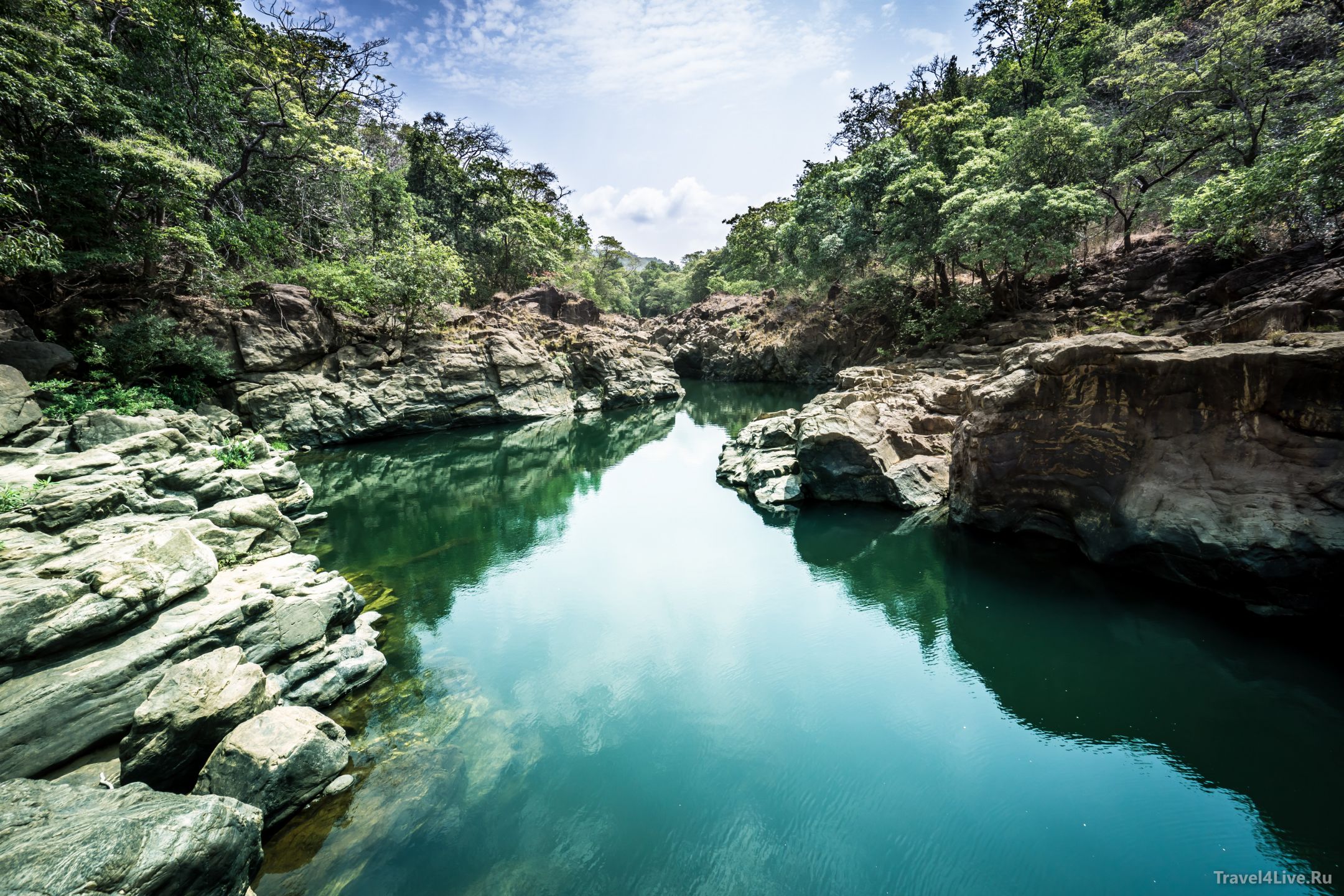
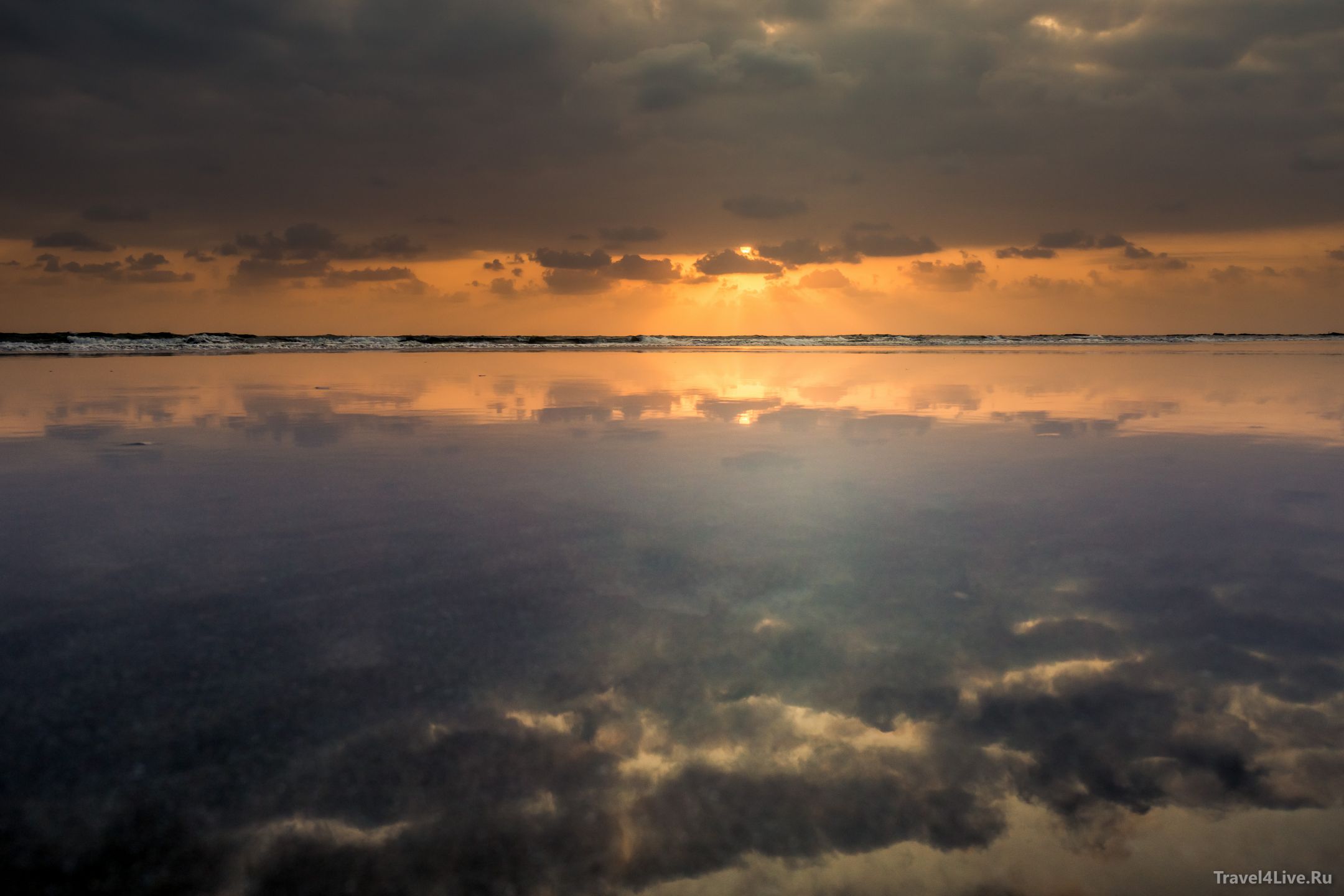
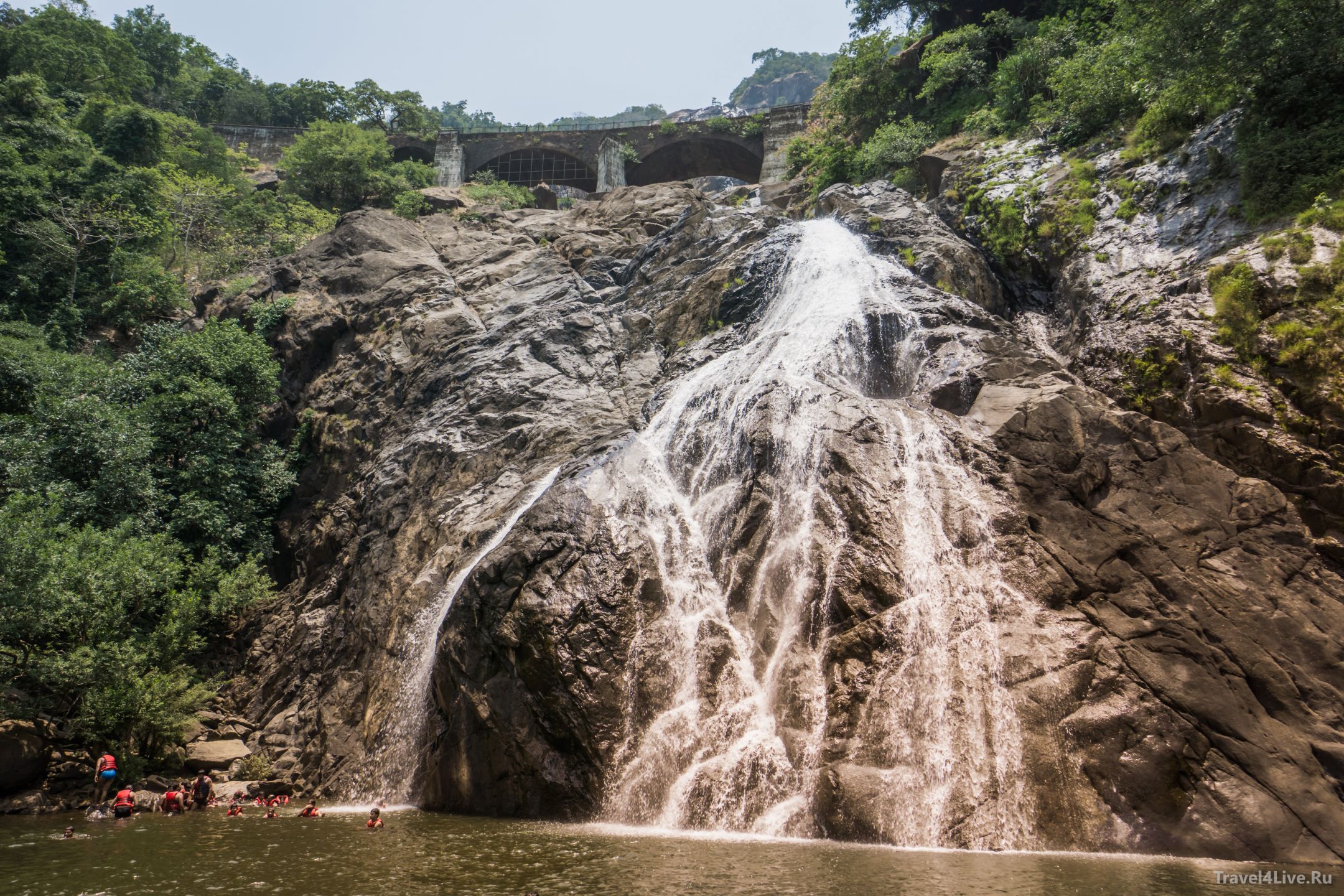
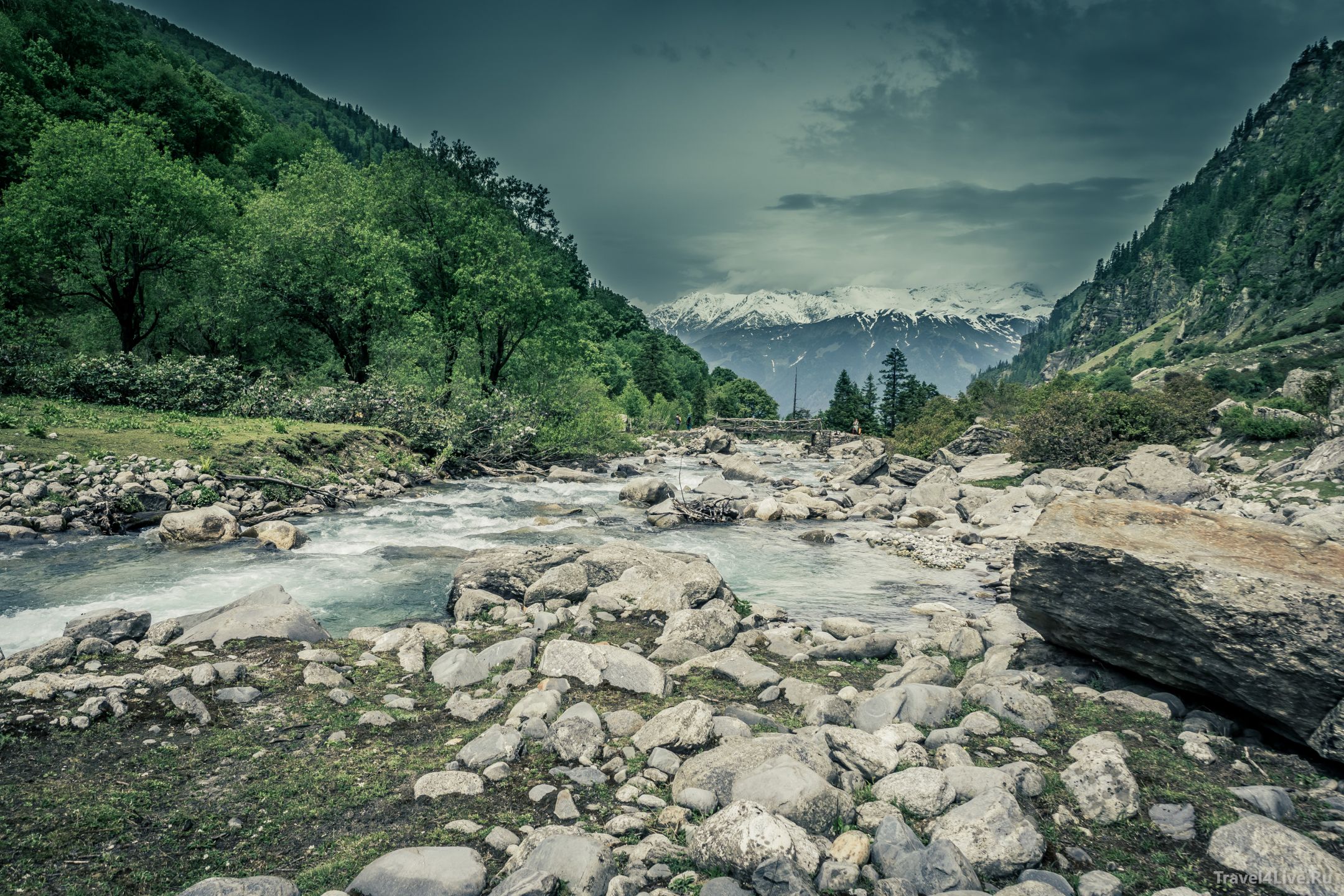
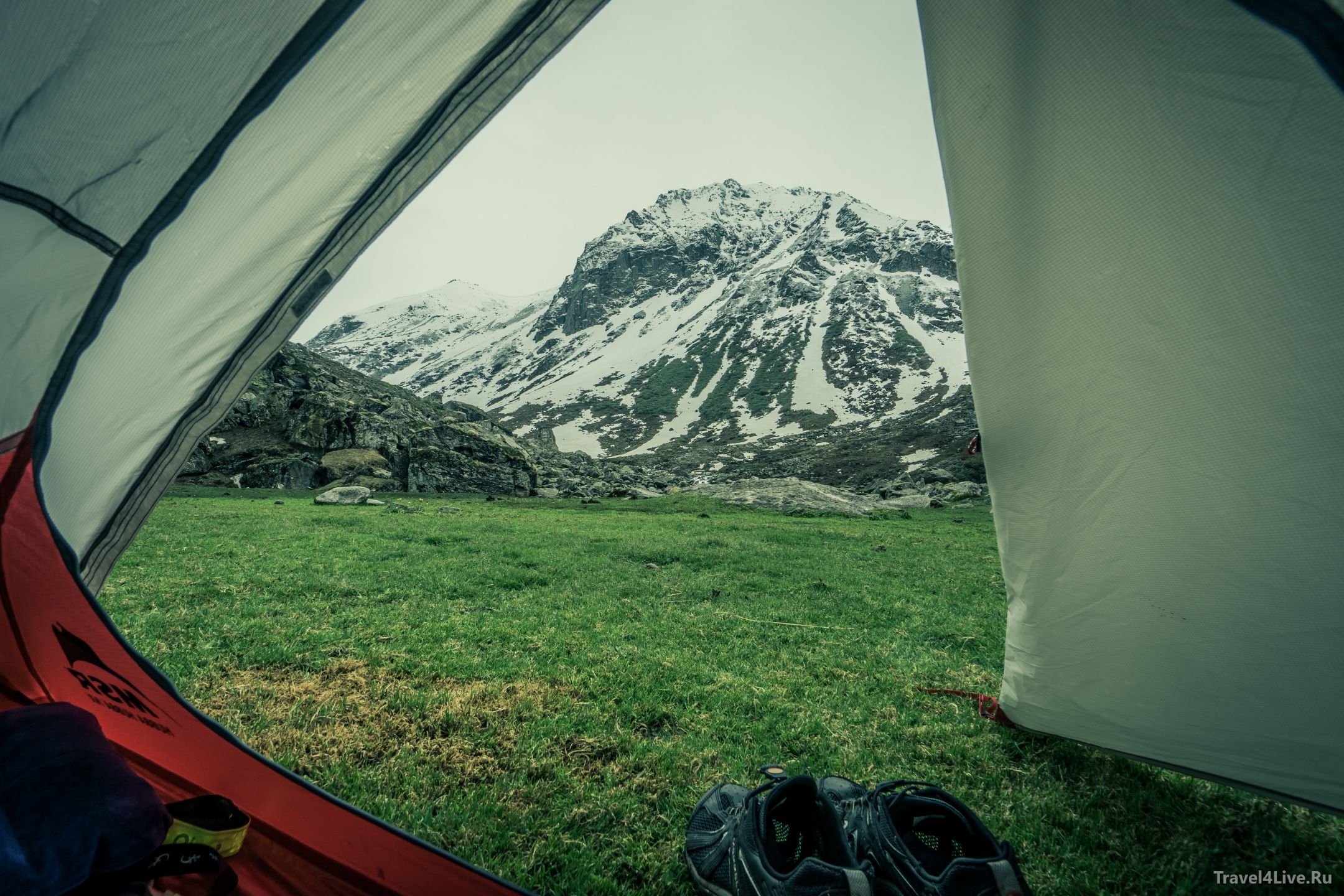
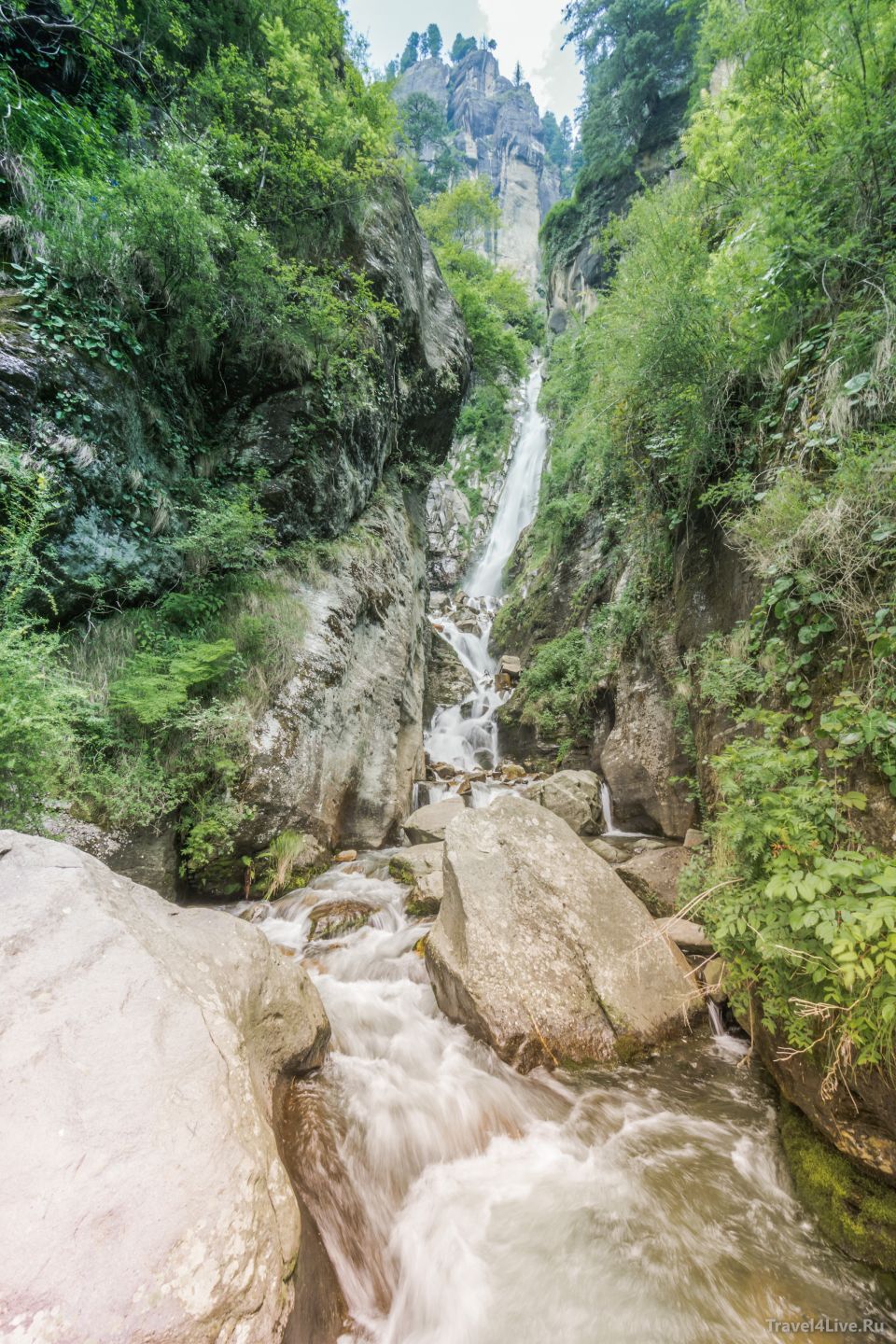
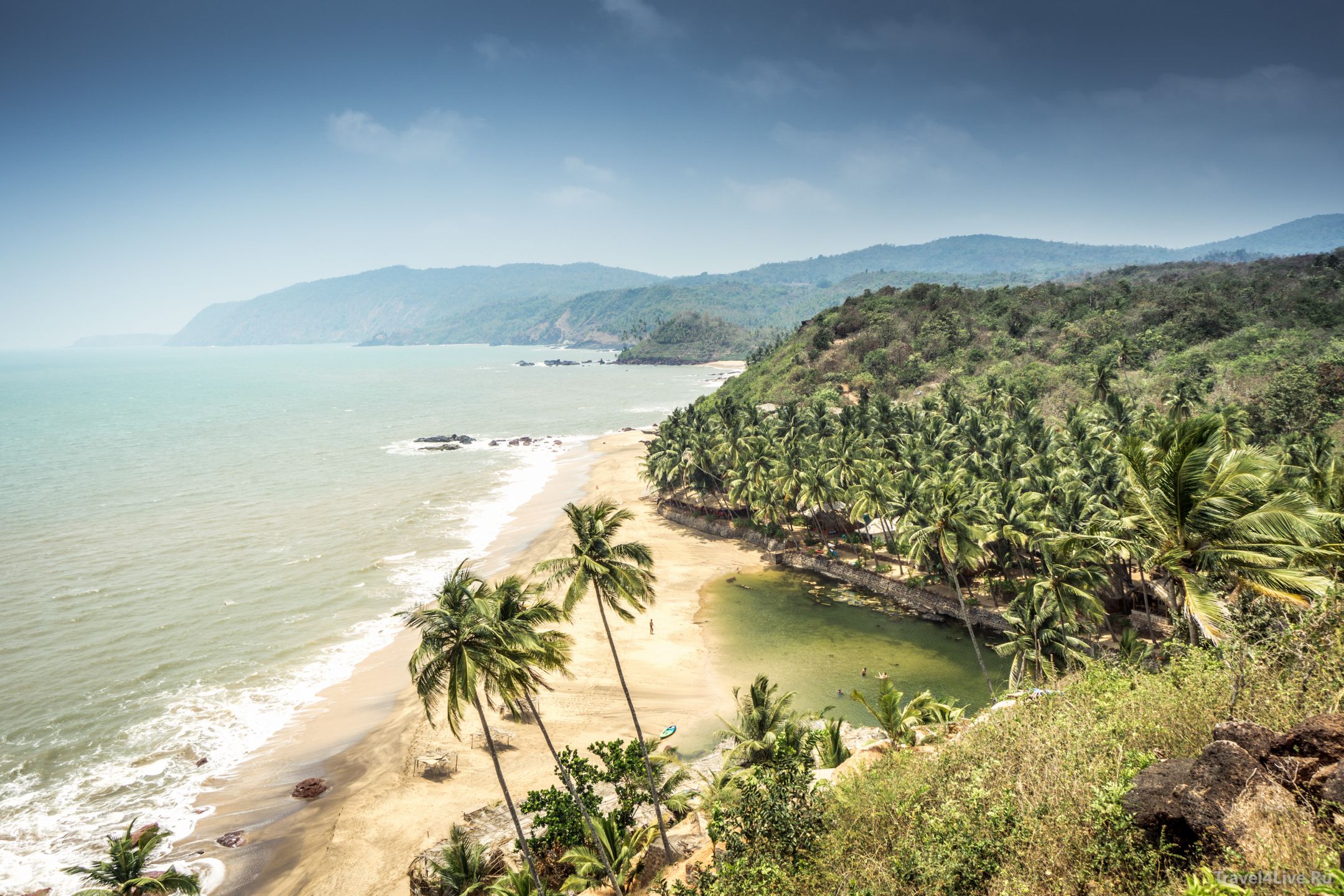
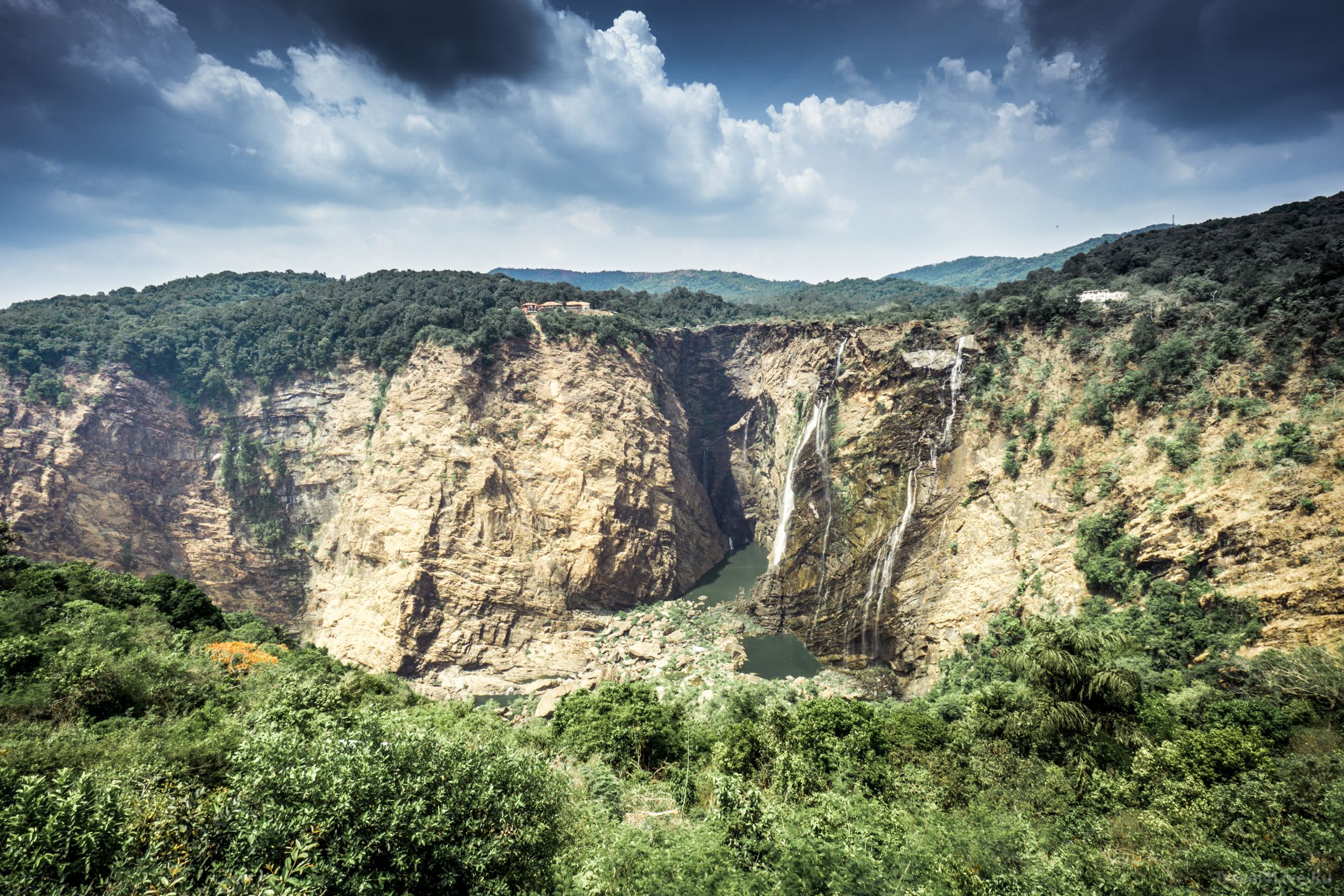
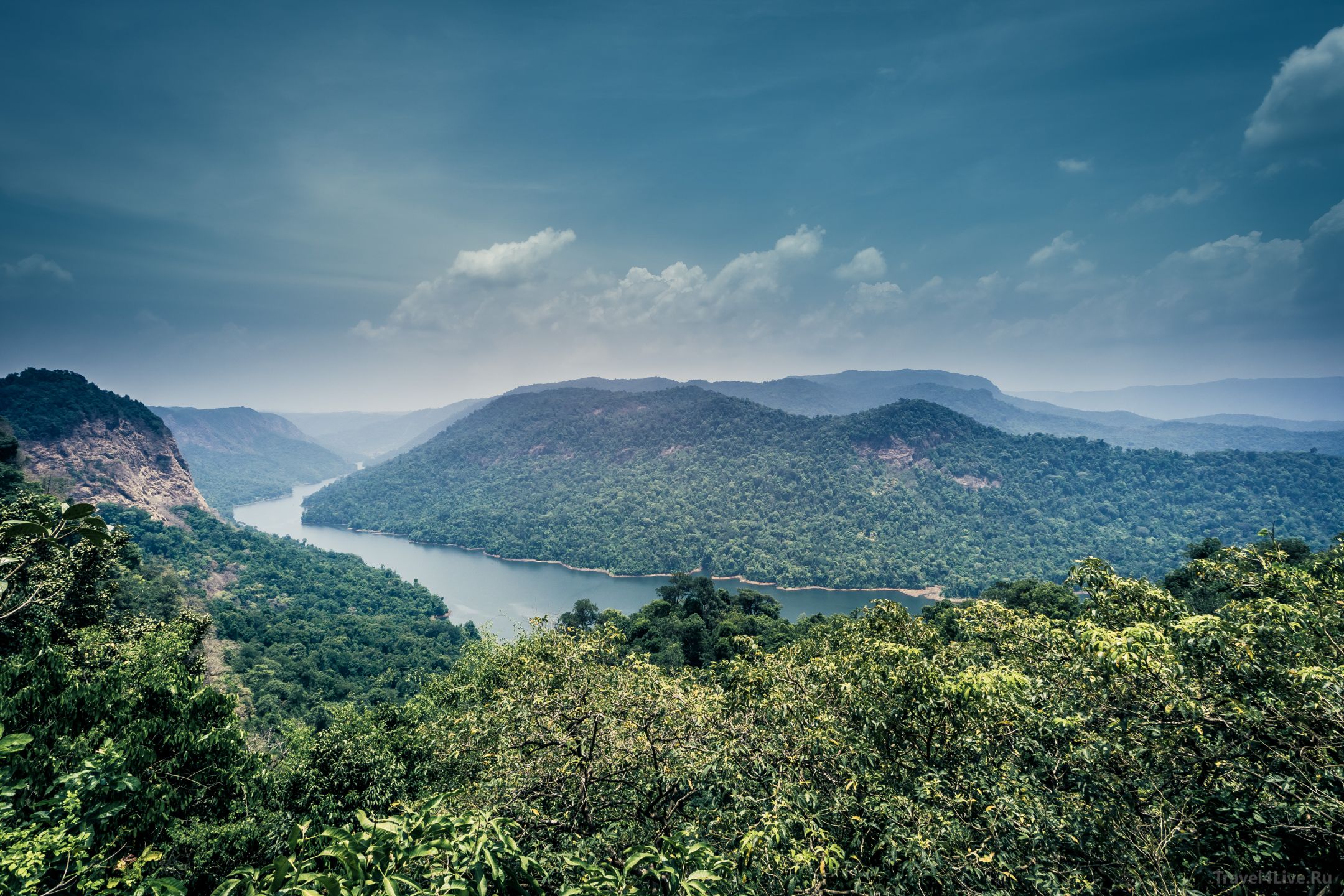
As for natural sights, the ones untouched by human hand — waterfalls, forests, rivers, mountains — they are stunningly picturesque and such a contrast to the dusty, dirty, overcrowded cities. India’s beaches are not bad, some are even beautiful, but they didn’t impress us much.
For such diversity and breathtaking views, we rated India’s nature at 4.7 out of 5.
Safety (4/5)
As we have said more than once, India is a dirty country, so sanitation here is poor. Still, we were not squeamish about eating not only in tourist cafes but in local ones too. Naturally, if a place didn’t inspire any trust at all, we gave it a miss. We drank mostly bottled water, but sometimes used drinking fountains in public places. In all cafes (local and tourist) we washed our hands before eating. We didn’t use any hand sanitizers, we washed fruit under the tap, bought freshly squeezed juices on the street and weren’t paranoid about sanitary standards. Yes, we had an upset stomach a couple of times, but nothing serious.
As for theft, we never ran into it. Nothing went missing from our rooms, we didn’t chain up our bikes, and we didn’t chain our backpacks on trains either (though locals did fasten their bags to the seats). Even so, we tried not to leave our things unattended, and in especially crowded and suspicious places we took turns swimming so that one of us could keep an eye on them.
We did come across scammers, so you need to be careful here: if you plan to use some service or buy a ticket somewhere, it’s better to look up the real price of the service online in advance.
You need to understand that India is a fairly conservative country, and women should dress more modestly and avoid revealing tank tops and short shorts unless they are on the beach. Women also shouldn’t swim alone near a group of Indian guys: most likely nothing bad will happen, but they make you uncomfortable when they come closer and start circling around you, looking at you with curiosity.
And we can’t leave out the situation on India’s roads. Although at first glance an inexperienced person may think there is complete anarchy here, that is not the case. You can adapt to this kind of traffic and feel quite comfortable. Indian drivers are quite confident on the road, and they signal the start of a maneuver (overtaking, for example) with the horn, which is exactly why the cities are so noisy. The roads are quite decent, just narrow. And according to road accident statistics, the death rate on the roads is about the same as in Russia.
To sum up, we want to say that if you don’t drink water from the Ganges and take simple precautions, you can feel quite comfortable and safe in India.
Food 4.6/5
Indian cuisine was to our liking. It is very varied, bright and colorful. Since most Indians are vegetarians, you can try lots of vegetarian dishes on every corner. But meat eaters won’t go hungry either. It should be noted that almost all the food is spicy, but combined with rice and fresh vegetables the heat is quite bearable and even pleasant. From our own experience, we highly recommend trying what we especially liked:
- “Paneer Tikka Masala” (paneer cheese in a sauce made with masala, a spice mix popular in India, with vegetables), which goes well with flatbreads like naan.
- Raita is a cold soup of fresh vegetables with curd. By the way, unlike the Sri Lankan kind, where curd is something like yogurt, here it is more like kefir.
- Thali is a whole set of dishes consisting of rice, some kind of pea soup, curry, curd, roti flatbreads and something else. It can be vegetarian, or with chicken or fish.
- Lassi is curd blended with a fruit or several fruits.
You definitely won’t go hungry in India; even when setting off on an 18-hour train ride, you don’t need to stock up on food. Samosas (pastries), biryani (fried rice with vegetables) and chai (tea) are sold all the time. By the way, tea in this country is made with milk. And if anywhere in India you are offered chai, it will be tea with milk. However, in more or less touristy cafes you can order Black Tea, and you will be brought ordinary black tea.
In the end, India gets a rating of 4.34 points out of 5. This country is very colorful, and despite all the dirt, poverty and a certain shabbiness, there is something attractive here — perhaps its distinctiveness, its faithfulness to traditions and, of course, its stunning nature. We definitely recommend visiting it and don’t rule out coming back here ourselves.
And here is a short video from our trip around India and Nepal:
Comments
Thank you! Your comment has been sent and will appear after moderation.