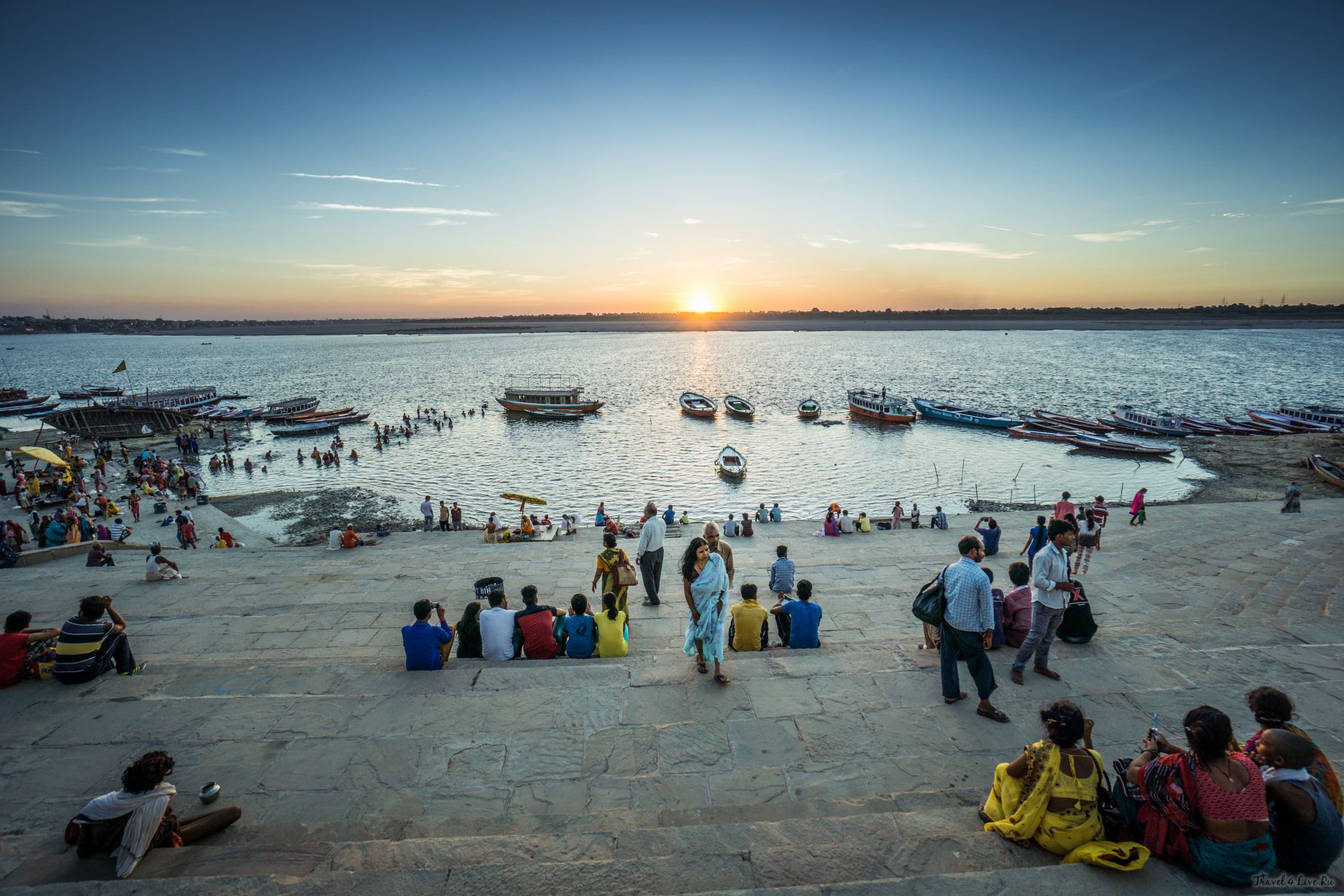
Varanasi — the City of the Dead
Varanasi is one of the oldest cities in the world and the most sacred place for Hindus. Varanasi is called the City of the Dead for a reason: every day hundreds of dead bodies are brought to this city, cremated and sunk in the Ganges River.
The most unpleasant city of all we visited in India.
Varanasi, with a population of 1,500,000 people, is the center of Indian pilgrimage. Every year millions of Hindus make a religious pilgrimage to Varanasi, the city of the dead, with an obligatory ablution in the sacred Ganges River. A huge number of white tourists come here to renounce worldly problems, soak up spirituality, and find peace of mind. The city also matters a great deal to Buddhists: it was in Sarnath, a suburb of Varanasi, that the Buddha, according to legend, delivered his first sermon after his enlightenment to his first five followers.
How to get to Varanasi?
There are several ways to get to Varanasi:
- by plane (not only from Indian cities but also directly from other countries, since the airport in this city is international);
- by bus from neighboring cities;
- by train. From New Delhi or Kolkata.
The Delhi — Varanasi train
In our opinion, the best option is the train. Not as expensive as a plane, and not as long and tiring as a bus. We took the Delhi — Varanasi train. It is best to buy train tickets in advance, since this route is quite popular and there may be none left for the nearest dates. The most convenient way to buy them is online. You can read how to do it in our detailed article about Indian trains and tickets. The tickets cost us 840 Indian rupees with all taxes, and the trip itself took 17 hours in a sleeper car.
The Ganges River and its waters
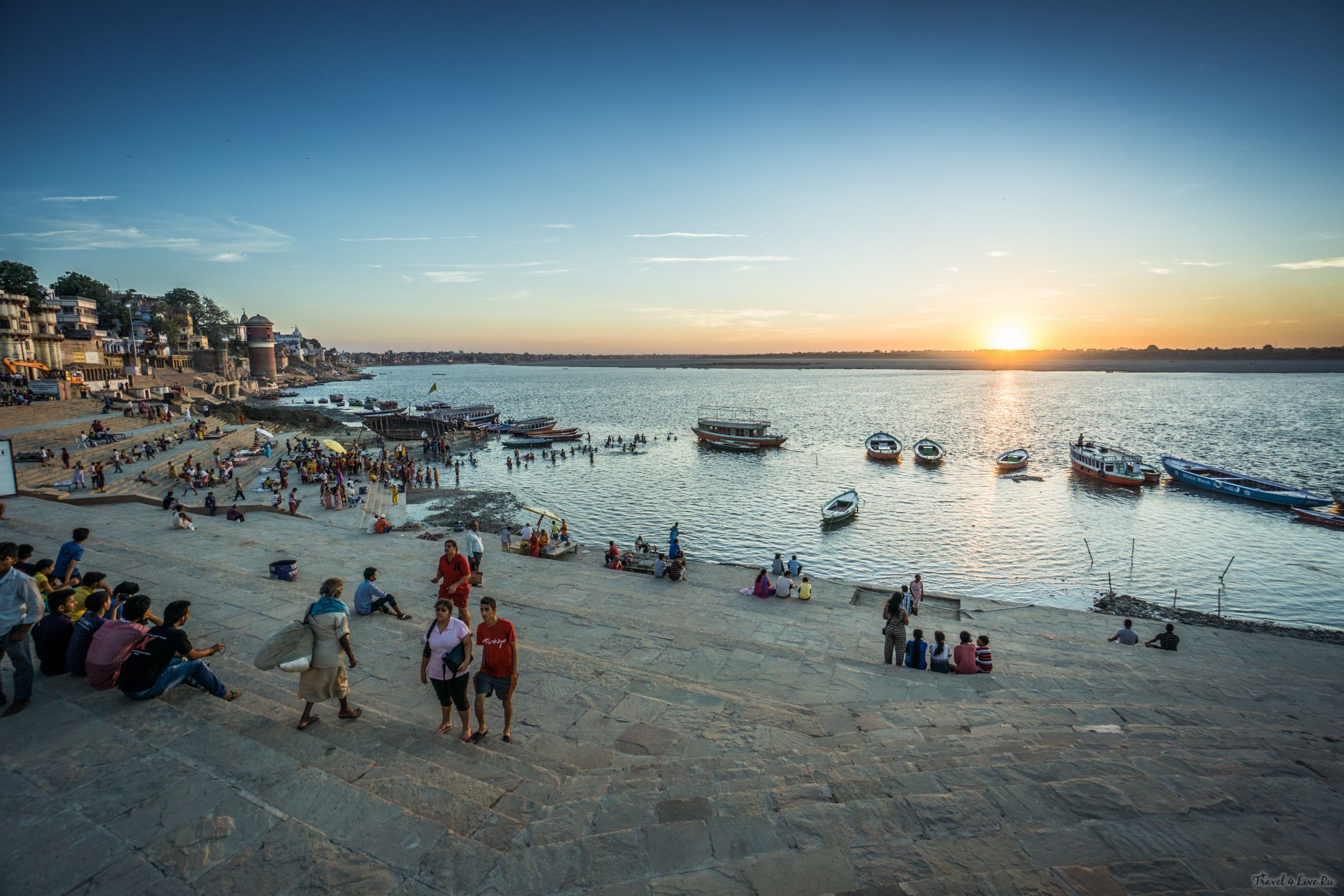
Without a doubt, the main attraction of Varanasi is the Ganges River and its embankments, the ghats.
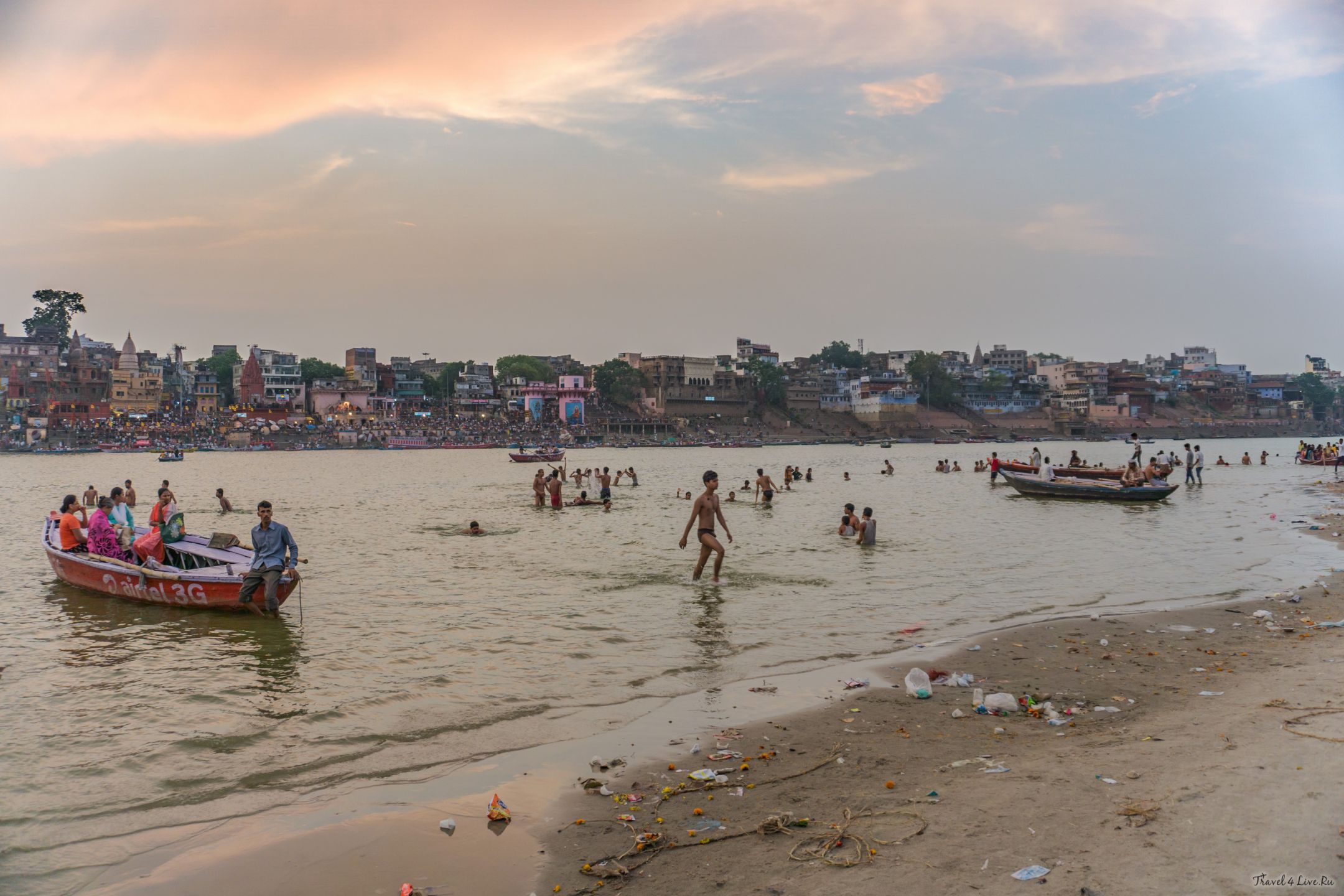
The Ganges is one of the longest rivers (2700 km) in South Asia and certainly one of the dirtiest. Industrial wastewater, human sewage, waste of all kinds, and the half-burned bodies of corpses cremated on its banks are dumped into it. What is more, some categories of the dead are not cremated. A stone is tied to them and they are thrown into the long-suffering river. And despite all this, Hindus bathe in it, wash in it, and even drink from it. For them the Ganges is sacred; she is their mother. Hindus are convinced that her waters wash away sins, and so she is pure by definition and not only safe but even good for your health. But don’t think the river has no harmful effect on the Hindus themselves, let alone on unprepared foreigners. It does, and how, especially on children’s weak bodies. According to the World Health Organization, of the 1.5 million Indian children who die every year from diseases transmitted through water, 30–40% are due to the Ganges. Most Hindus simply don’t connect feeling unwell with bathing in the river. And those who do still perform the ablution rituals, because the river is sacred, because their religion requires it.
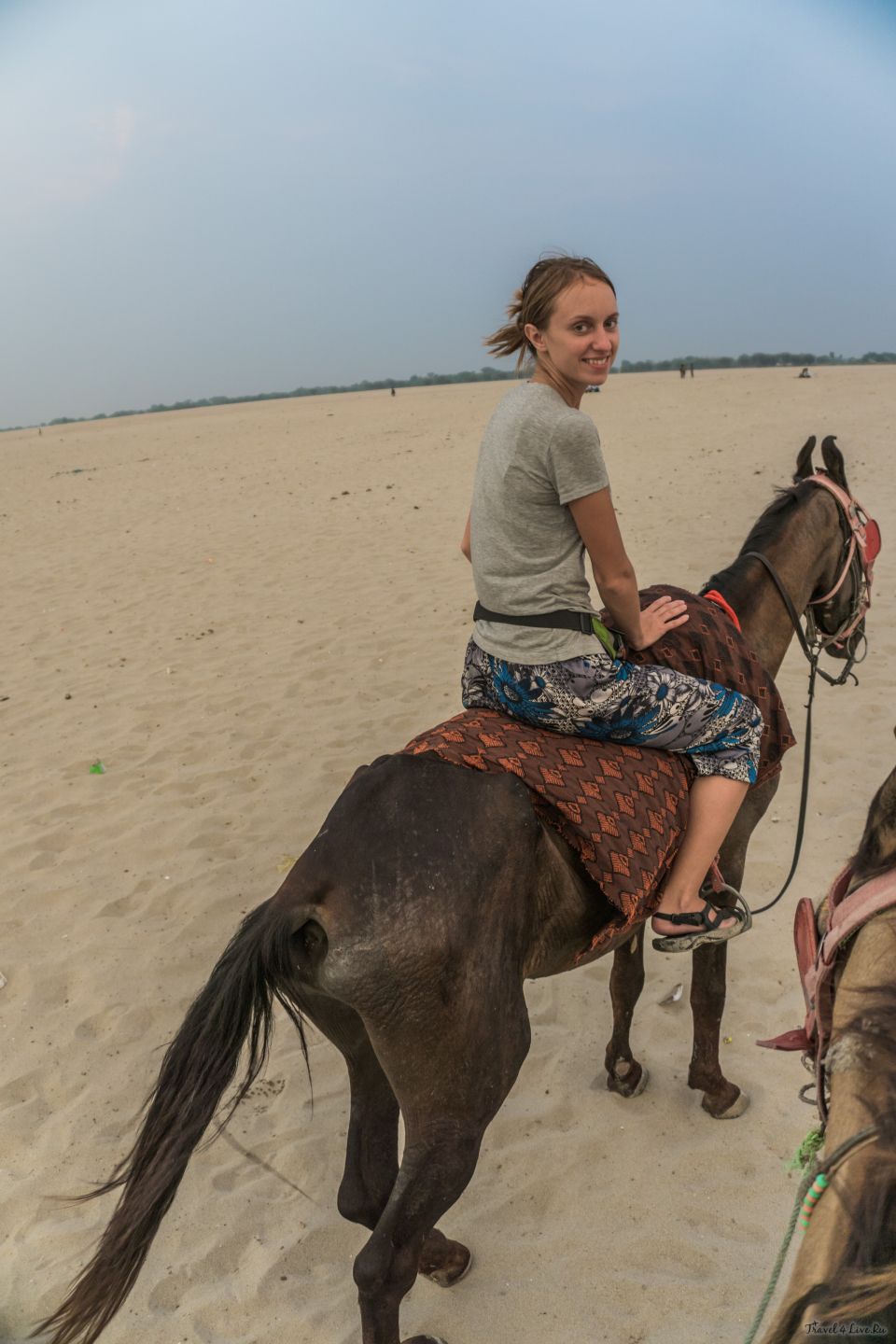
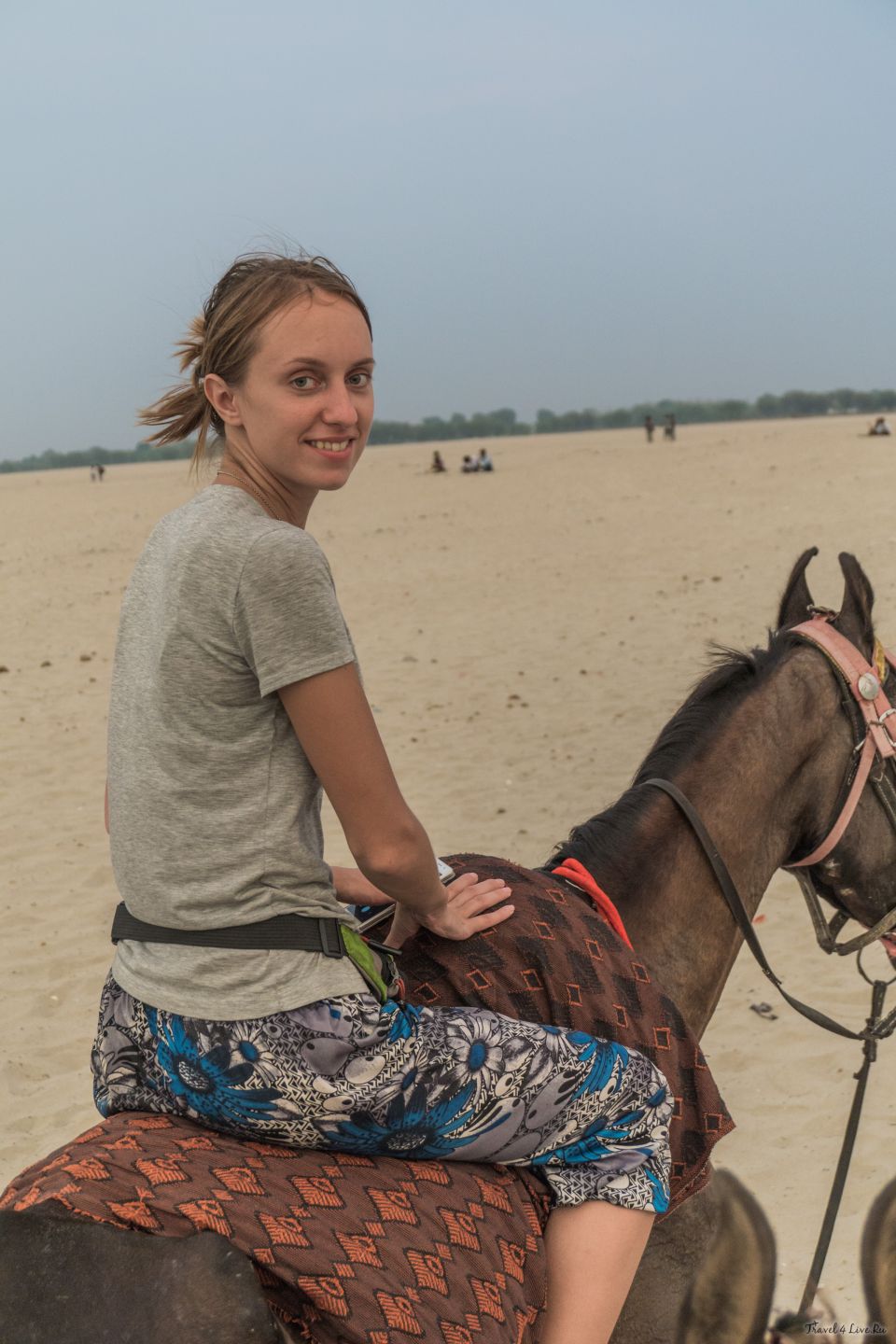
We didn’t bathe in the river, of course, but we did take a boat ride on its waters. Seeing the city from here is far more pleasant than pushing through the narrow streets of Varanasi. And on the other bank of the river you can ride horses for 20 rupees.
The ghats of Varanasi
The Ganges embankment consists of steps stretching for several kilometers, called ghats. The ghats are used for religious rites. Most of them are used for bathing in the river (and for household needs such as laundry, washing, and generally anything at all); on two of them cremation rites take place.
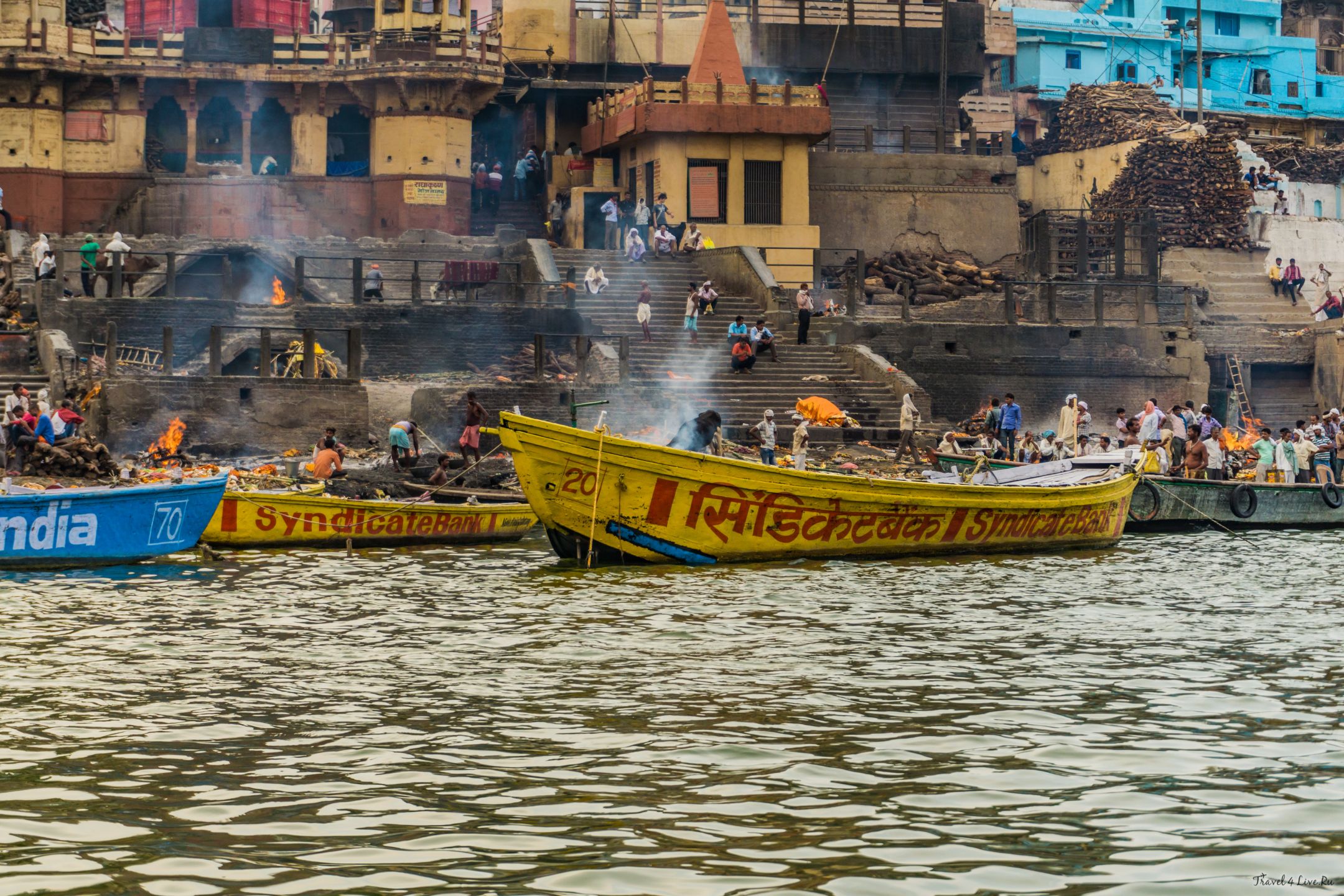
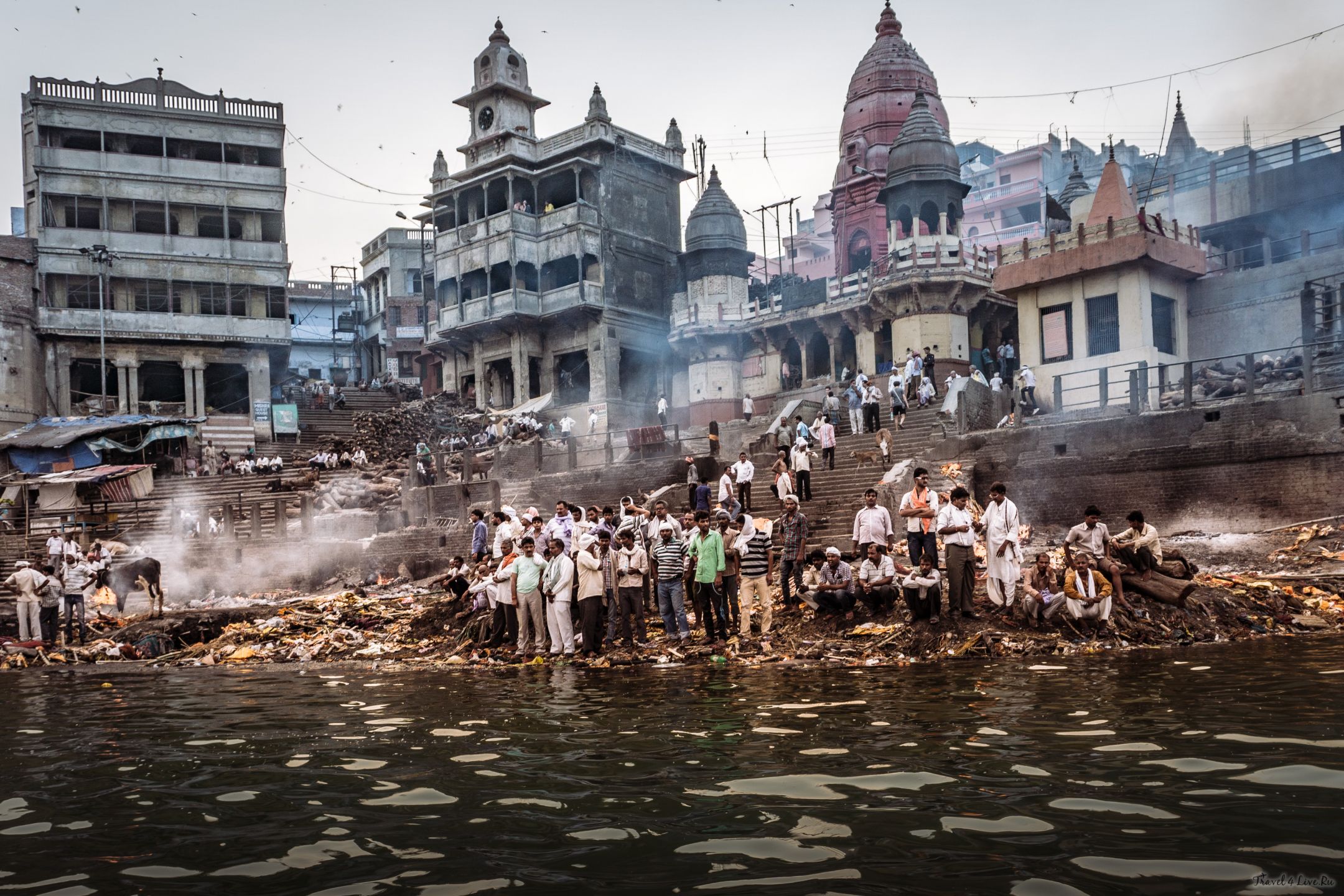
Every devout Hindu dreams of dying in Varanasi and being cremated on the bank of the sacred Ganges, because then he is guaranteed to complete the cycle of rebirths and reach the highest state, moksha. It is believed that fire purifies the soul of the deceased, but there are categories of the dead who are already pure and so do not need burning. They are the very ones who are thrown into the river with a stone. They include monks who renounced worldly life and devoted themselves to prayer and meditation, children, and pregnant women (because there is a child inside). People who died from a cobra bite are not cremated either. It is believed that they do not die but fall into a coma. They are wrapped in plastic film, laid on a raft made of banana tree, a note with their name and address is attached, and they are set afloat down the Ganges in the hope that a monk meditating on the bank will fish them out and revive the “sleeper”.
In Varanasi, the city of the dead, there are two ghats where bodies are cremated by fire, but there is also an electric crematorium (not as sacred or honorable) for the poor who have no money at all for firewood. Cremations go on constantly, 24 hours a day.
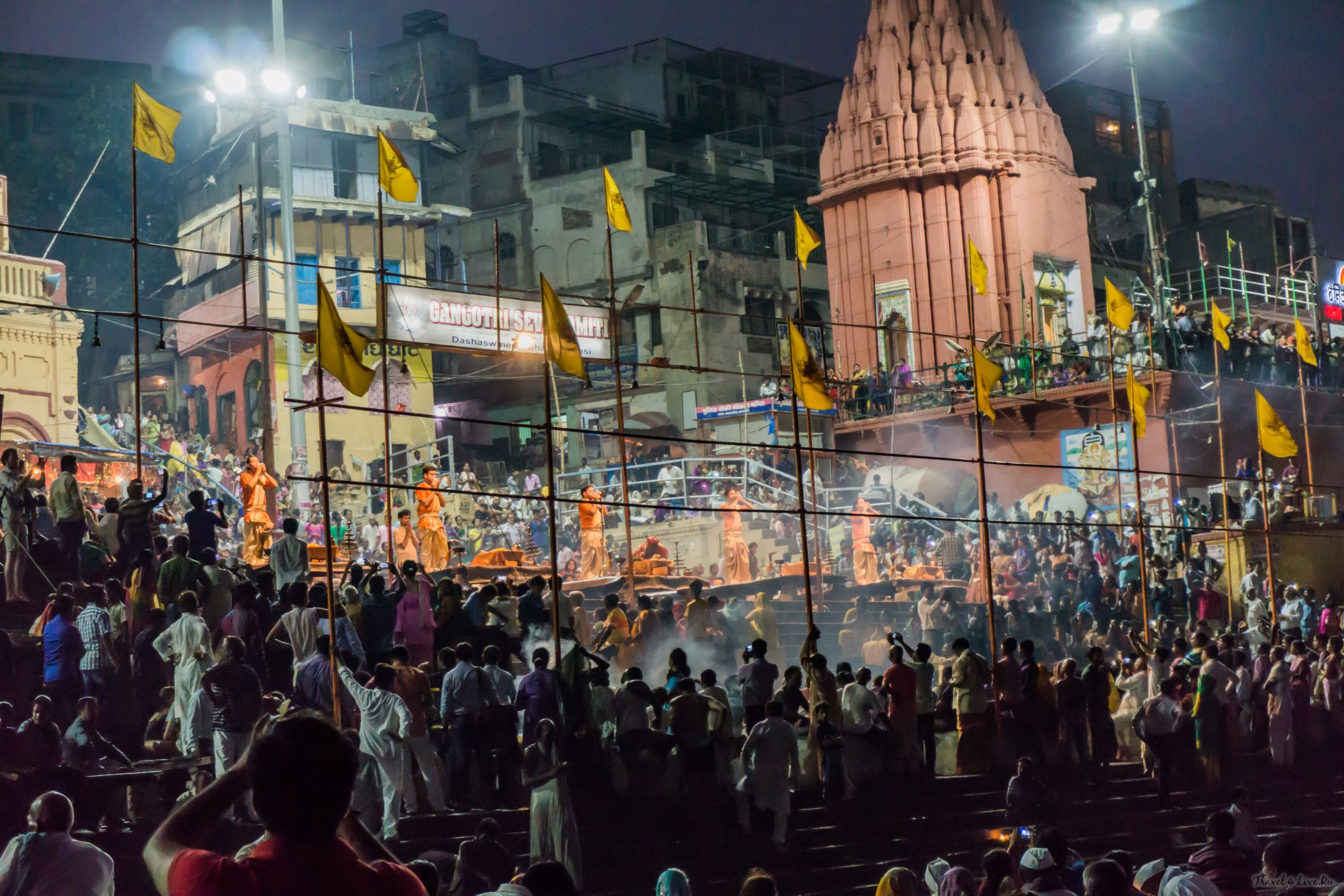
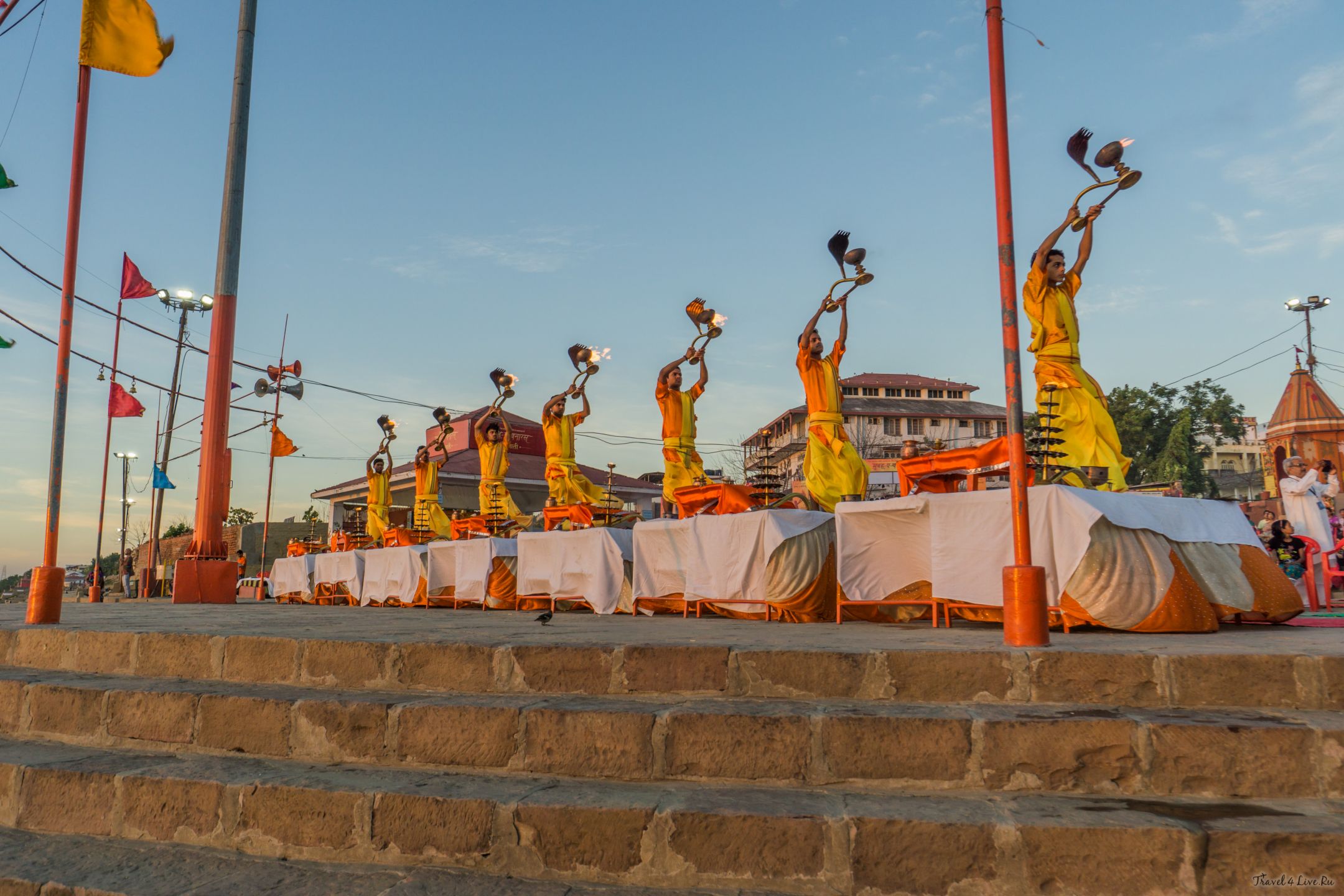
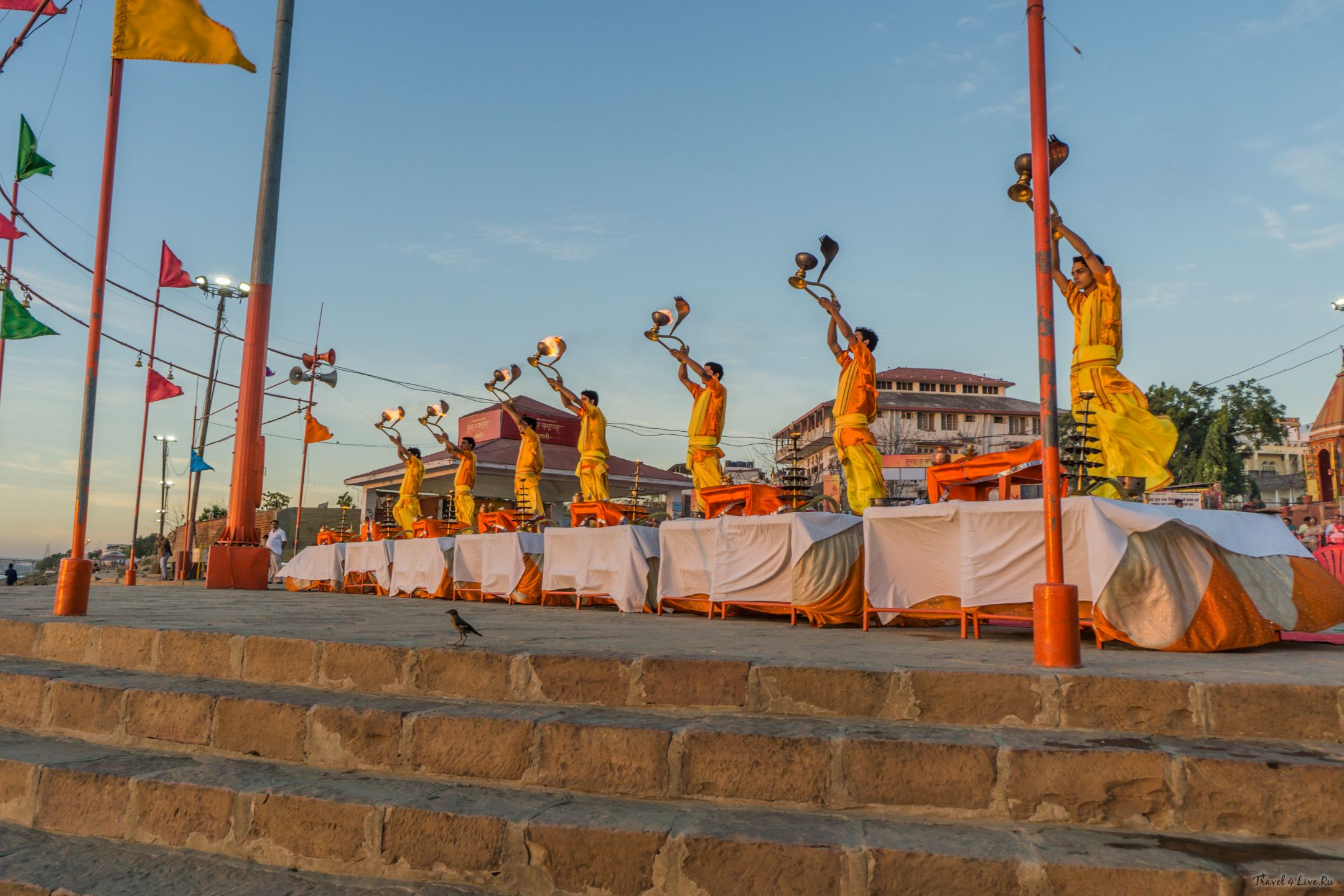
On a couple of other ghats, every day at dawn and at sunset, the Ganga Aarti ceremony is held. This is how Hindus pay their respects to Mother Ganga. The ceremony is performed by five Brahmins (in the morning, seven). They burn incense sticks, sing, and perform rituals with burning bowls. At the end of the ceremony many people set little baskets with burning candles on the water, making a wish as they do.
Our impressions of Varanasi
As for our impressions of Varanasi, the city of the dead, they are more negative than neutral. Even setting aside the fact that we came here in the hottest season and were dying from the heat, the city is not likable. Very cramped, dirty, and crowded. In alleys where you can reach out and touch two houses standing opposite each other, crowds of Hindus somehow manage to walk, motorcycles ride, and cows relieve themselves. Nearly every patch of ground is covered in garbage, and everywhere there is a terrible stench. Not that any of this is surprising for India as a whole, but in Varanasi it is all far more pronounced and crosses the line of common sense.
You would have to be an extremely biased pseudo-super-spiritual person to find in all this obscurantism anything at all spiritual, lofty, and cosmic.
We spent 4 days here, wandered around the city, floated down the Ganges, watched cremations and various rites and ceremonies, tried to find at least something positive, but all in vain. Although there was one pleasant moment. The sunrise on the river. So clean, beautiful, calm, so out of keeping with everything happening around it…
Comments
Thank you! Your comment has been sent and will appear after moderation.