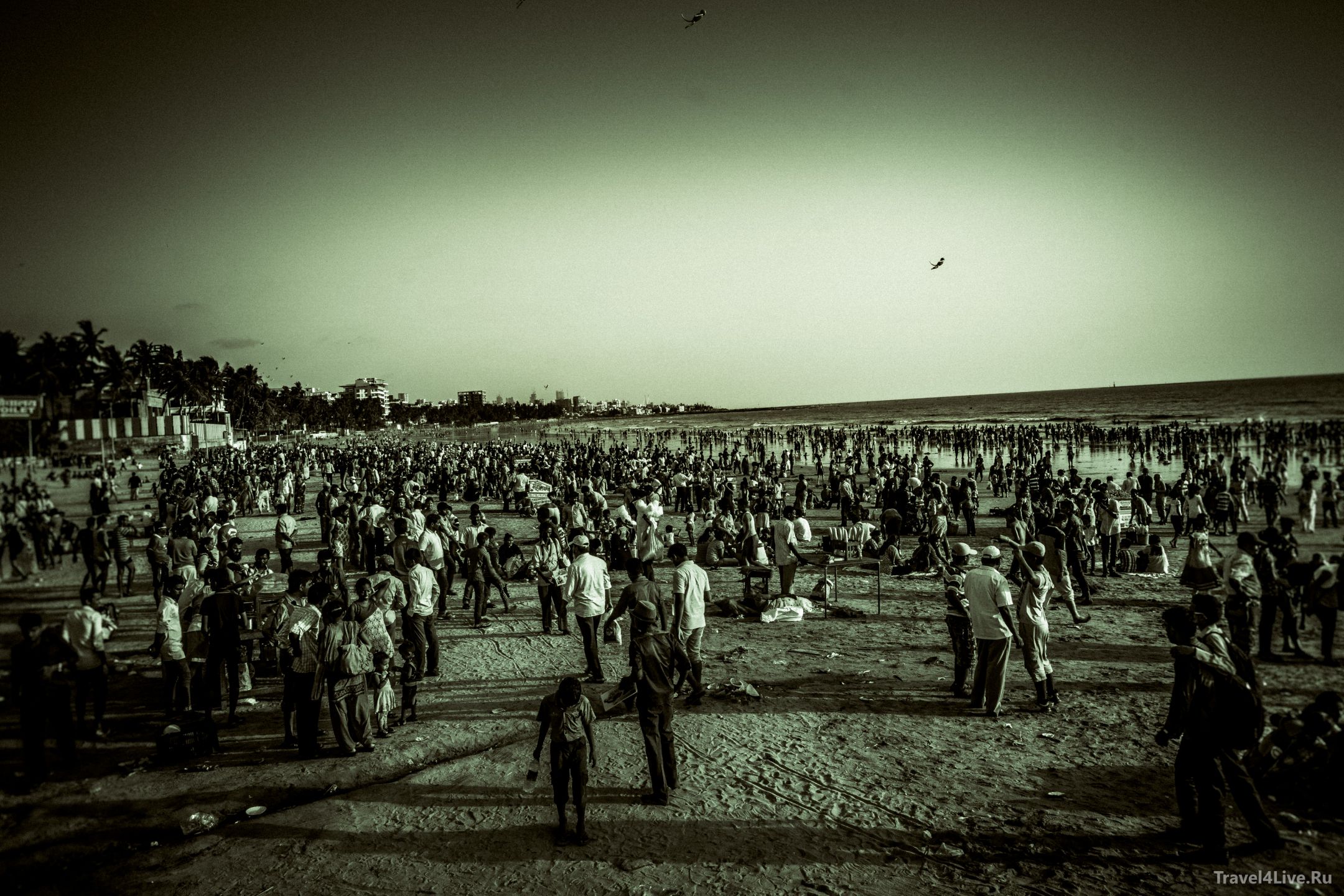
Mumbai sights. What to do in the Indian megacity?
The city of Mumbai, known until 1995 as Bombay, is the most populous city in India, and also the most expensive. Many sights are located in Mumbai. In our view, it is one of the most colorful cities in India, one worth visiting to better understand the mysterious Indian essence. There is definitely plenty here to see and to do.
First impressions of Mumbai
We arrived in Bombay by train from Goa. At the station a taxi driver picked us up and drove us to the tourist district, Colaba. You have to be very careful with taxi drivers and agree on the fare strictly in advance. Our driver talked us into it, like, everything will be okay, Russia and India are friends, and so on, and when we arrived he inflated the price by as much as 3 times. Luckily, we had managed to find information online about the real cost of a ride like that, and our driver was told where to go, having received the standard amount.
Accommodation prices in Mumbai
As mentioned earlier, Mumbai is the most expensive city in India, and finding the kind of inexpensive guesthouse under $10 that is usual for India is practically impossible. After wandering around the Fort area, we found a guesthouse for locals with a depressing, but still inexpensive by the city's standards, price: $20 for a double with Wi-Fi, TV and breakfast.
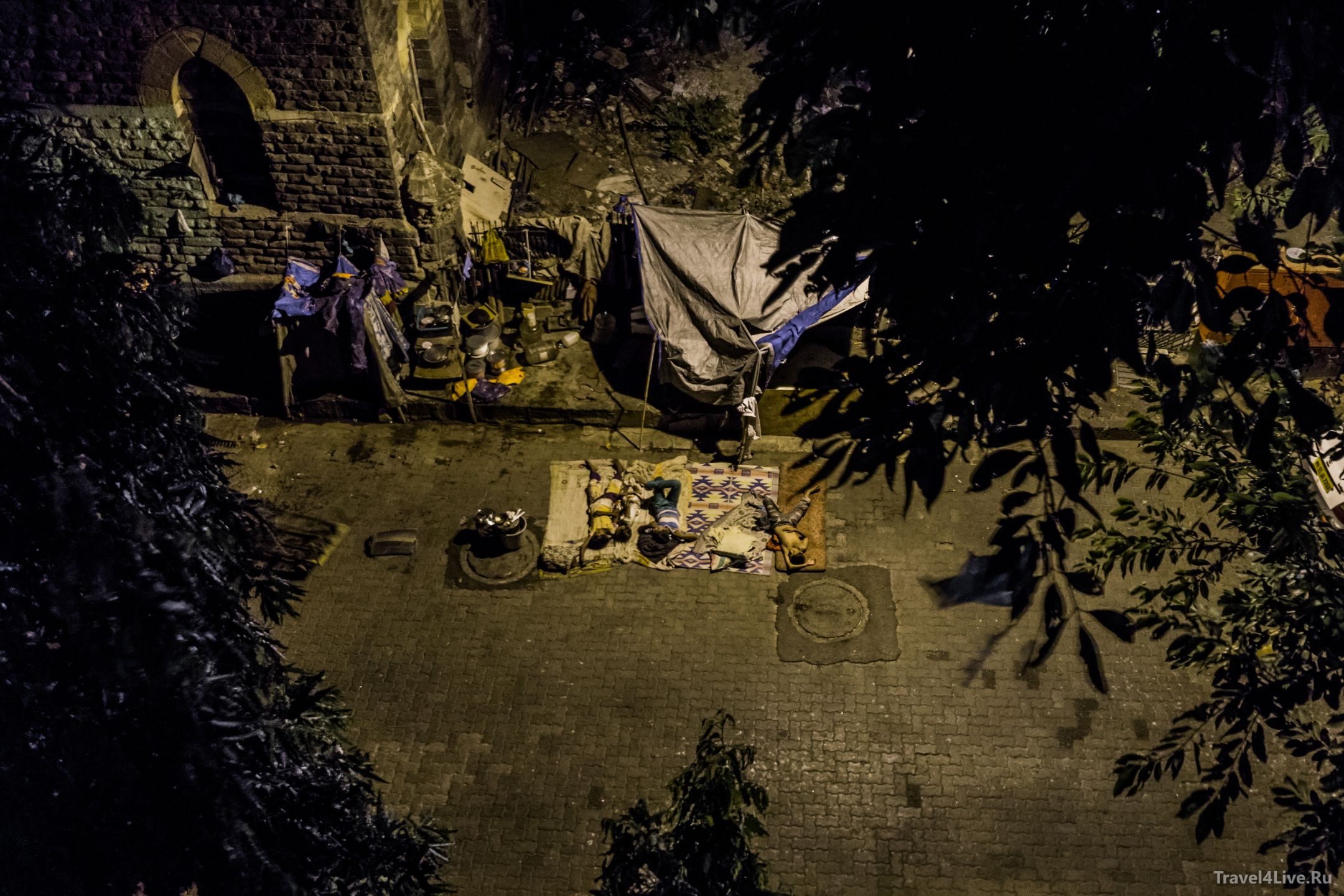
What can be said about the city itself: there really are a lot of people on the streets, and there are far from enough proper places to sleep for everyone. For example, a man who sold goods at a stall during the day sleeps right there at night, right on the sidewalk. And the poor live not only in the slums but right on the streets, next to hotels and expensive buildings; they even sleep on the median strip of the highway. Our “hotel” was no exception. When night fell, a blanket was spread out on the street, and you could see the following picture:
Mumbai sights
At the same guesthouse we booked a bus tour of Mumbai's sights. It turned out to be a tour for Indians, entirely in Hindi. And, given local tourist tastes, we visited a 4D cinema (apparently a novelty for Indians from the provinces), drove past the homes of famous Bollywood stars, visited a temple (or rather, didn't visit it) where entry for a white person costs 10 times more than for locals, and a favorite city beach with an unimaginable number of people and all sorts of vendors. This is how we saw it:
Among the proper sights, we visited the Gateway of India, next to which stands the city's poshest hotel, the Taj Mahal Palace Hotel:
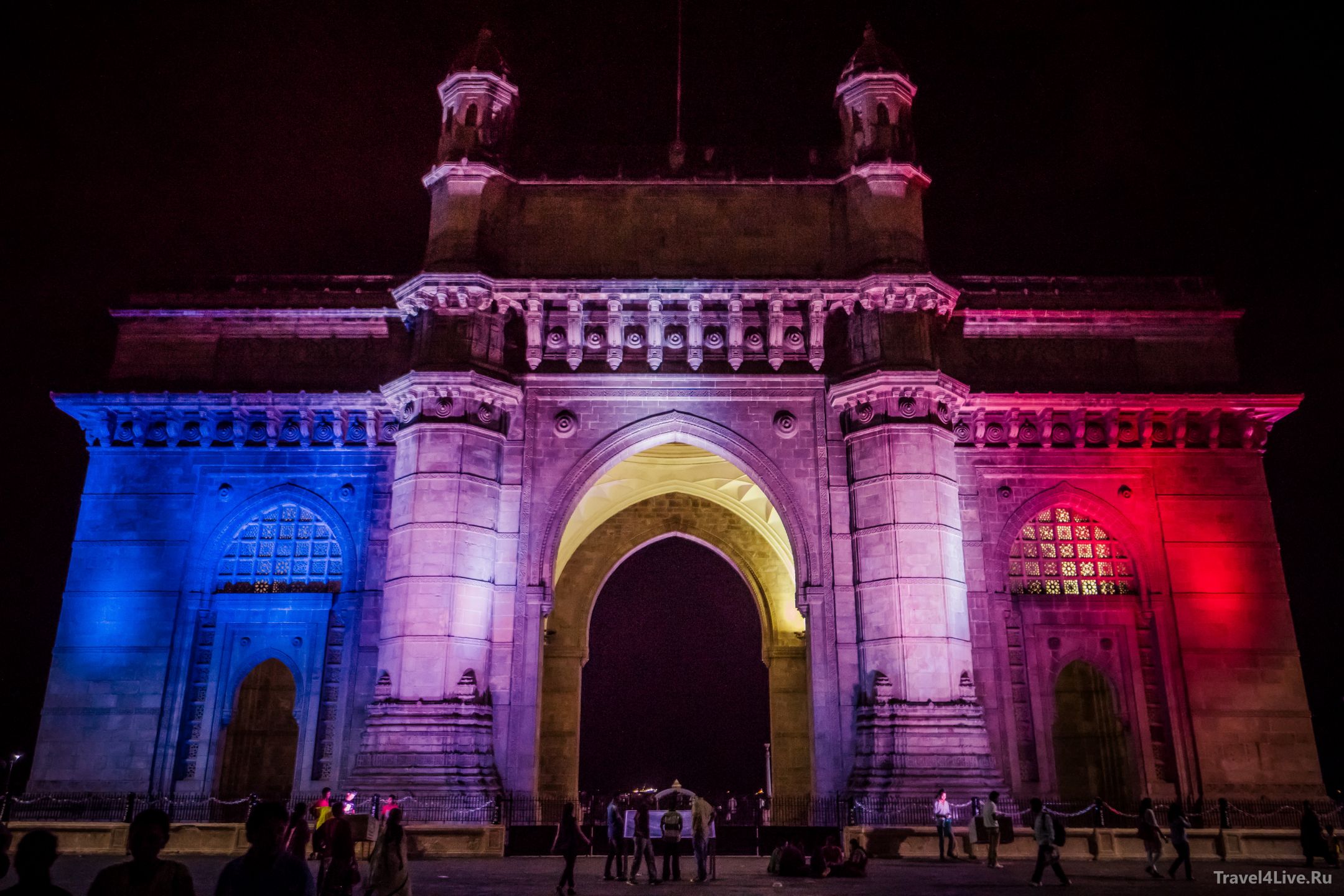
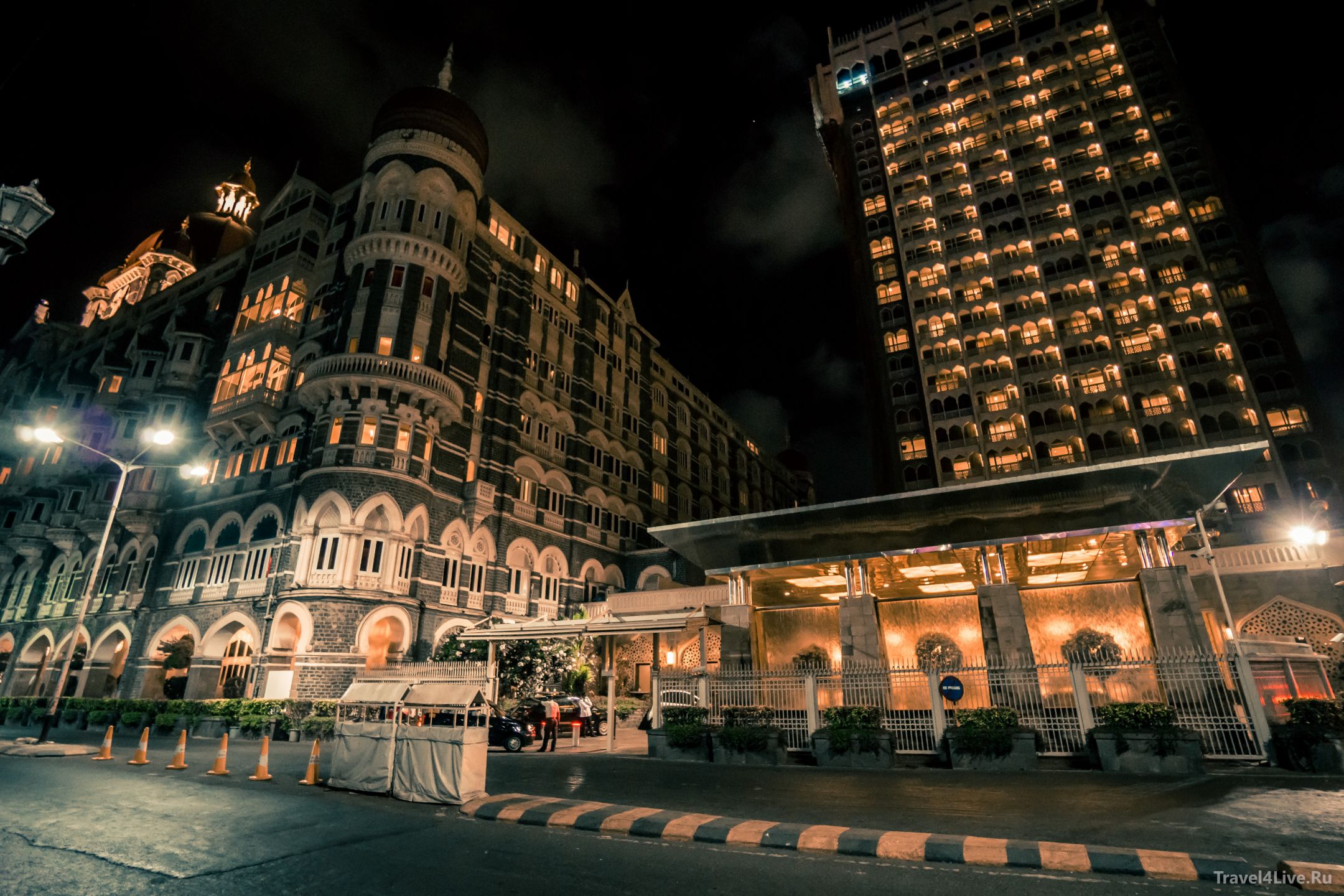
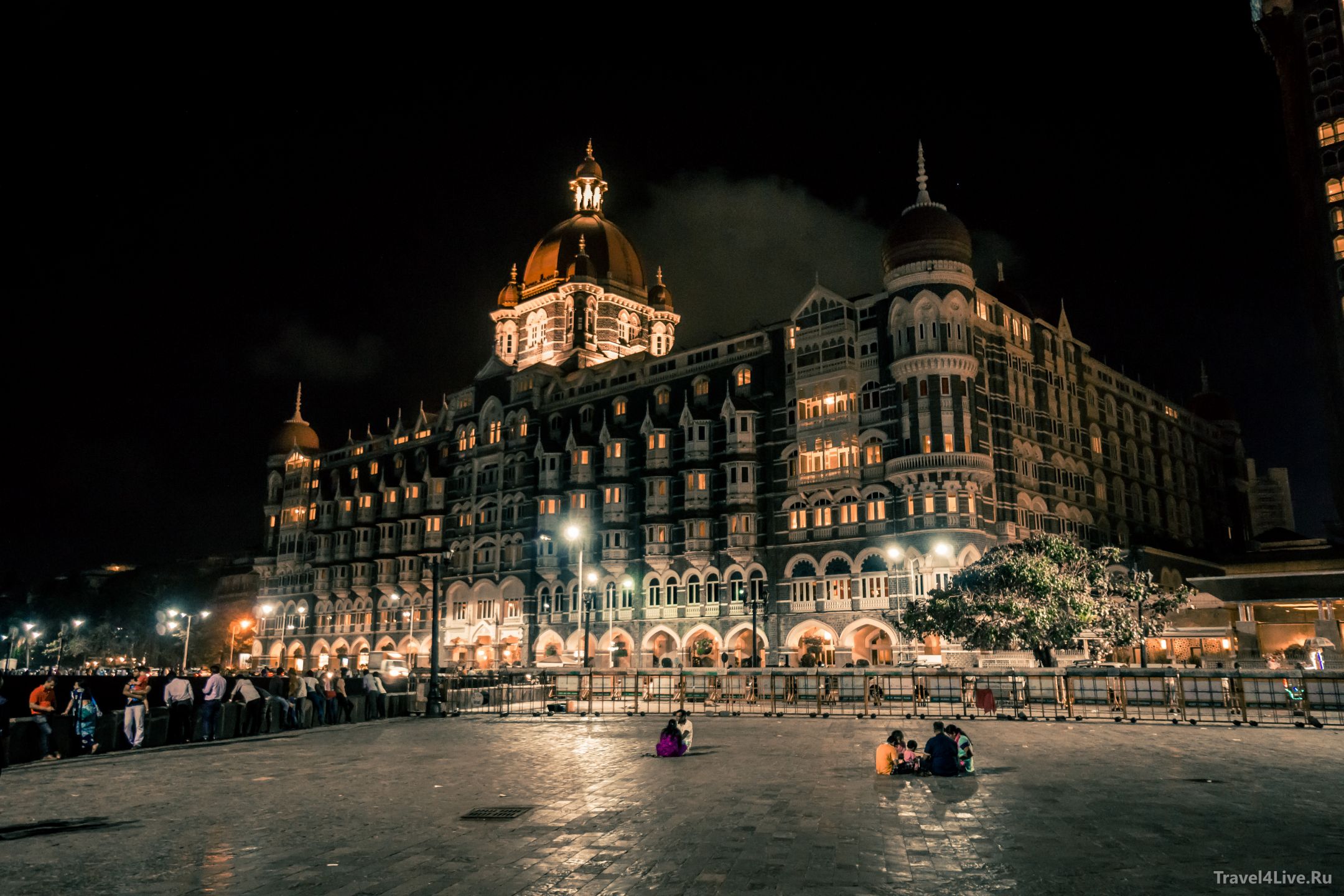
It must be said that there are beautiful, wealthy buildings here. But right next to them stand shabby high-rises with laundry drying from the windows, and not far away, under awnings made of old advertising banners, live destitute Indians. There is also a junkyard of cars under a layer of dust right there. It all looks very depressing.
The day before the tour we walked around the city on our own and managed to ride every kind of city transport: buses, which don't consider it necessary to stop at bus stops and just slow down next to them, so you have to jump on without hesitating. Commuter trains are just like in Russia: you buy a ticket to your station and ride. The cars are divided into general and women's cars. And the Mumbai metro back then consisted of a single line and was entirely above ground (since October 2025 a fully underground Line 3 has been running too). The metro is clean and comfortable, with no beggars or destitute people. You enter and exit with plastic tokens. The cars are also divided by gender. This is what some of Mumbai's stations look like:
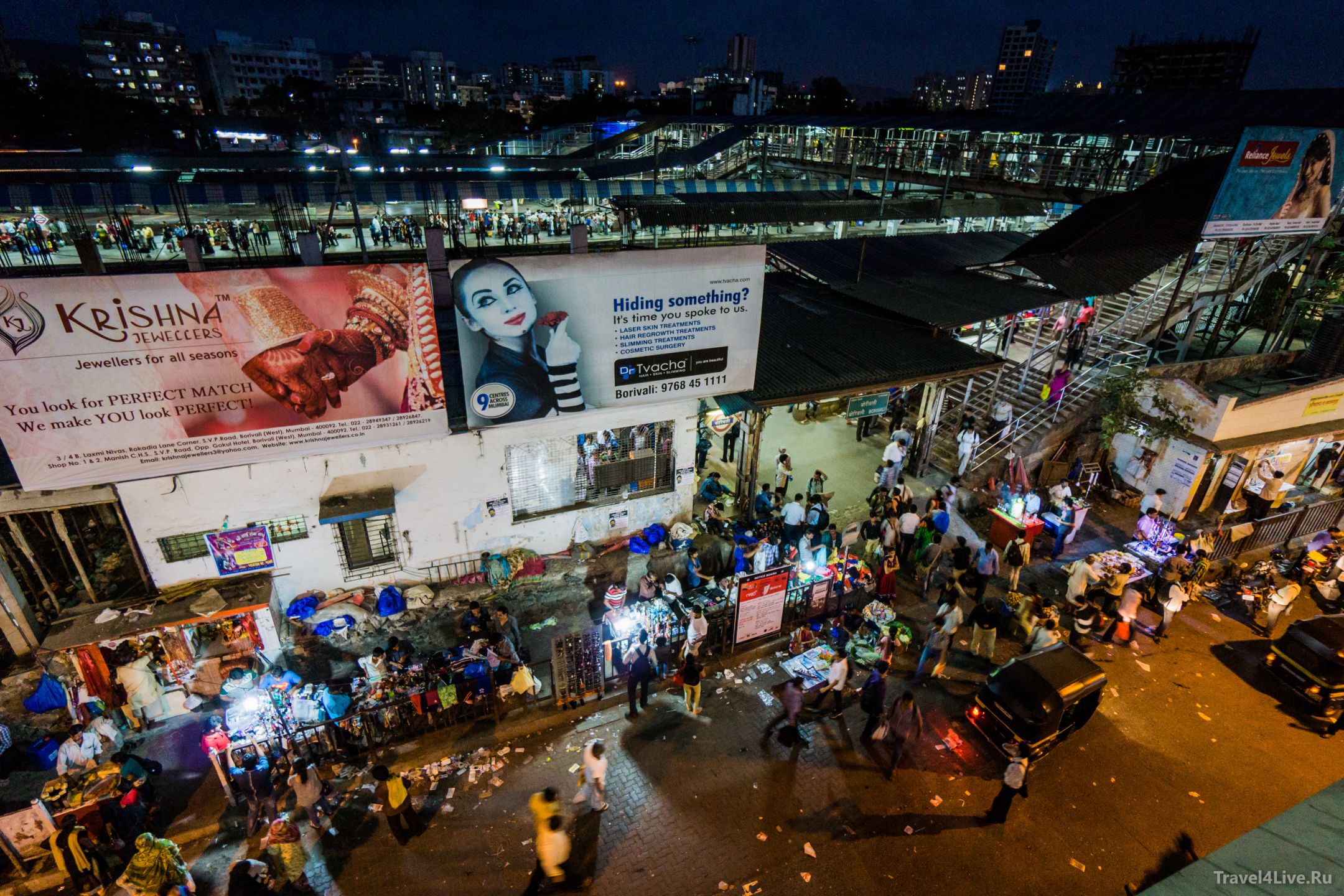
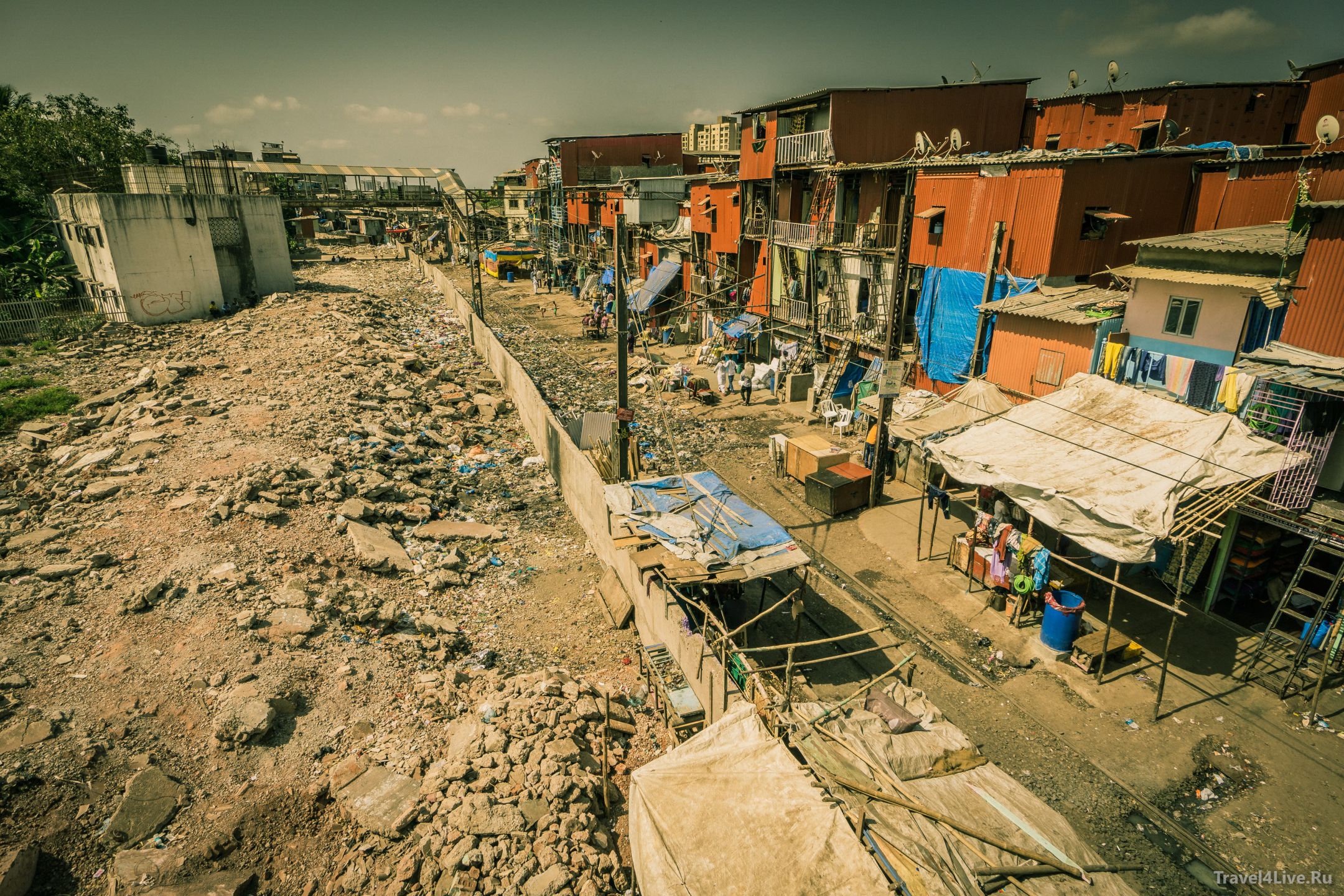
On our last day in Mumbai we visited one of the city's most youth-oriented sights: the largest amusement park in Central Asia, combined with a water park, Essel World.
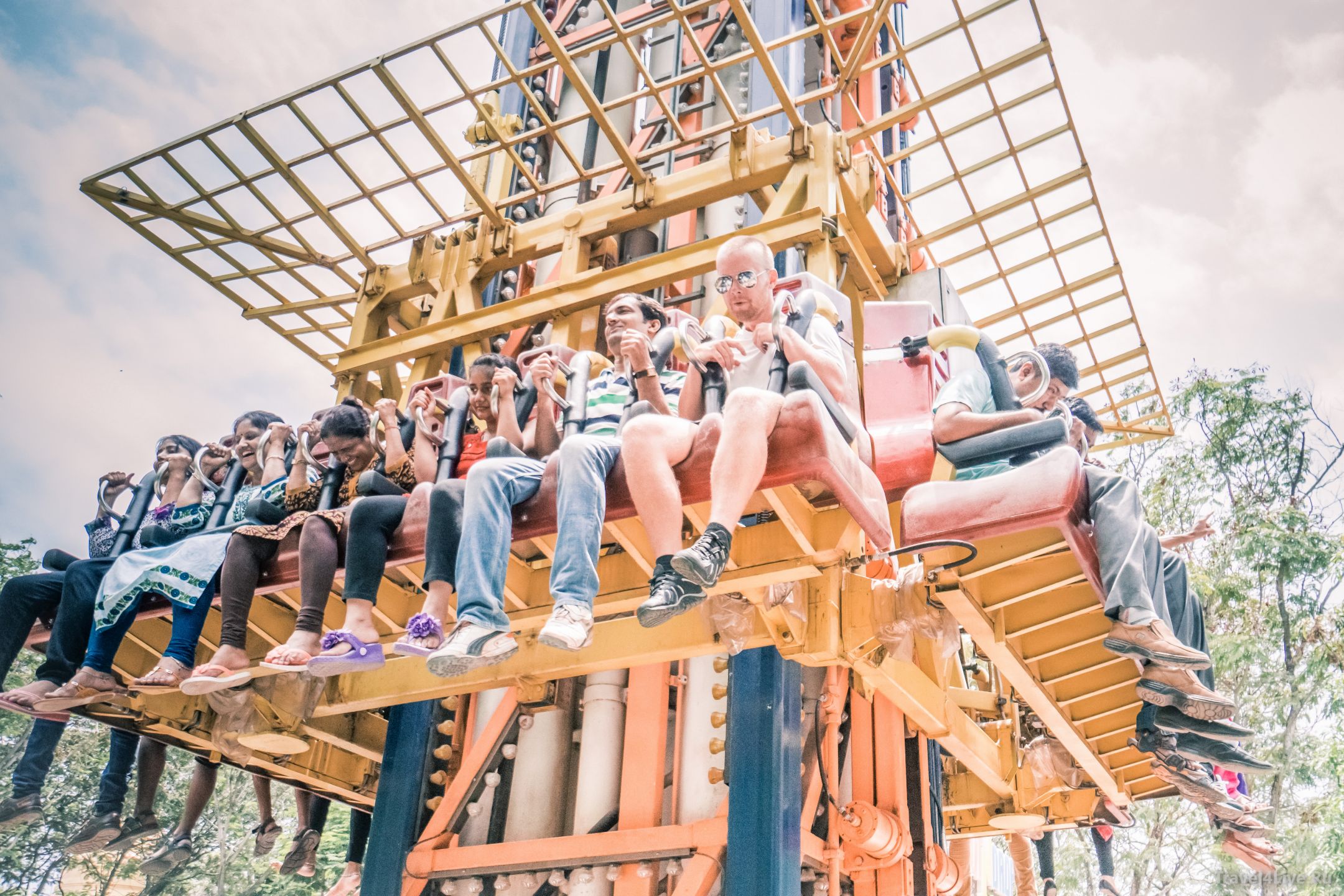
This is how Mumbai and its sights revealed themselves to us during the 3 days we stayed there.
Comments
Thank you! Your comment has been sent and will appear after moderation.