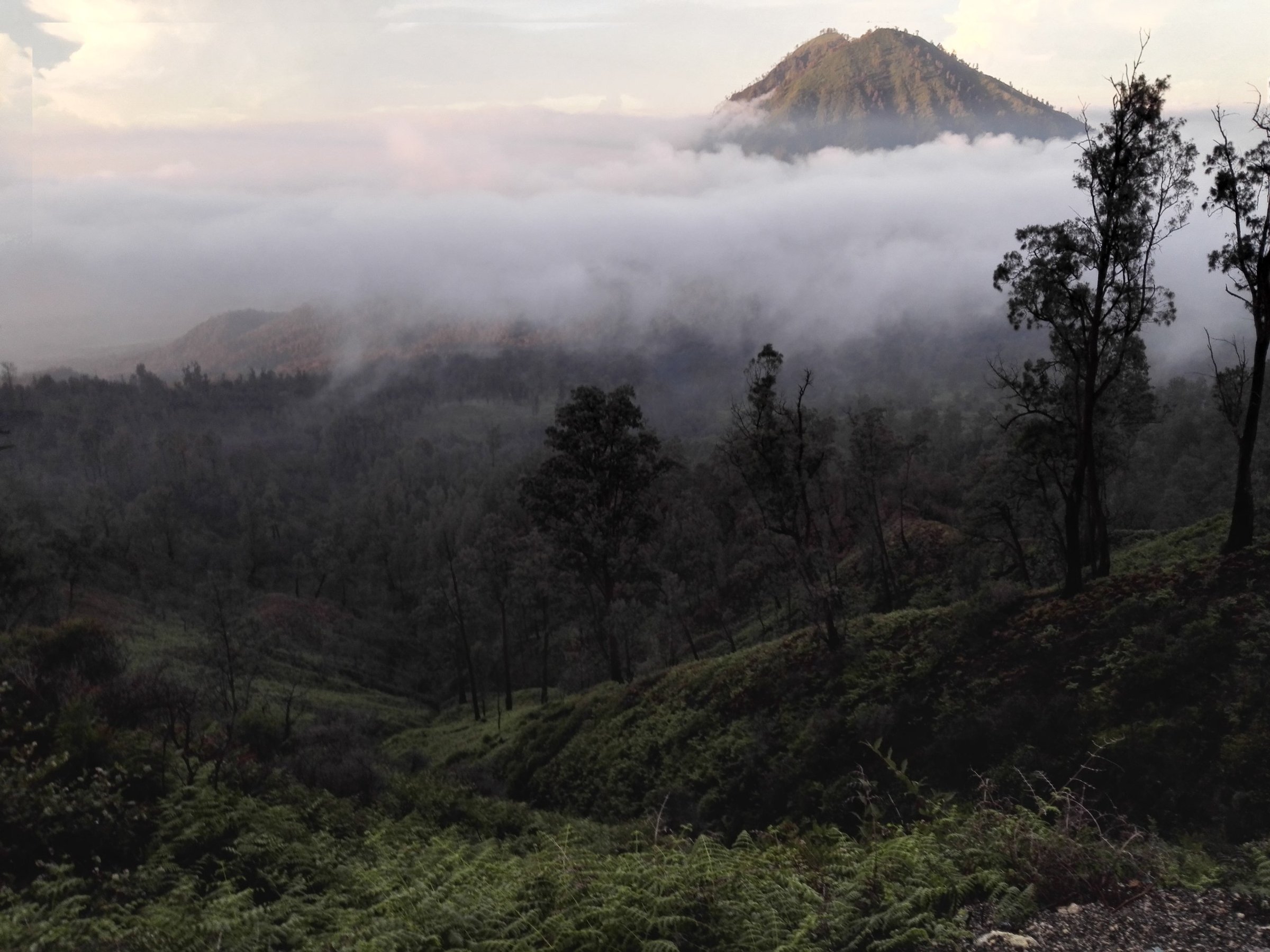
Java by scooter: two night volcanoes and a flat tire
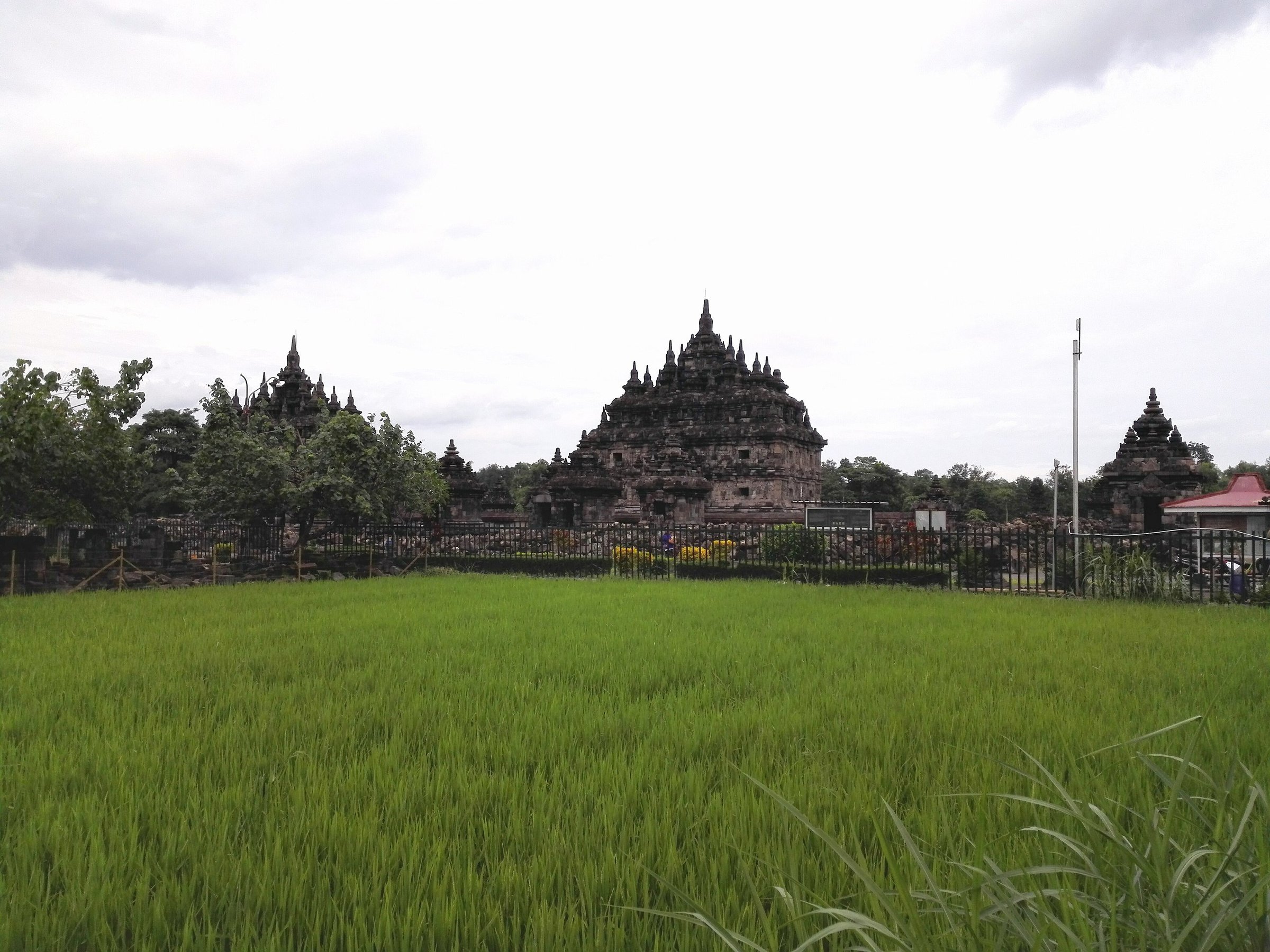
In early March 2016 we were living in Yogyakarta. The city covers a large area but feels small: no skyscrapers, no subway, just low houses and narrow streets. The people here are friendly, everyone smiles and says hello, and there are almost no white tourists. For the first few days we rode around the city and the surrounding forests and hills, looked at the ruins of an ancient temple, and watched the sunset from a hill.
Merapi
From here we set off for the first volcano. Merapi is the most active volcano in Indonesia, about 2900 meters high; its name translates as "mountain of fire."
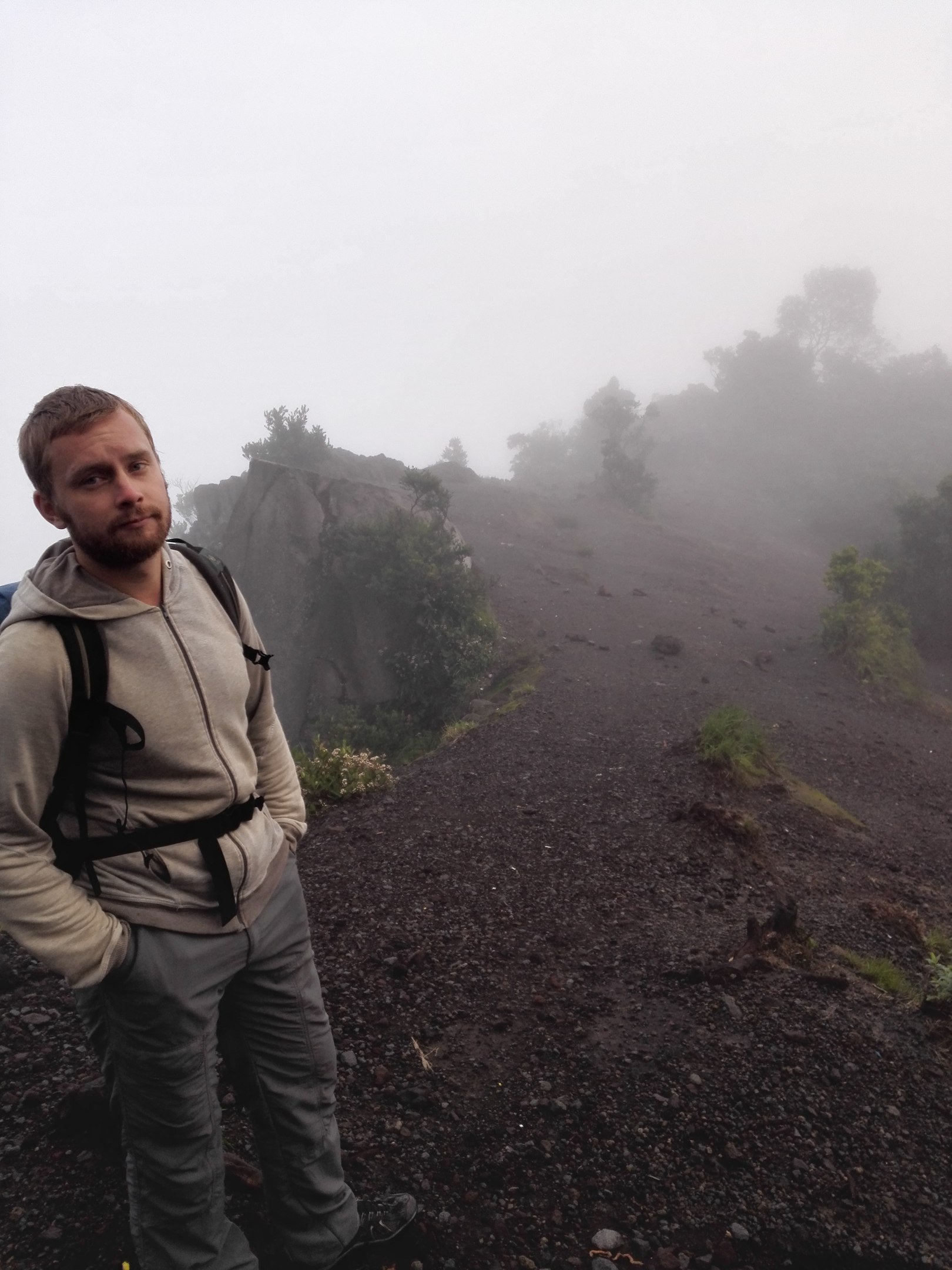
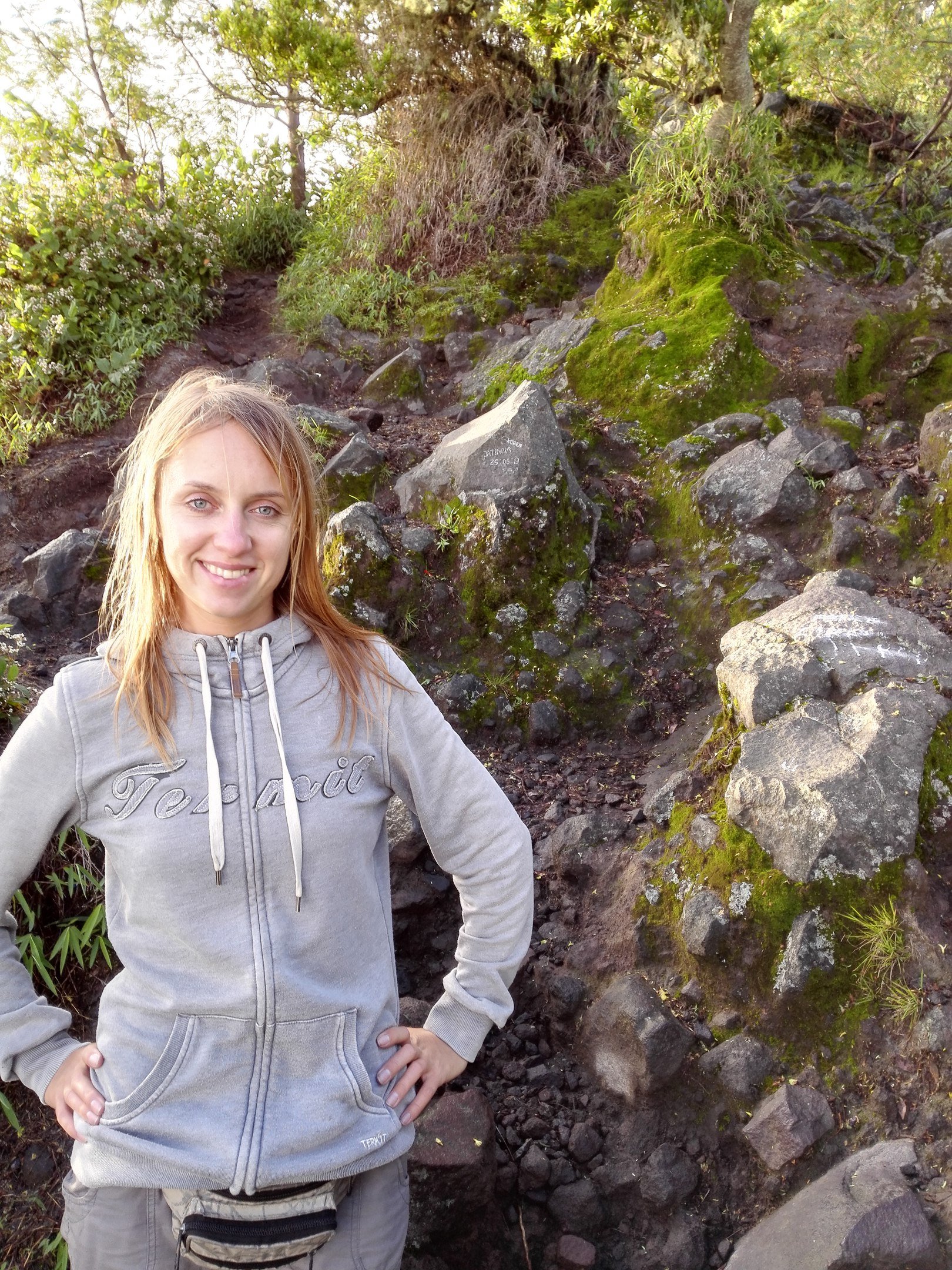
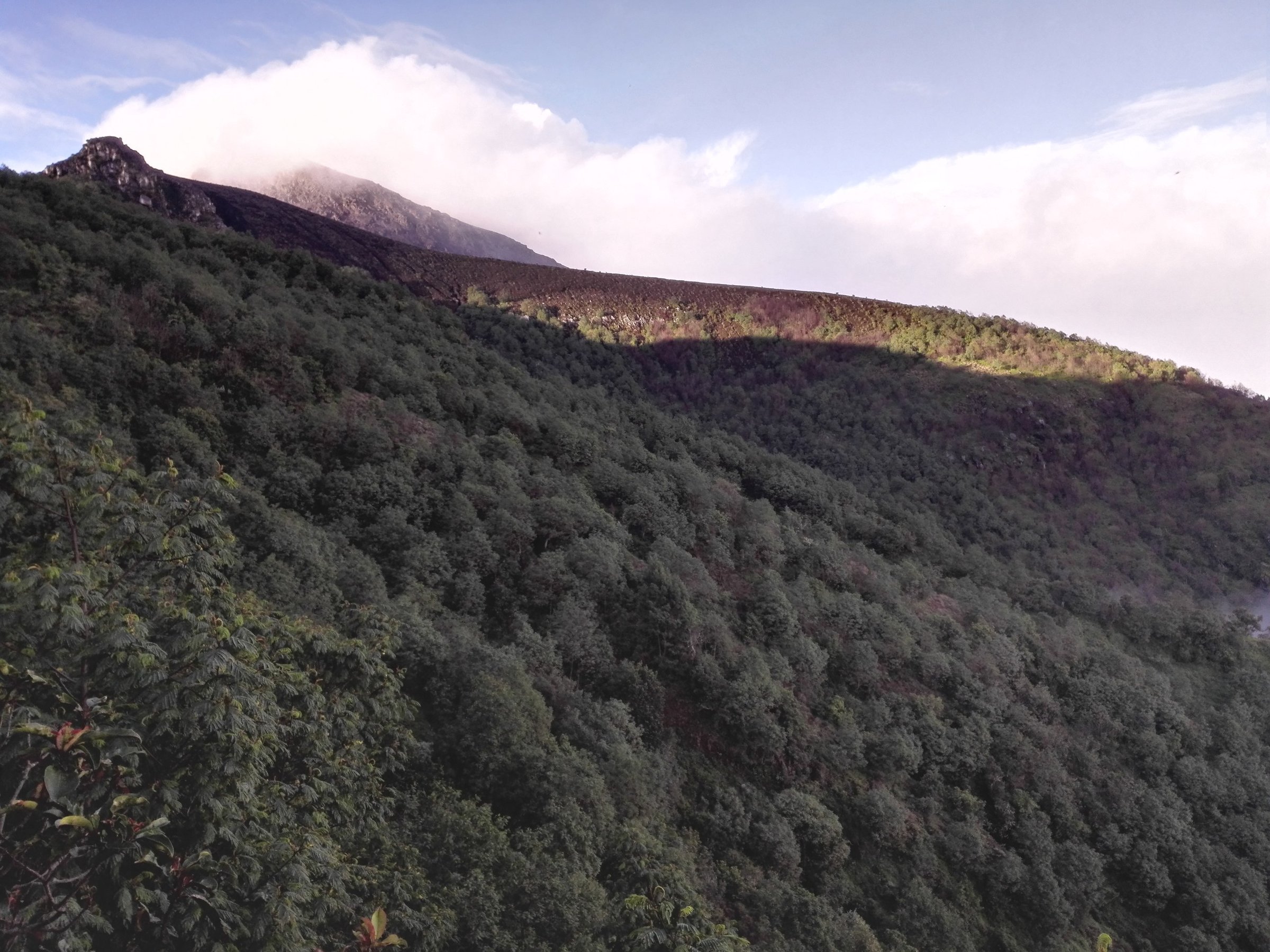
We headed out to it on the bike at around half past eleven at night on March 3 and got to the village of Selo, where the climb begins, without any trouble. We walked in the dark with a flashlight for about four or five hours. Right near the summit, with about two hundred meters left to go, the walking got hard, and we realized we had lost the trail. We went down a bit to look for it, but where it should have been there were lots of no-entry signs. It was starting to get light, the view was stunning, and we decided to stop at 2700 meters.
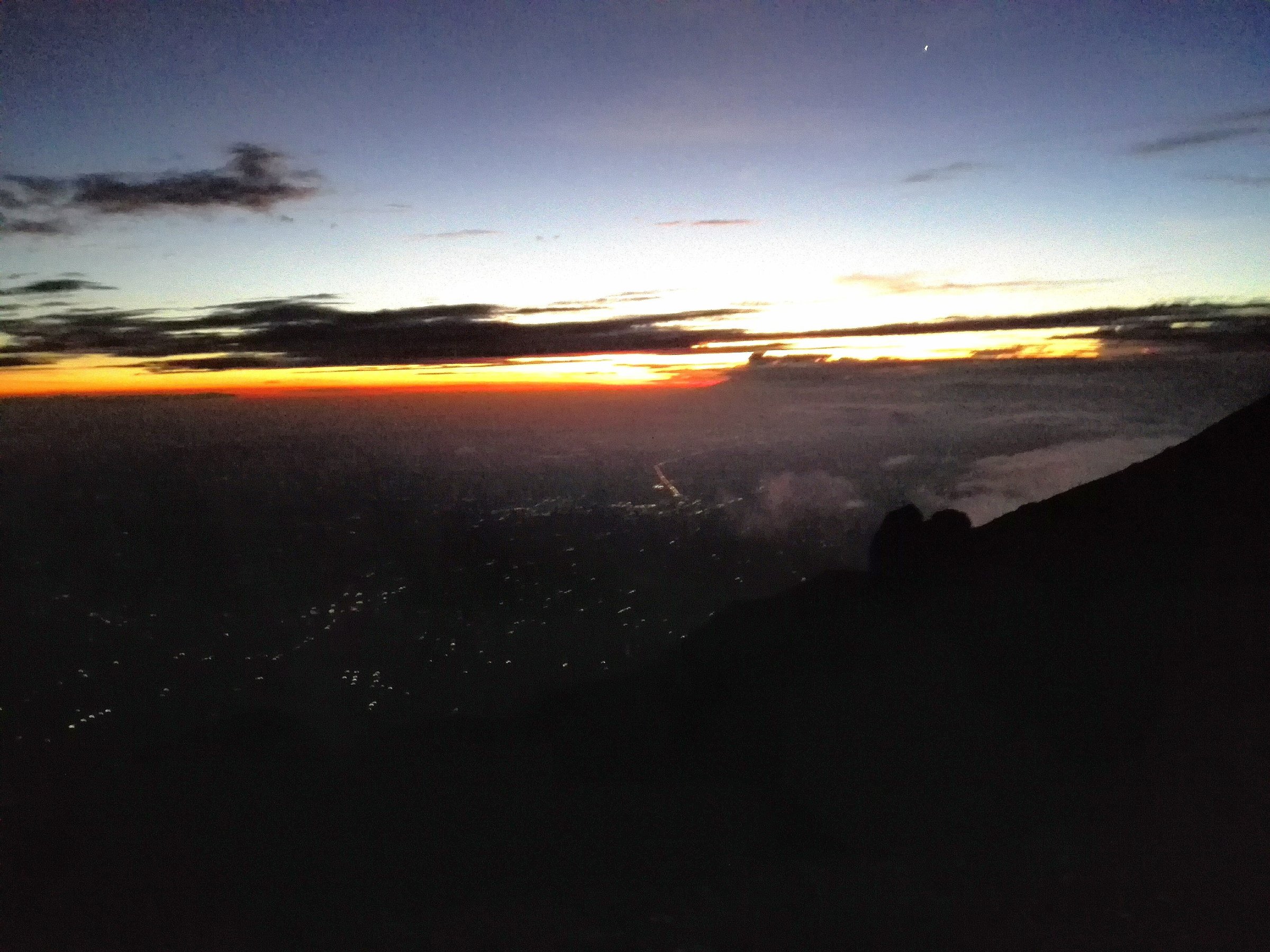
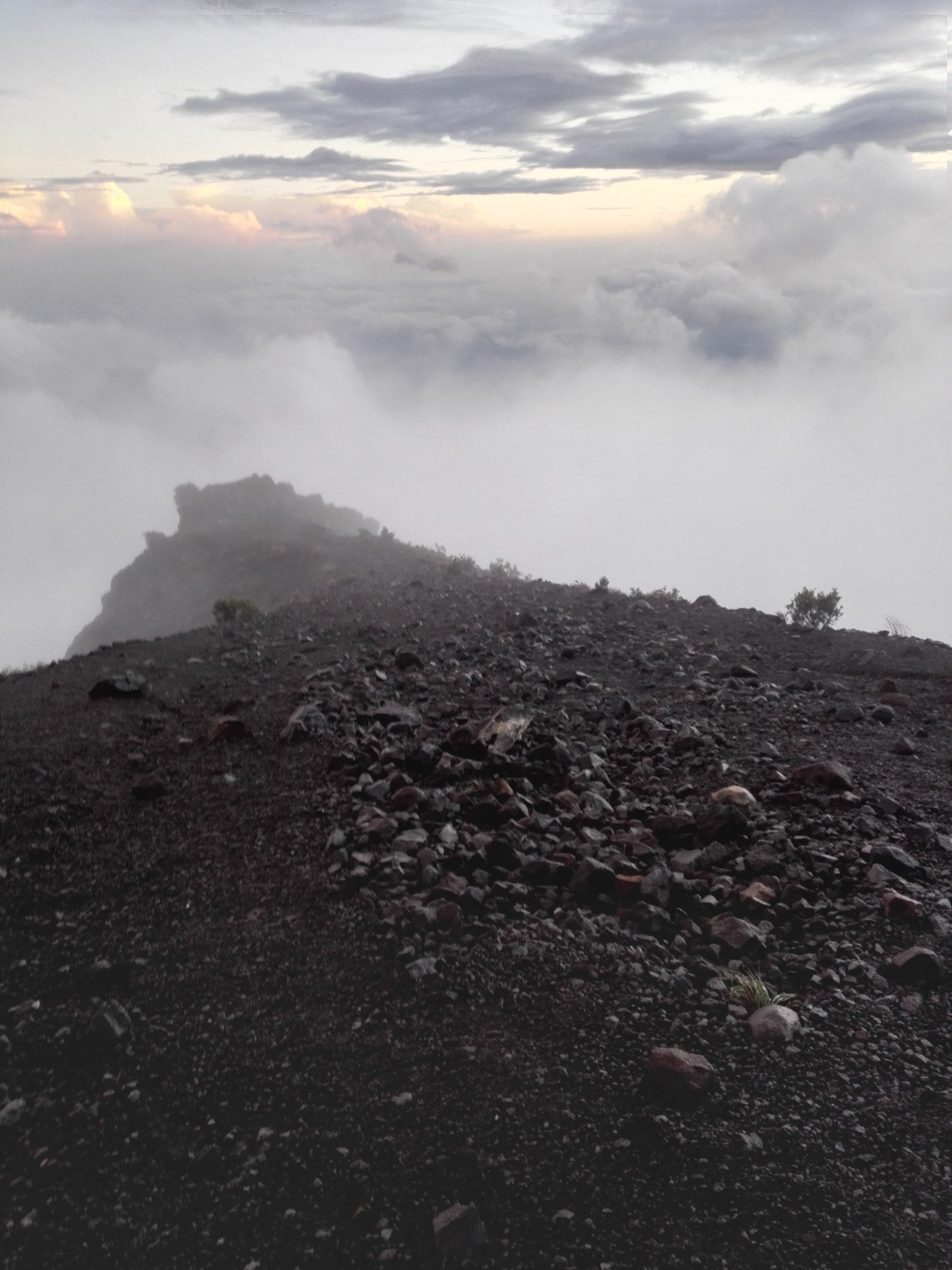
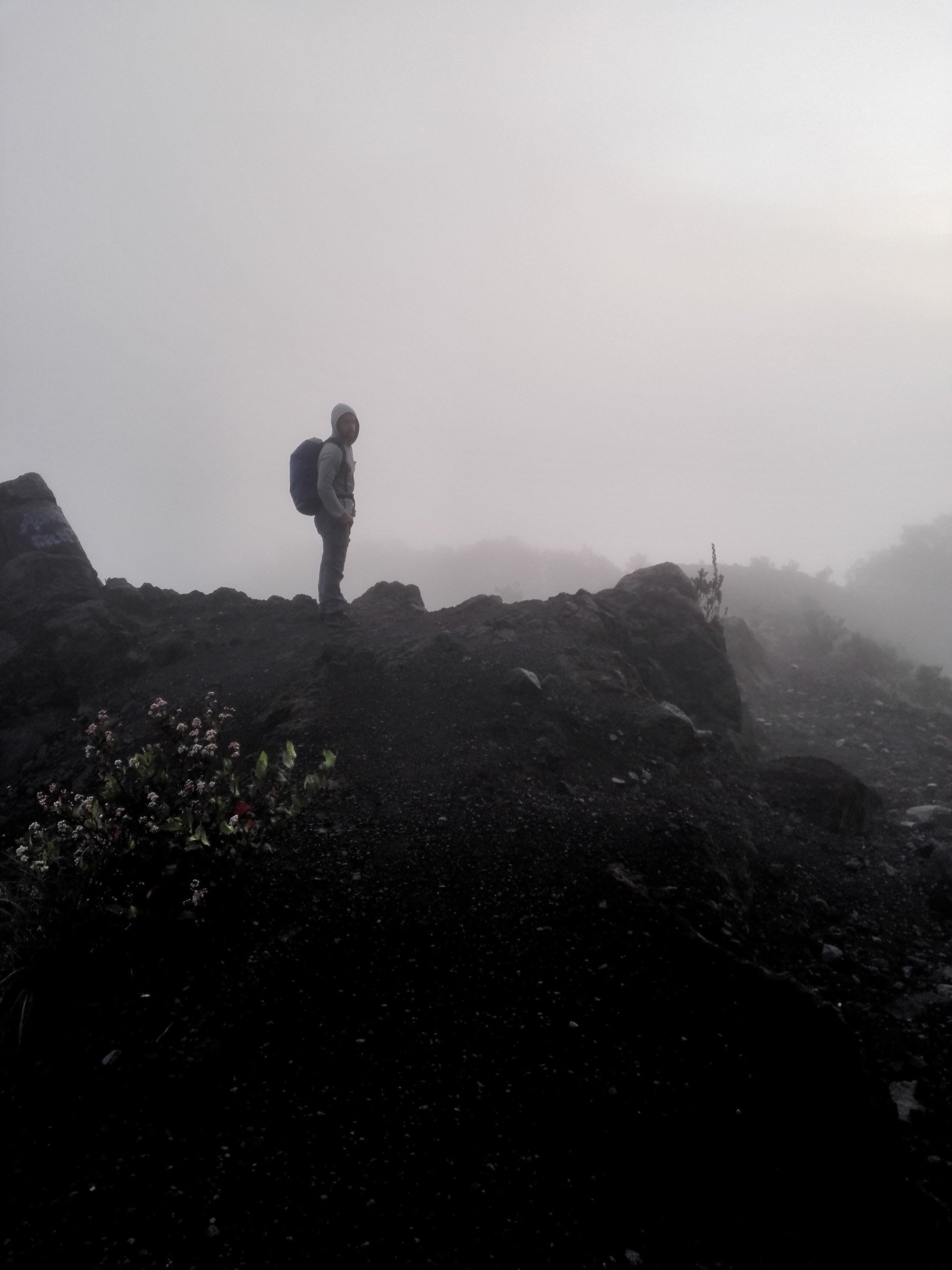
We never managed to photograph the summit itself: while it was dark, it couldn't be seen, and once it got light, it was covered by clouds. But it looks very impressive.
We came down in daylight.
On the morning of March 5 we left by train for Malang (the trip took eight hours), and from there we made a trip to the Bromo volcano.
Banyuwangi and a flat tire
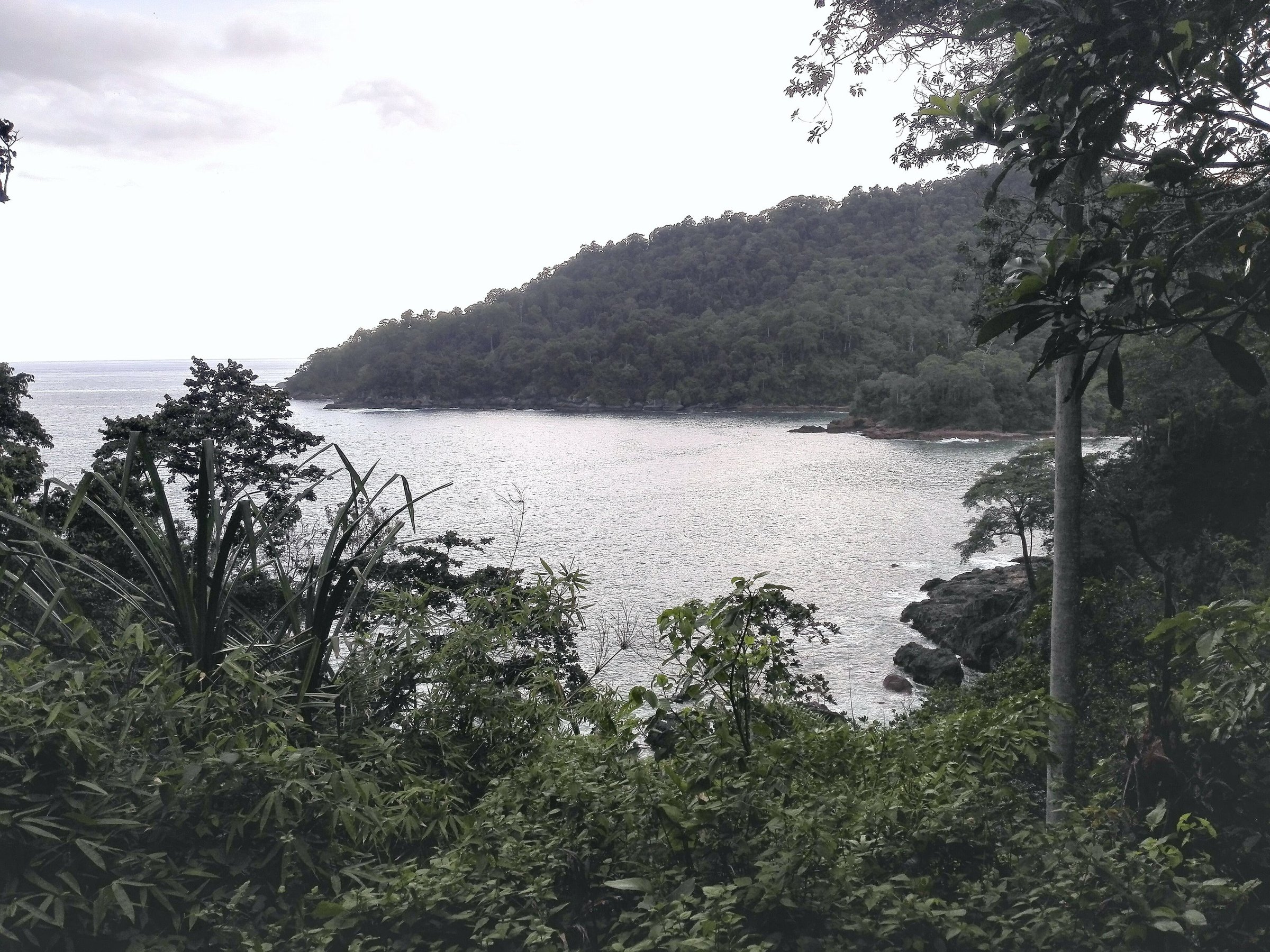
On March 9 we took the train to Banyuwangi, a town in the east of Java across the strait from Bali, from where a ferry runs to the island, and stayed there for a couple of days. On March 10 we rented a scooter and in the afternoon rode to a beach and a national park. The ride there took about two hours. Between the beach and the park the roads turned out to be completely broken, and in places there were no roads at all, and that was on our rather low scooter. But the views along the way were beautiful.
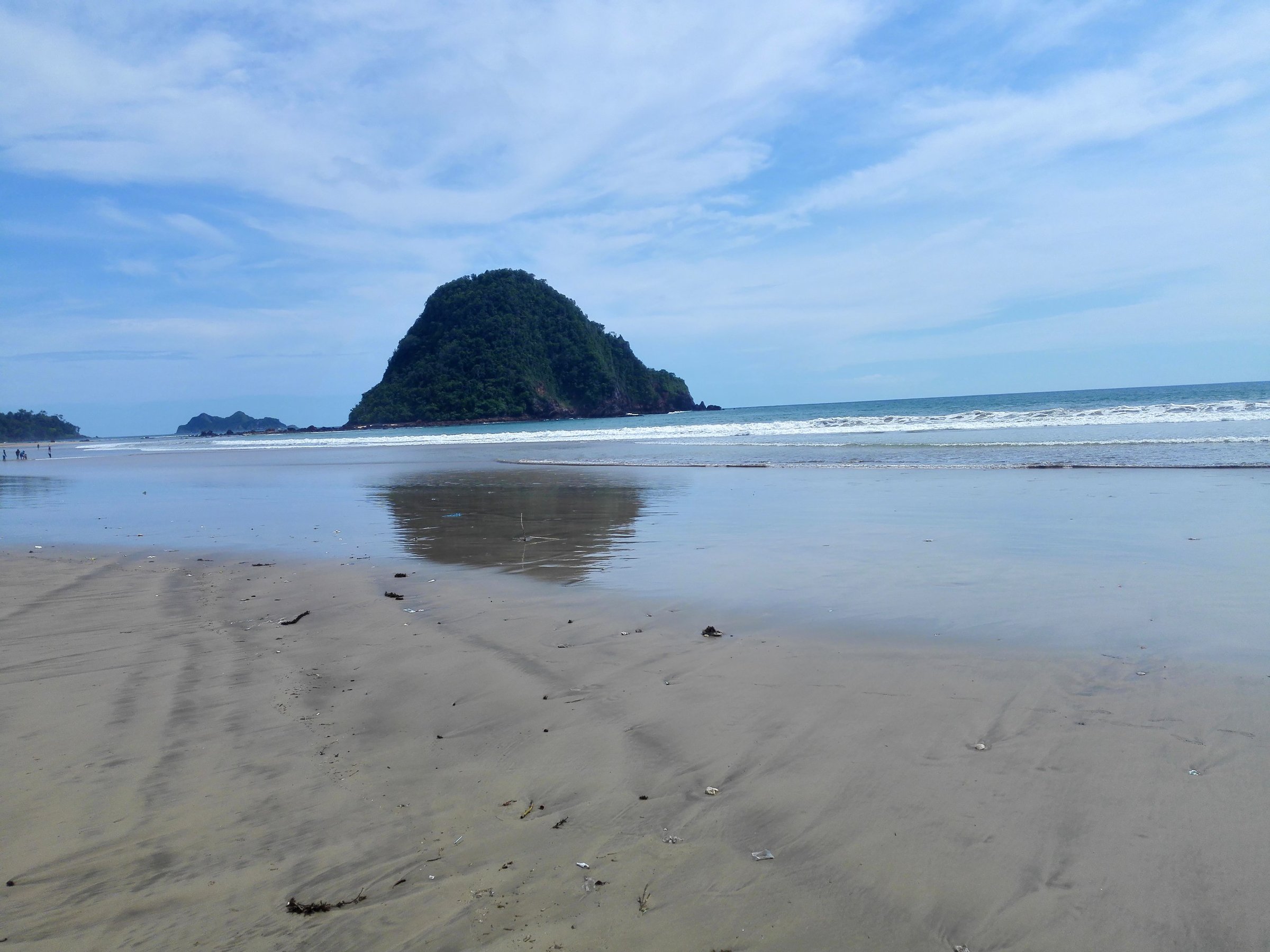
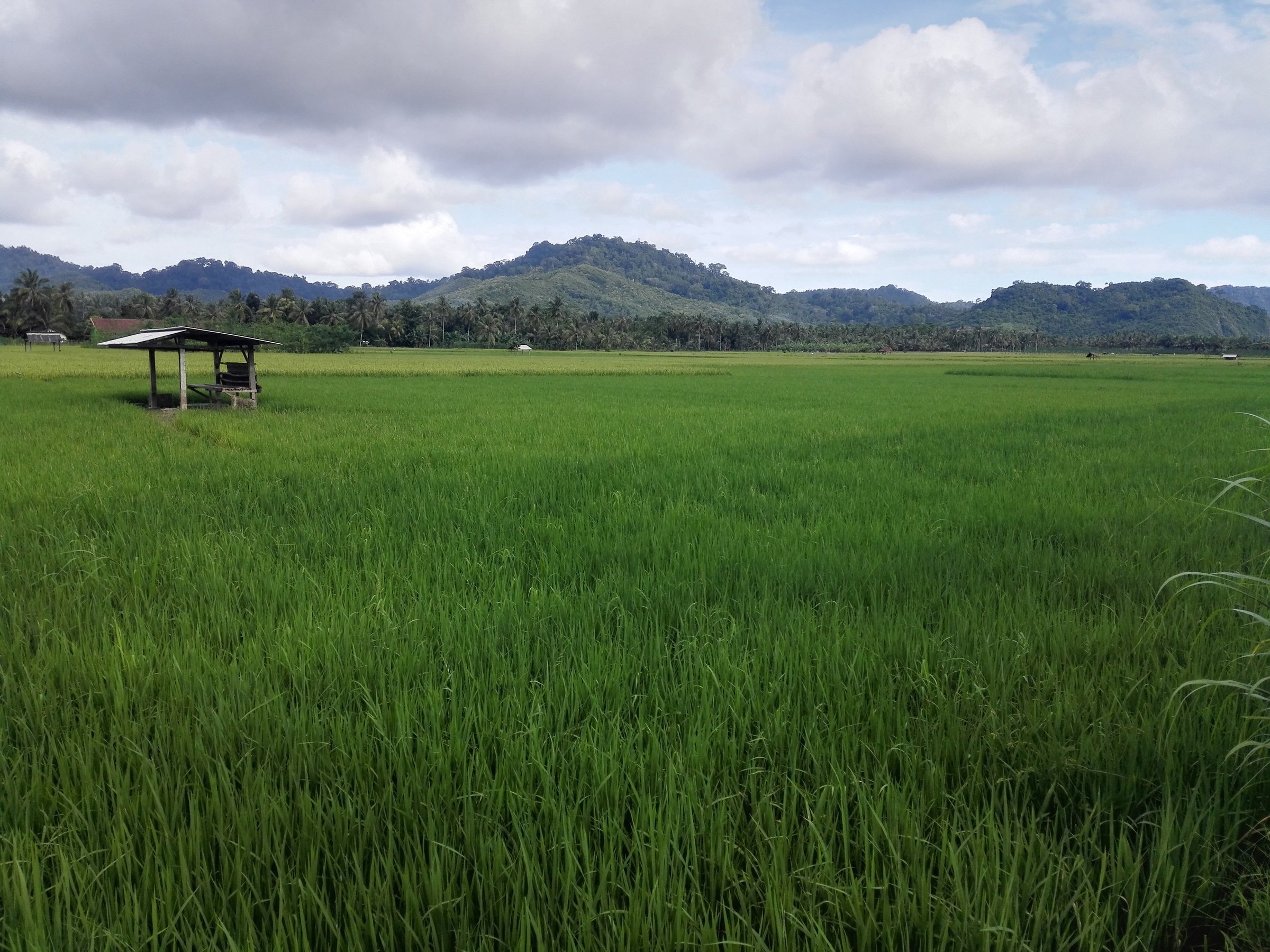
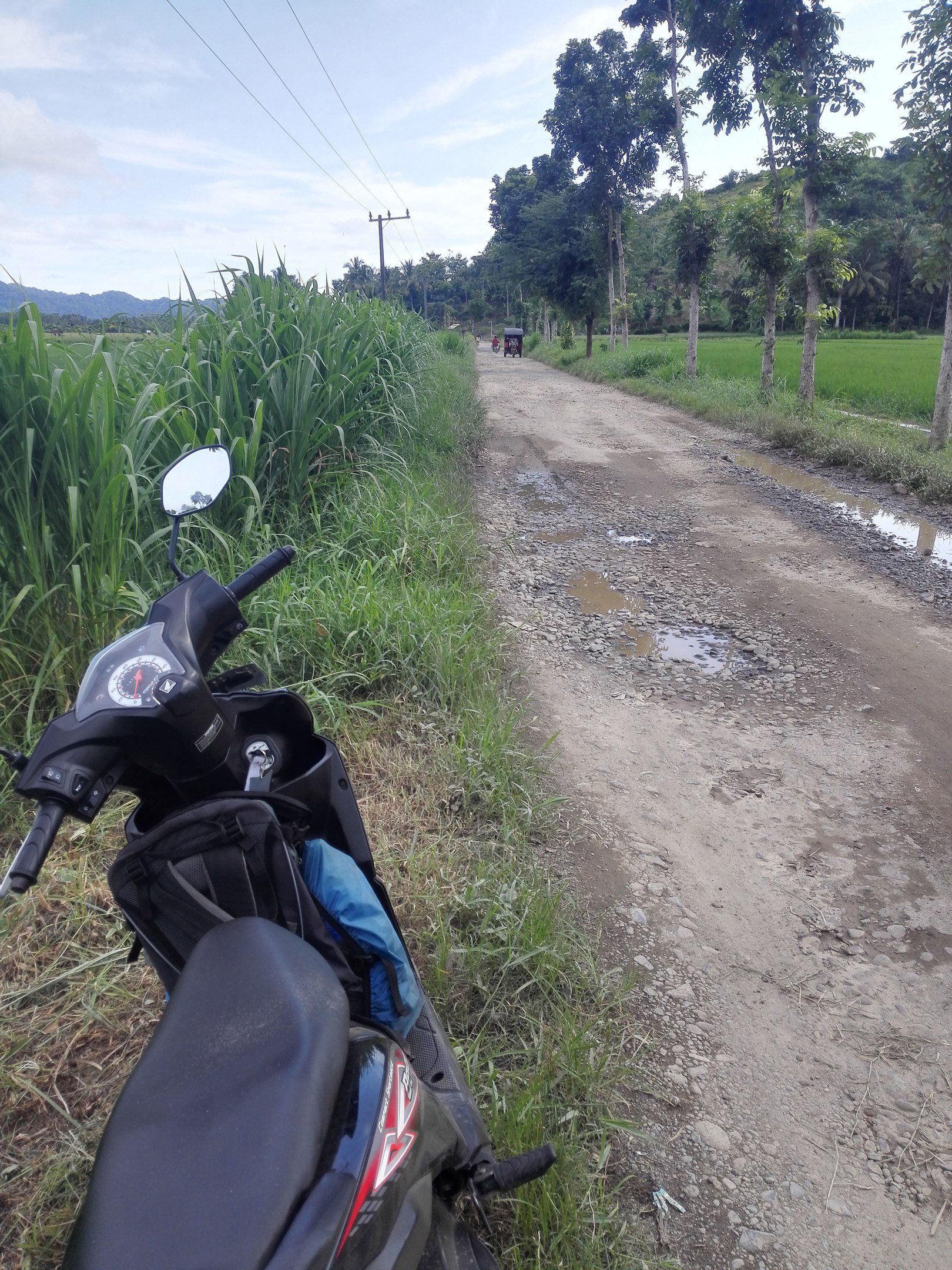
As we approached the park, still on the same wrecked road, a man met us and announced that we had to buy tickets to get in: $12 for foreigners and less than half a dollar for locals (2016 prices). We couldn't talk him down, so we got around the entrance by riding along the beach.
The park has two good beaches, but we only had time for the near one. The water there is turquoise and very clear, the beach itself is wild and very pretty, and apart from us and the monkeys there was nobody on it. It was already evening: when we got there, the last boat with tourists was leaving the shore. Where we could only go on foot, we walked, and of course we couldn't resist swimming in such clear water.
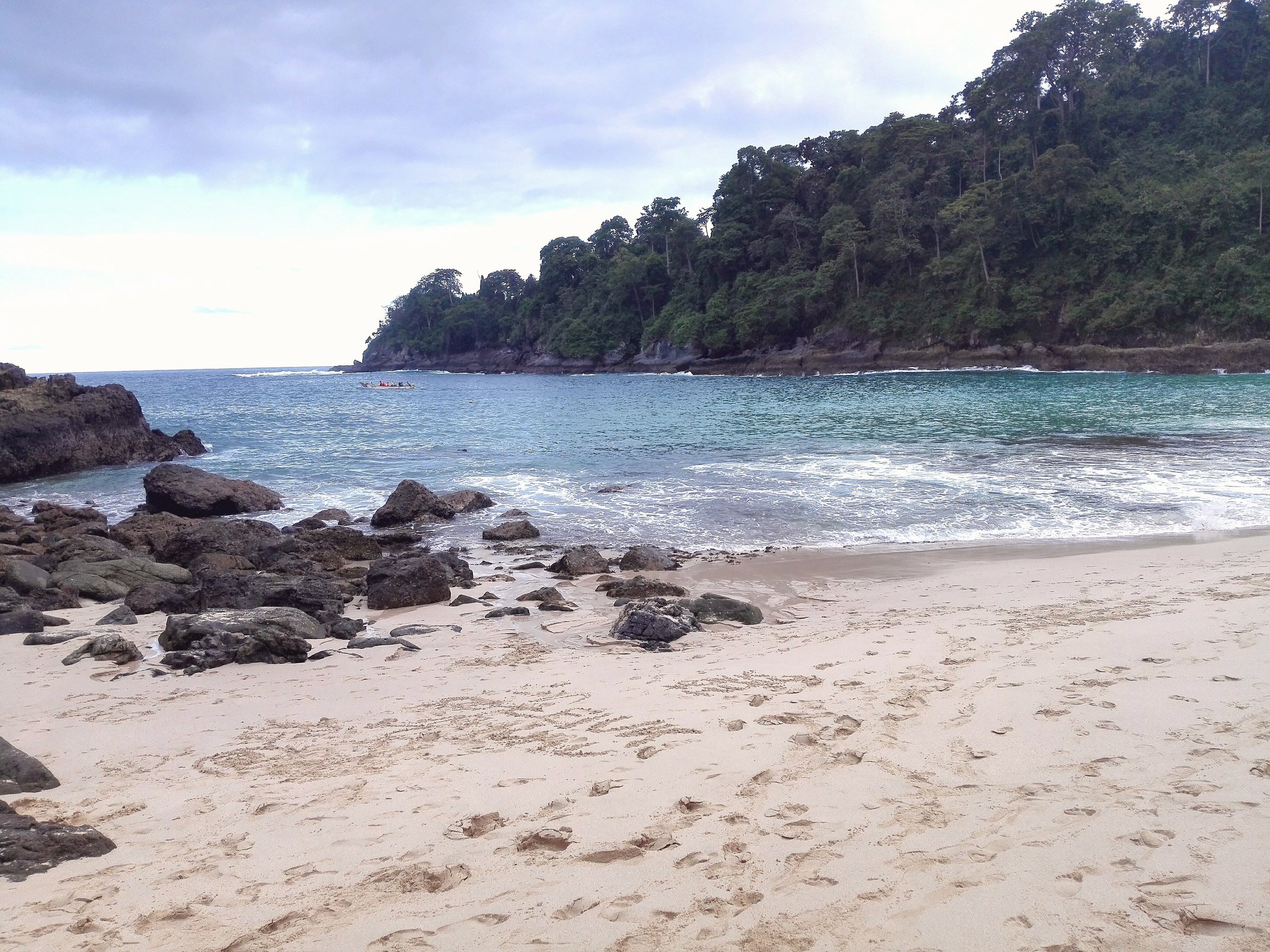
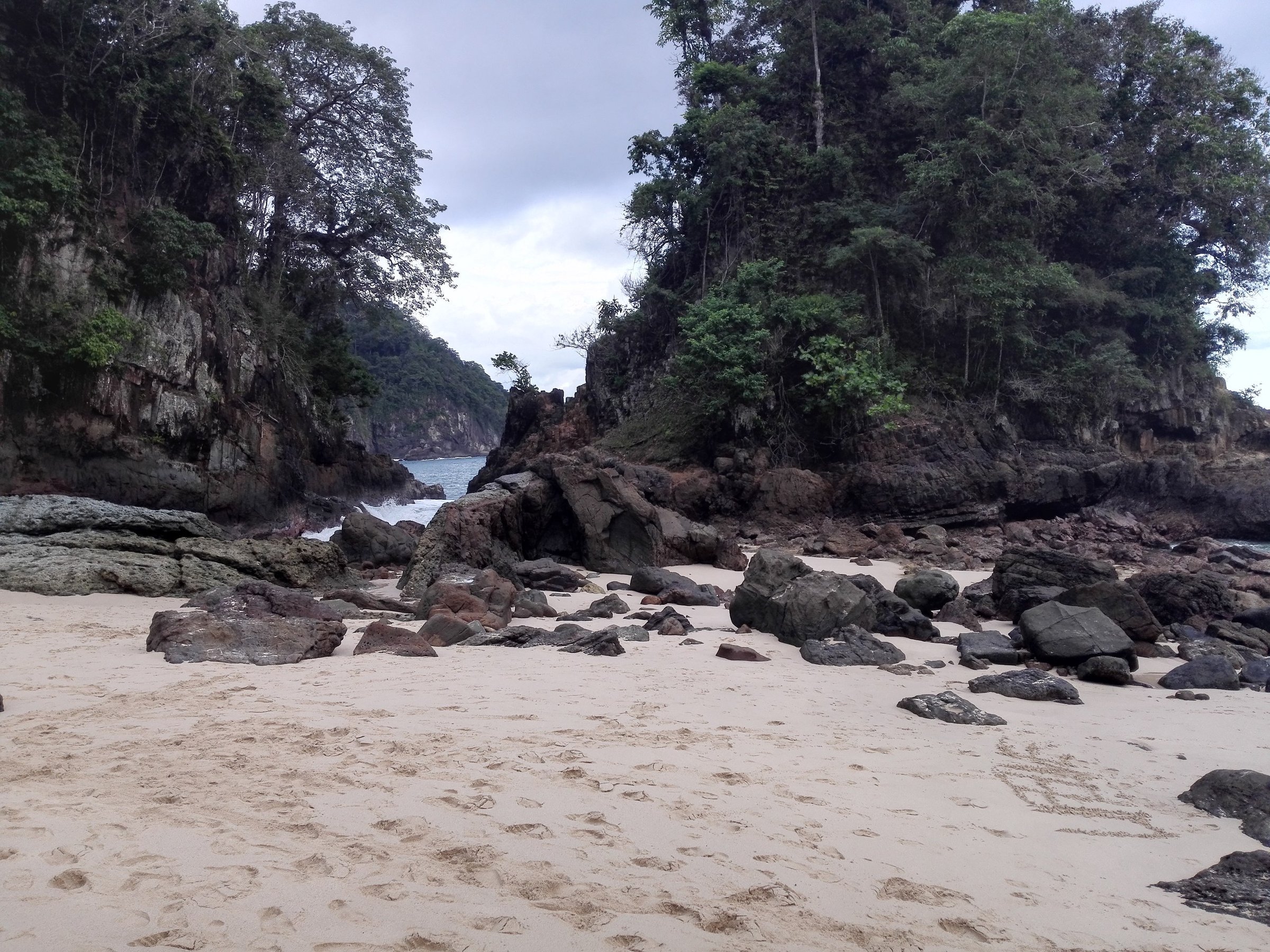
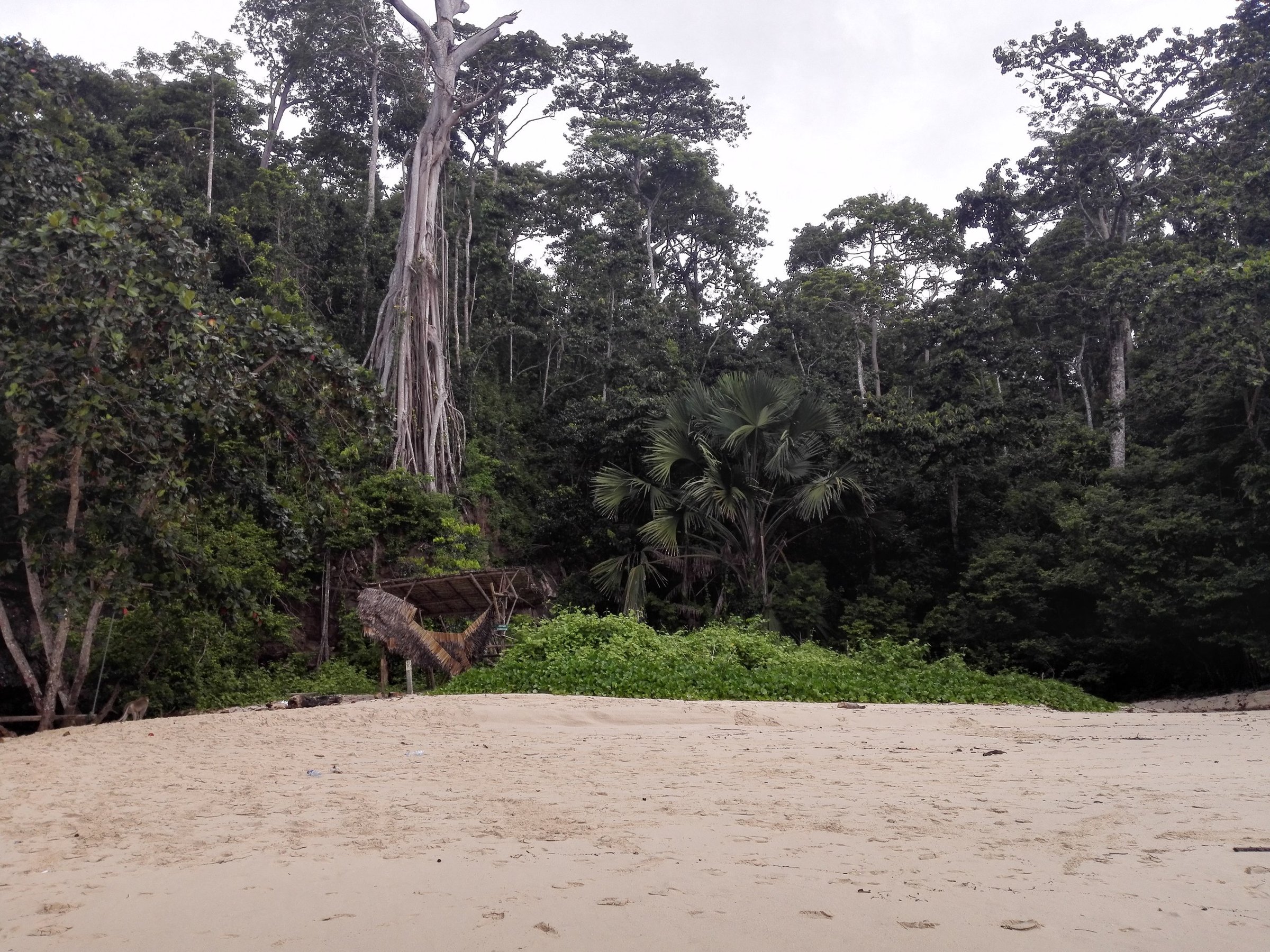
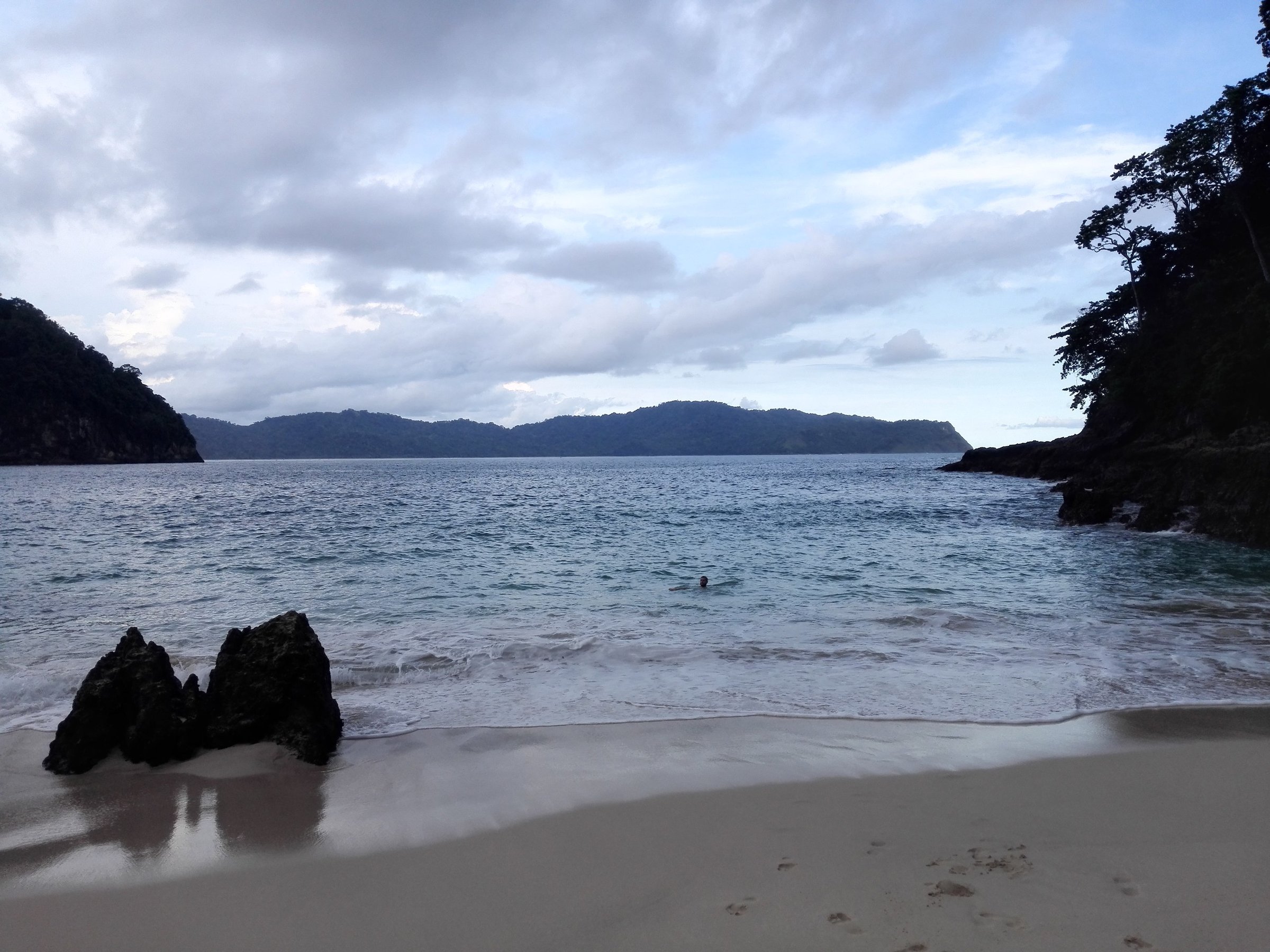
On the second, far beach you could have seen newly hatched baby turtles making their way to the sea. But it was already late, it was going to get dark soon, and the way there was long, so we didn't see the turtles.
We rode back in the dark. And on one of the more or less decent town roads we hit a pothole and got a flat tire. We asked the locals where we could get it fixed, and almost the whole street came running to help us. Then someone called someone, and a man came over and quickly replaced the inner tube. While we were waiting for him, we had dinner at a local café nearby.
It was around half past seven in the evening. We still had an hour and a half of riding to the guesthouse, and that night we were planning to go to the volcano. We got there by nine and had a couple of hours to rest: at half past eleven at night on March 10 we were already on our way to Ijen.
Ijen
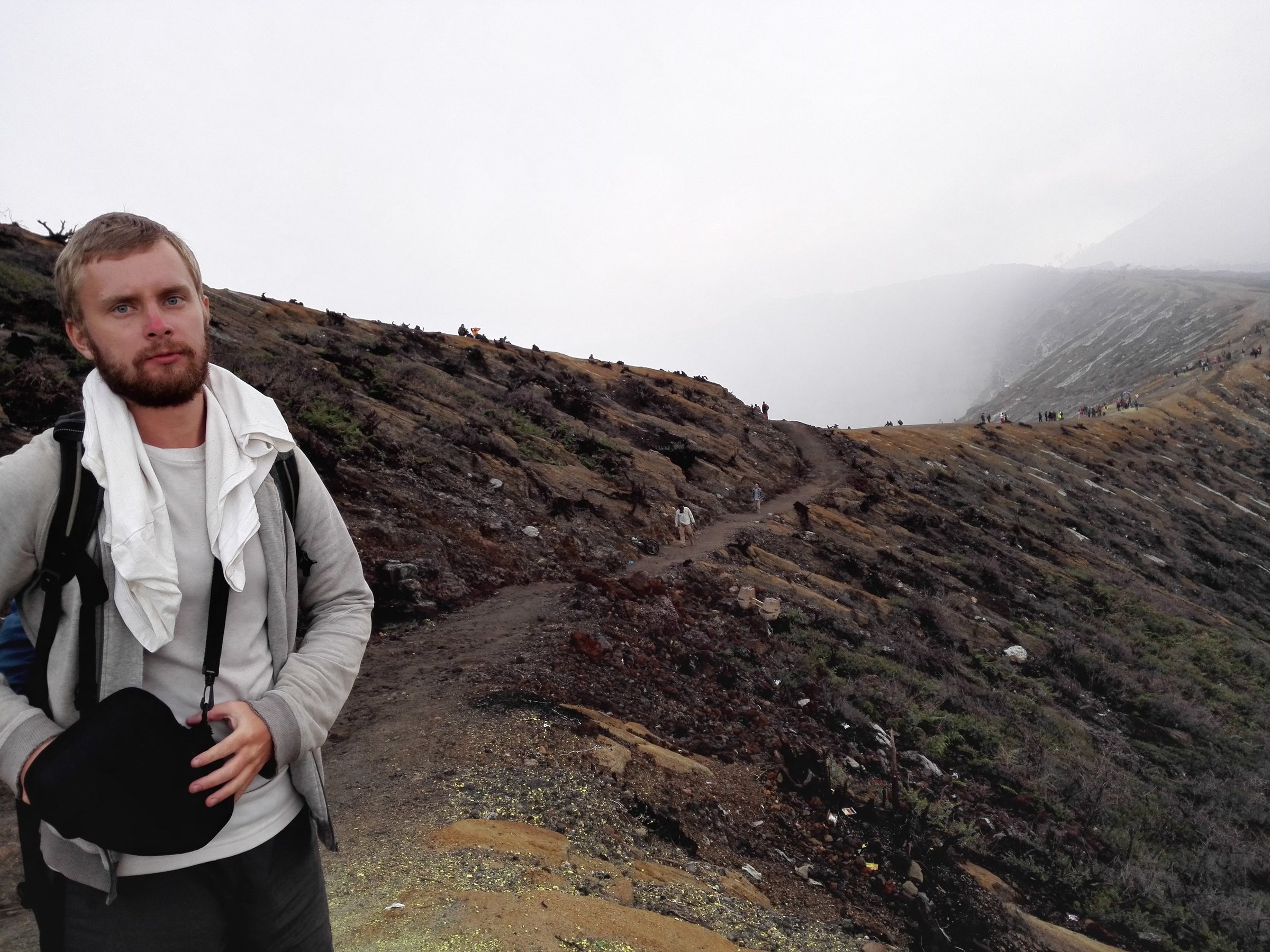
Ijen is an active volcano, or rather a whole group of volcanoes, craters, and cones around a caldera. In the caldera lies a sulfurous lake with turquoise water. We drove up to it at half past midnight and started climbing at one: that's when the ticket office opens, and we had to buy entrance tickets. The way up is easy and took less than an hour and a half.
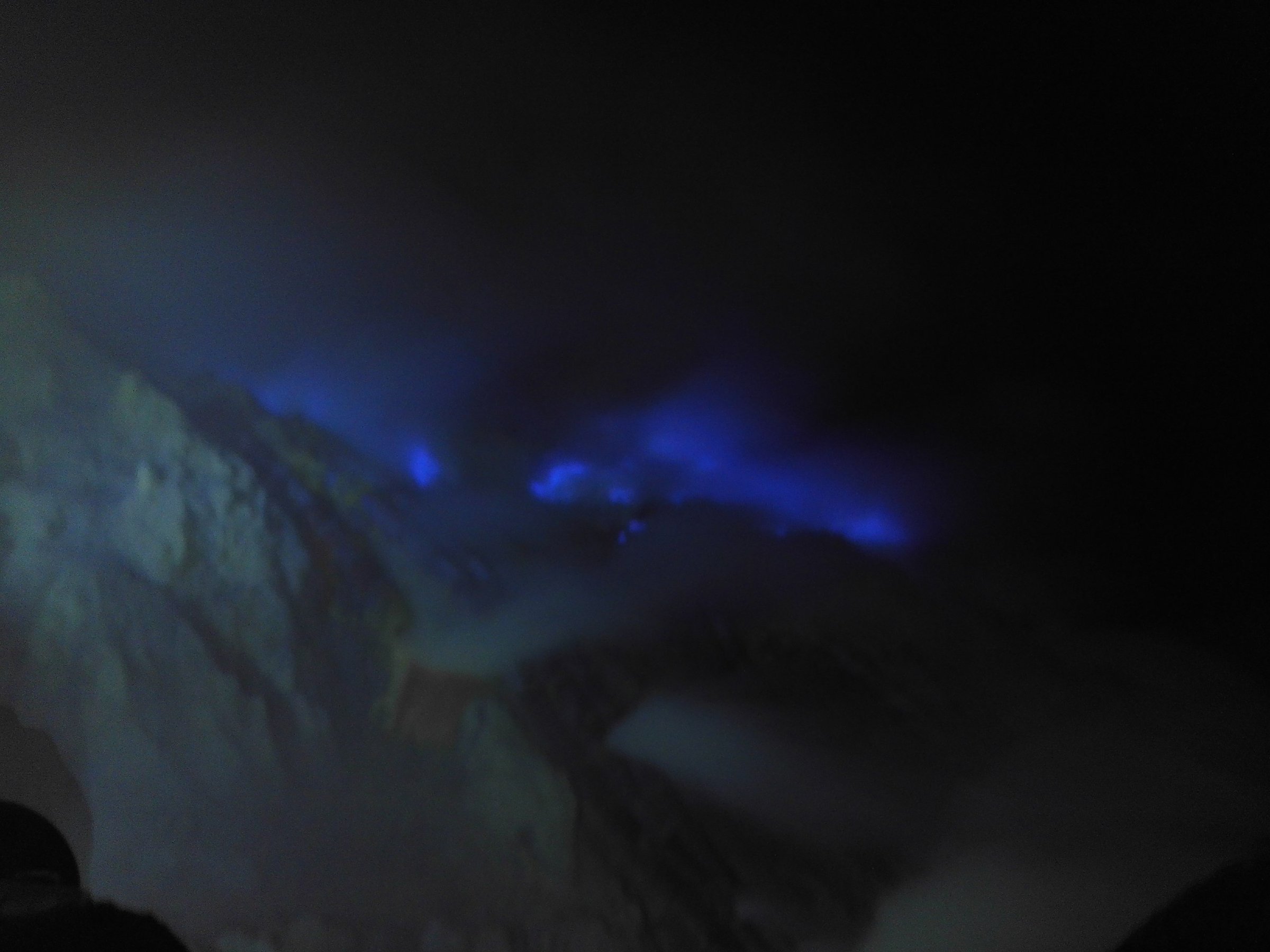
From the top you can go down into the caldera, to the craters and the lake. The craters constantly give off sulfurous gas, so we rented gas masks. In one of the craters you can see blue fire: that's sulfurous gas burning as it bursts to the surface at a temperature of about 600 °C. The glow is faint, so it can only be seen at night. Sulfur is also mined here.
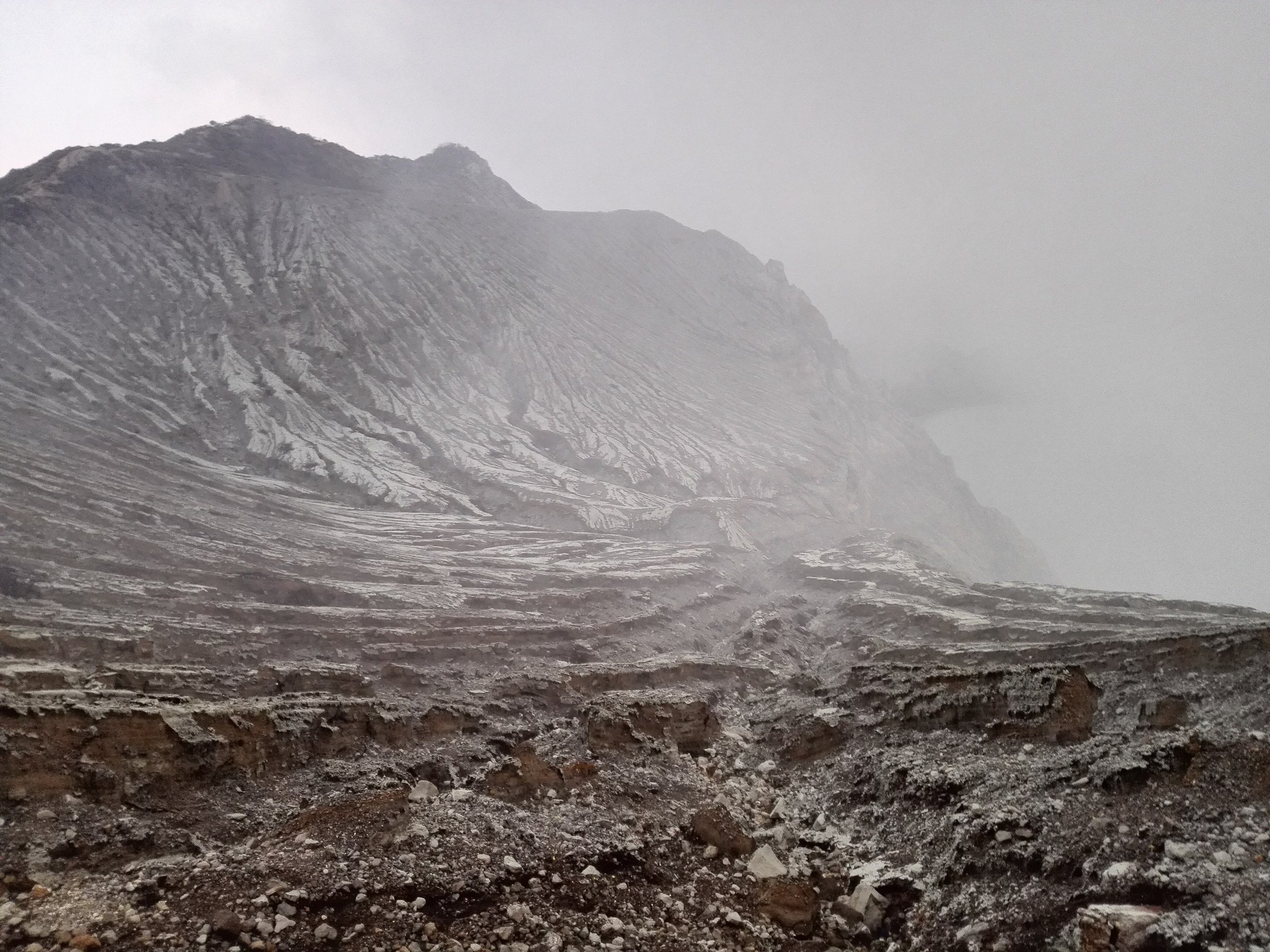
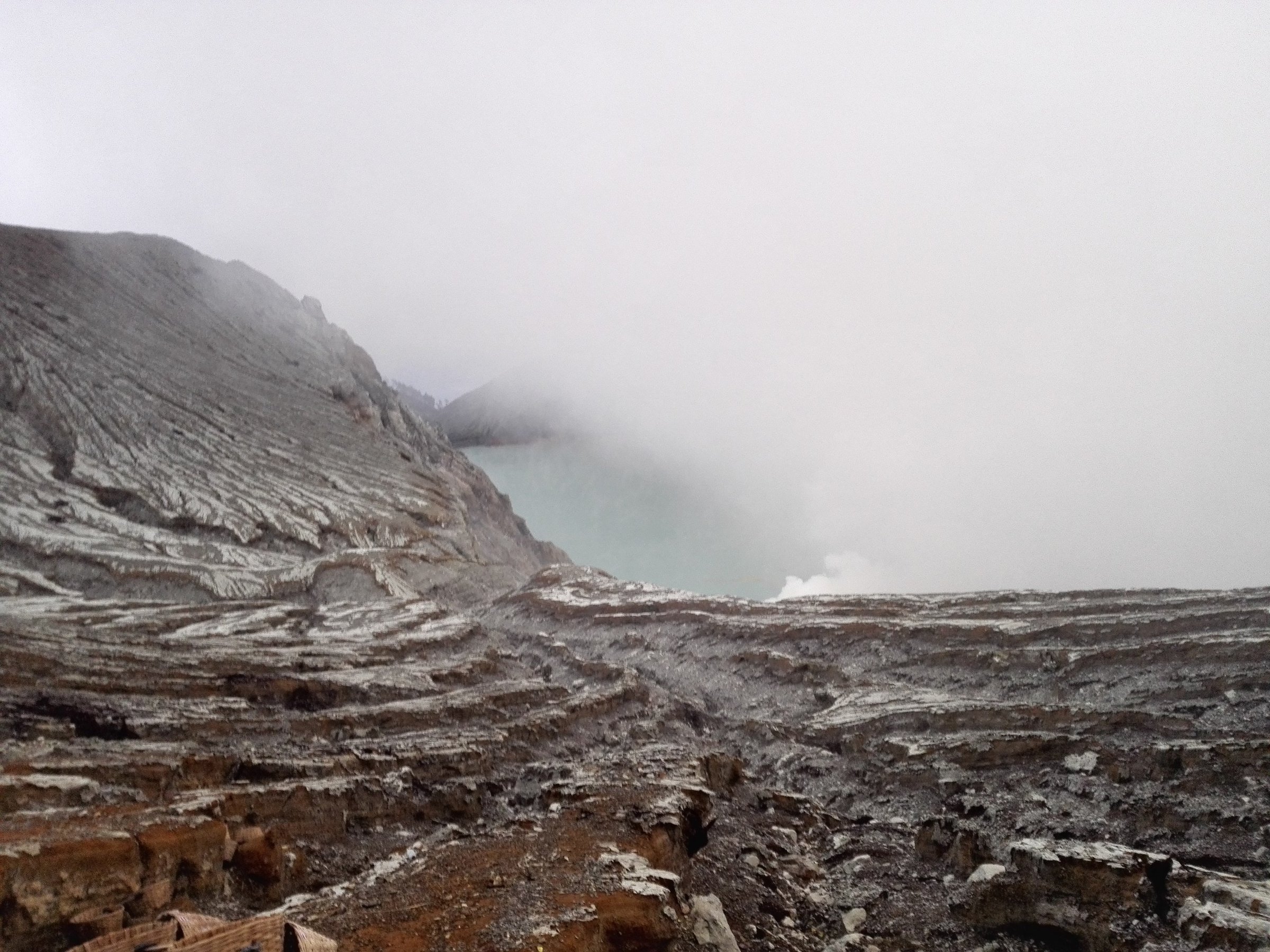
And here are the volcanic views in daylight. The sulfur lake can barely be made out because of the smoke.
On March 12 we crossed to Bali by ferry.
Comments
Thank you! Your comment has been sent and will appear after moderation.