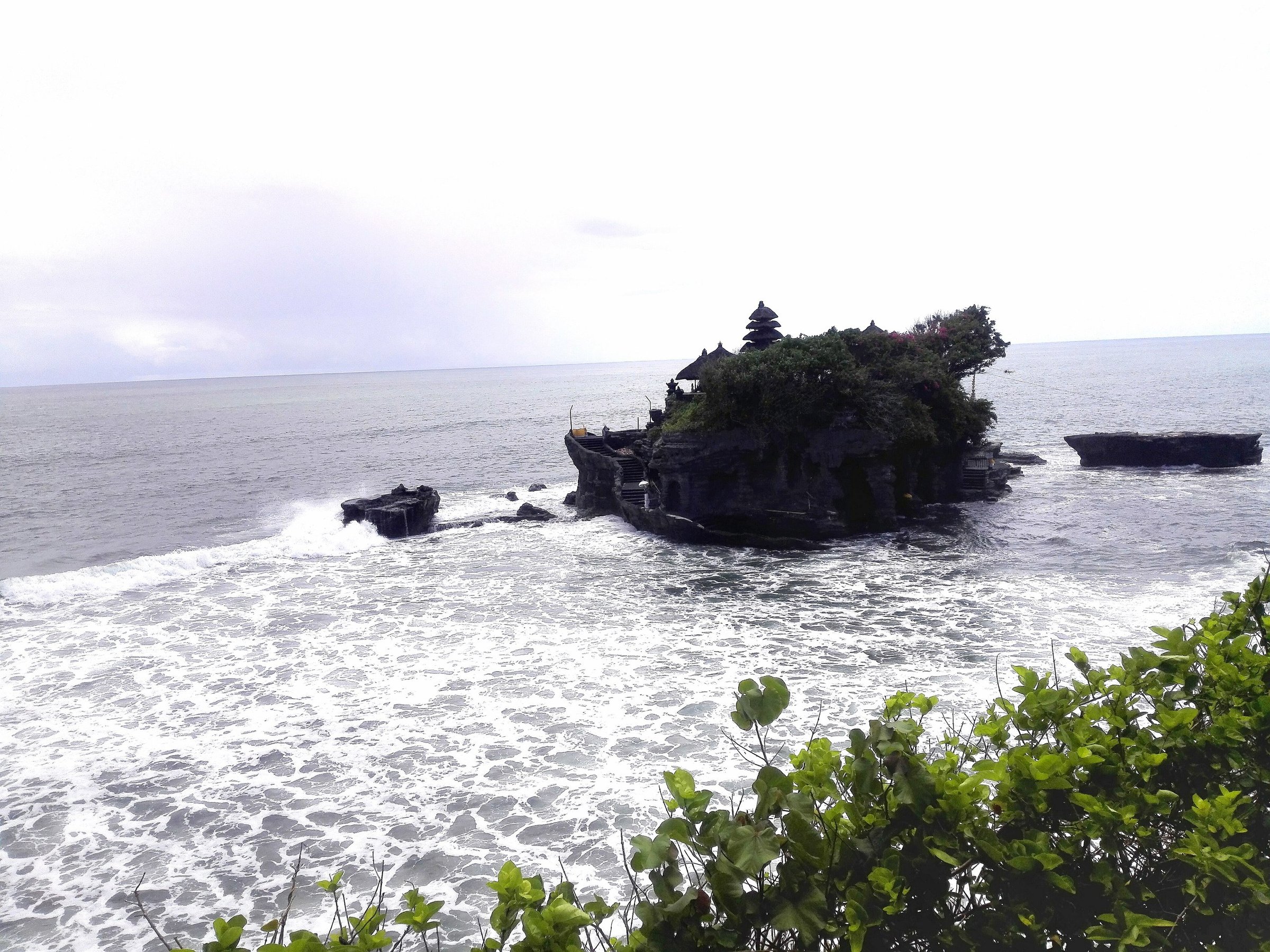
Bali: a temple in the sea, civets, and waterfalls of the north
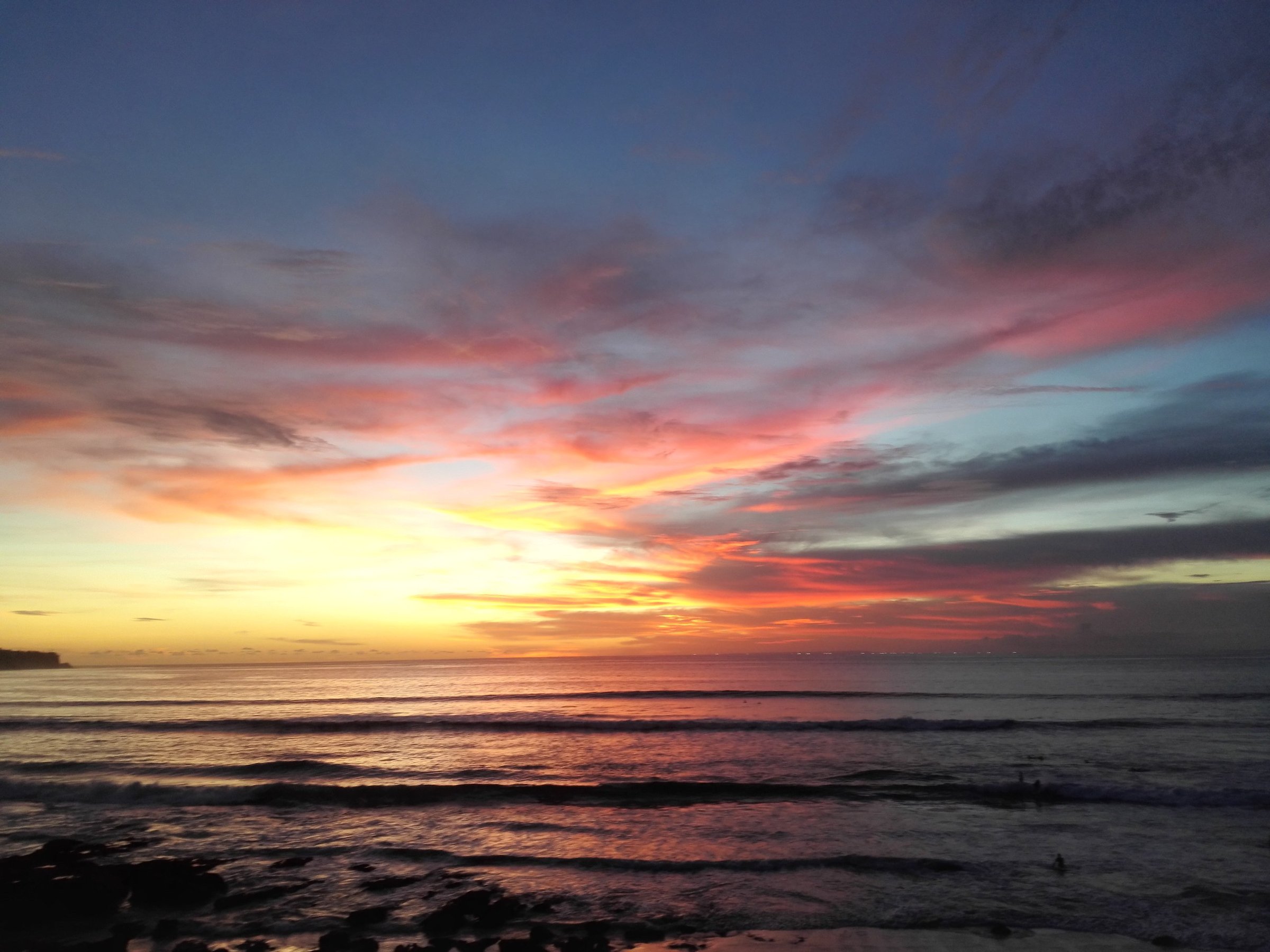
In mid-March 2016, after Java, we were living on Bali. On March 13 we spent the whole day driving around the beaches and watched the sunset on one of them. The beaches were beautiful, but swimming at them turned out to be terribly inconvenient.
The next day we stopped by Kuta. In our view there isn't much to do there, and the traffic is insane; we decided to leave the beach itself for later — it was too hot that day.
Mangosteens and snake fruit
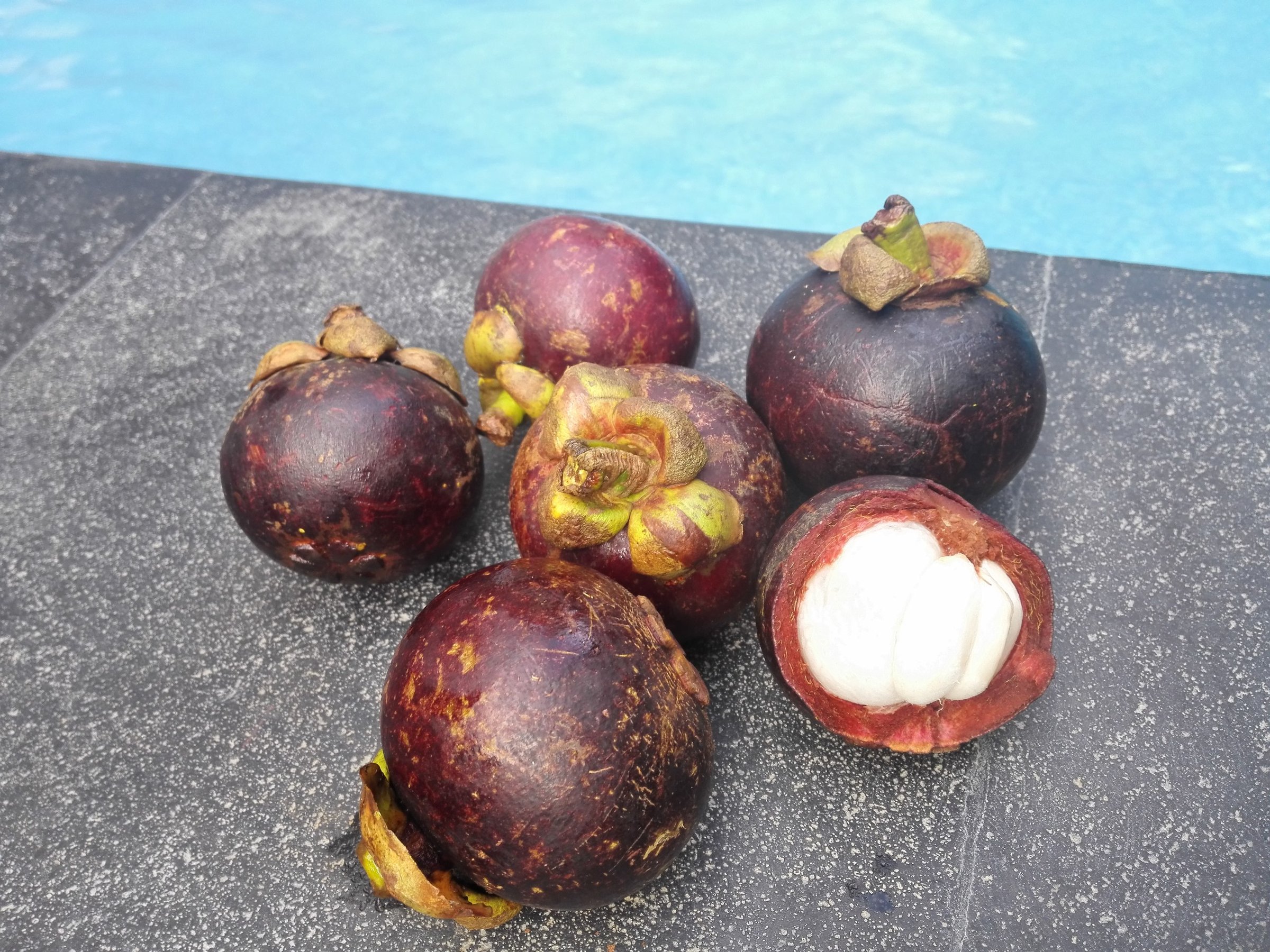
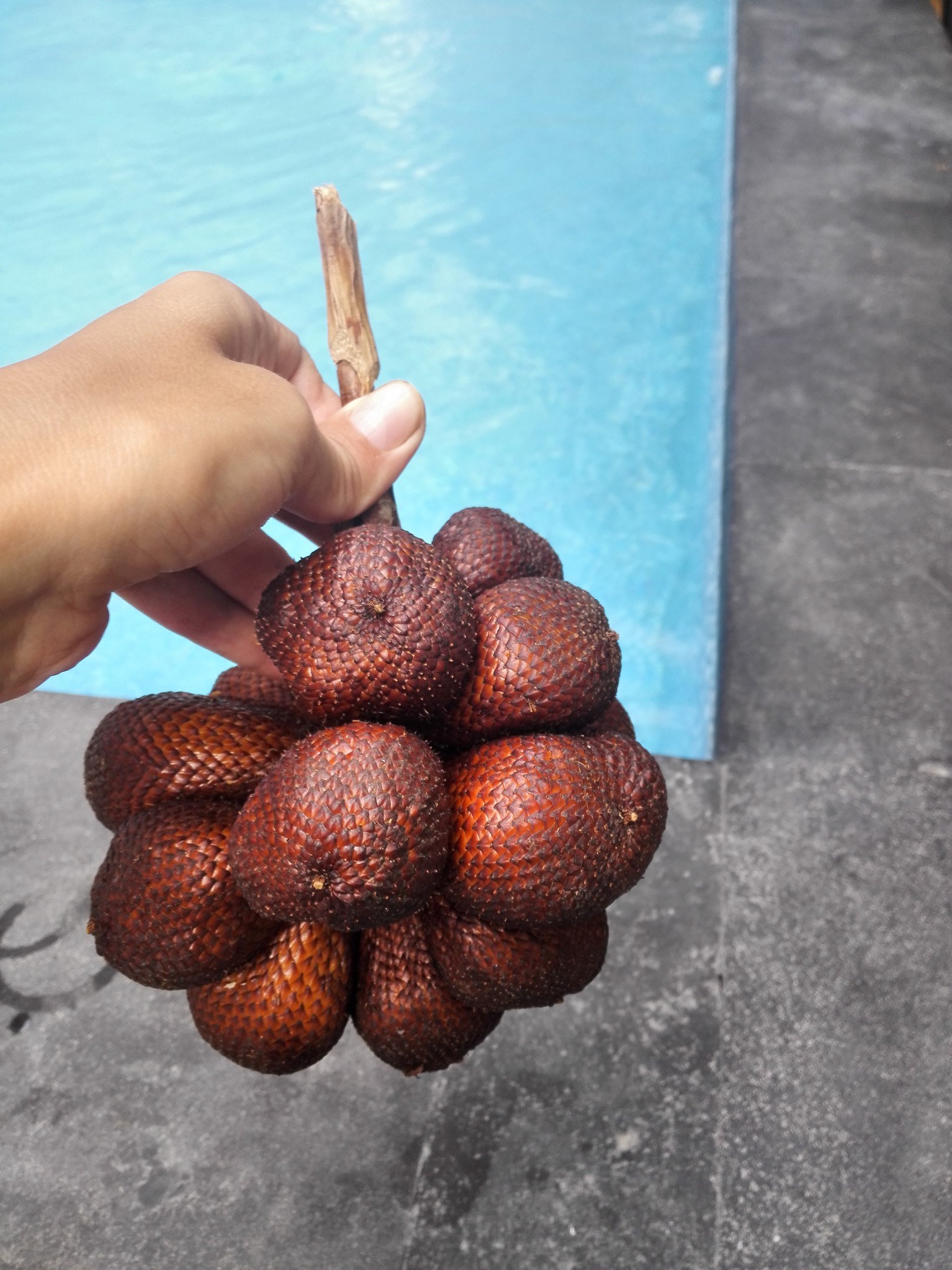
On Bali, mangosteen season opened for us again. It's a very tasty Southeast Asian fruit with a juicy sweet-and-sour flavor. We also discovered a new fruit — salak, or snake fruit. It looks funny: its peel is scaly and resembles snakeskin, and it tastes sweet and watery.
Tanah Lot and civets
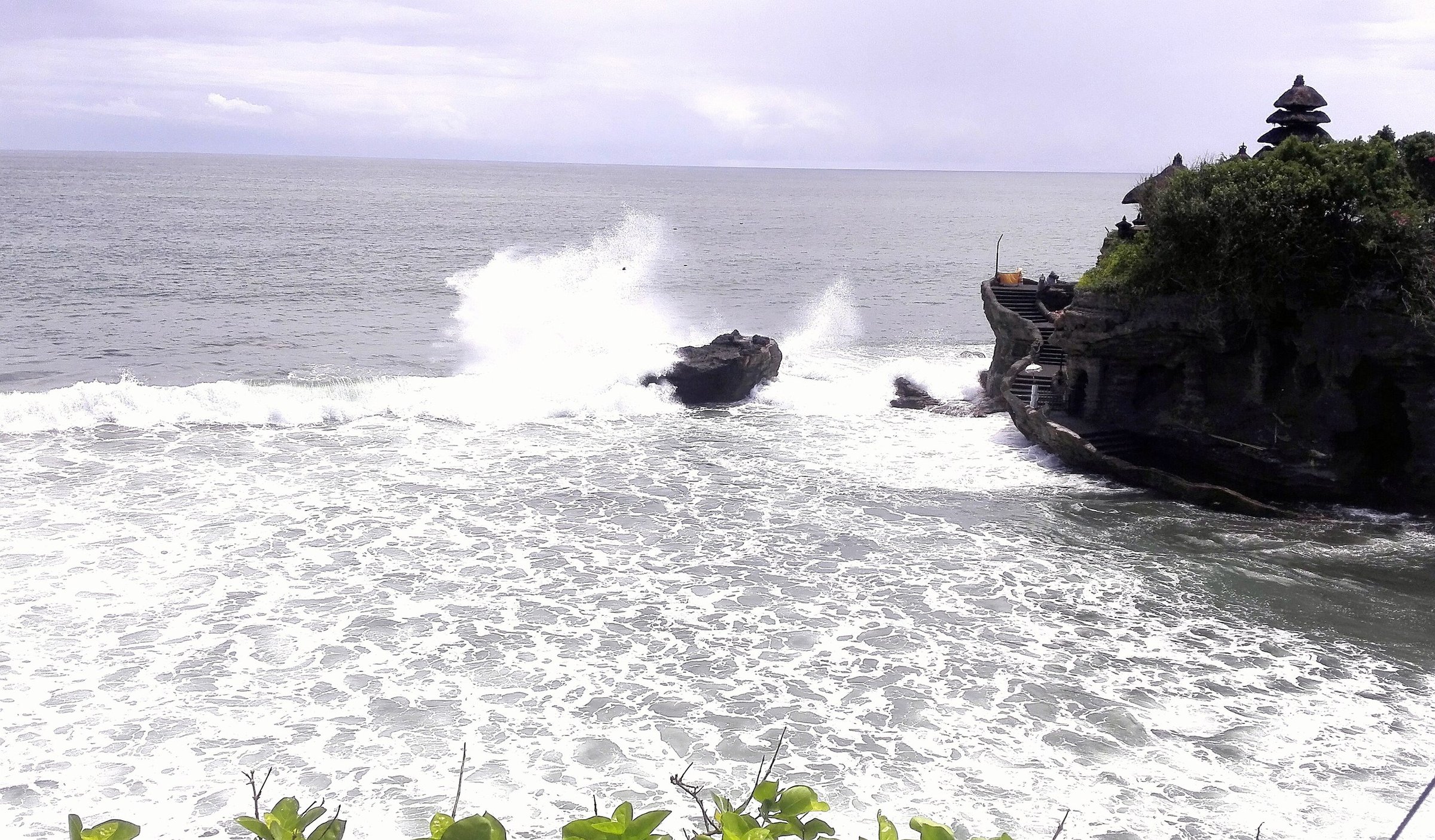
On March 15 we went to the Hindu temple of Tanah Lot. Hinduism prevails on Bali: it's the only province of Indonesia where Hindus are the majority. The temple stands on a rock in the sea, and you can only walk to it at low tide. According to legend, it was founded by a Hindu Brahmin who was shown the way to this place by a divine light.
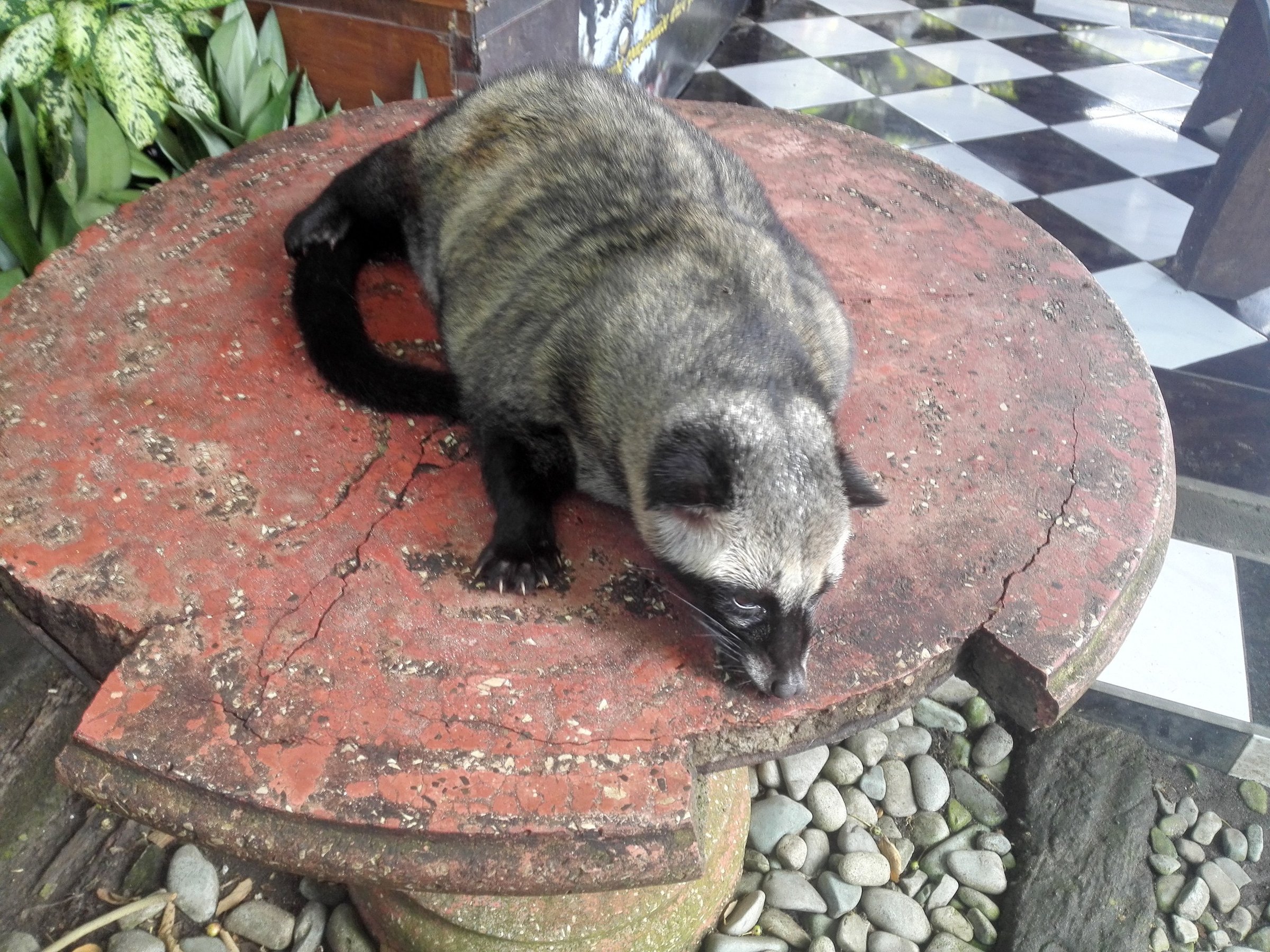
That same day we saw civets — the very animals that eat coffee cherries, with the beans coming out of them already fermented. The civets were sleeping peacefully, and we were even allowed to pet the lightest and plumpest one. We got to try this coffee at a tasting in one of the shopping malls: to us it tasted like a pleasant burnt coffee, and we didn't notice anything unusual. A 50-gram pack cost about $10 there in 2016.
Terraces and houses
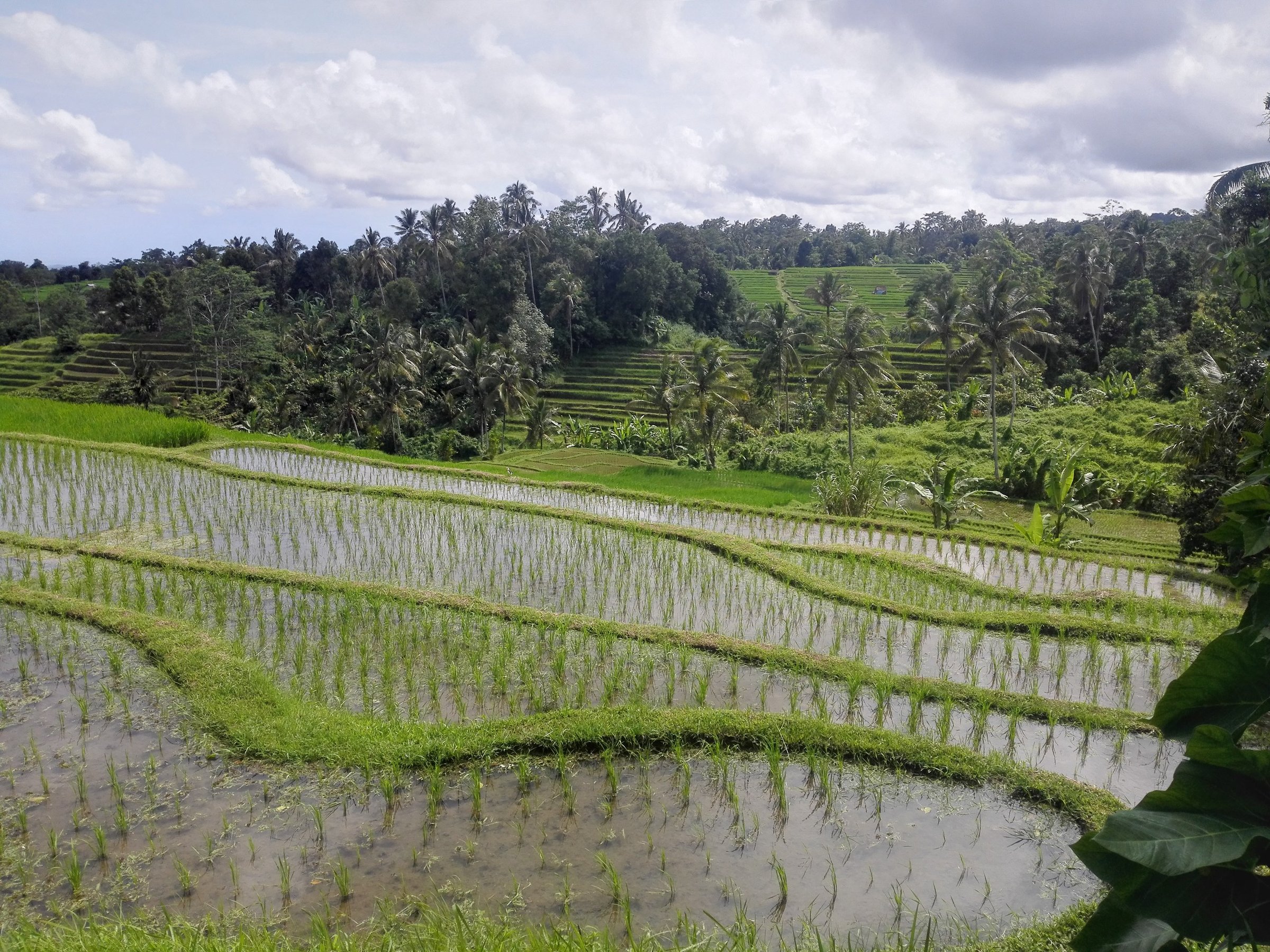
Then we went to admire the rice terraces.
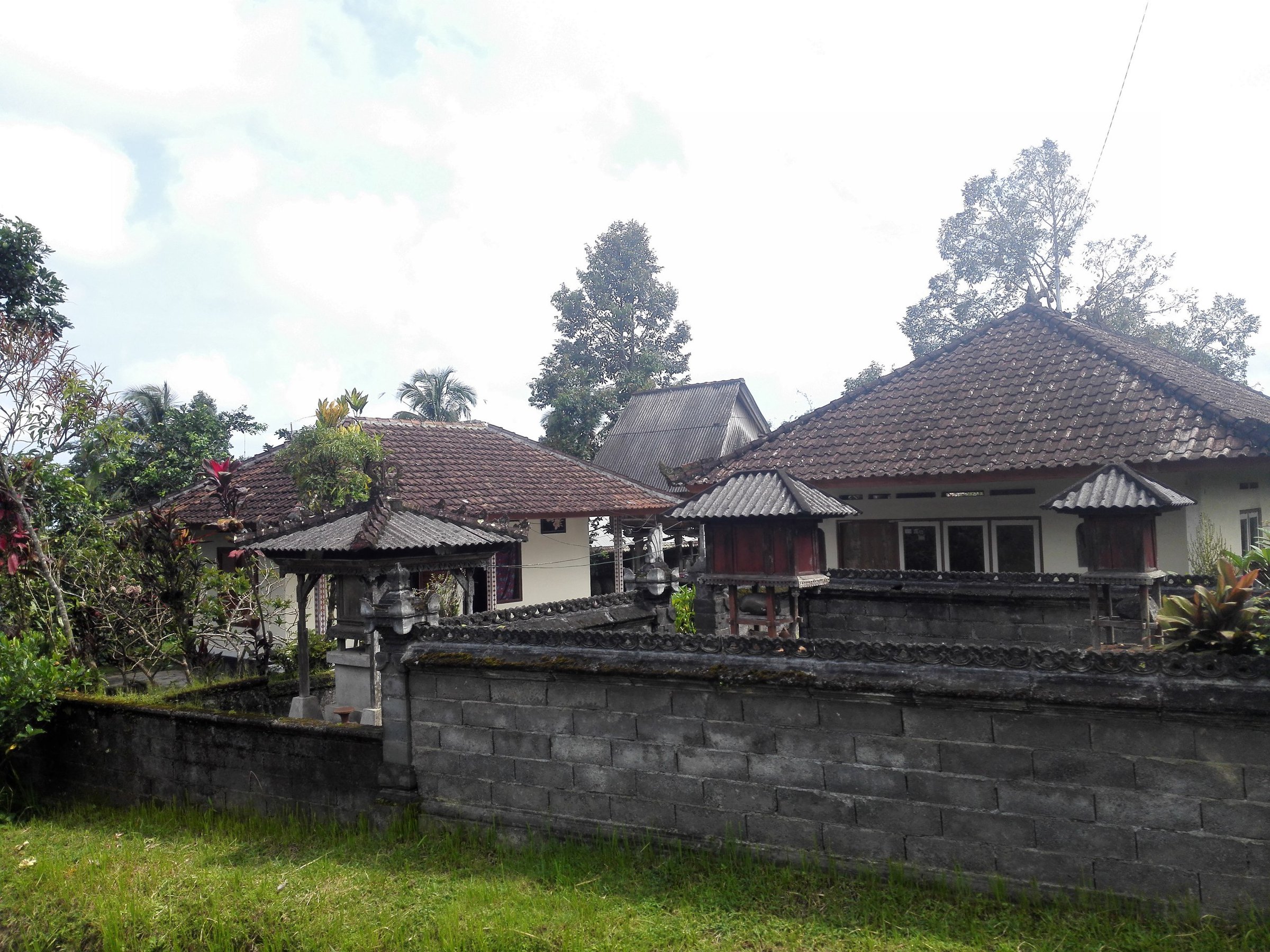
Along the way we took photos of the houses of ordinary Balinese. In other Asian countries ordinary people often live very modestly, but here they have nice, decent houses — and not only on Bali, but on Java too.
And Pavel got relieved of his thick mop of hair for just a dollar (a 2016 price).
Compared with Phuket, Bali still falls short in our opinion: the beaches in Thailand are better, store prices are lower, and there's less traffic. Here, all the parking lots and sights are paid, and so are some beaches.
Blue Lagoon
On March 20 we explored new beaches. Blue Lagoon beach seems like a nice place, but in reality it's a garbage dump, not a beach: there's so much human trash there that it's just awful. And in the middle of all this, people with masks swim around exploring the underwater world.
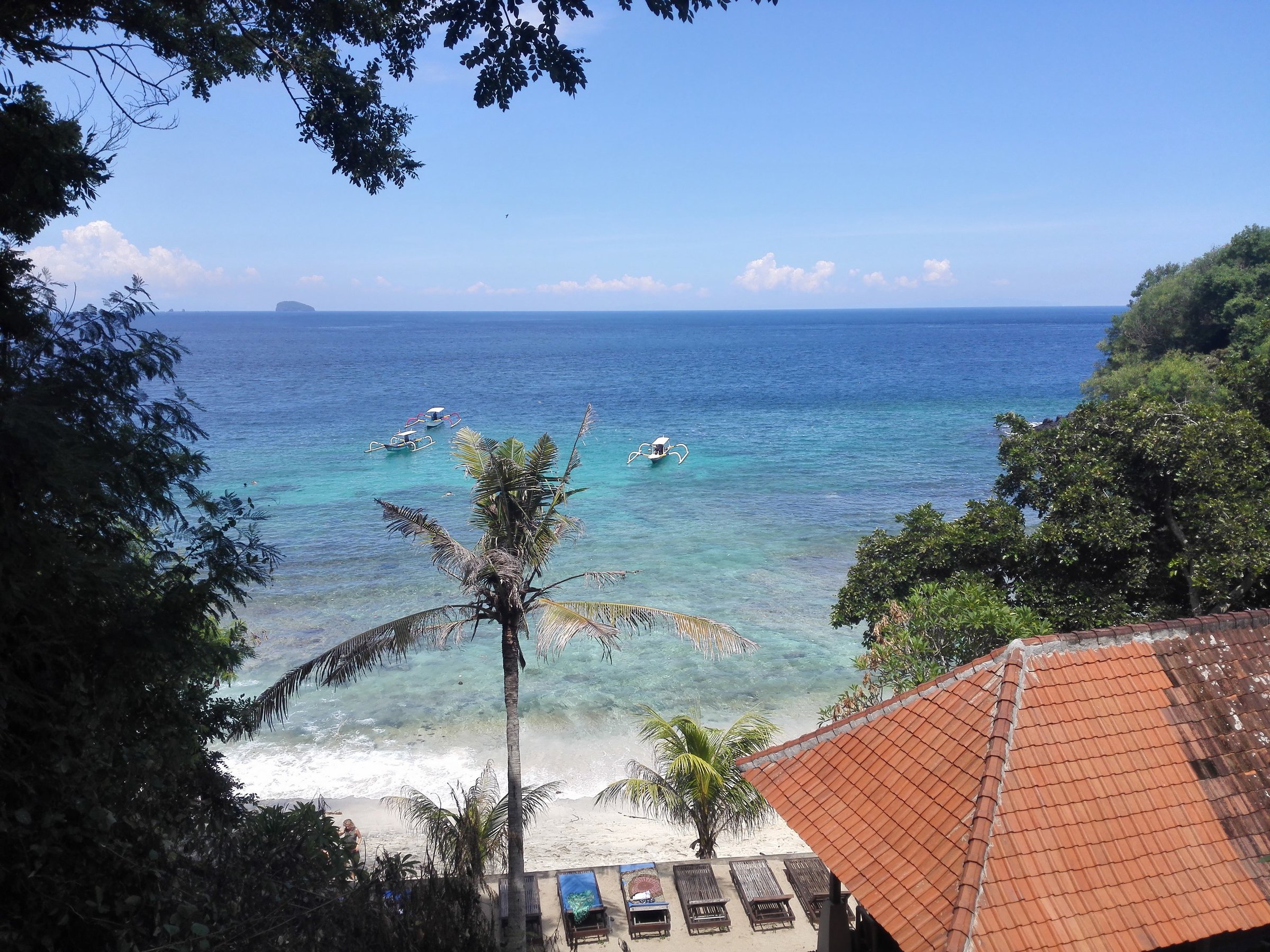
And another beach we visited the same day claims the title of the best beach on Bali. The water there is clear and clean, although trash floats there too, and quite a lot of it.
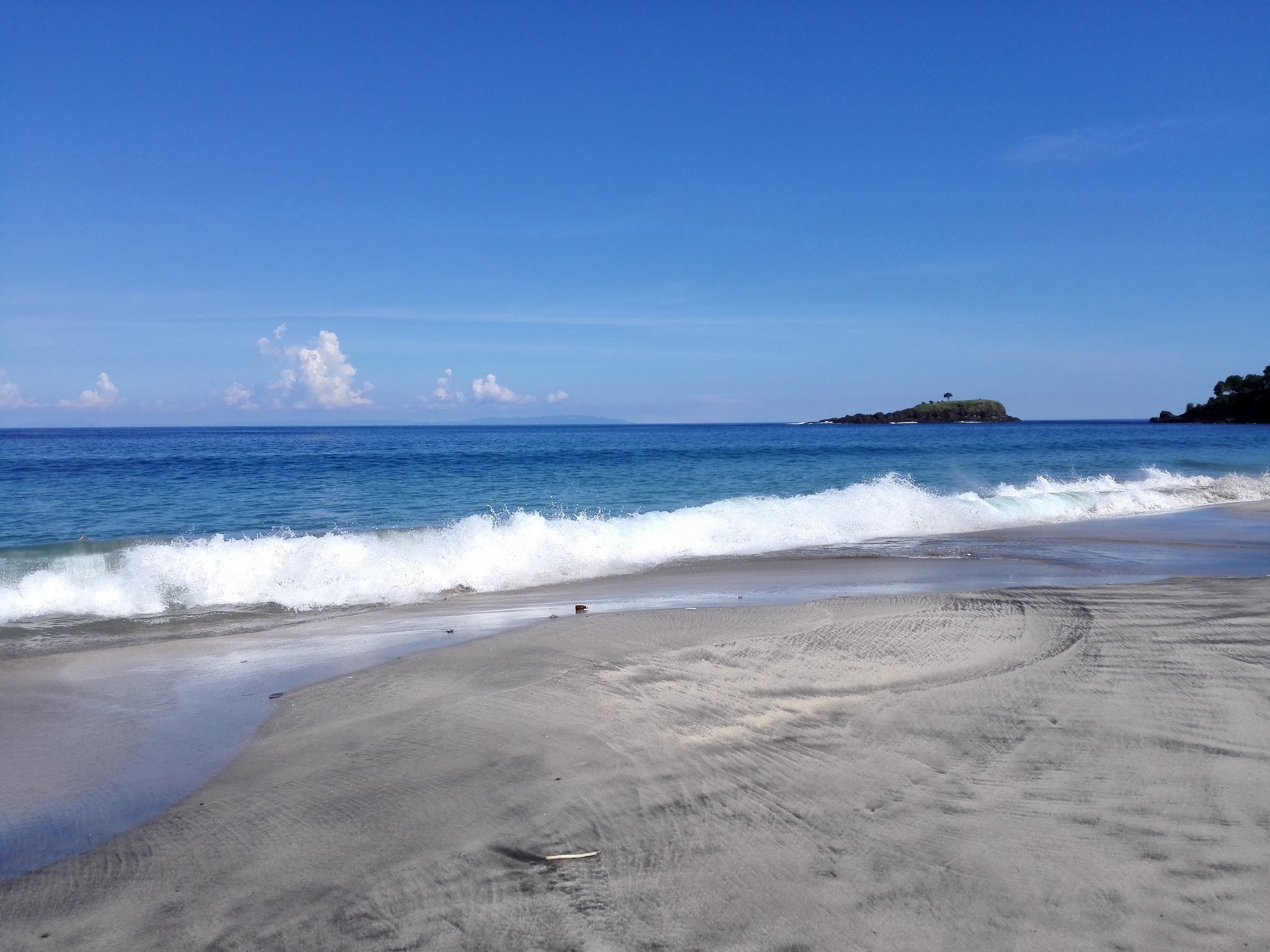
The north of the island
On March 24 we went to the north of the island to see the waterfalls, and on the way we stopped at the temple on Lake Beratan.
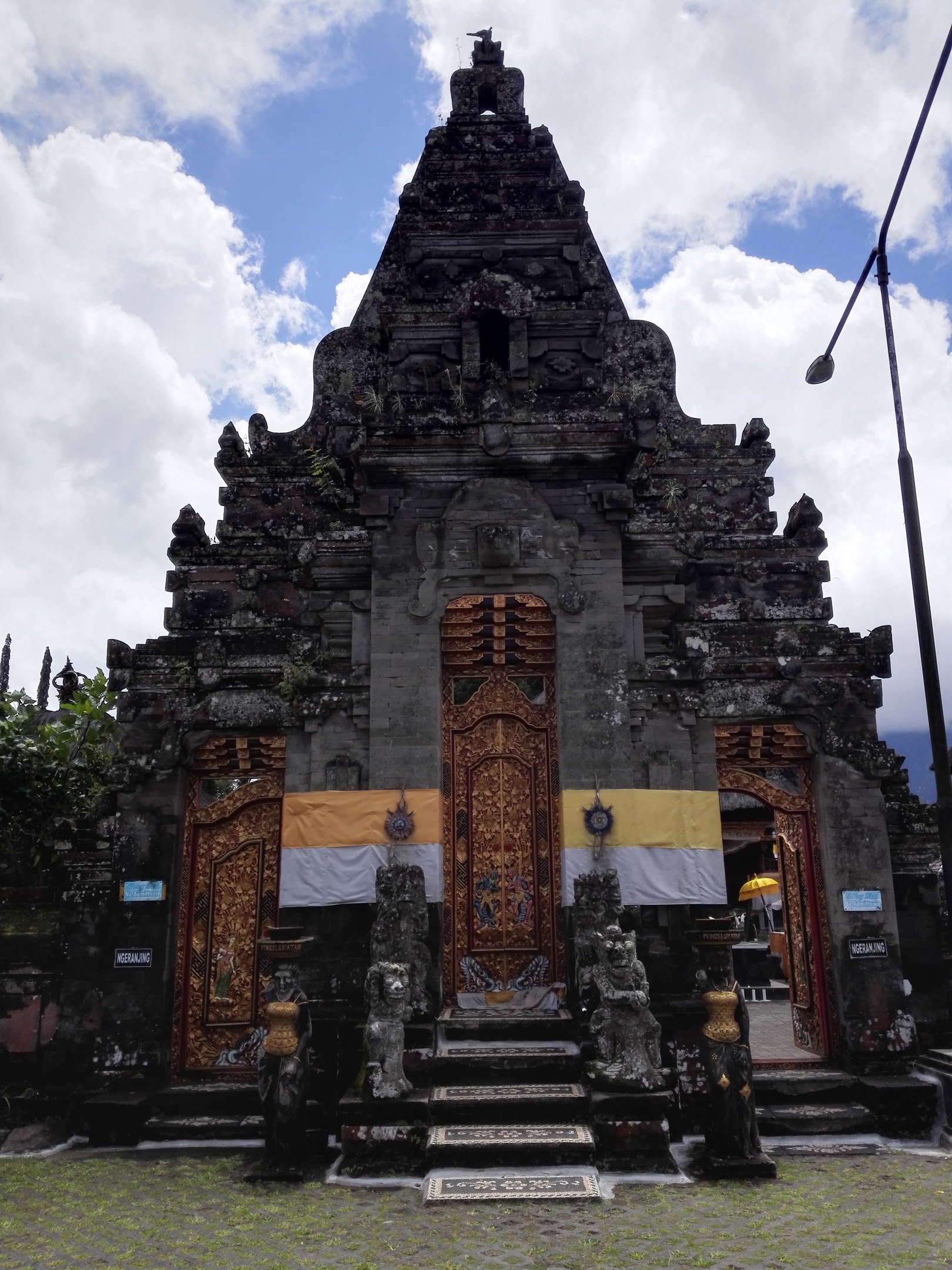
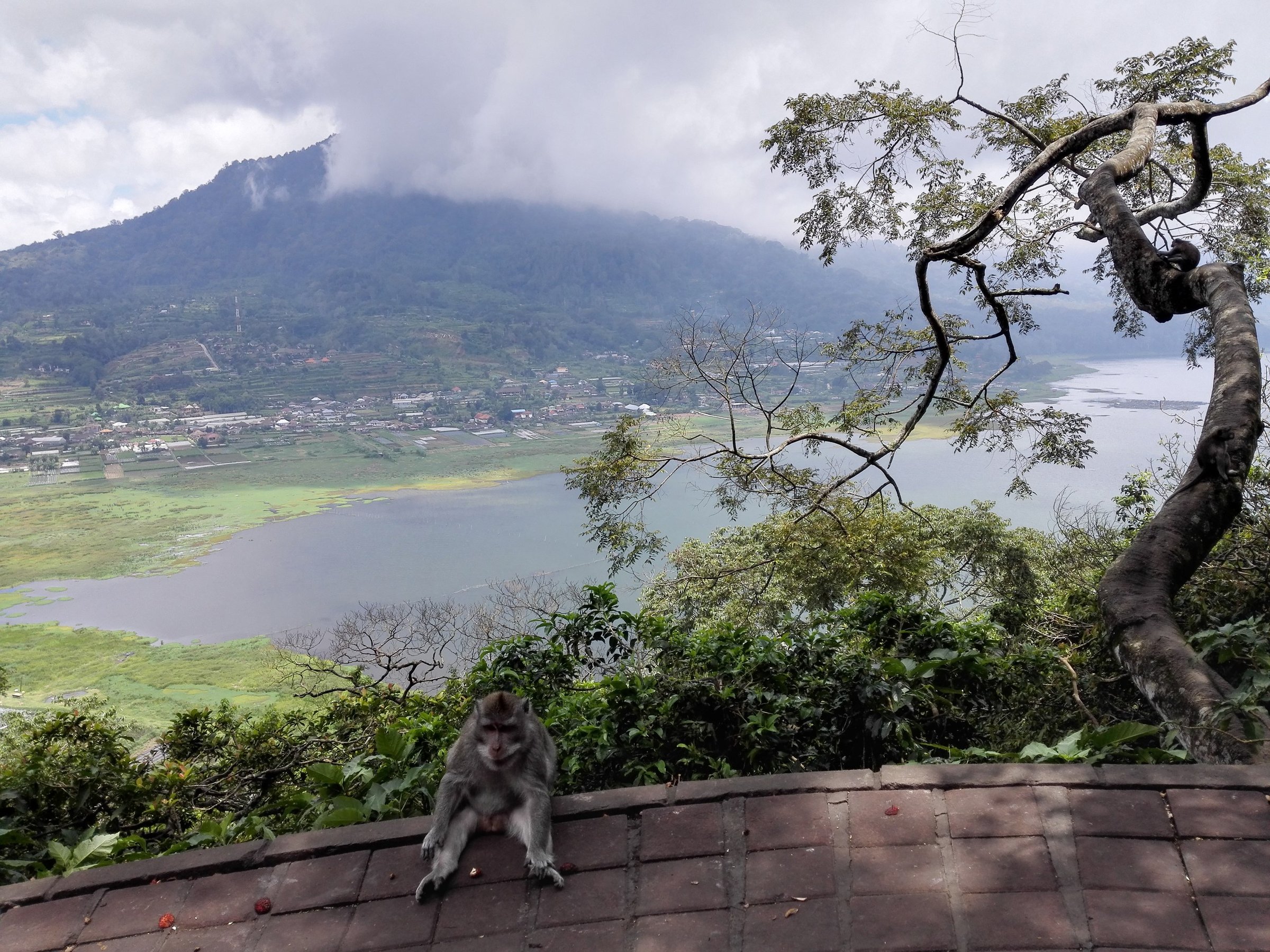
From this trip we have shots of monkeys, rice terraces, and a mangosteen tree with still-green fruit.
And, of course, the waterfalls themselves.
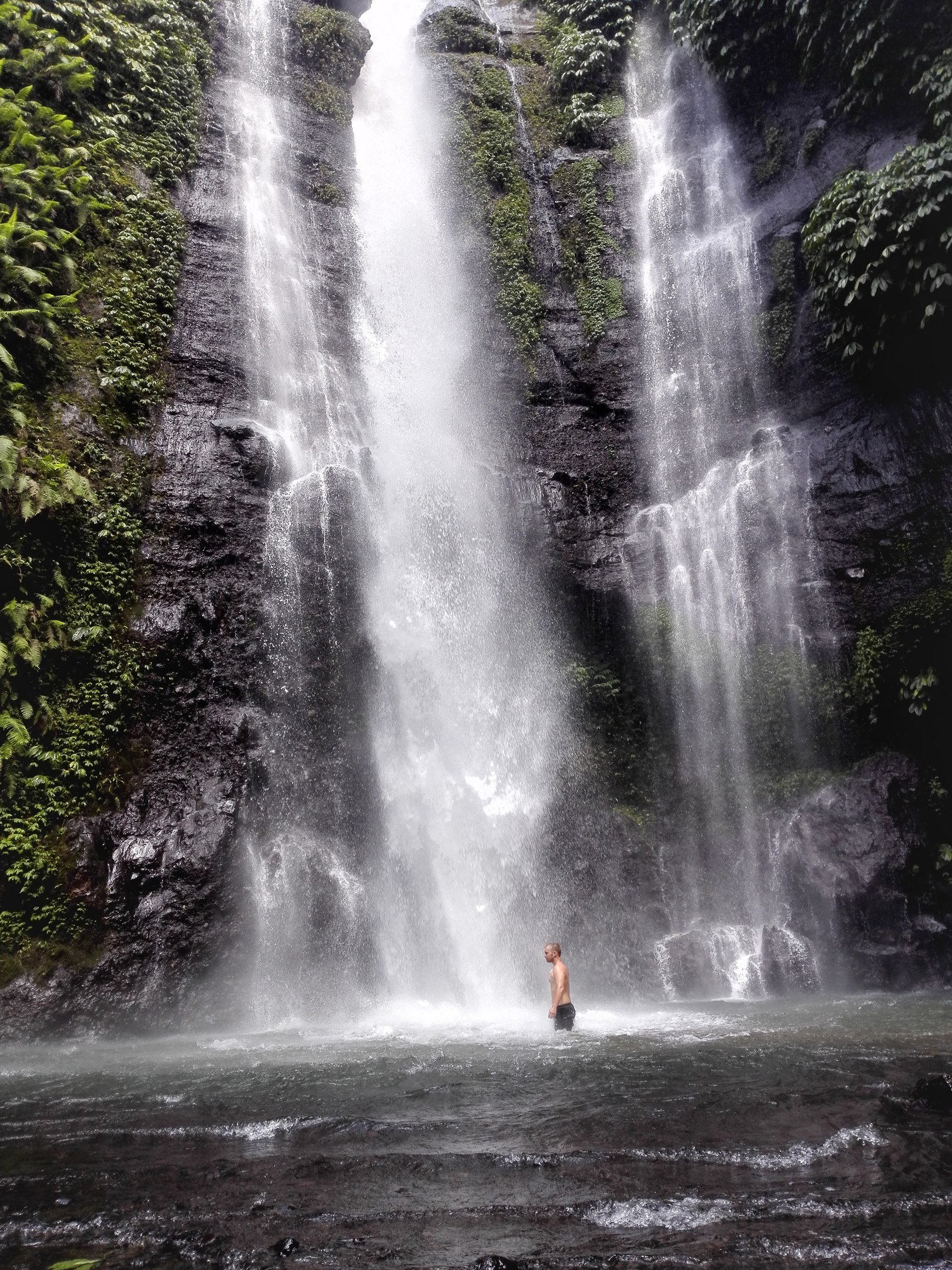
We didn't find any sights on the other side of the island, so after the waterfall we drove to Batur volcano and the lake of the same name. Because of the overcast weather the volcano was hard to see. We headed home at sunset.
Meanwhile, our Indonesian stamp was running out, and there was still no news about our Australian visa. We decided to wait for it in Malaysia, on Langkawi, and on March 26 we flew from Bali via Jakarta to Kuala Lumpur.
Comments
Thank you! Your comment has been sent and will appear after moderation.