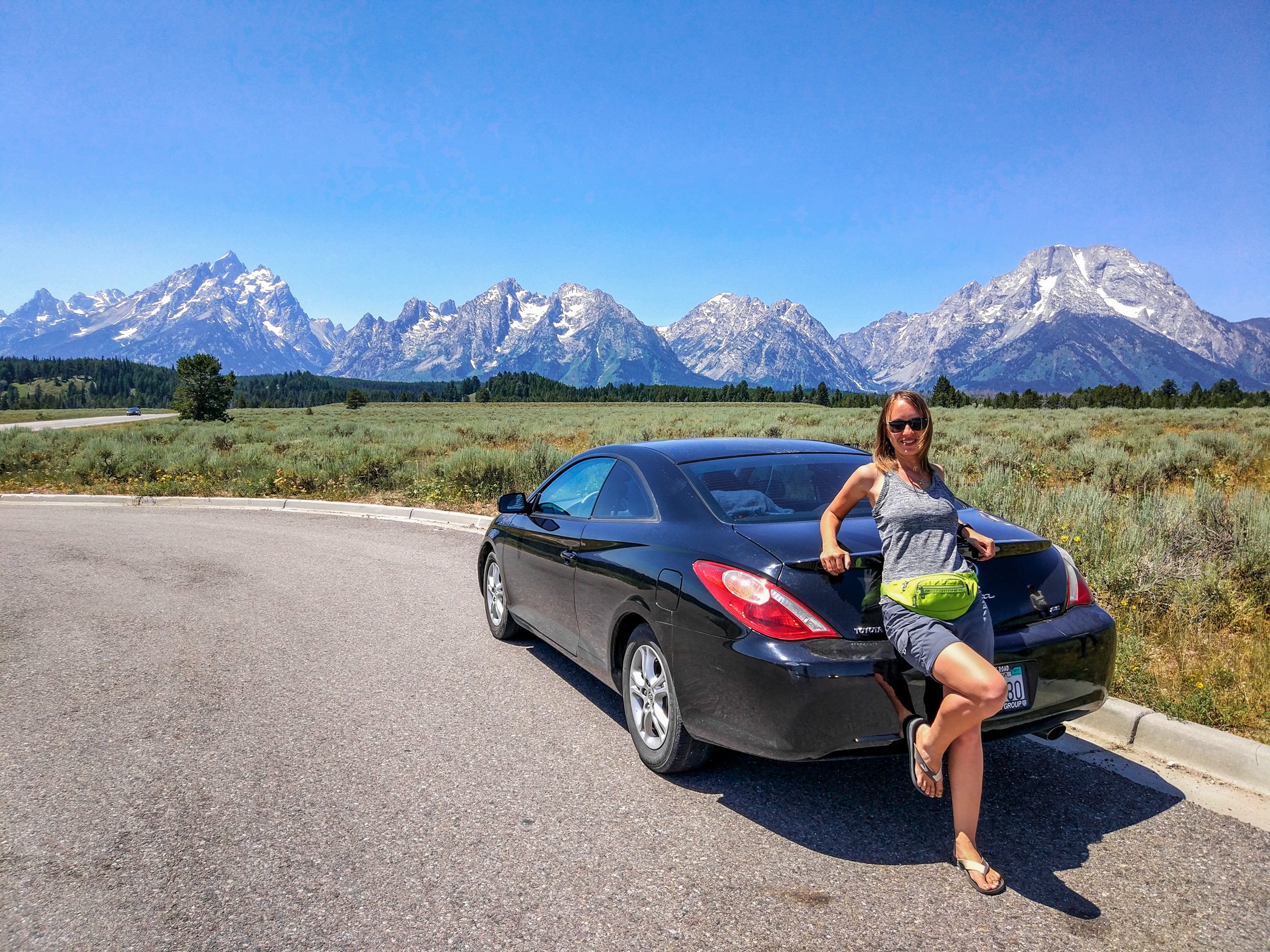
Driving across the USA: useful information and tips from our experience
In the 5 months of our trip across the USA by car, we drove 27,000 kilometers, crossed 33 states, and visited 29 national parks. In this article we share useful information about traveling around America by car.
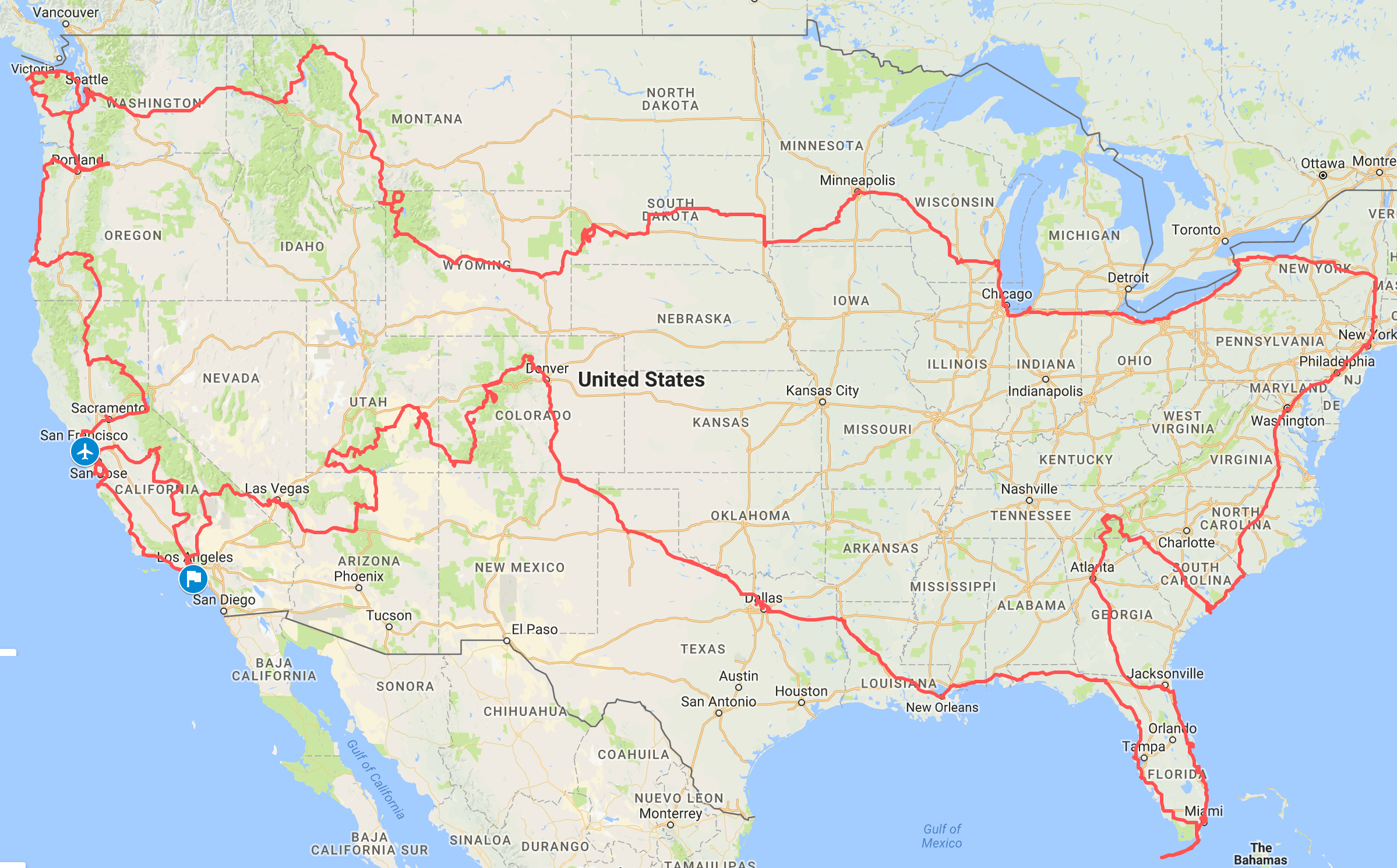
Across the states by car?
Let's start with this: a trip across the USA by car really is a great idea, and if you have the chance, don't even think twice — you'll love it!
America has a huge number of all kinds of sights: famous cities (New York, Los Angeles, Las Vegas, Chicago, Washington, D.C., San Francisco, Miami, Denver, Boston…) and national parks (Grand Canyon, Yosemite, Arches, Yellowstone…). And driving on the excellent roads of the USA is a real pleasure. The well-developed road infrastructure of the Land of Cars lets you cover any distance safely.
So you've got your US visa and decided you'd like to drive across the USA. Where do you start? Right — by buying a car! (Or else renting one — that's simple enough: just comb through the rental companies' websites and find the best terms.)
Buying and selling a car in the USA
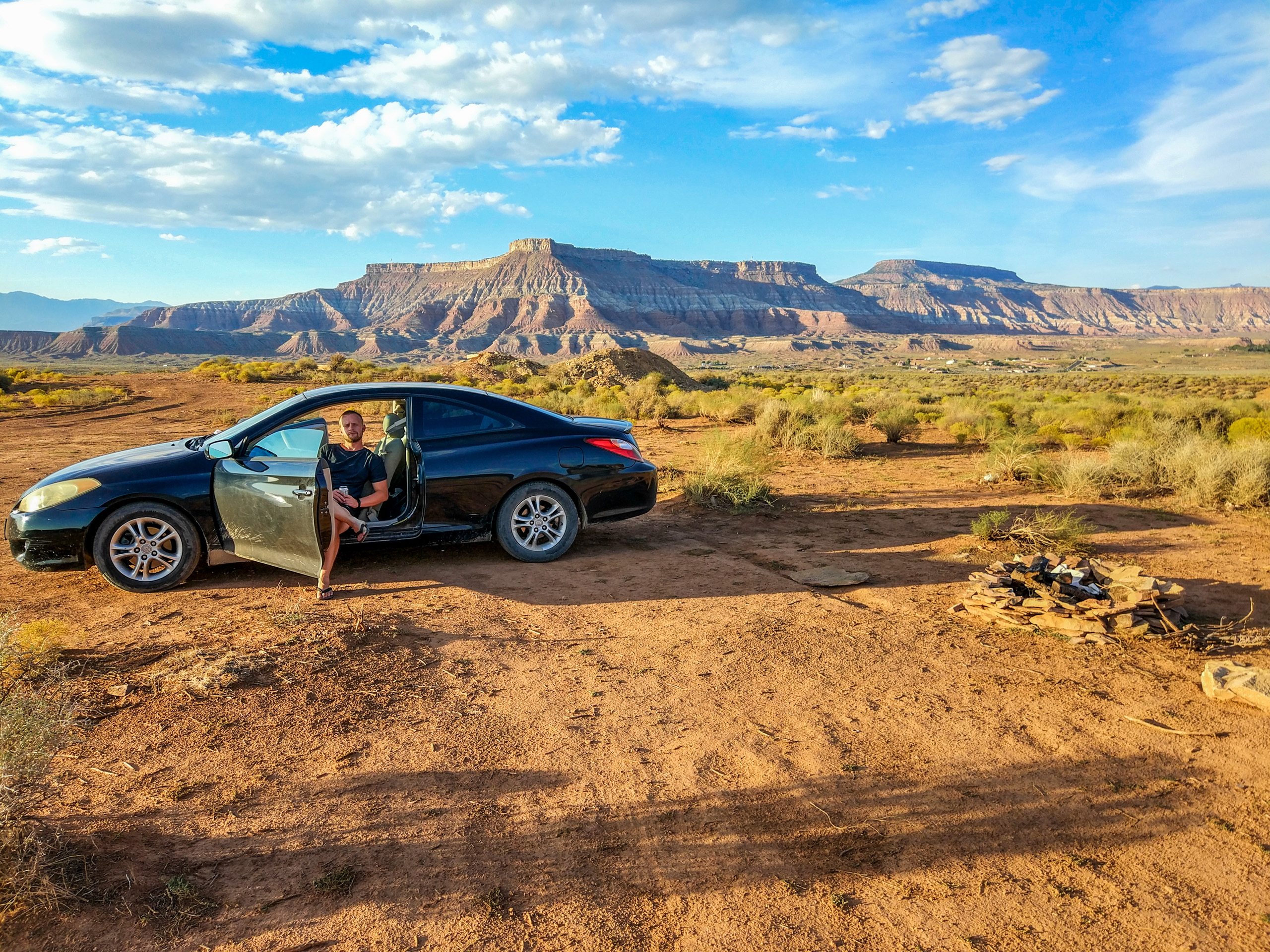
We bought a Toyota Solara 2006 in Los Angeles for $3735, and 5 months later sold it in San Jose for $3750. Yes, $15 more :)
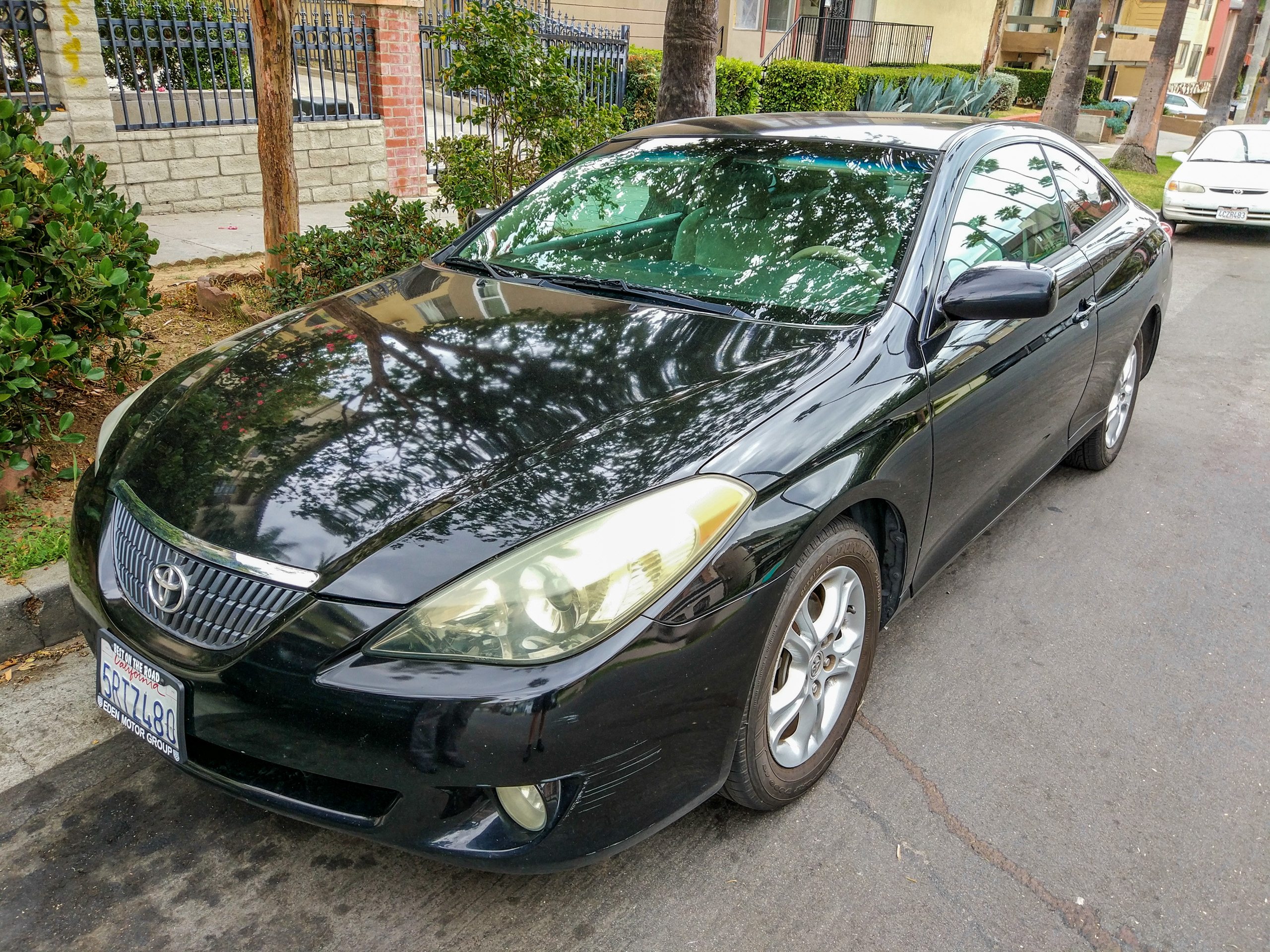
A foreigner can buy a car in the USA without any trouble! And buying and selling a car in big US cities is a matter of 1 day. The most popular classifieds site for buying and selling cars in the USA is craigslist.org.
In Los Angeles we bought a car the day after we landed, from the very first listing. In San Jose we sold it the day after we posted the ad on Craigslist.
The procedure for buying or selling a used car in the USA is ridiculously simple: a minimum of bureaucracy and paperwork. There is a document called the Title, a certificate of ownership. When selling, the owner of the car signs it and hands it to you in exchange for the money. It's also a good idea to get a Smog Check paper from the owner — something like a vehicle inspection aimed mainly at controlling the level of pollution. In general, the USA has no vehicle inspection as such: here responsibility for the condition of the car lies entirely with the owner, but how much your car pollutes the air concerns everyone. If the Smog Check hasn't been passed and there's no paper, getting one is a matter of 10 minutes and ~$35.
That's it, the sale is done. Now all that's left is to put the Title in your name (do a Transfer). For that you go to the nearest DMV office (the equivalent of the Russian traffic police), give them the Title (the Smog Check, like the tax information, goes into the database, so you don't need to have the papers), and pay the tax on the car purchase (the rate depends on the state; in California it's 10%).
When you transfer the Title, you have to give an address in the USA where they will mail the new paper in your name. Take care of having such an address in advance: find someone who won't mind your Title arriving at their place. We met a guy in Los Angeles through Airbnb and used his address. The transfer takes up to 2 weeks.
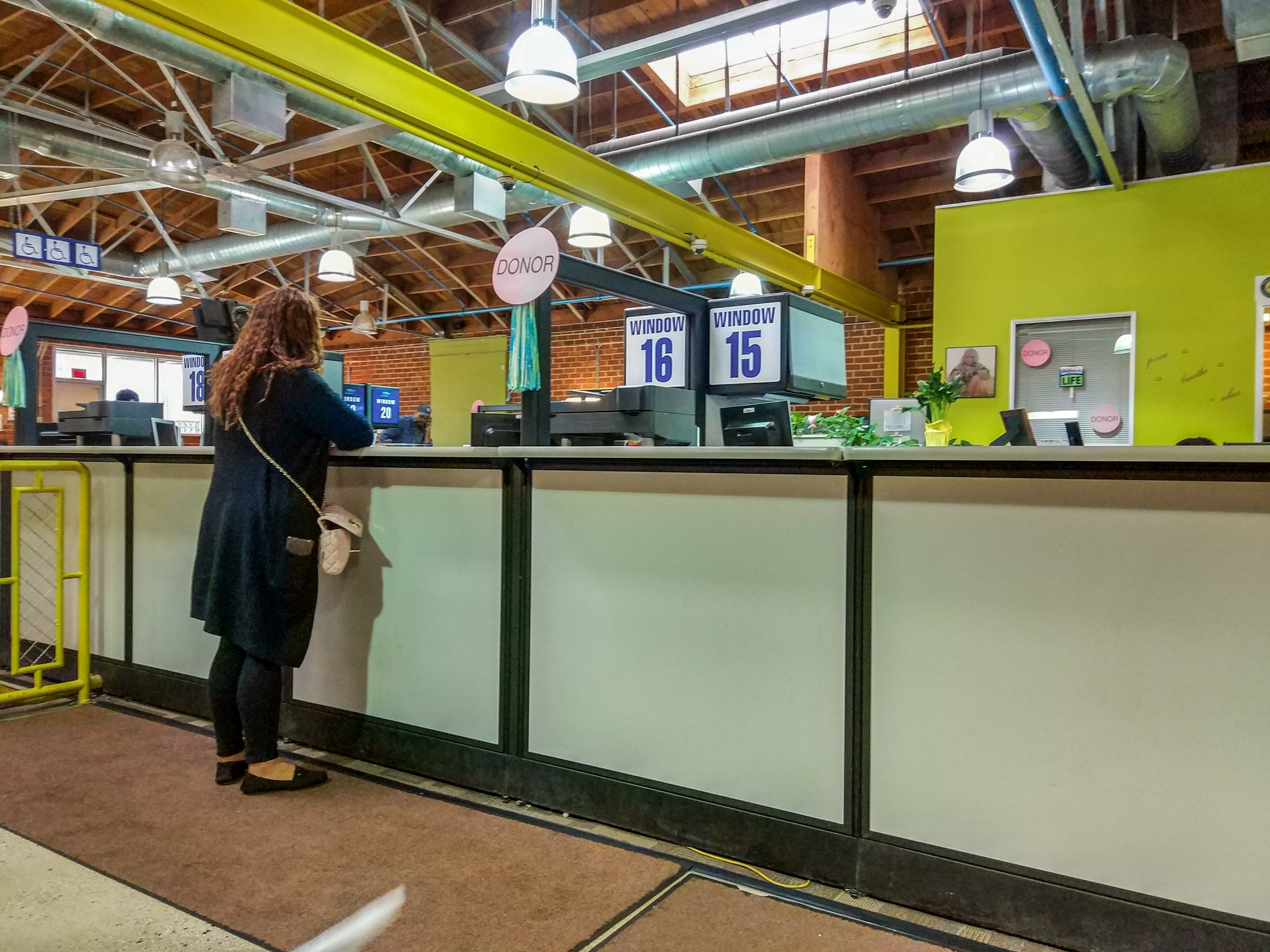
That's it, the main part of buying the car is done. Now you just need to make sure your tax payment sticker hasn't expired (a colored sticker on the license plate with the month and year it expires). You can pay the tax online, and the new sticker will be mailed to the address you gave the DMV. For our car this cost ~$100.
And the last thing worth doing is getting insurance. The procedure is simple and is done online or by visiting the nearest insurance office. Our insurance, the equivalent of the Russian OSAGO (mandatory liability), cost ~$80 a month.
As you can see, buying a car often turns out cheaper than renting one. It makes sense to think about buying if you're planning a trip of more than 1 month.
That's it, you can hit the road! Well, except for a bit more information about driver's licenses.
What driver's license you need to drive in the USA
While nobody asks for your license when you buy a car, when driving such situations can come up (they didn't for us — we were never pulled over). Rental companies also ask for a license. So what license do you need, and will a new-style Russian license be valid in the USA?
Officially, under the Geneva Convention (the USA didn't sign the Vienna one), a driver must have a national driver's license plus the international booklet. Most likely no one will ever pull you over, and if they do, a new-style Russian license will be quite enough. But that's for you to decide.
At rental companies a regular Russian license is quite enough; nobody asks for the booklet.
Traveling across the USA by car
So, all the bureaucratic procedures are done, and we can move on to the most enjoyable part — we start traveling around America by car! Let's go over the main aspects of a trip like this, starting with gas and everything related to it.
Gas in the USA
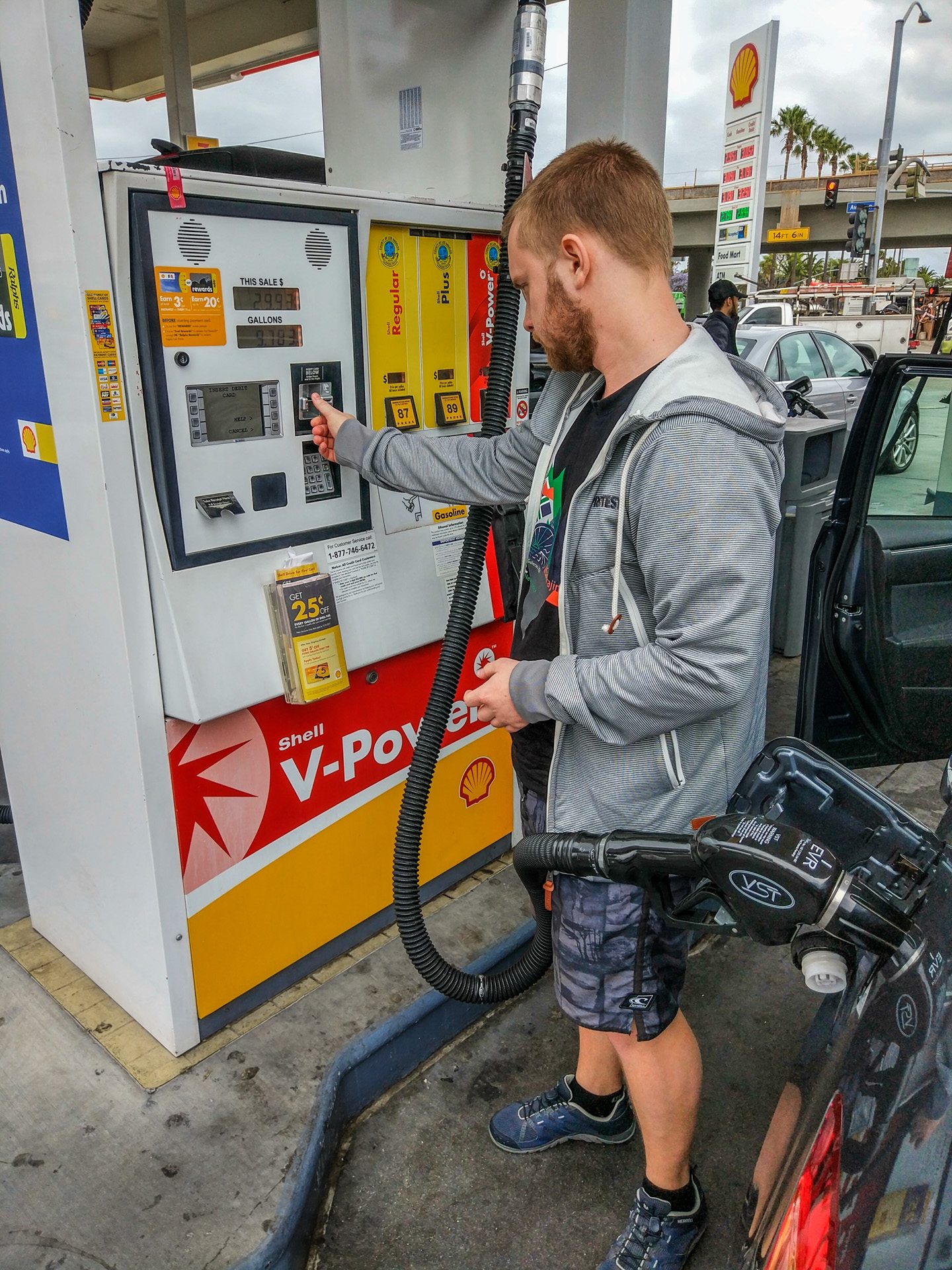
The average price of gas in the USA is the same as in Russia: as of February 2019, 39 rubles per liter ($2.62 per gallon). The price of gas in America depends on state fuel taxes. The cheapest gas is in Texas, 34 rubles per liter; the most expensive is in California, up to 49 rubles. Gas in the USA is of better quality than in Russia. Also, in the States, because the octane rating is calculated a bit differently, the equivalent of Russian AI-92 is 87. Don't be surprised or worried by that.
There's no shortage of gas stations; the longest stretch you can find without one is 200 km.
Traffic rules in the USA
Although US traffic rules are not radically different from Russian ones, there are some differences. Among the particular features of American traffic rules are the following:
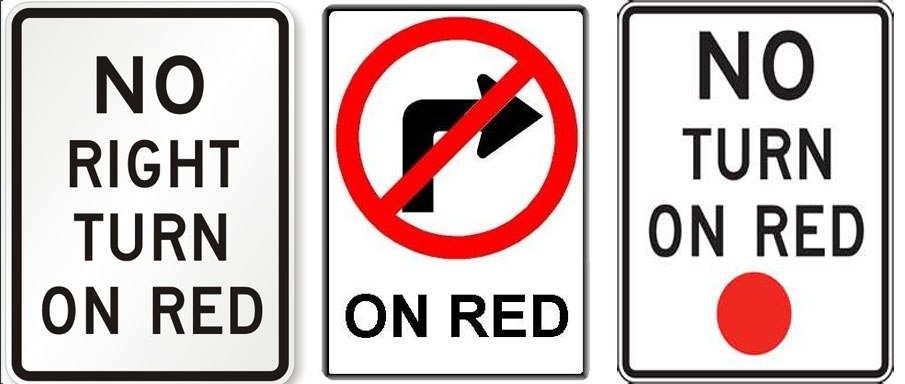
- At signalized intersections (with traffic lights), a right turn on red is allowed from the far right lane. Before turning, you must come to a complete stop and yield to other traffic. The rule applies throughout the USA except in New York City and on the island of Montreal. The rule is canceled by signs prohibiting a right turn on red.
- The STOP sign means you must actually stop before the intersection, not just slow down (even if you can see no vehicles approaching). This is a serious requirement, and people are often penalized for it. Such intersections are crossed in turn (in the order in which the cars arrive at the intersection).
- Speed limit signs in school zones: the rule is strictly enforced, and the penalties are harsh.
- The CarPool (HOV 2+) sign marks lanes for cars with two or more occupants. Something like dedicated lanes for public transportation. Many states make an exception for hybrids and electric cars and allow them to use the carpool lane.
- Parking signs: there can be several of them, in which case the parking rules add up. Also, you can't park next to a red curb.
- Lane lines separating opposing traffic are always yellow. The edge of the roadway is sometimes marked in the same color.
- In many states, when driving in the far right lane of a highway, drivers must move over at least one lane to the left if there's a vehicle stopped on the shoulder.
- Two double solid lines are the same as a reinforced concrete barrier.
- Parking in a disabled spot when you're not disabled means a fine from $250.
- You must stop for a school bus with its signals on. All vehicles must stop, including those going in the opposite direction if the road has one lane each way.
Where to spend the night on a road trip across the USA?
Want to save on places to stay? We'll tell you where you can spend the night in your car in the USA cheaply (or for free) and safely.
Rest areas
A wonderful thing about the USA is that there are more than 2000 (two thousand) rest areas along all the country's highways.
A rest area is an exit off the highway with a car parking lot (from 30 to 200 spaces), free restrooms, drinking water, and various vending machines.
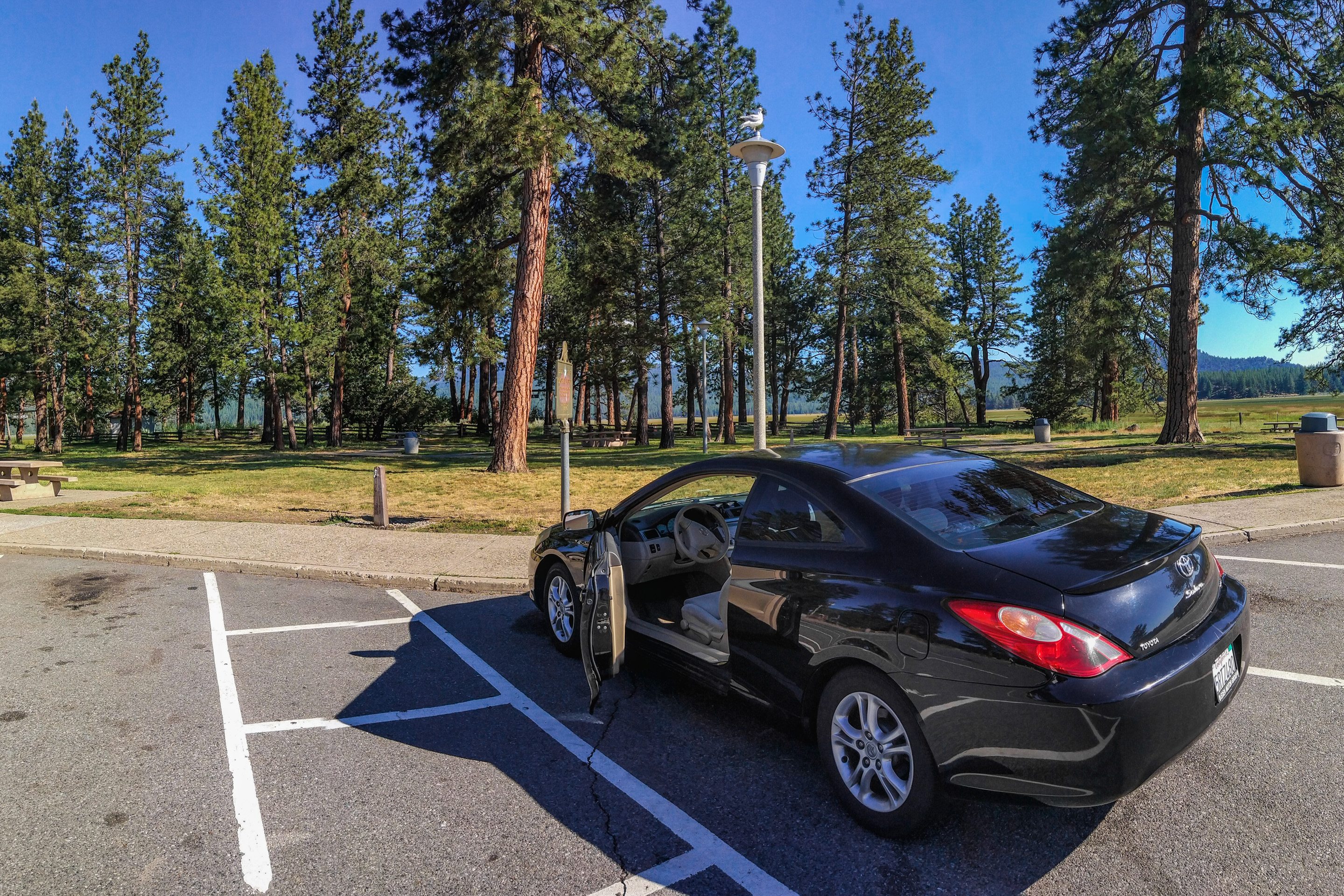
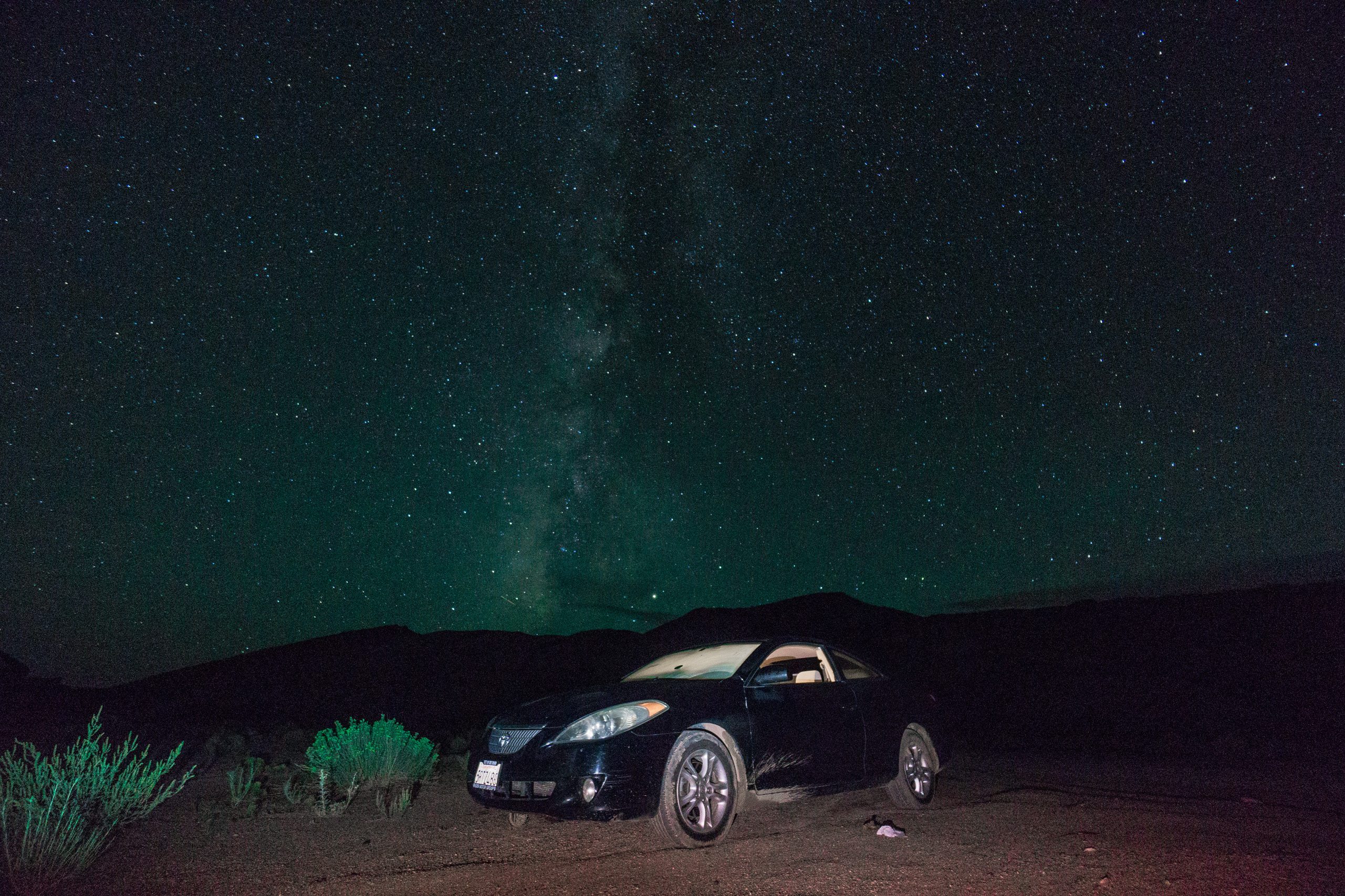
You can sleep in your car at rest areas. True, some states set a maximum time you can stay in the parking lot (4 or 6 hours). But that never stopped us from spending the whole night at rest areas, and we did it about 40 times. Plus we spent roughly as many nights in the parking lots of Walmart stores.
Walmart parking lots
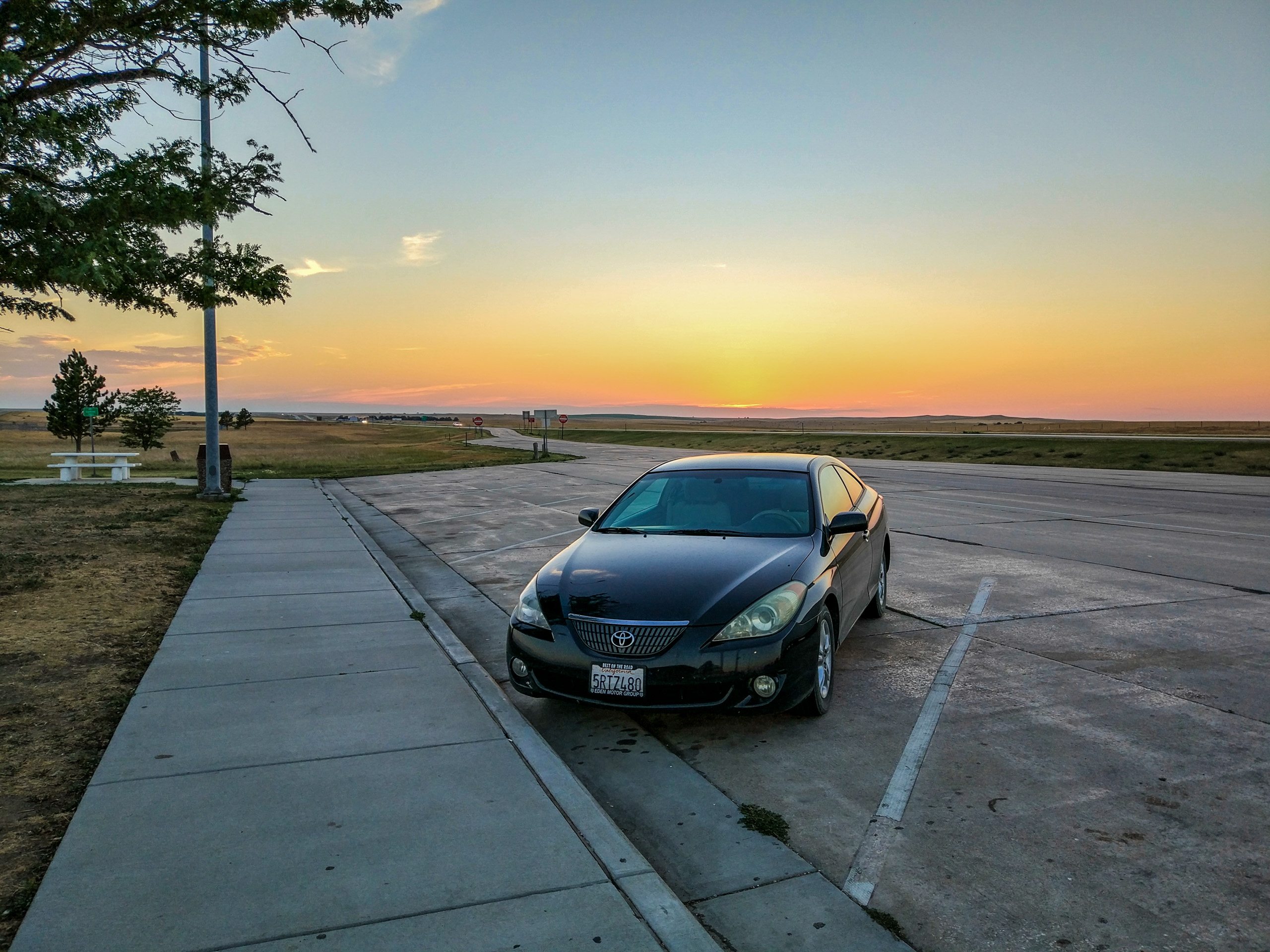
Walmart is very popular with travelers because of its tolerant policy toward car camping in its store parking lots. Roughly speaking, you can pull into the parking lot of any Walmart Supercenter (there are also smaller Walmart supermarkets; here we mean the chain's hypermarkets, the Supercenters), pick a cozy spot, and spend the whole night in your car in a guarded parking lot. And if the store turns out to be open around the clock, you get access to water and restrooms all night as a bonus.
The only thing is that sometimes local city ordinances prohibit overnight camping in store parking lots. There's nothing Walmart can do about that; it has to comply. In such cases you'll see the corresponding prohibition signs in the parking lot. By the way, there's a mobile app, Walmart Locator, that shows all the chain's stores with ratings and their attitude toward overnight parking on their property.
We also spent the night in Walmart parking lots about 30 times.
Campgrounds, public lands
There are thousands of campgrounds in the USA, paid and free. Most of the developed ones are paid, of course. But there are pleasant exceptions.
At almost all campgrounds you can build campfires and cook. There are also usually restrooms, drinking water, a place to buy firewood, and picnic tables. Sometimes there are showers, a laundry, and small stores.
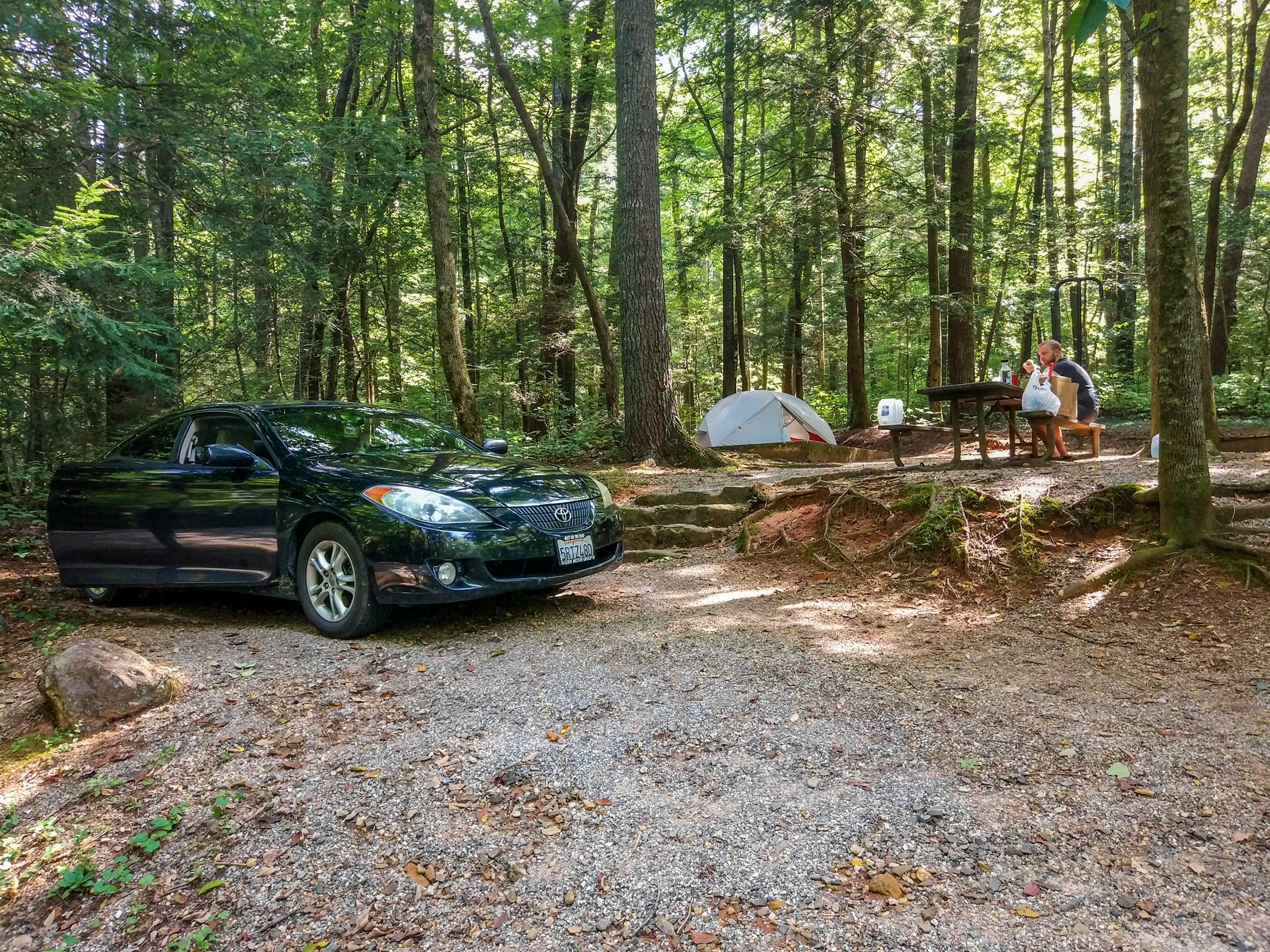
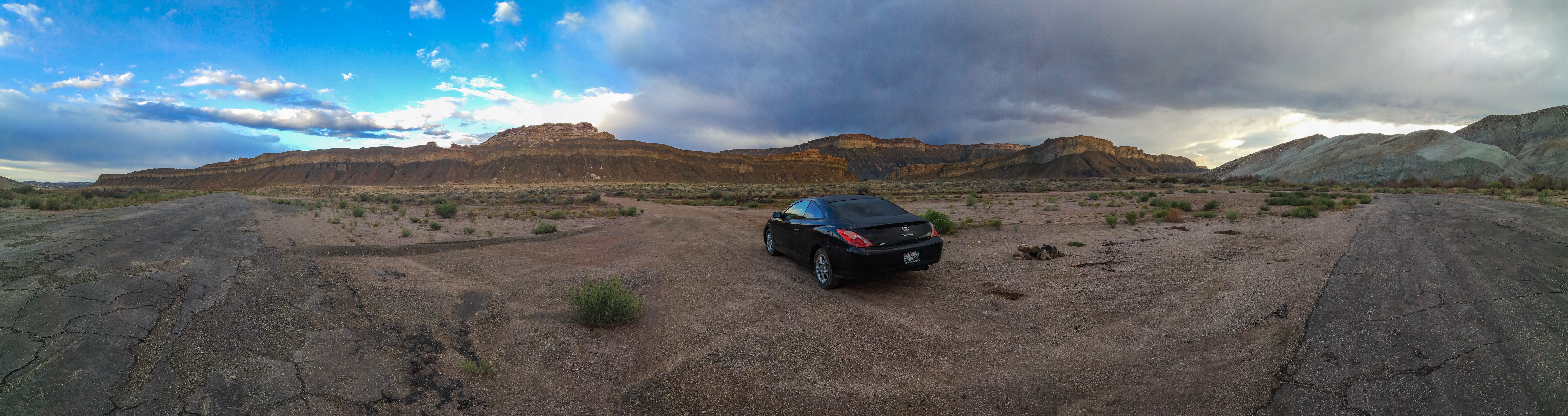
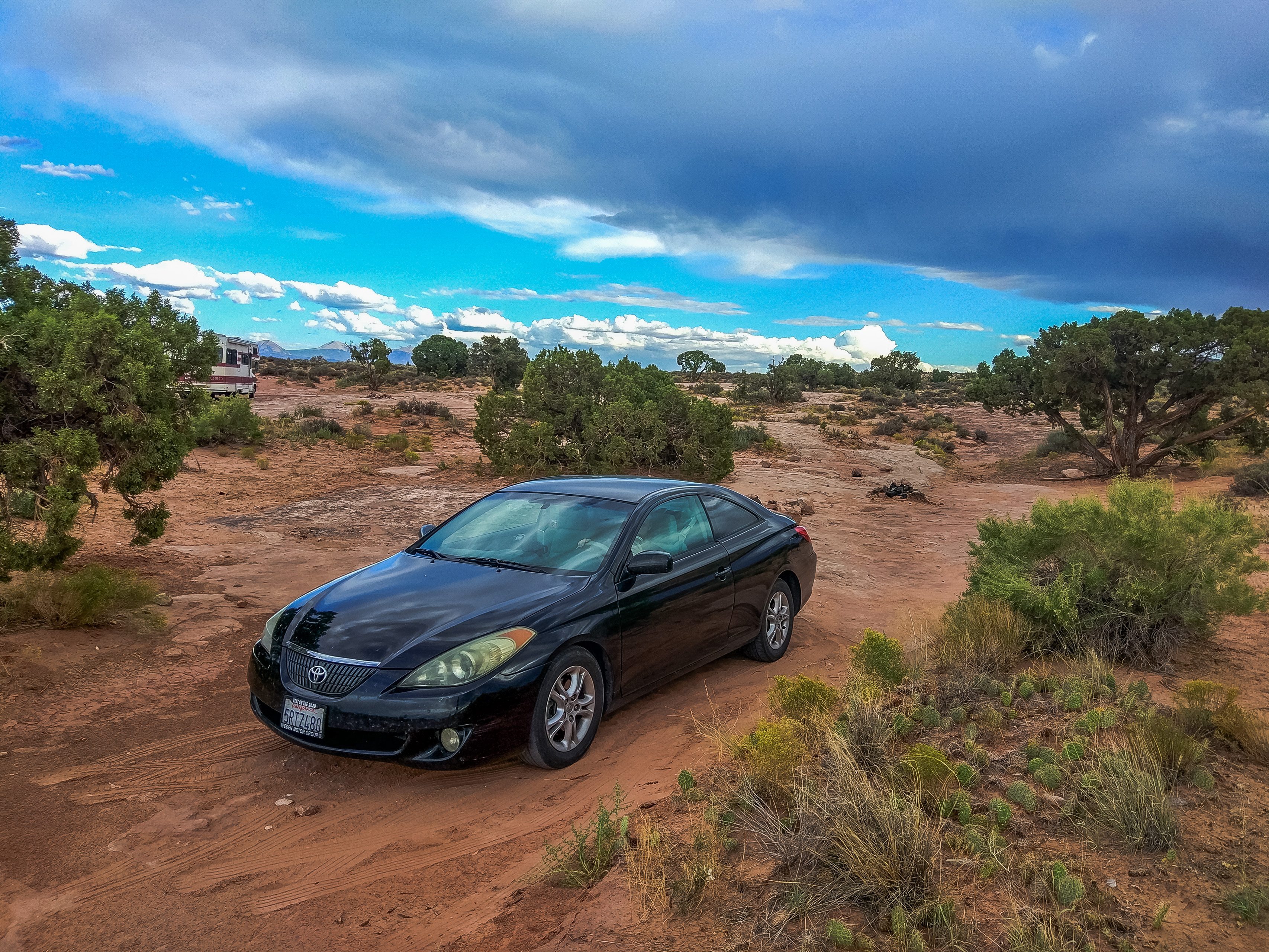
Another free alternative to campgrounds is the so-called public lands: public places in the USA that can officially be used for camping. Some examples of such places:
- National Forest: the land of national forests. Here you are allowed to set up camp 100 meters from the nearest road. Not to be confused with national parks, where dispersed camping is prohibited.
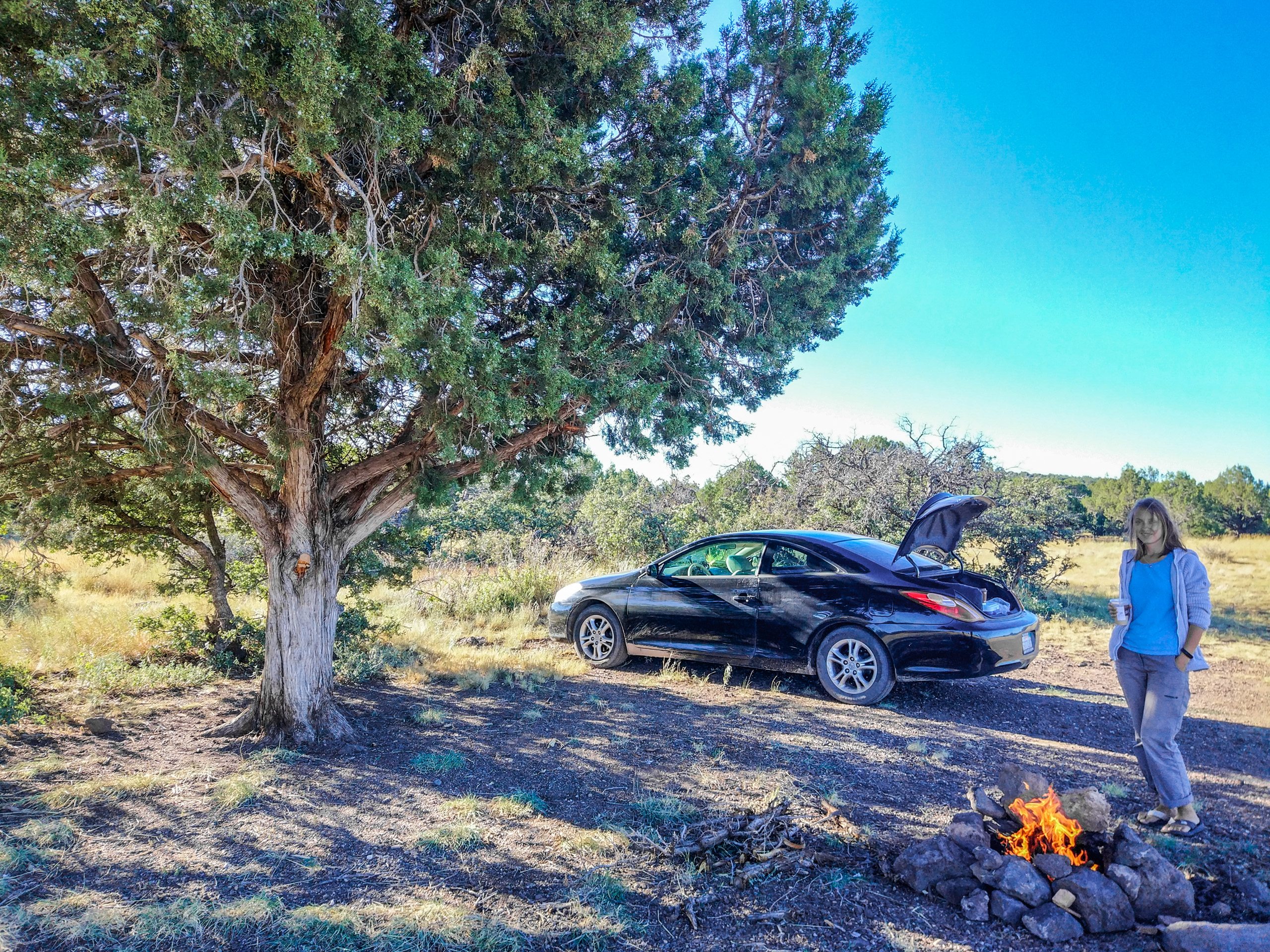
- BLM (Bureau of Land Management): essentially the same thing as the forests, except that BLM land is usually rather desert country.
Airbnb, Couchsurfing
Besides places to stay like rest areas, parking lots, campgrounds, and hotels, there's a wonderful thing called Couchsurfing, a worldwide hospitality platform that works especially well in the USA. The idea is extremely simple: a host (the person who takes you in) posts on the Couchsurfing site that they're ready to host guests at their home; you, in turn, send them a request, and if the host approves it, you're welcome to stay with them.
If you want more comfort and independence but still want to save money, the Airbnb option, Couchsurfing for money, may suit you. The idea is the same as with Couchsurfing, only you'll feel freer. On Airbnb people rent out their home or part of it. For example, you can find a room, a couch, a spot for a tent in the backyard, and so on.
Hotels in the USA
And the last thing worth mentioning is hotels. Here everything is extremely simple: you pay money and get a place to stay. The cheapest room in a US hotel will cost you $60. To find a hotel in America, it's most convenient to use aggregators like Agoda, Expedia, and Booking, which will show you all the hotels nearby and let you find a room at the lowest price.
Food in the USA
A little about eating on a budget in the USA. Here are a few ways we know to save on food in America:
- Deals in mobile apps such as McDonald's, Burger King, and Starbucks. Sometimes you can get food or a drink completely free. For example, we went to Starbucks almost every day and got 2 free drinks each time, just by registering new accounts in their app. That way we saved about $600.
- Markdowns on prepared food in supermarkets. In hypermarkets like Walmart, Target, and the like, they most often start putting discount stickers on food nearing its expiration date in the morning. Discounts reach 80%; you can pick up some chicken, salads, and sandwiches.
- Discount stores. Whether there are such stores depends on the state; the most common chains are Aldi, WinCo, Sprouts, Grocery Outlet.
- Wine at Grocery Outlet stores: $3–4 for a bottle of excellent wine.
- Get a gas camp stove if you plan to stay at campgrounds. You can cook noodles, soups, and lots more quite cheaply.
Where to take a shower in the USA?
We've sorted out places to stay, and food seems clear too. For a comfortable existence, all that's left is to find places where you could take a shower now and then. Such places exist, and there are quite a lot of them, both paid and free. Here are the main places in America where you can take a shower:
- Truck stops: places where trucks rest and stay overnight. Most truck stops have showers, most often paid ($5–10 per person). You can arrange to go together into 1 shower. Truck stops also often have gas stations, and there's a rule: if you fill up with them, the shower is free. Most often a required number of gallons is stated (huge, meant for semis), but sometimes it's enough just to show a receipt for any amount.
You can simply say that you're not a truck driver but just traveling; they may meet you halfway and give you the shower key for free.
- Campgrounds / RV parks. Some campgrounds, most often paid ones, have showers. You can just drop in at such a campground for half an hour and take a shower for free. Nobody keeps an eye on this, because Americans, for the most part, don't do that kind of thing. In general, in the USA there's a minimum of control over such things, and everything relies on people's conscience.
- Gyms. The USA has a wide range of gym chains. Almost all of them, as you've already guessed, have showers. Prices start at $1 a day. You can also ask for a free trial period. We went to Anytime Fitness in San Jose (California) for 10 days for $12 per person. We found that price on Groupon.
Annual pass to US national parks
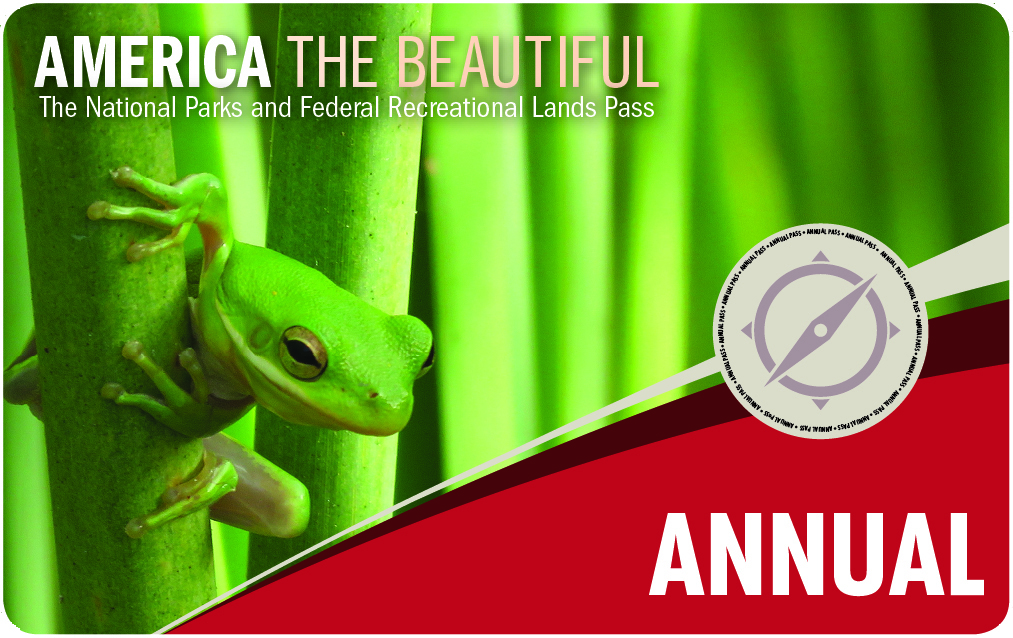
If you plan to visit more than one American national park in a year, it makes sense to buy the annual pass to all the country's national parks (and more): the Annual Pass. As of October 2026, it costs $80 for US citizens and residents and $250 for foreigners (Non-Resident Annual Pass). The pass covers 1 car and up to 4 adult passengers.
A SIM card with internet in the USA
On a trip across the USA by car it's very important to always stay connected and have internet access, so let's look at buying a SIM card in the USA. We studied the plans of various mobile carriers and chose a SIM card from H2O Wireless.
For $30 you get completely unlimited internet throughout the USA: 4 GB of data at full speed and internet at 2G speed after that. As a bonus you also get unlimited domestic calls/texts and $10 for international calls, which is an hour and a half of calls to Russia.
Budget for a road trip across the USA
All that's left is to mention how much such a pleasure as a road trip across the States can cost. In almost 5 months (from May 23 to October 16, 2017) of our trip across the USA, we spent $5900. Here's the breakdown by the main expense categories:
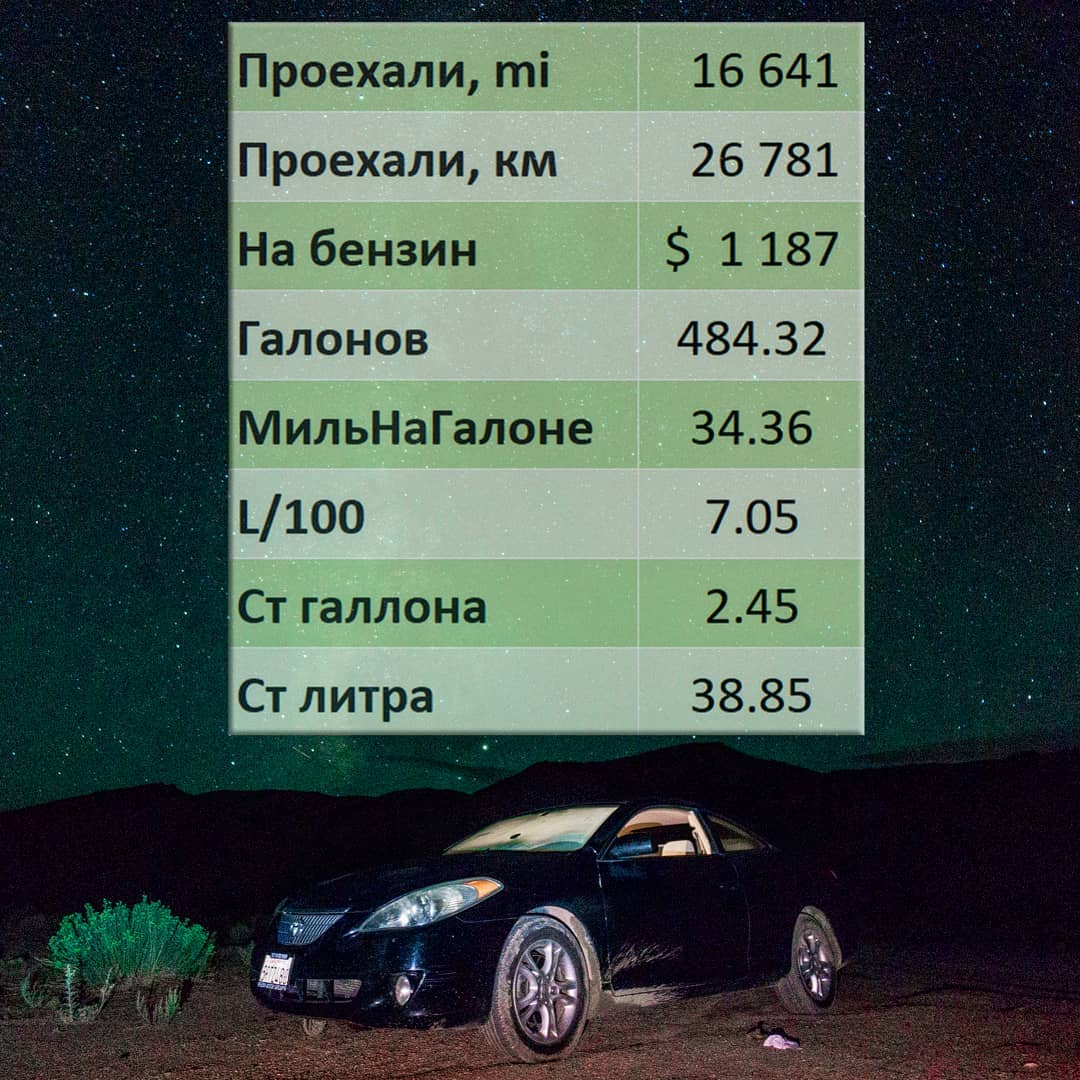
- $1187: gas (see the graphic below)
- $1040: plane tickets for two (Moscow — Los Angeles, San Francisco — Phuket)
- $1320: food (~$9 a day)
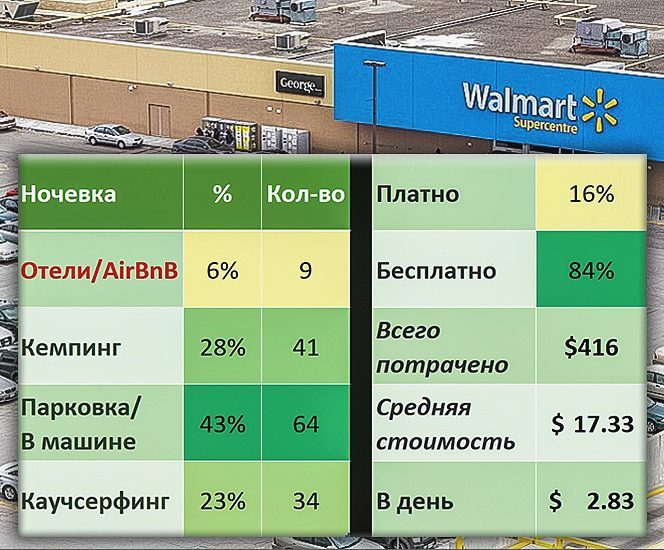
- $416: accommodation (see the graphic below)
- $390: car insurance (~$80 a month)
- $368: alcohol ?
- $305: a pile of clothes from discount stores like TJMaxx
- $222: car rental (in LA and SF)
- $160: parking tickets
- $100: tax on buying the car
- $98: car registration for a year (since it had expired)
- the rest: various small things
And a bit of infographics on accommodation and gas ?
That's basically everything we wanted to share with you. If you have any questions left about traveling across the USA by car, write in the comments, and we'll be happy to answer!
Have a great trip across America!
And here's the video we made from our road trip across the USA:
Comments
Thank you! Your comment has been sent and will appear after moderation.