Hoover Dam, Vegas on foot, and Death Valley
In September 2017, after the Grand Canyon, we headed toward Las Vegas, and after leaving it we drove through Death Valley.
The dam and the bridge
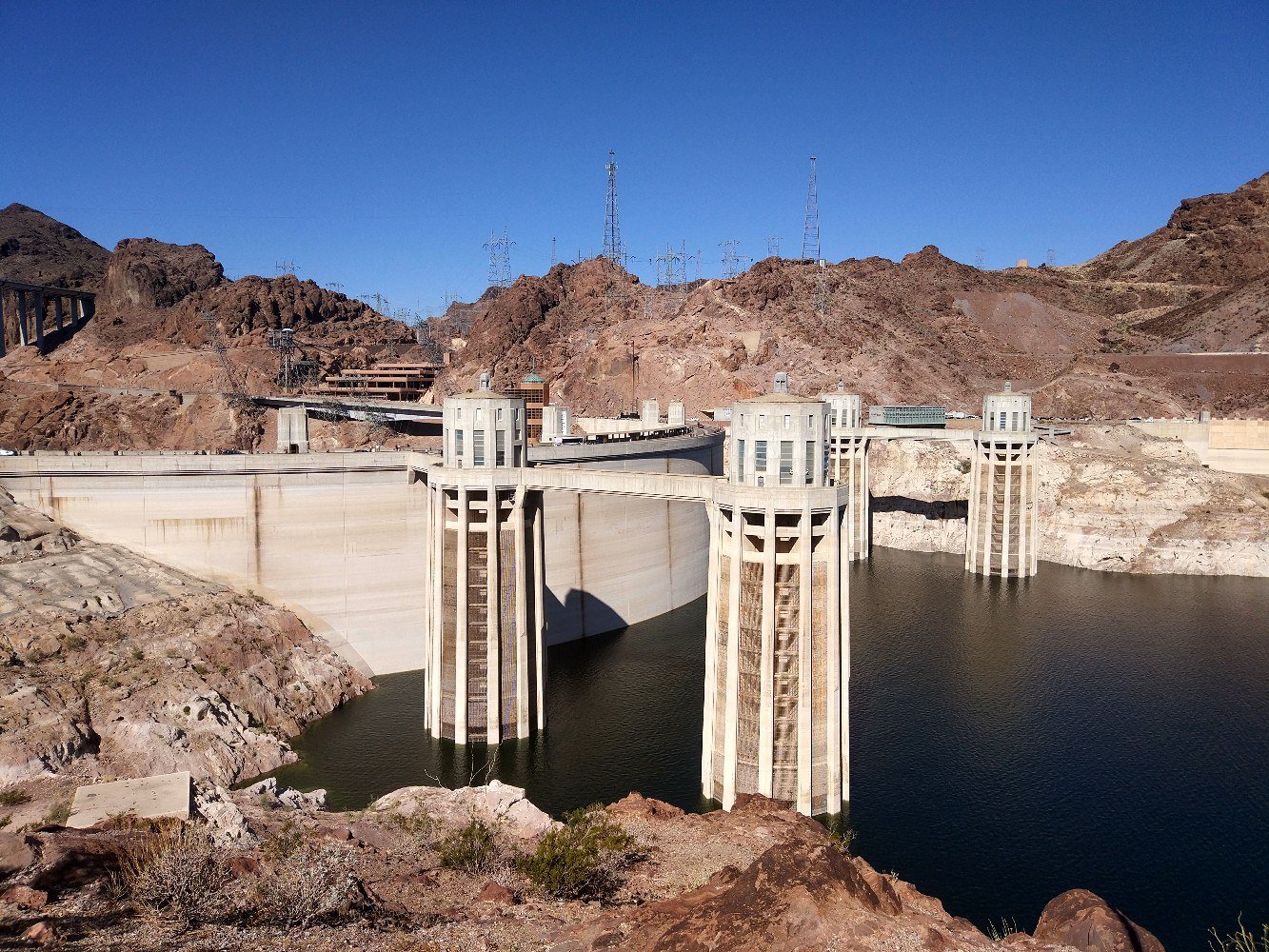
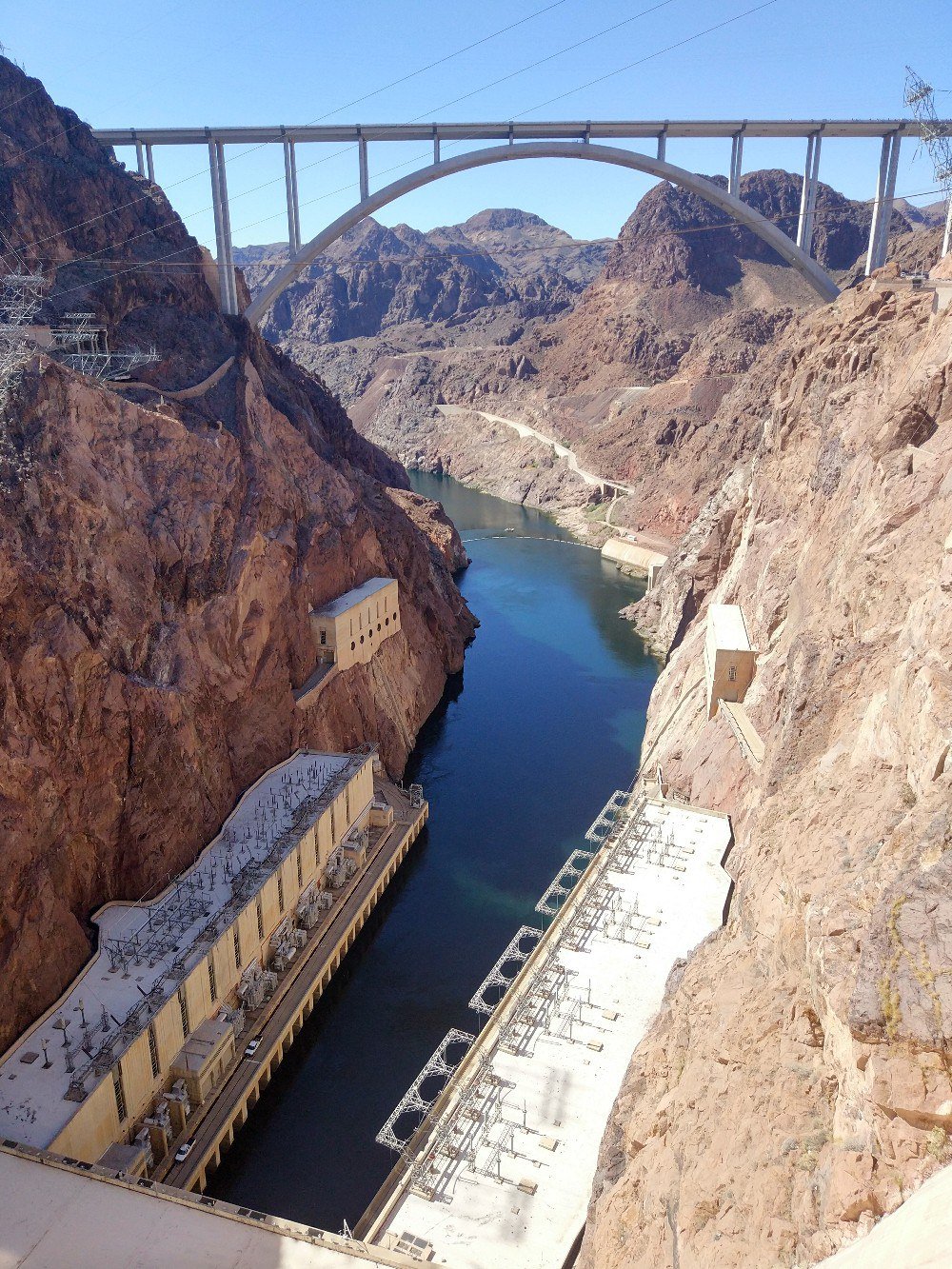
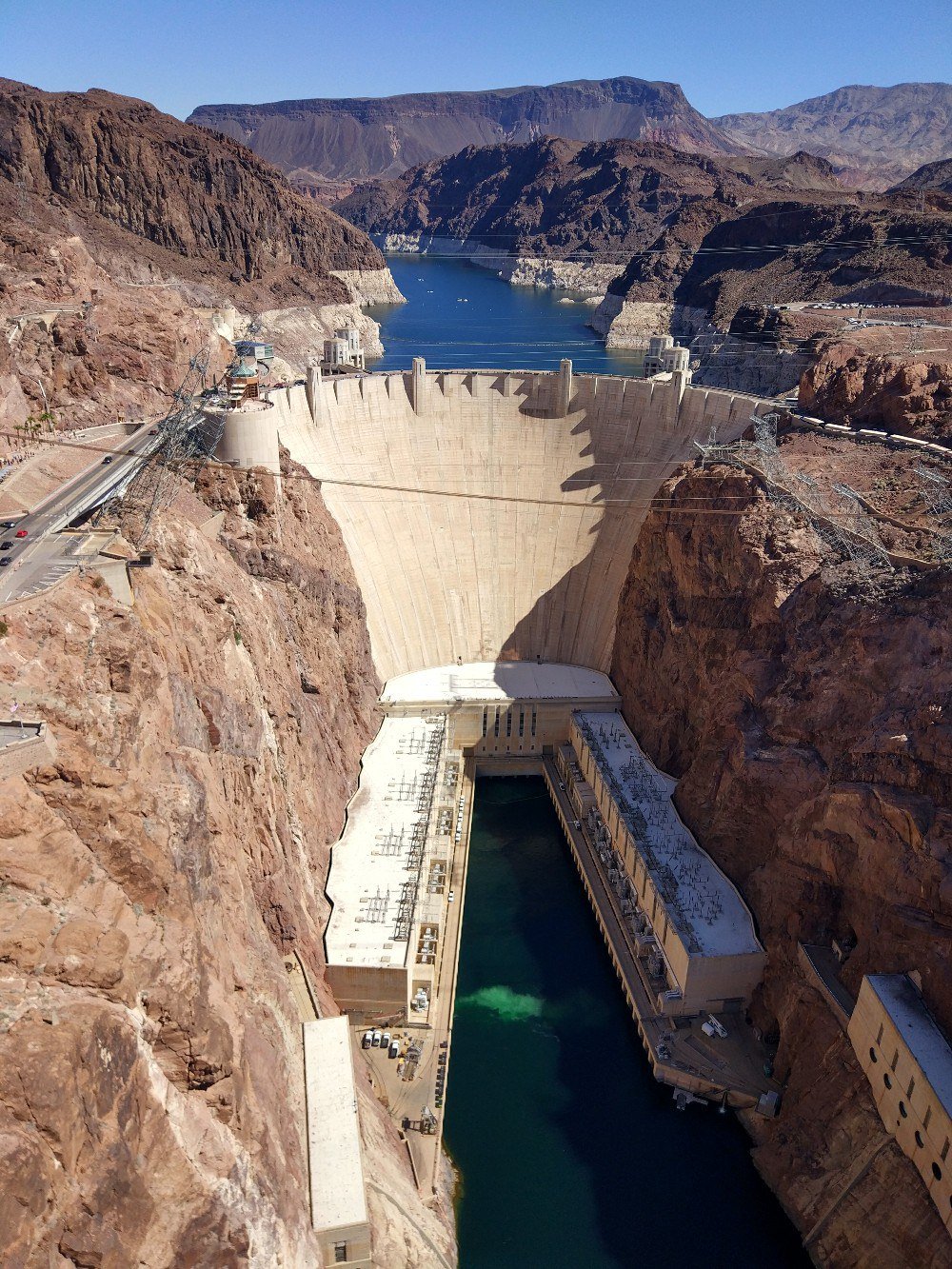
Before Las Vegas, Hoover Dam stands on the Colorado River. Next to it, a memorial bridge spans the gorge. It was named after two people: a governor of Nevada and an American football player who, after the September 11 attacks, turned down a $3.6 million contract in 2002, joined the army, and was killed by friendly fire in Afghanistan.
Vegas on foot
Las Vegas itself struck us as an ordinary, quiet city. To avoid paying for parking, we left the car in a store parking lot at our own risk and went for a walk. Really, there is only one interesting street here — the biggest party street, with the coolest casinos and hotels. We hurried through it: if the car had been towed to an impound lot, in 2017 it would have cost us $300–400.
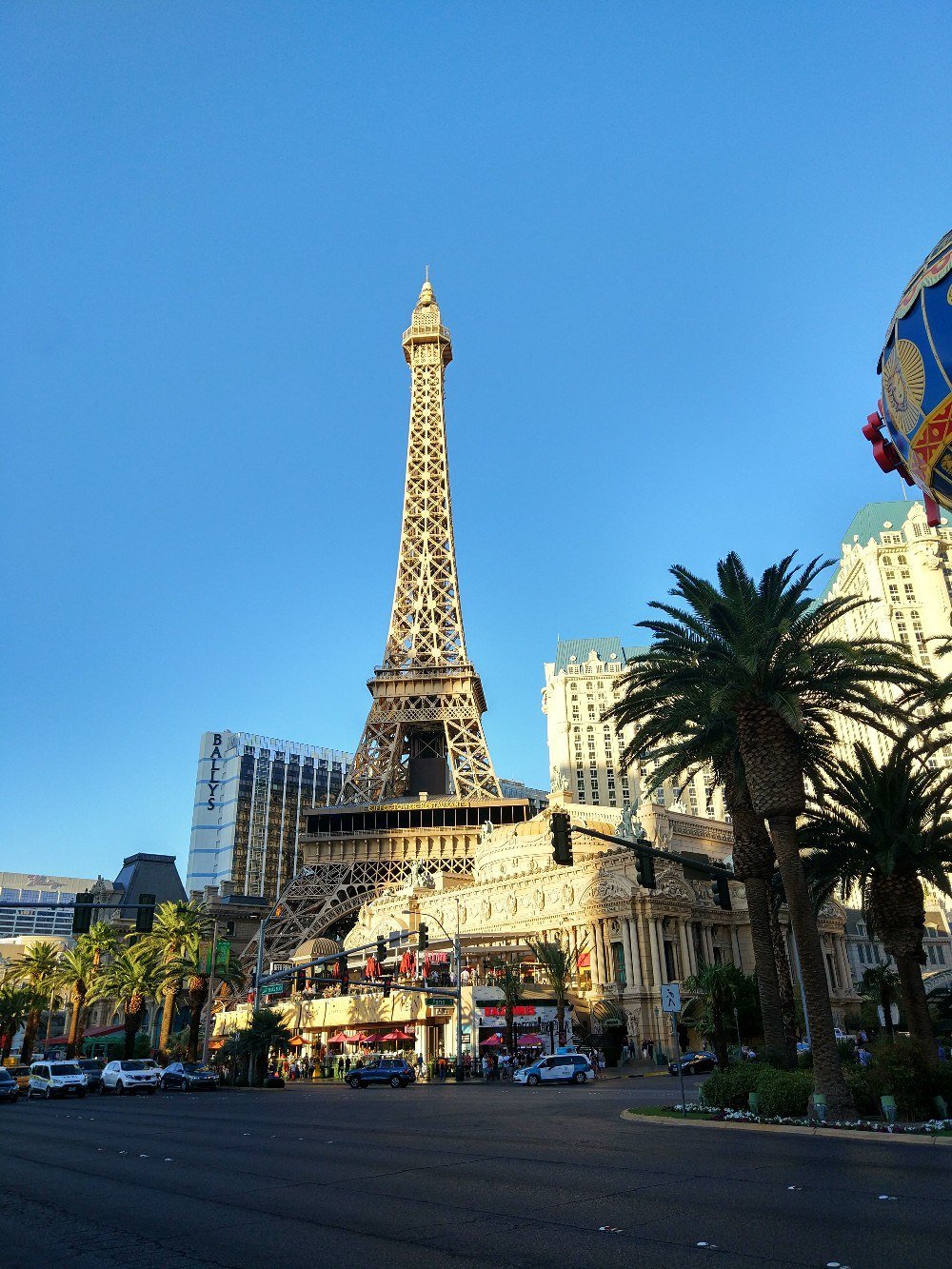
Along the street stand small replicas of landmarks from different countries.
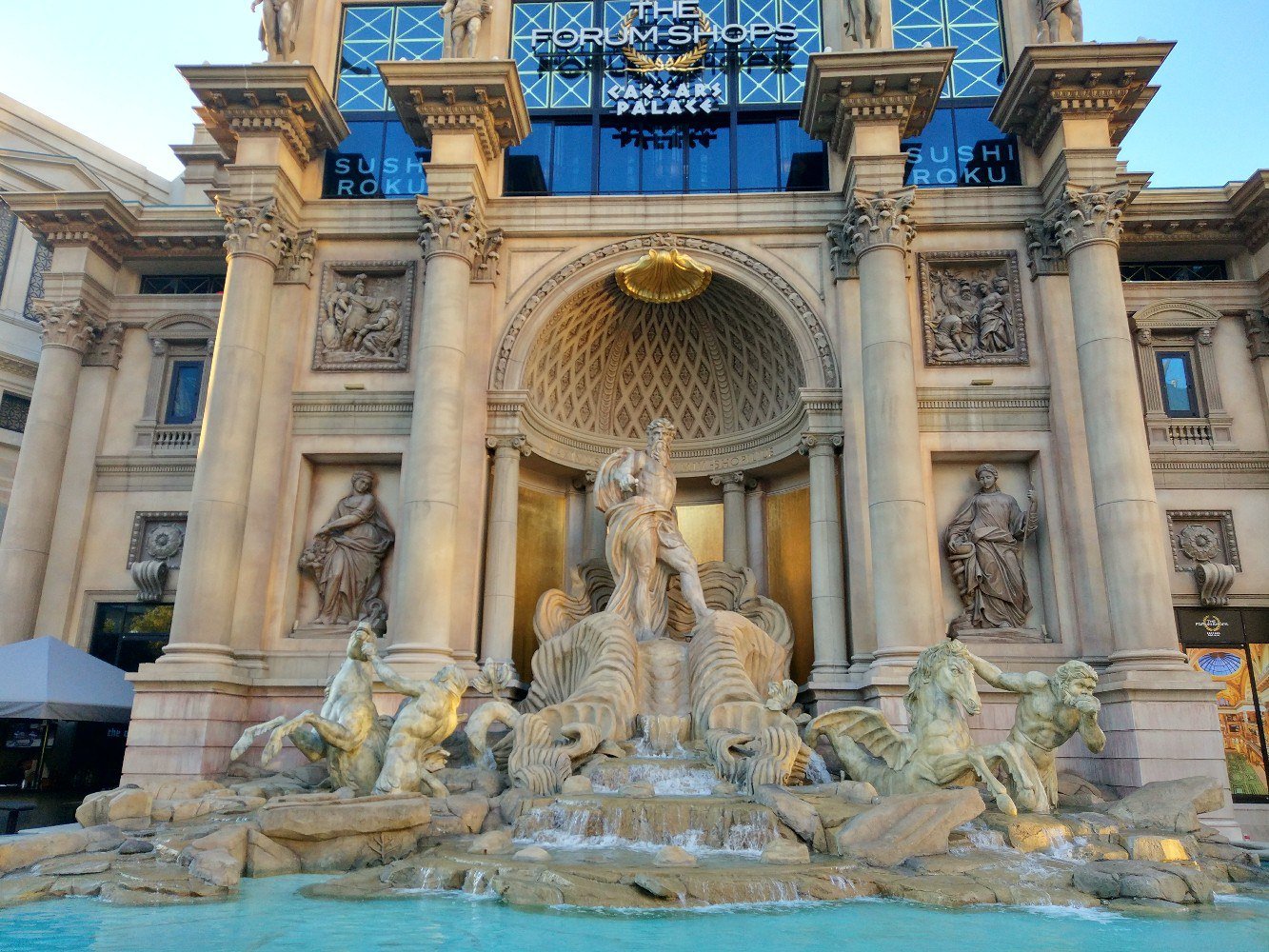
All around are tons of screens; everything blazes, glows, and shimmers. The Hangover and many other famous movies were filmed at the Caesars Palace hotel.
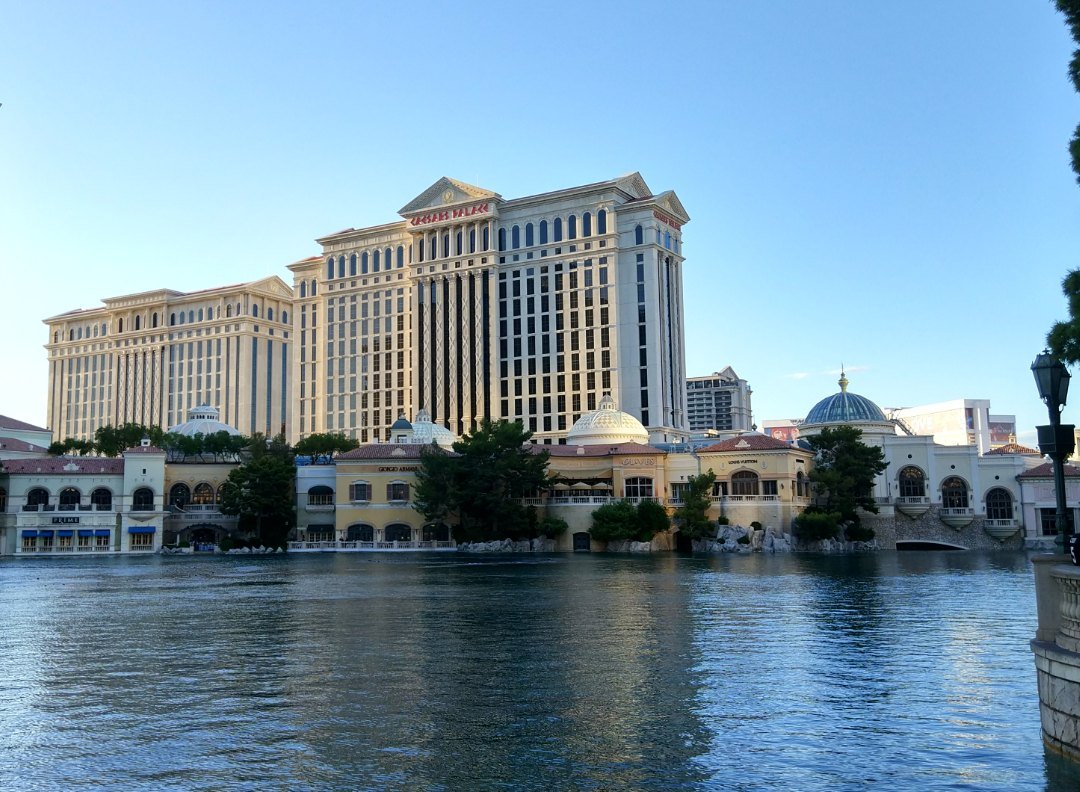
And these are the dancing fountains.
Vegas at night from the car
But the best part is driving around Vegas at night.
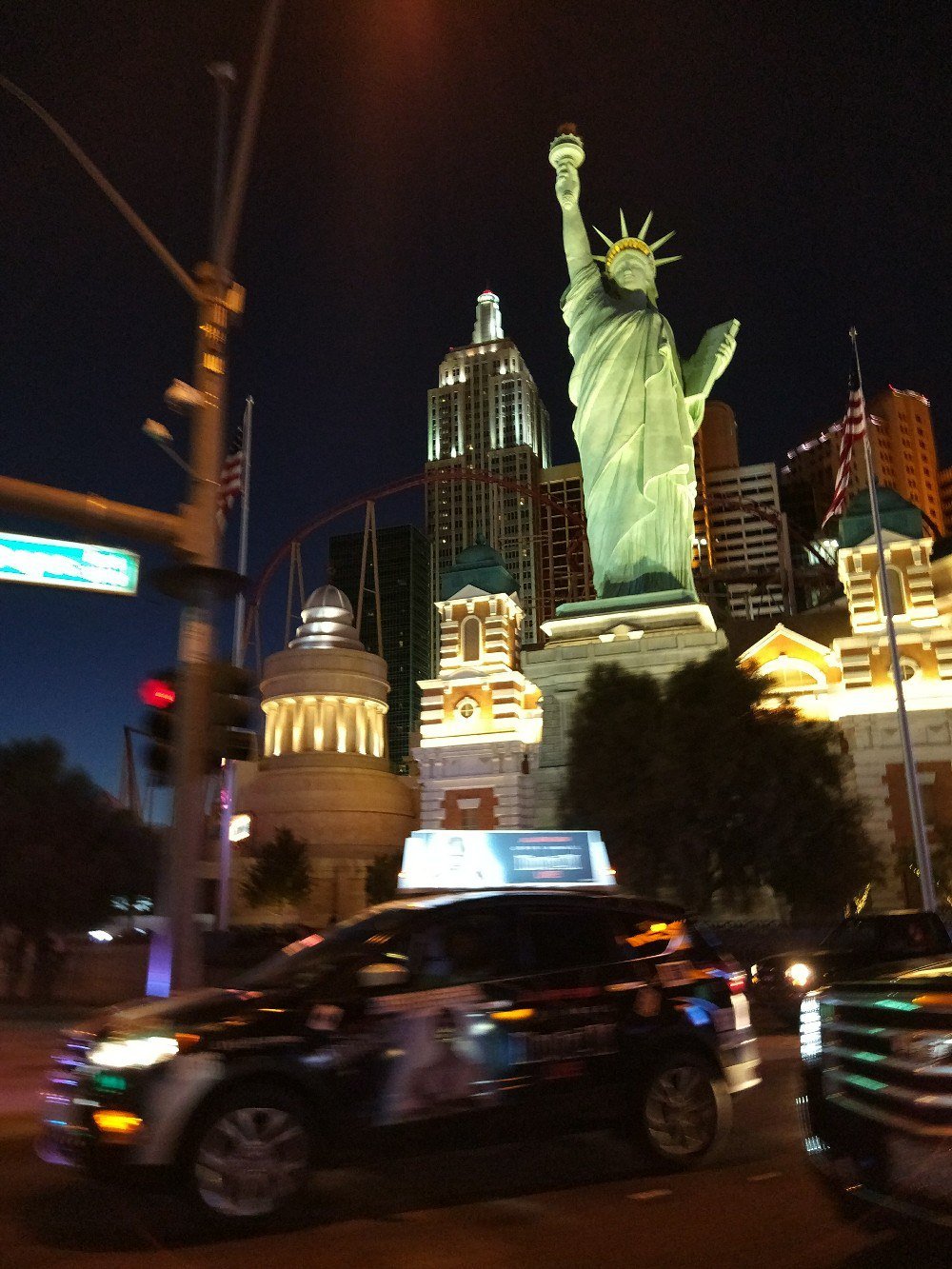
As usual, we spent the night in a Walmart parking lot, and even from the car window everything was covered in lights. Only in Vegas do slot machines stand even in the most ordinary grocery supermarket. We wanted to play at a casino but changed our minds.
On the other hand, the morning of September 23, 2017, when we were leaving Vegas, turned out lucky. Our favorite store, TJ Maxx, was having a celebration and giving away $20 gift certificates in a drawing. We made the rounds of three stores and won a certificate in each one — maybe we should have played at the casino after all.
Death Valley
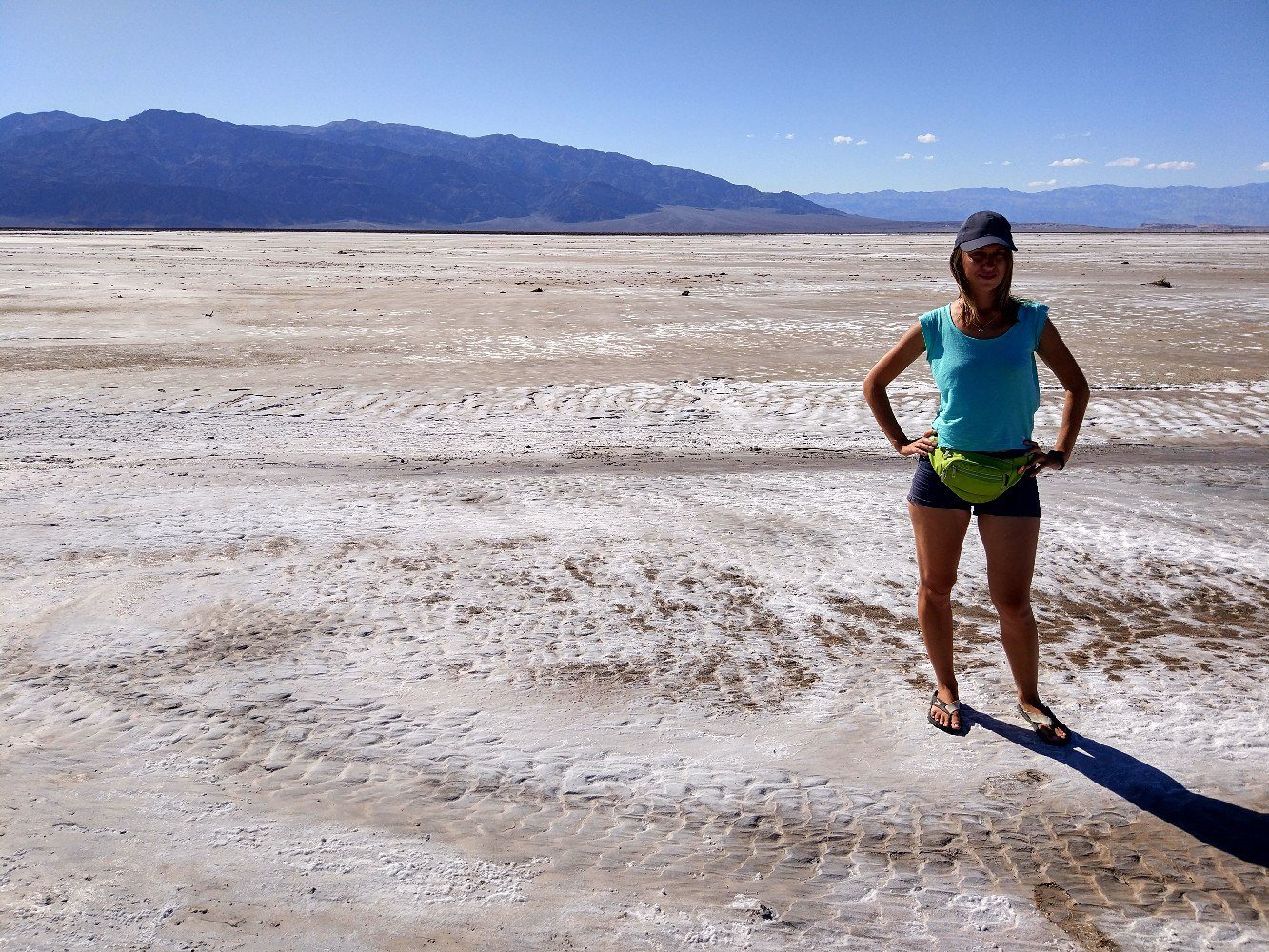
After Vegas, we stopped by Death Valley. It is a huge desert in the southwestern USA near the border of California and Nevada, the hottest and driest place in North America.
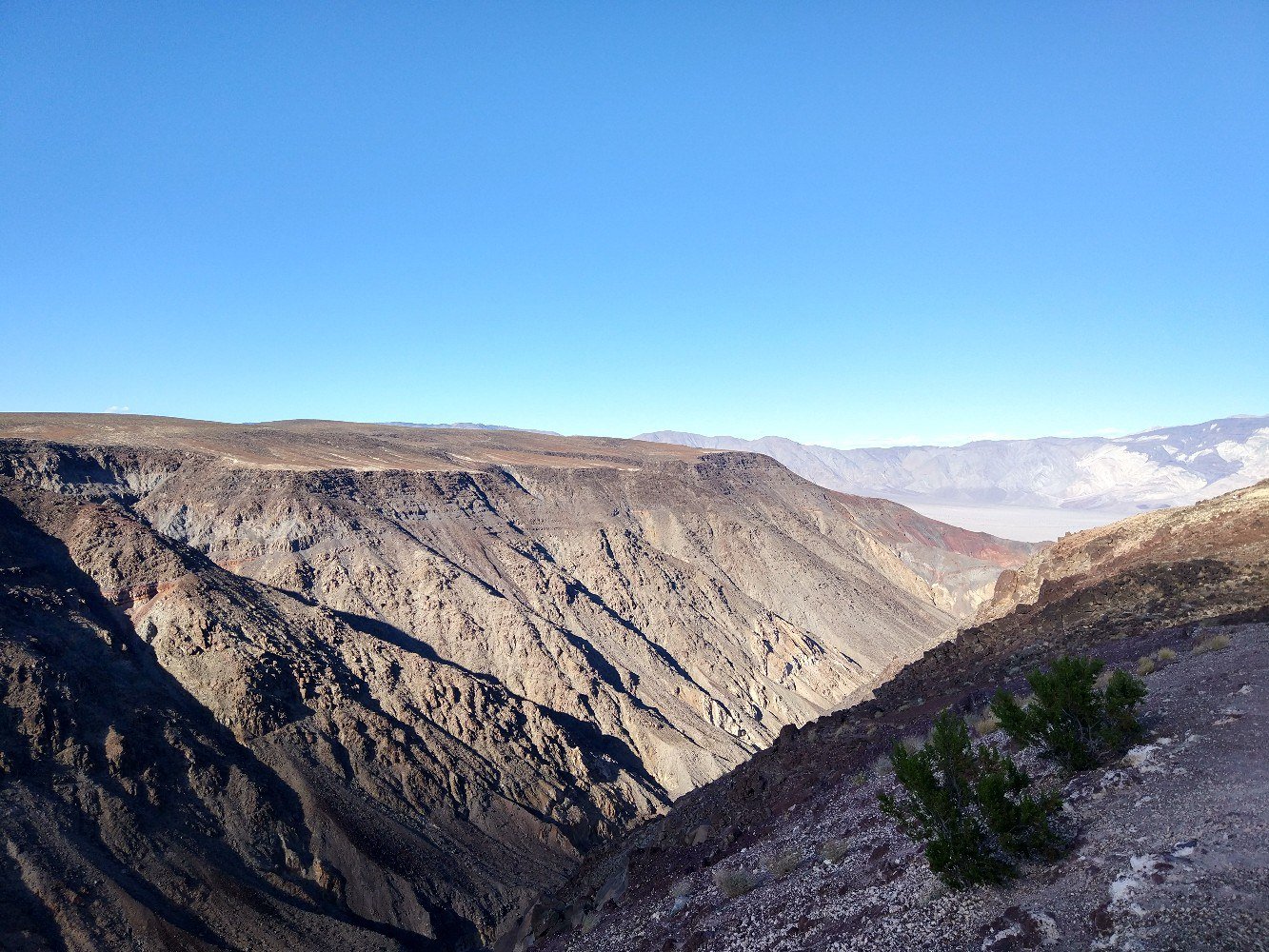
This is also the lowest point in North America — 86 meters below sea level. And on July 10, 1913, +56.7 °C was recorded here — the highest air temperature in the Western Hemisphere.
Long ago there was a large ancient lake here, Lake Manly; then it dried up. There is a lot of salt here, and when water collects, salt lakes form.
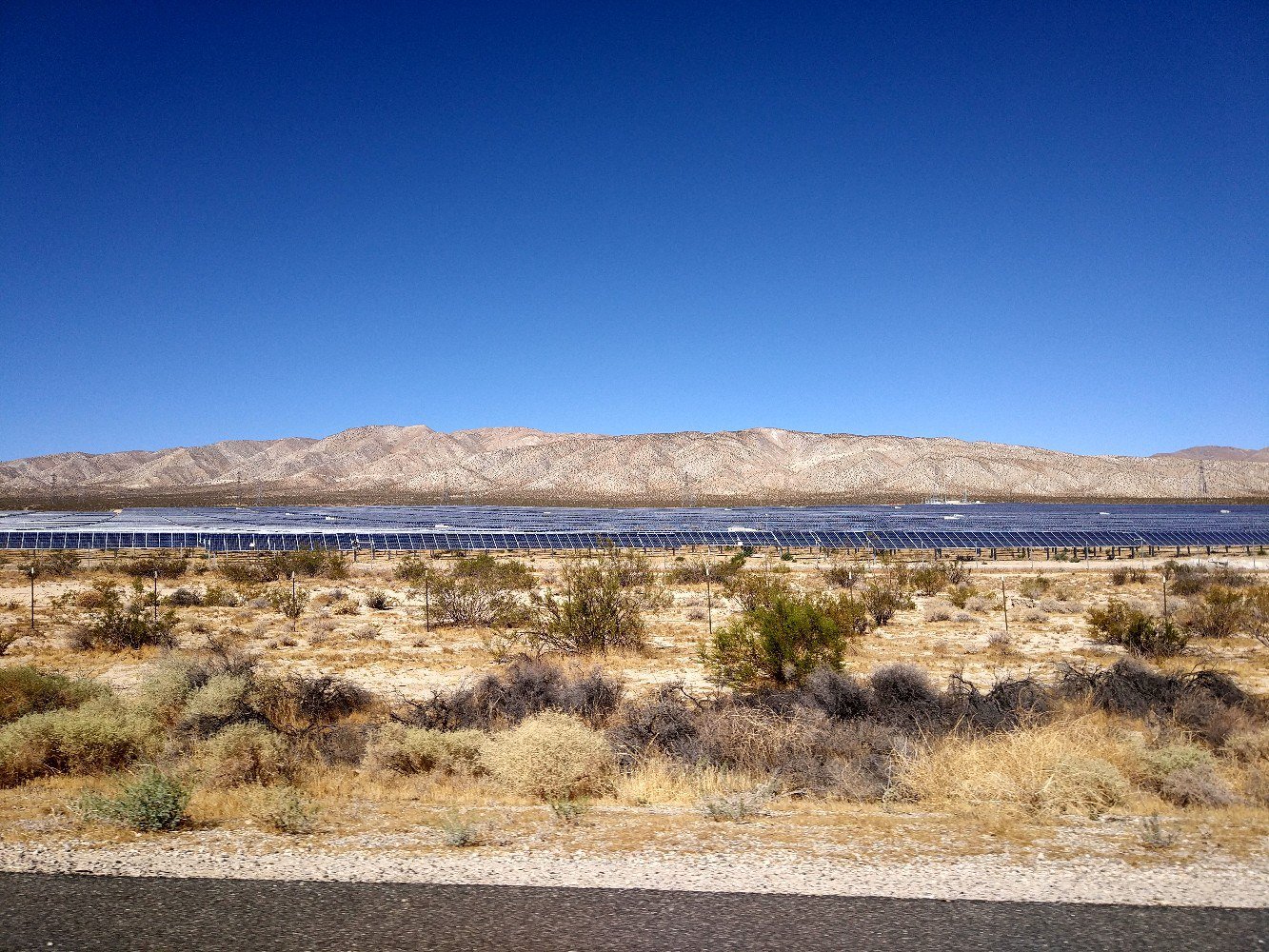
Along the way we passed solar power plants: Americans make active use of solar and wind energy.
Comments
Thank you! Your comment has been sent and will appear after moderation.