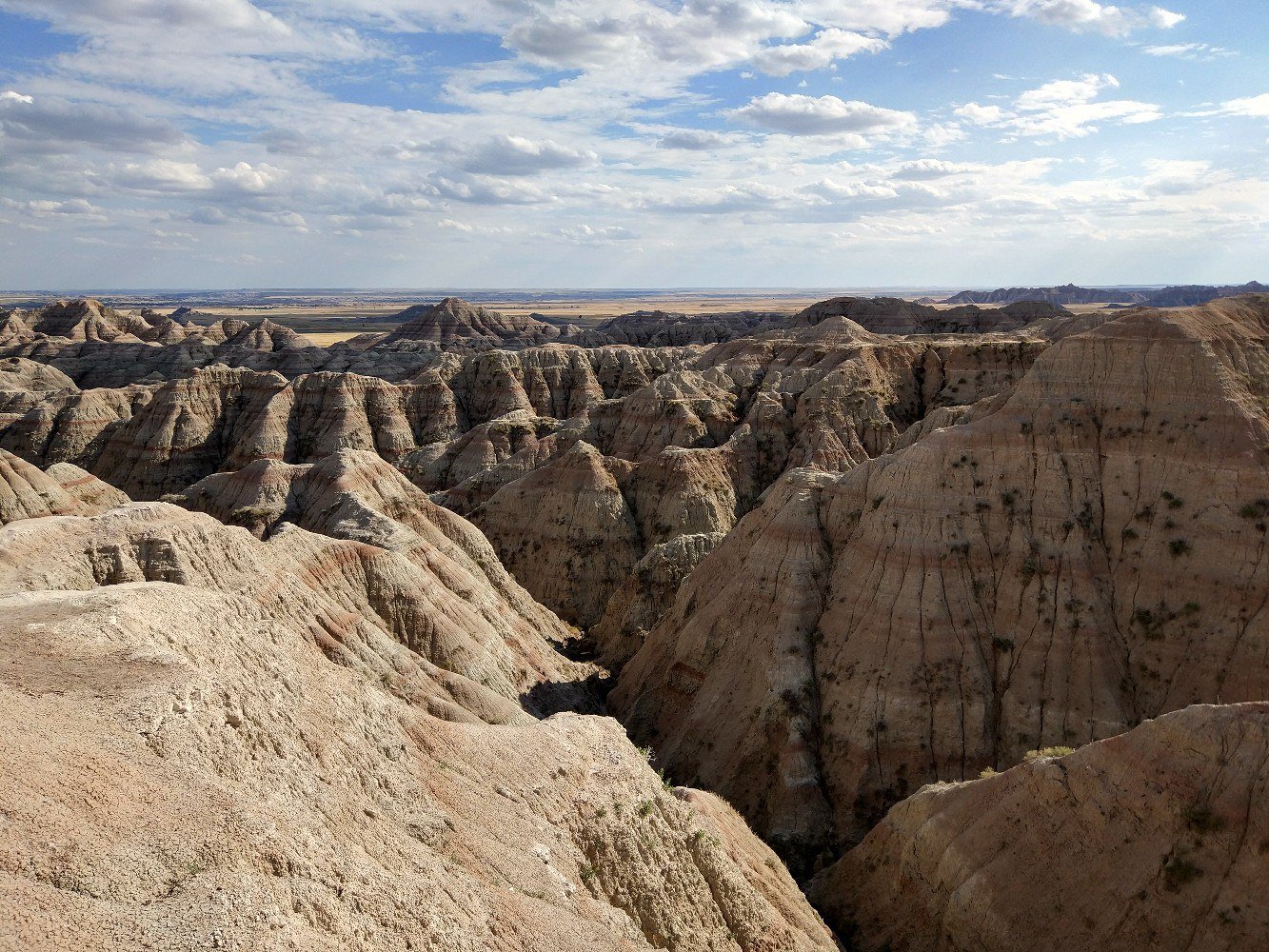
Rushmore and Badlands: presidents in stone and bad lands
In July 2017 we left Yellowstone and barely managed to find internet — in Riverton. From there we headed to Mount Rushmore, the very one where the heads of presidents are carved into the rock. Along the way we noticed that even land that looks empty is fenced off and belongs to farmers — like in Indonesia, the whole territory is settled and put to use.
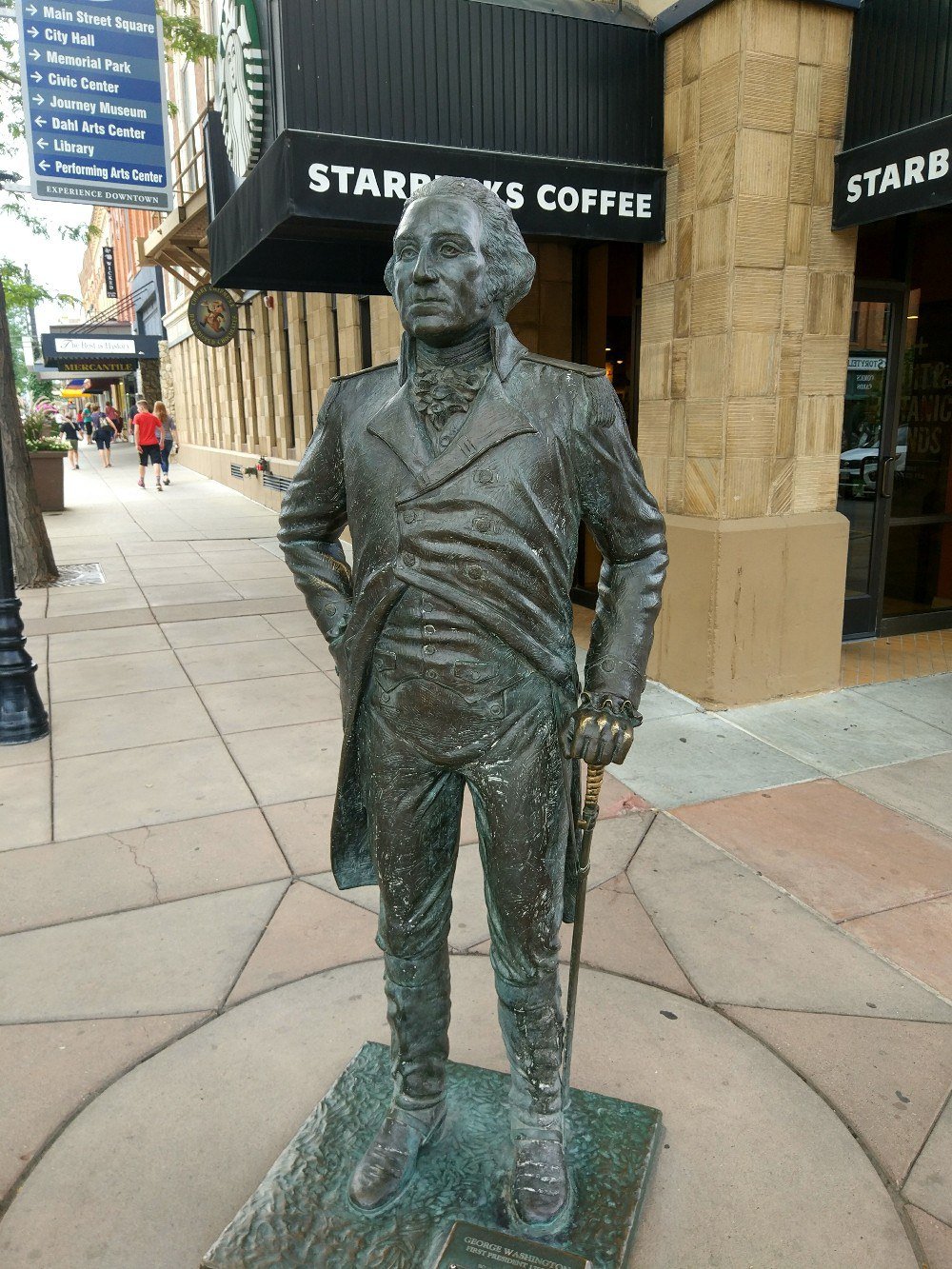
The city of presidents
We stayed in Rapid City for a few days and walked around the town. Statues of presidents in various poses stand at its intersections, and the city itself is even called the City of Presidents.
Mount Rushmore
Mount Rushmore is famous for the heads of four presidents carved into it: George Washington, Thomas Jefferson, Theodore Roosevelt, and Abraham Lincoln. As Borglum conceived it, they were not chosen at random: Washington led the nation to democracy, Jefferson wrote the Declaration of Independence, Lincoln put an end to slavery, and Roosevelt helped build the Panama Canal.
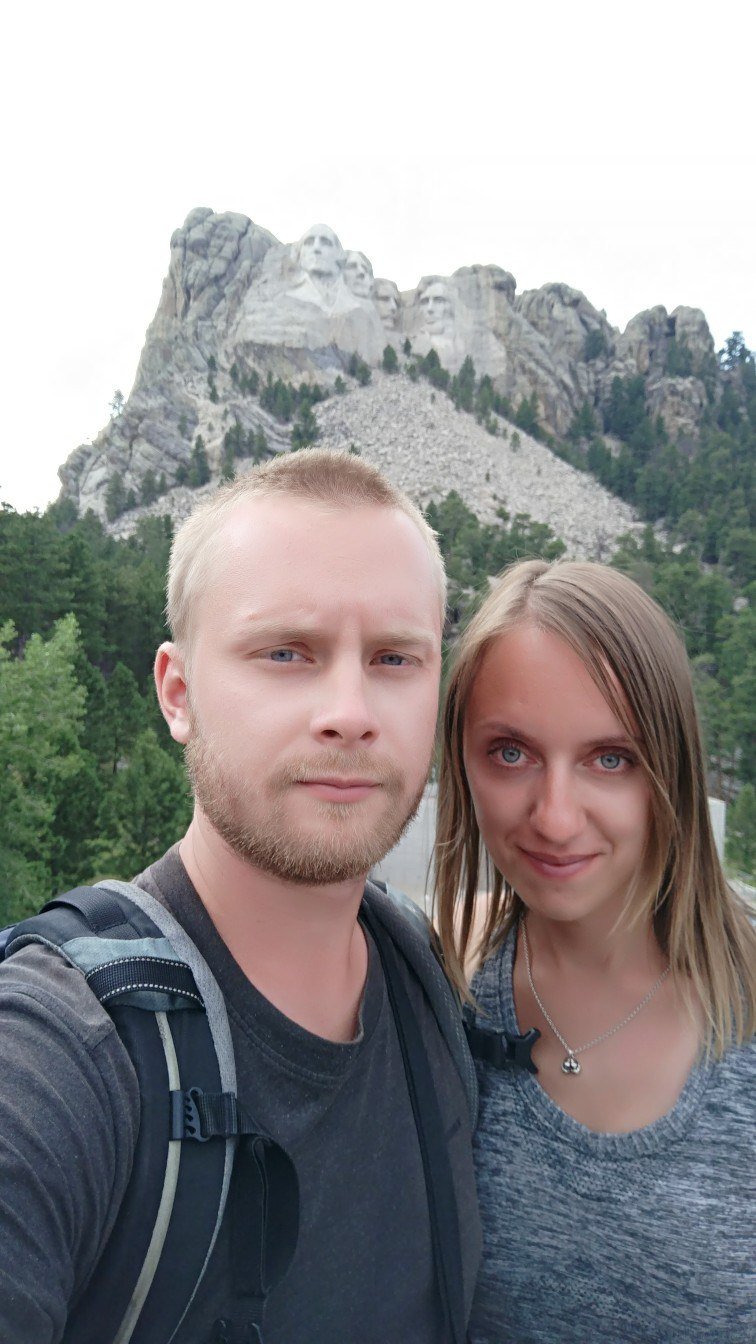
The sculptor was Gutzon Borglum. The work went on for 14 years, from 1927 to 1941, and in all that time not a single person died. The memorial has a wall with the names of the workers who created the sculpture.
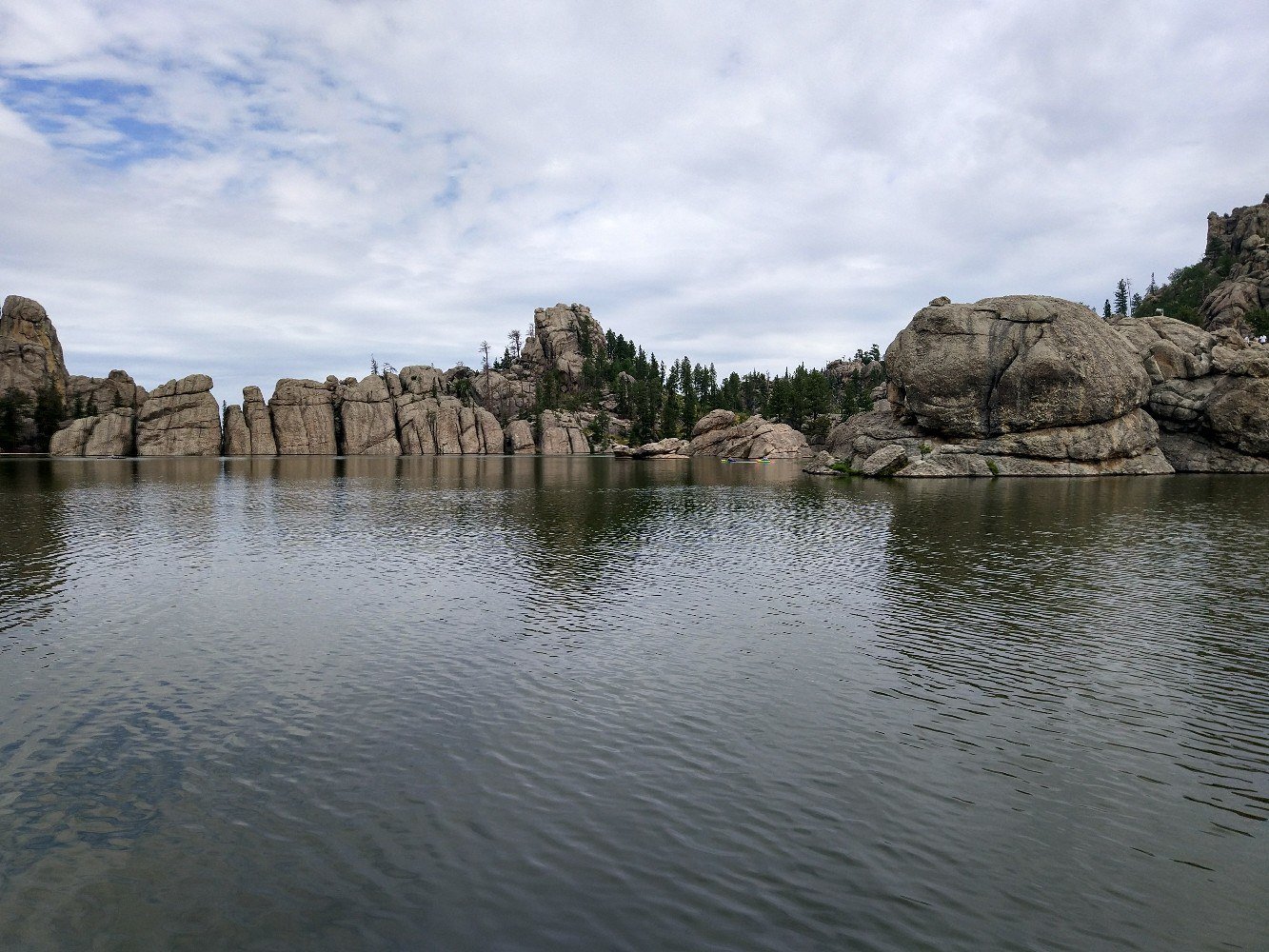
Rocks by the lake
After Rapid City we drove to a lake with funny-looking rocks — people love to climb them.
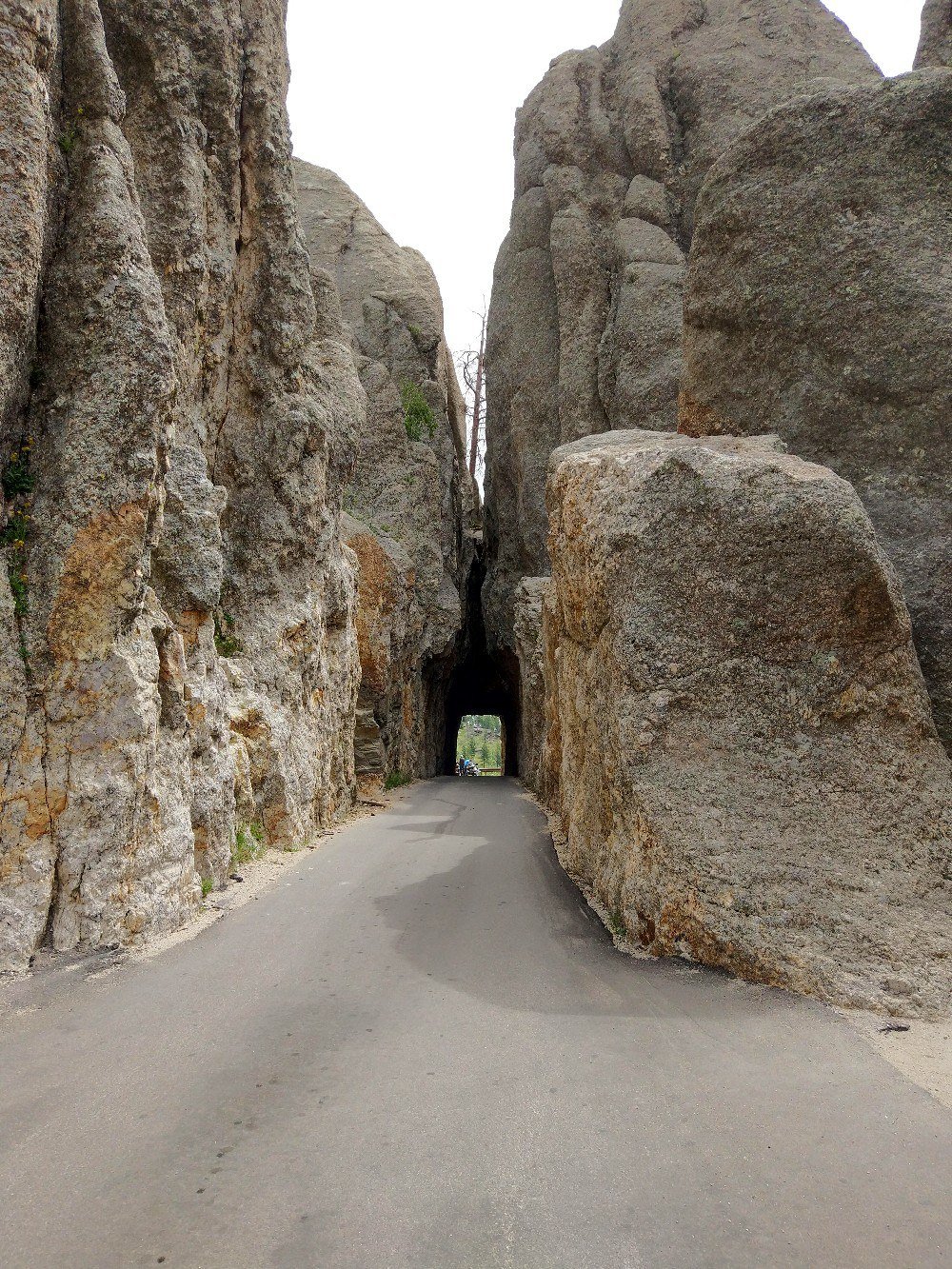
Farther along the way is the Needles Eye Tunnel.
Bison and donkeys
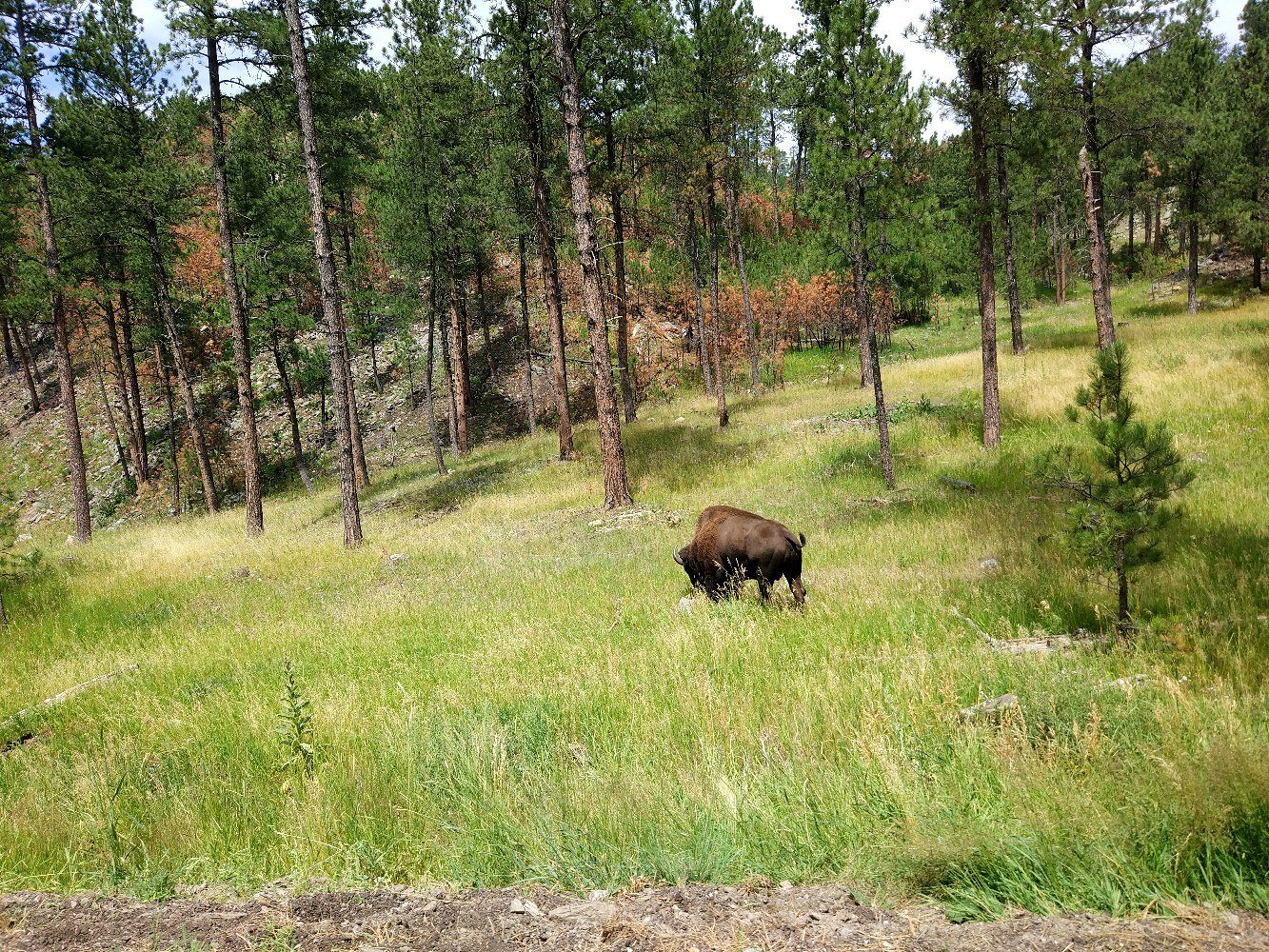
Then we went to Custer State Park. It is known for wild animals walking right along its roads. Here we saw a bison in the wild.
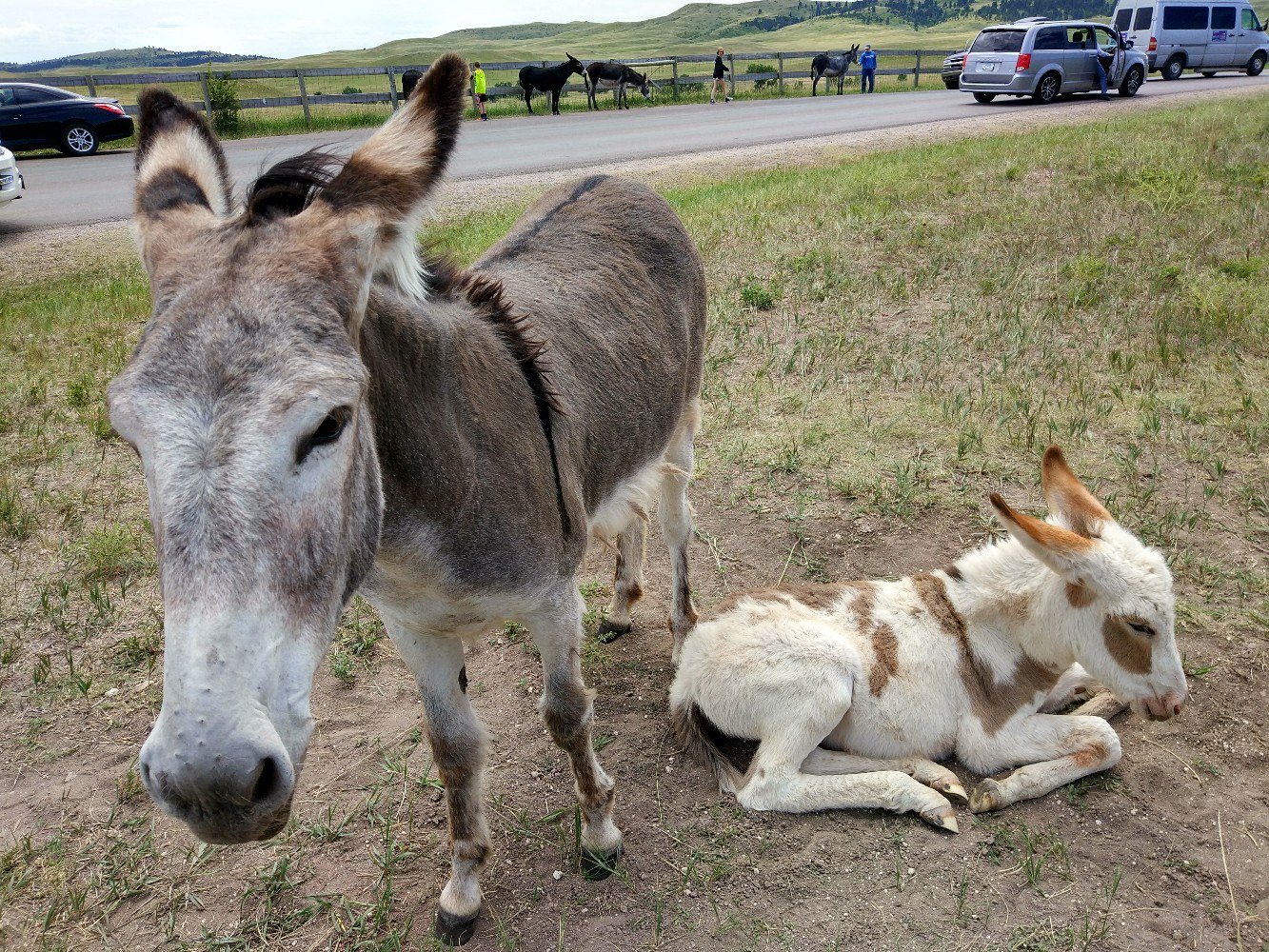
Donkeys also roam the park. We brought some carrots to feed them. The donkeys are wild, they go wherever they want and are probably used to tourists feeding them all the time.
Bad lands
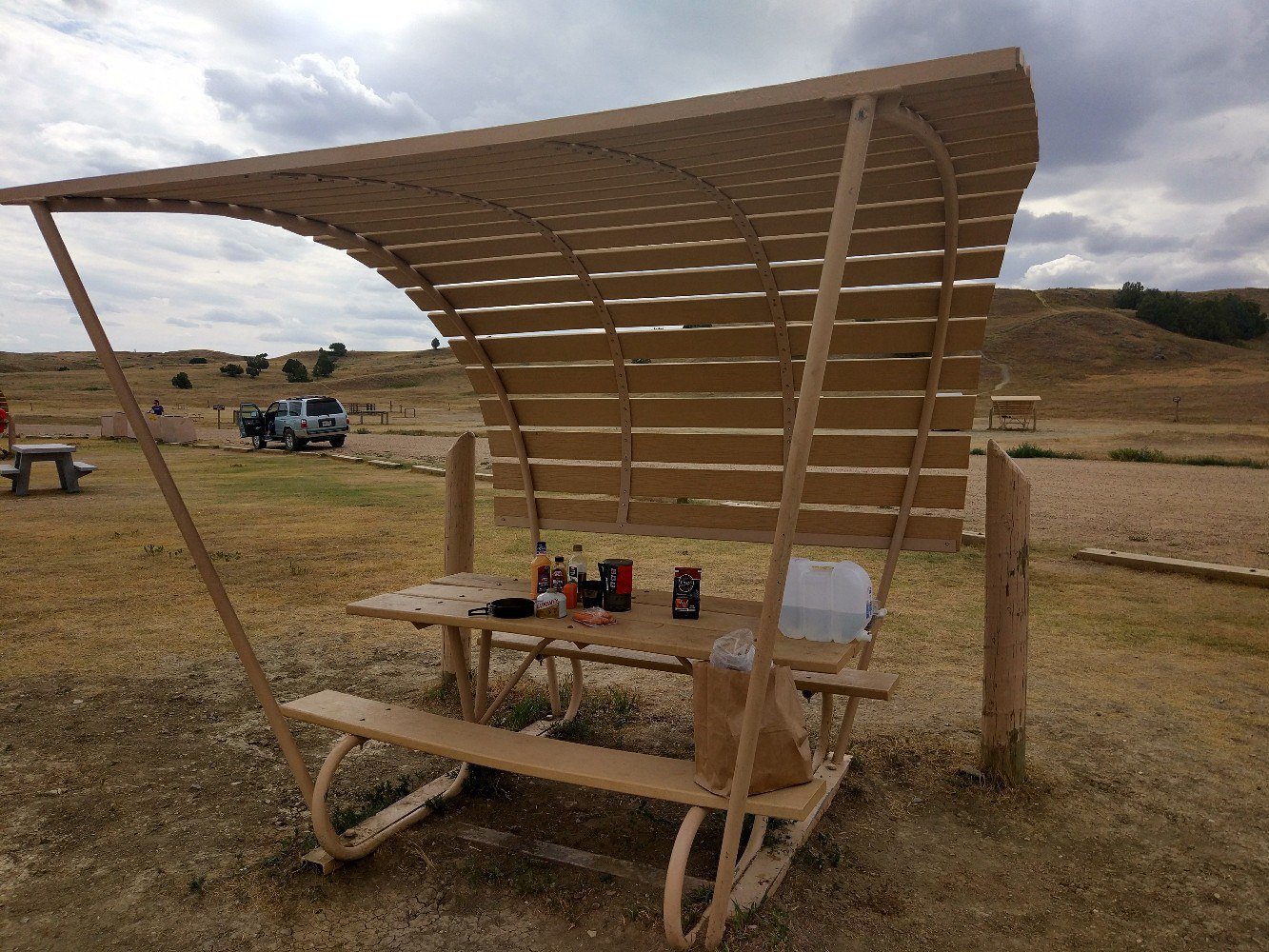
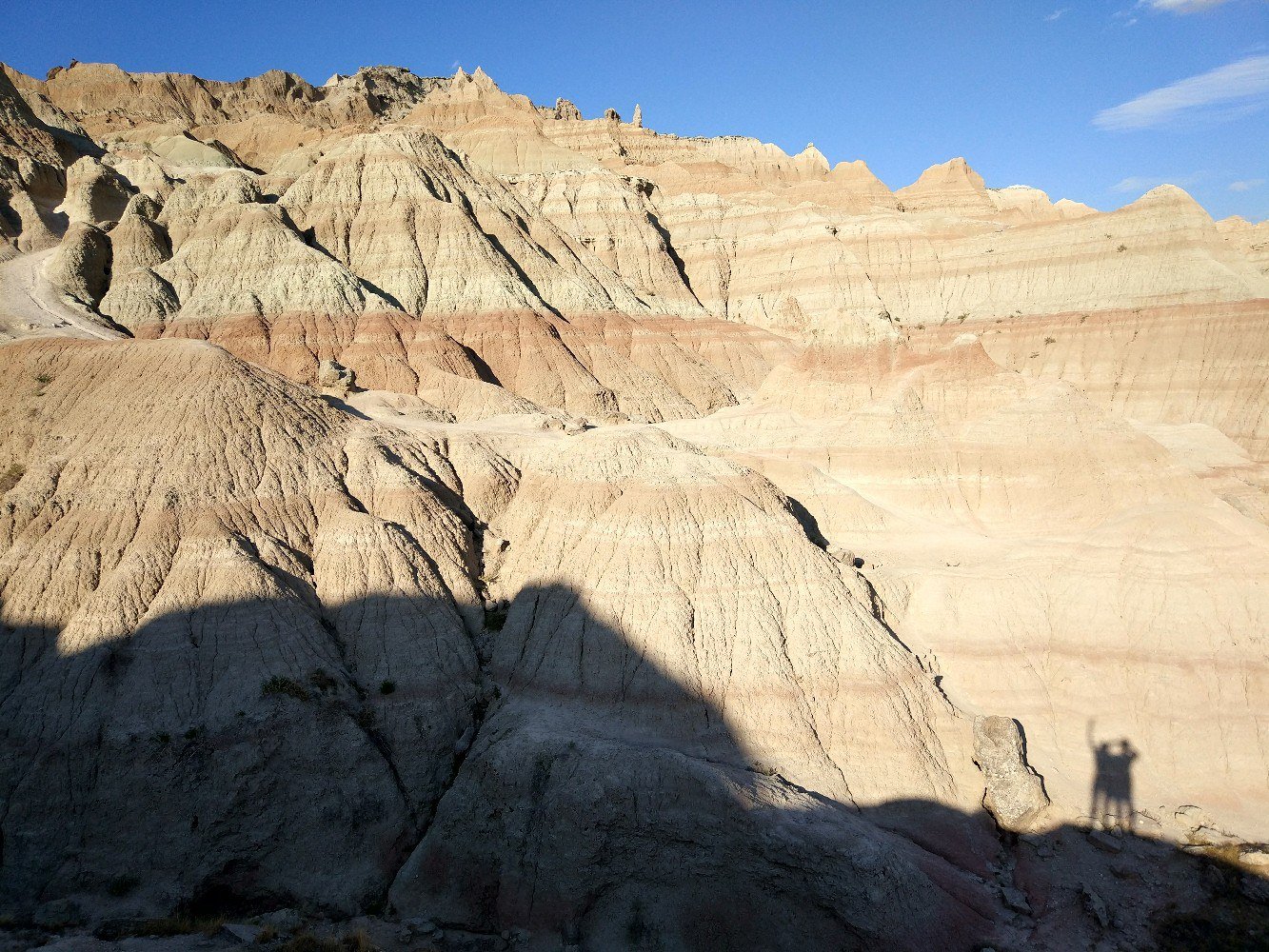
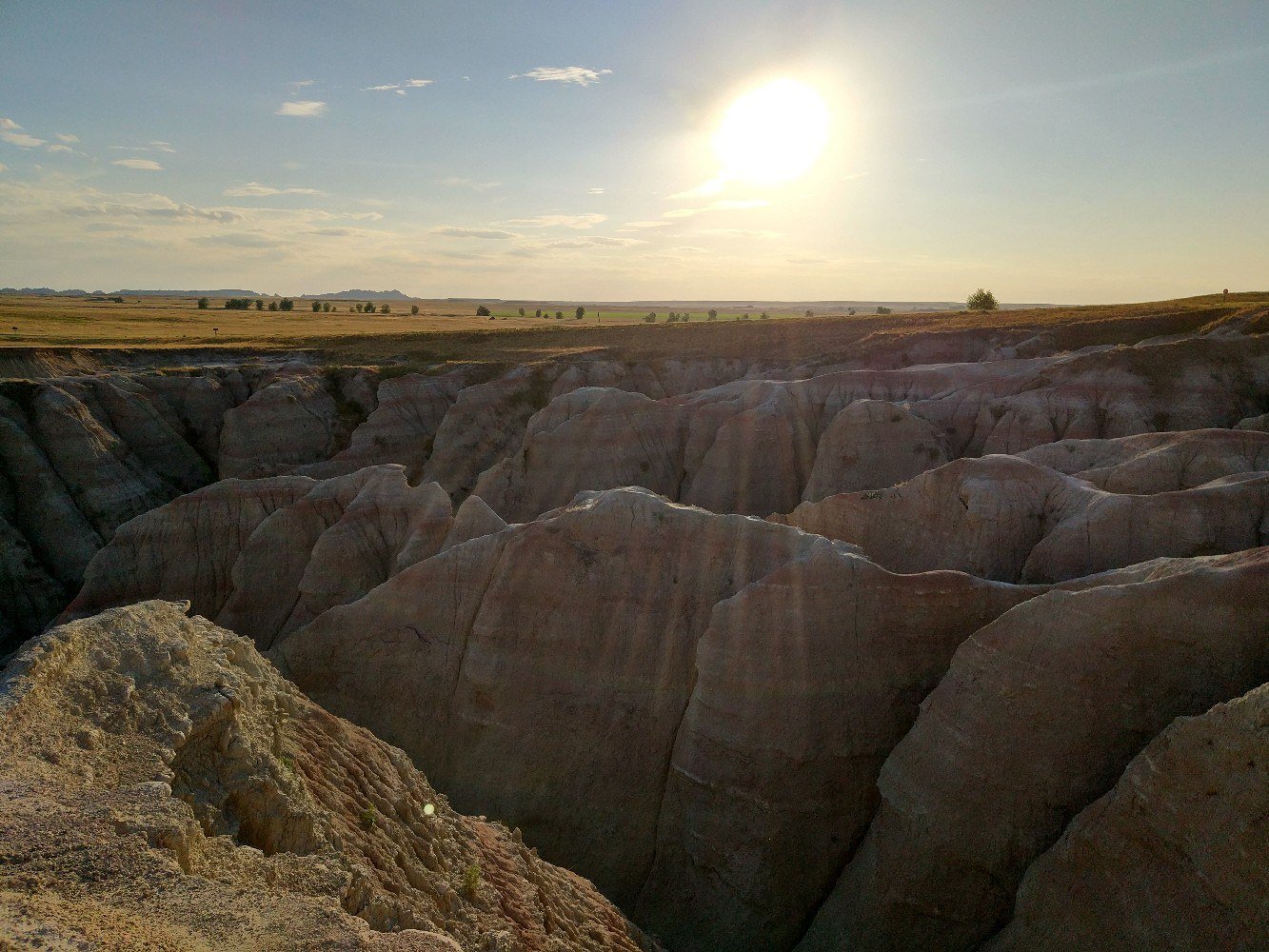
After Custer we went to Badlands National Park — the name literally means “bad lands.” There is almost no vegetation here. We stopped at a campground for a bite to eat — even the picnic tables here stand under shades from the sun.
All around are endless prairies, and the park itself is interesting for its steep hills, sharply honed by erosion. A very unusual landscape. Erosion never stops here: on the bare slopes it removes up to two and a half centimeters of rock a year.
Comments
Thank you! Your comment has been sent and will appear after moderation.