Kathmandu, 2 months after the devastating earthquake
While in Nepal, we of course could not skip a visit to its capital and largest city, Kathmandu. First, because it is the historical, economic and cultural center of Nepal, and second, because the international airport, from which we traveled on to the next stop of our journey, is only here.
As it happened, we got there only 2 months after Nepal was hit by a very powerful earthquake that took more than 9000 lives.
How to get to Kathmandu
Getting here was no trouble for us. We simply took a direct bus from Pokhara to Kathmandu. We bought the bus tickets at the guesthouse where we were staying. They cost us $12.
Sights of Kathmandu
The main attraction of Nepal is its gorgeous mountains and stunning Himalayan nature. Many trekking routes start from Kathmandu, just as they do from Pokhara. But during our stay there (July 2015) it was the monsoon season, so all the tourist trails were closed.
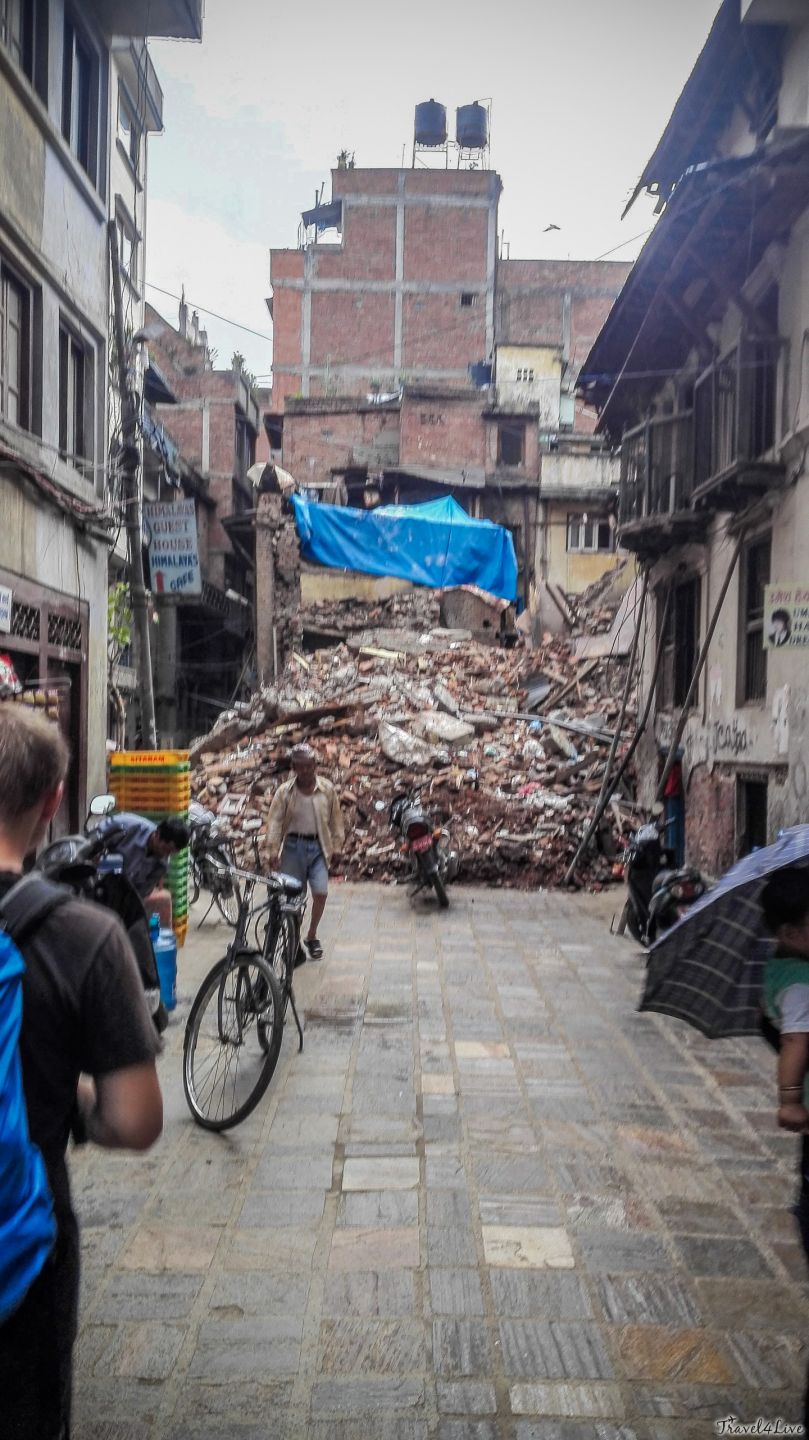
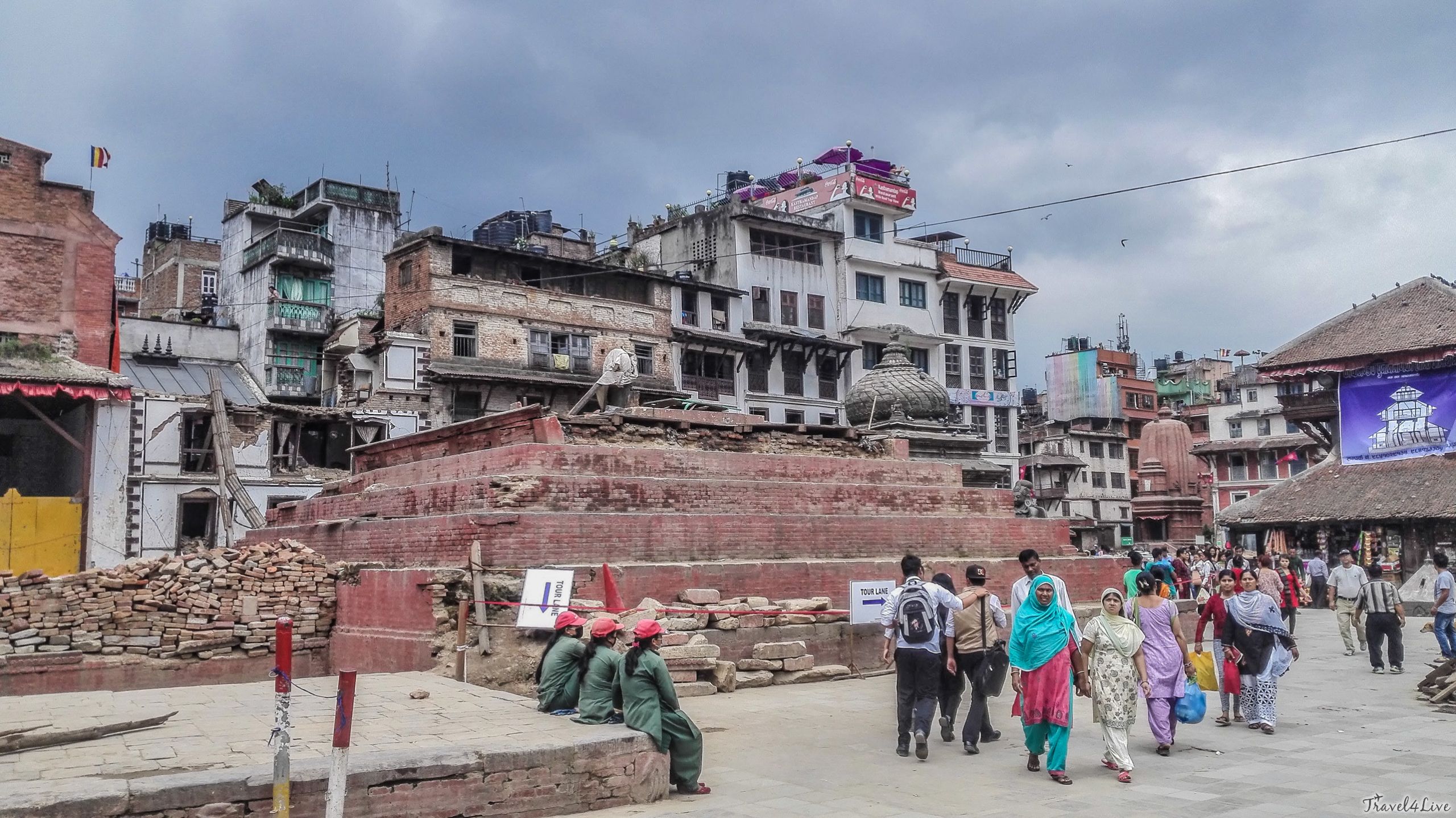
We had no choice but to explore the city itself and its historic part. Let me remind you that about 2 months before we arrived, a strong earthquake had struck here, so many old houses and structures were destroyed.
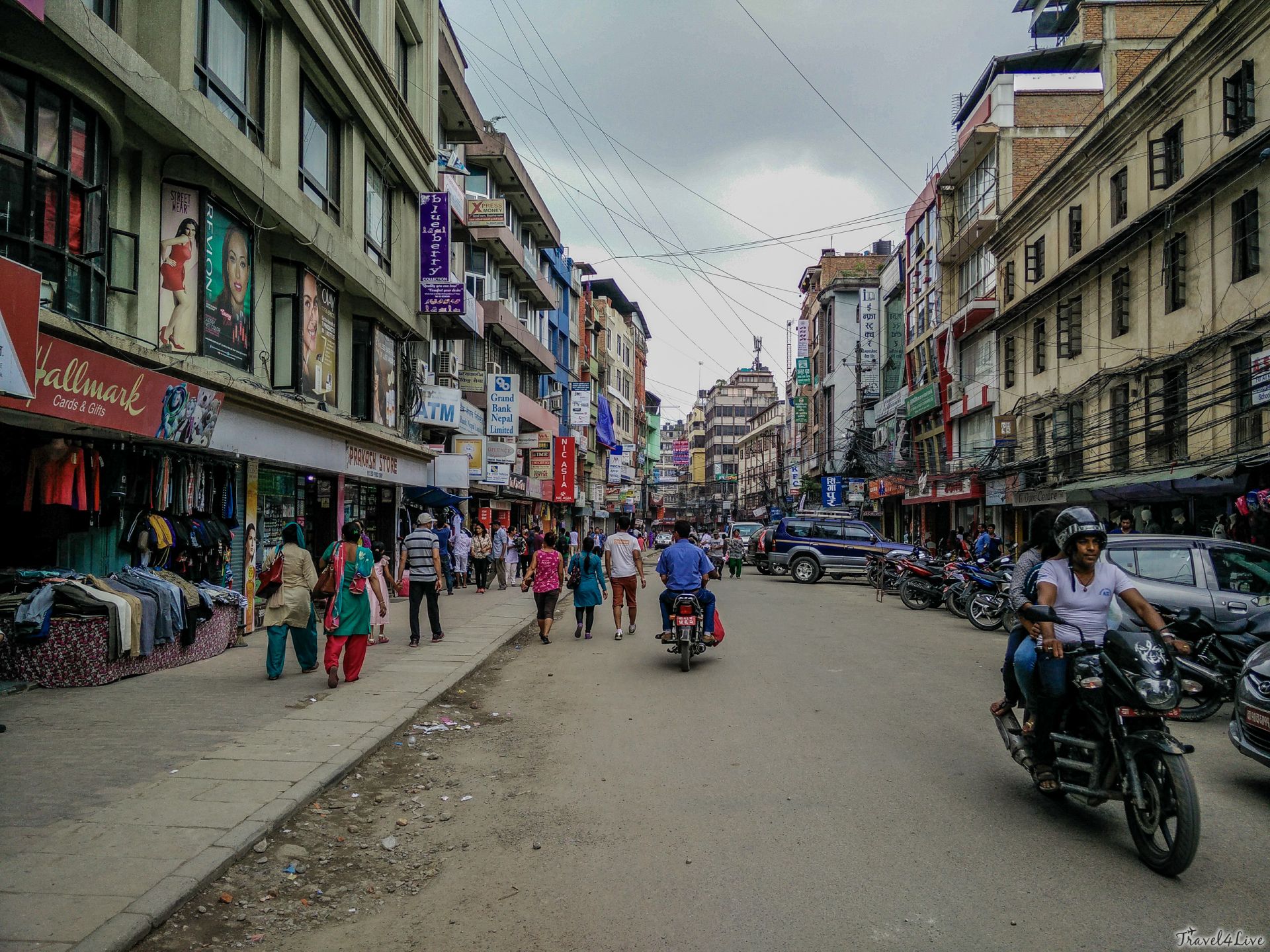
Kathmandu itself resembles an Indian city. Just as crowded and noisy, only much cleaner. This is what its most ordinary streets look like.
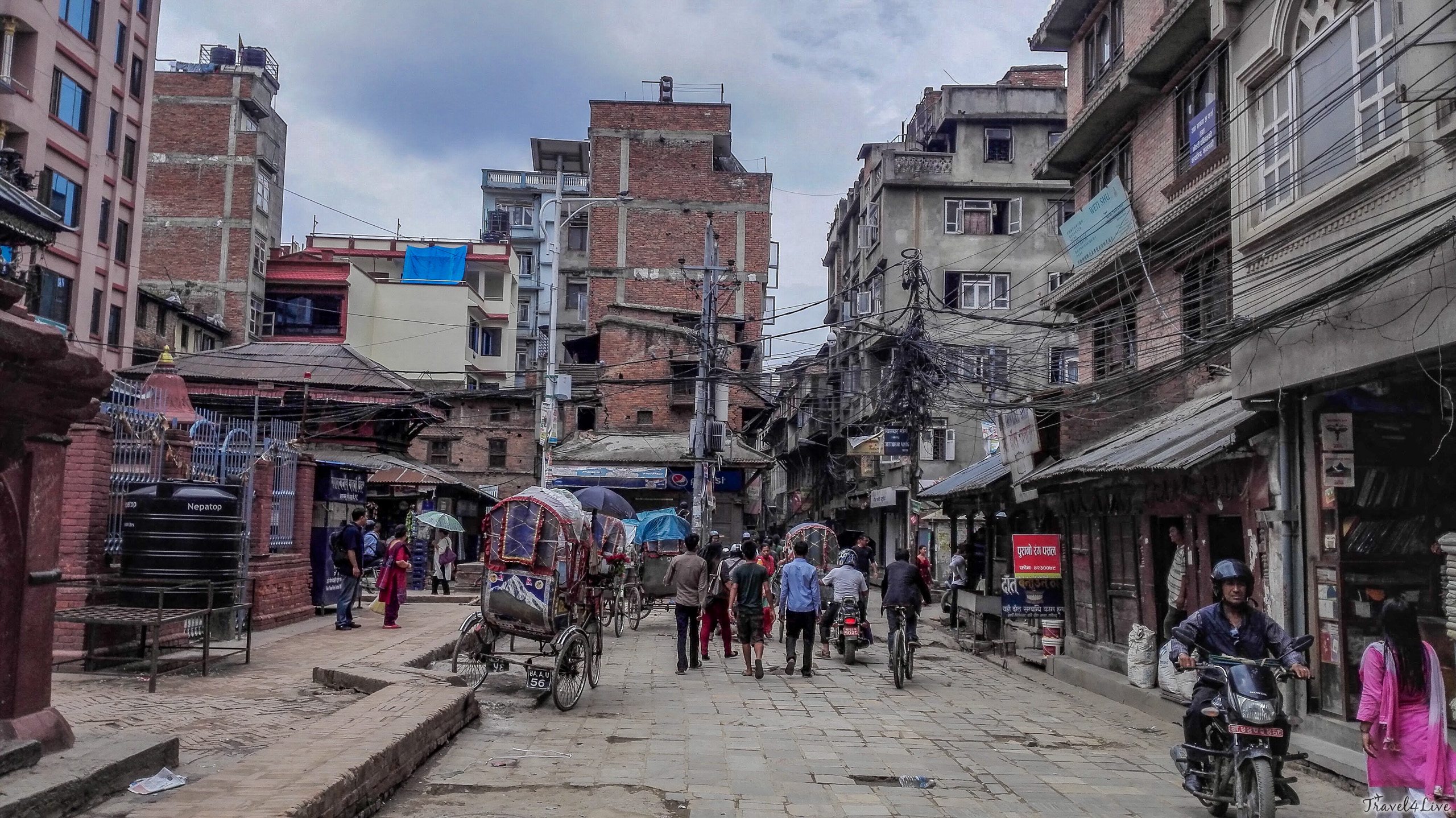
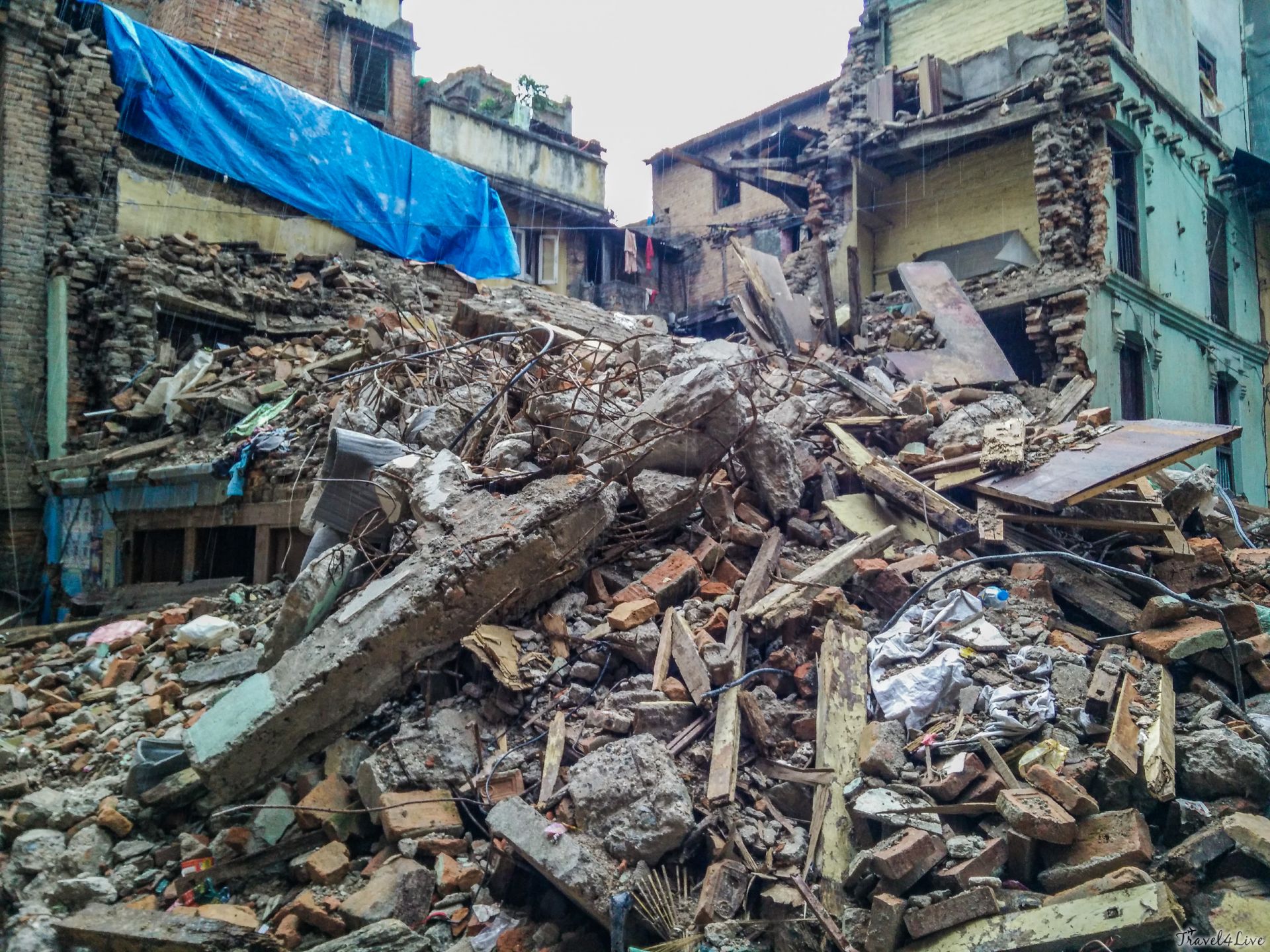
I should say that modern buildings of metal and concrete were not damaged in the earthquake. But walking around the city, you can also see ruins like these, left from old brick buildings.
And this is one of the main sights of Kathmandu, Durbar Square. It is a whole complex of temples, palaces and other historic structures. In 1979 it was declared a UNESCO World Heritage Site.
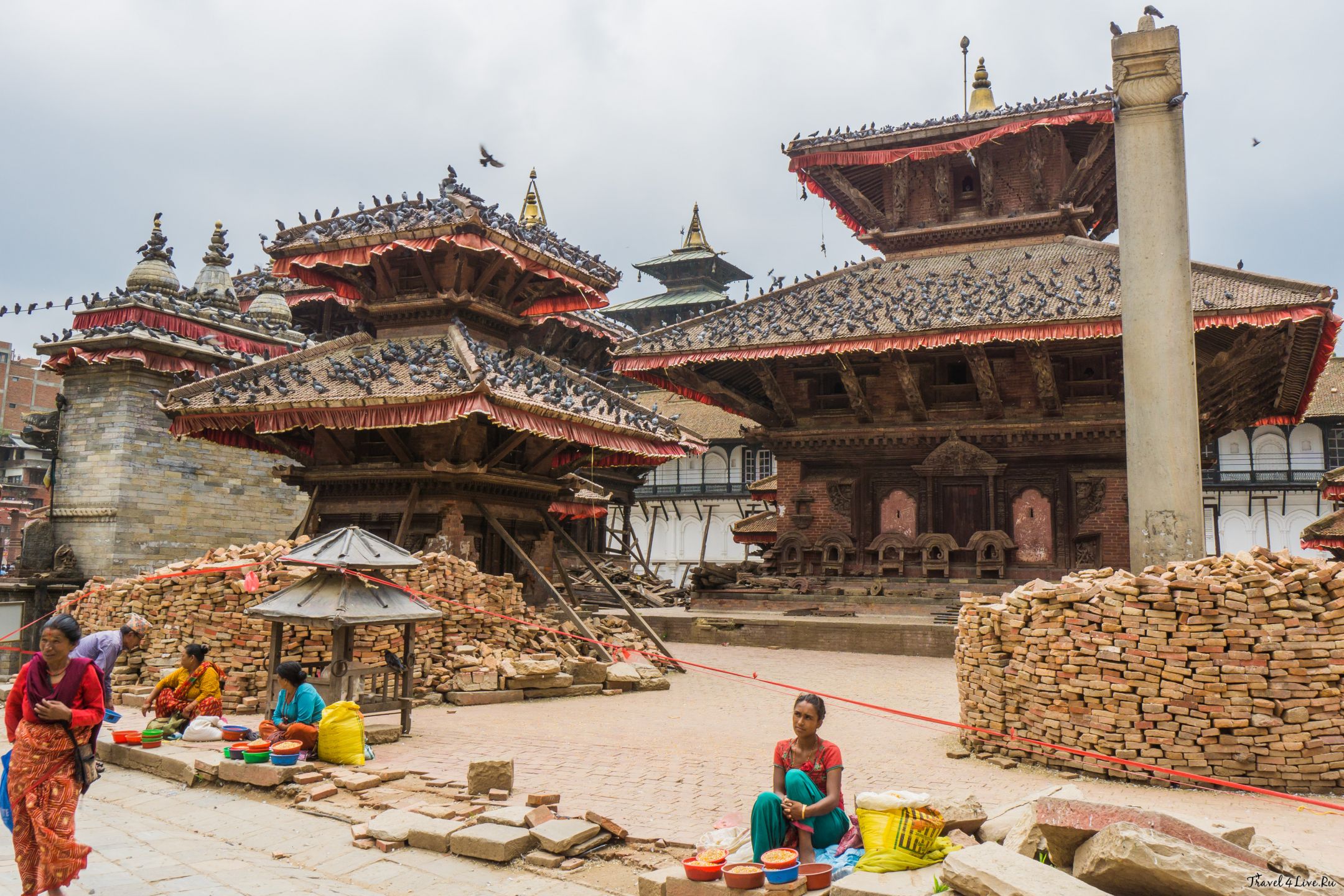
Unfortunately, not everything here survived.
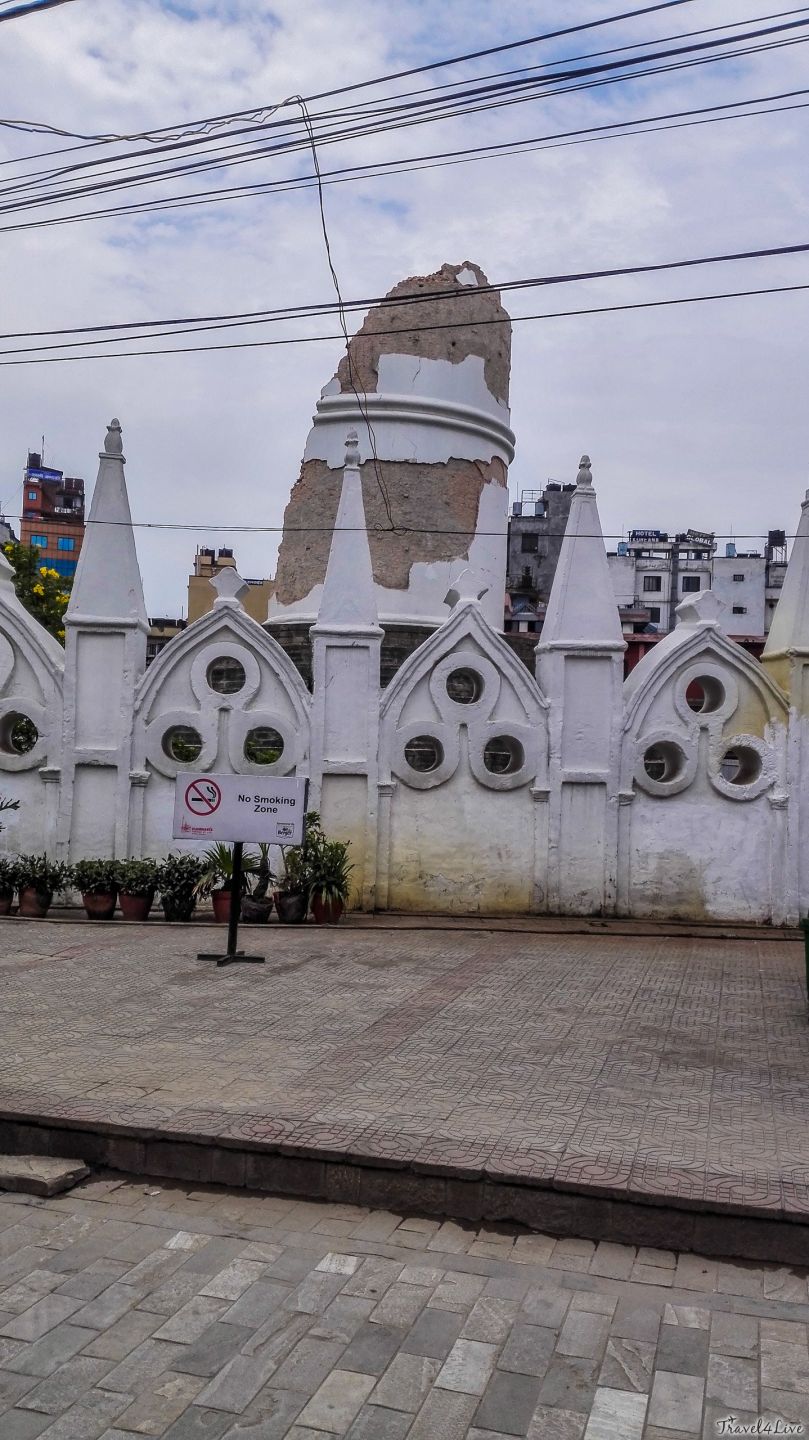
Dharahara Tower. It was originally a watchtower, and after being rebuilt (following the 1934 earthquake) it became a tourist observation deck. It was about 62 meters tall. The latest earthquake destroyed it completely.
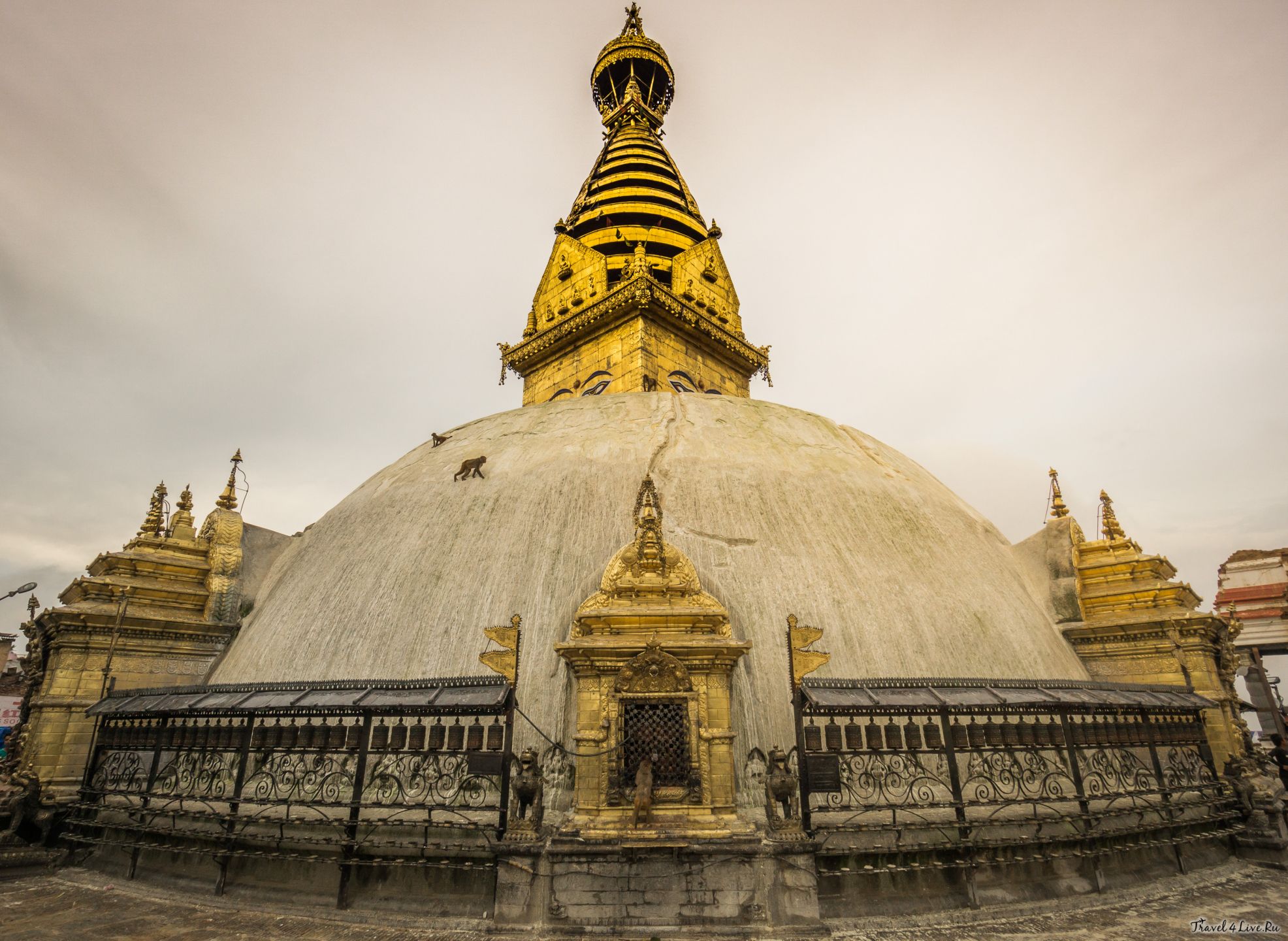
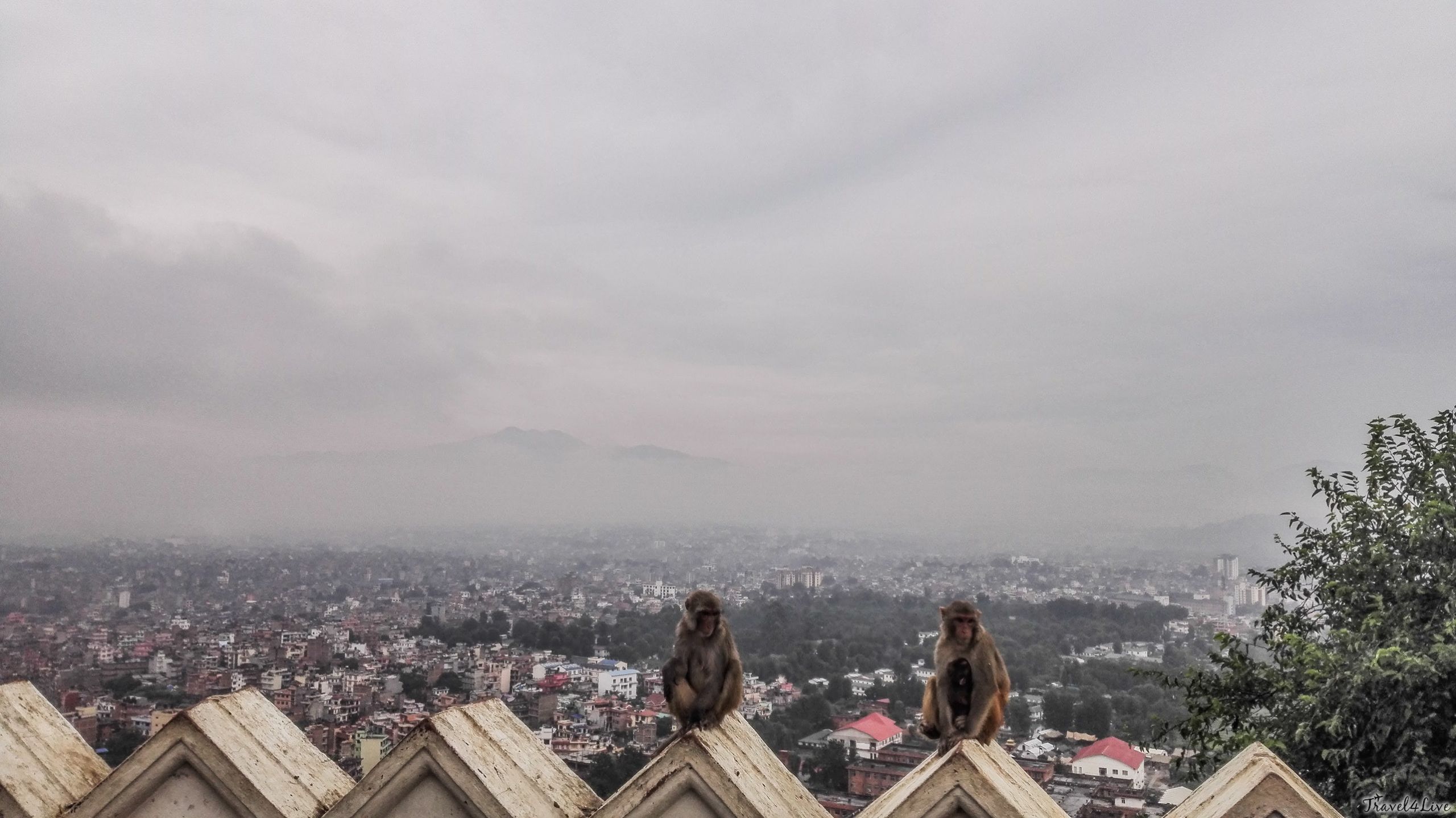
One of the most interesting places in Kathmandu, in our opinion, is the Swayambhunath temple. It is also called the Monkey Temple, because a great many monkeys live here. It sits on the slopes of a hill rising above the city. The temple complex itself is partly destroyed, but its main shrine, a large Buddhist stupa, survived. It stands at the very top of the hill, and to climb up to it you have to go up 365 steps, one for each day of the year.
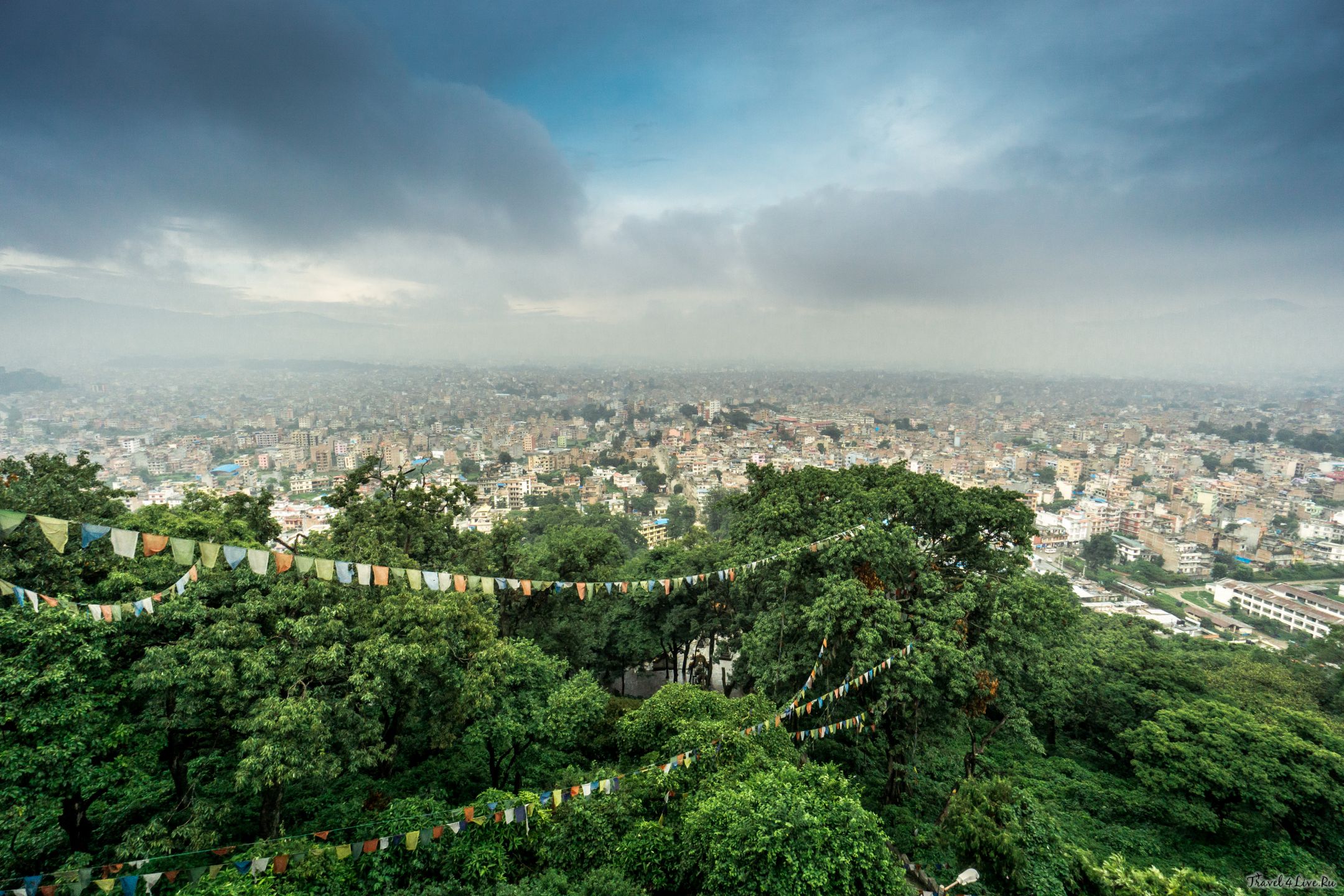
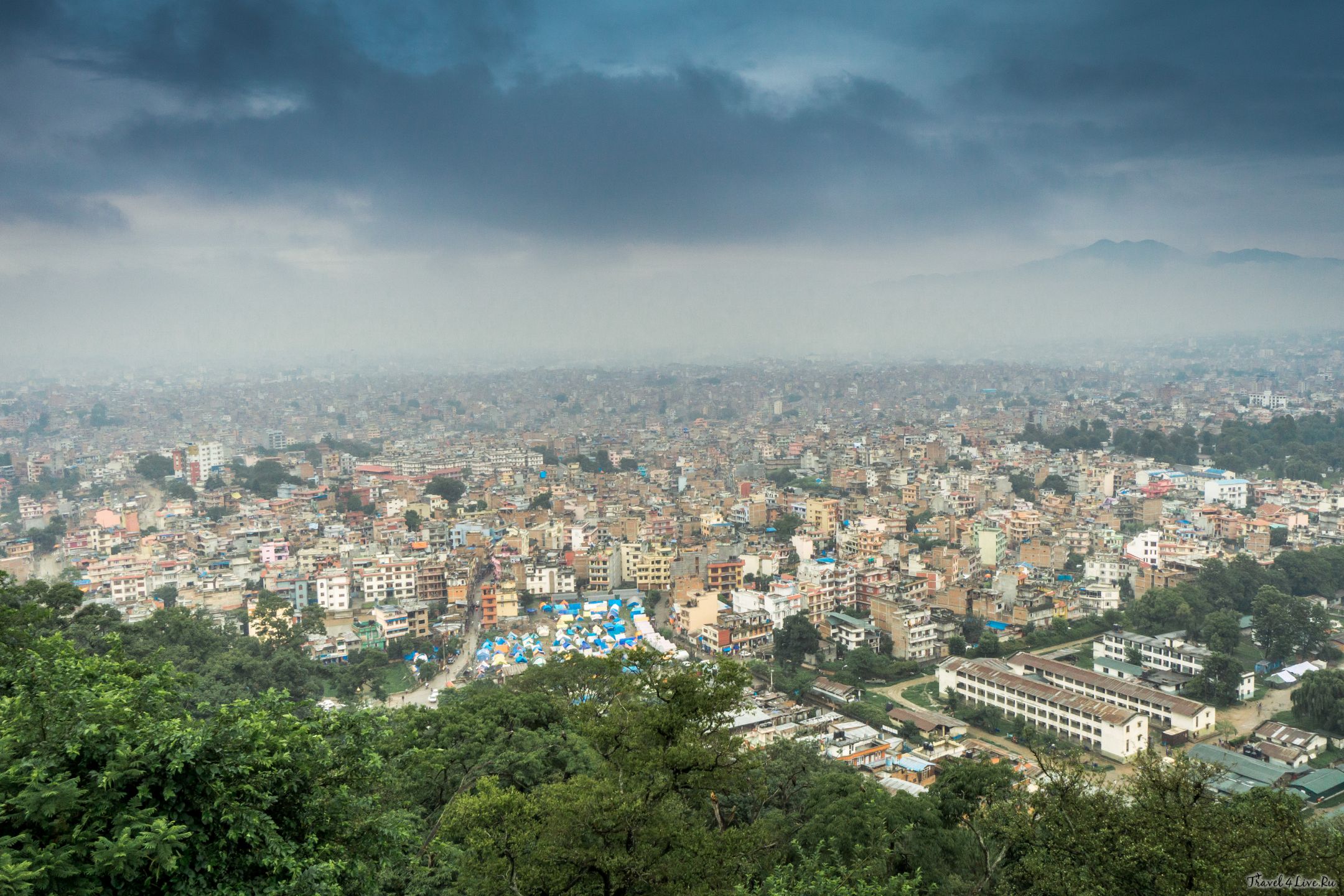
From the top of the hill there is a great view of Kathmandu, the “anthill city.” From here you can see a blue tent camp for Nepalis who lost their homes.
Here they are, the main residents of the temple.
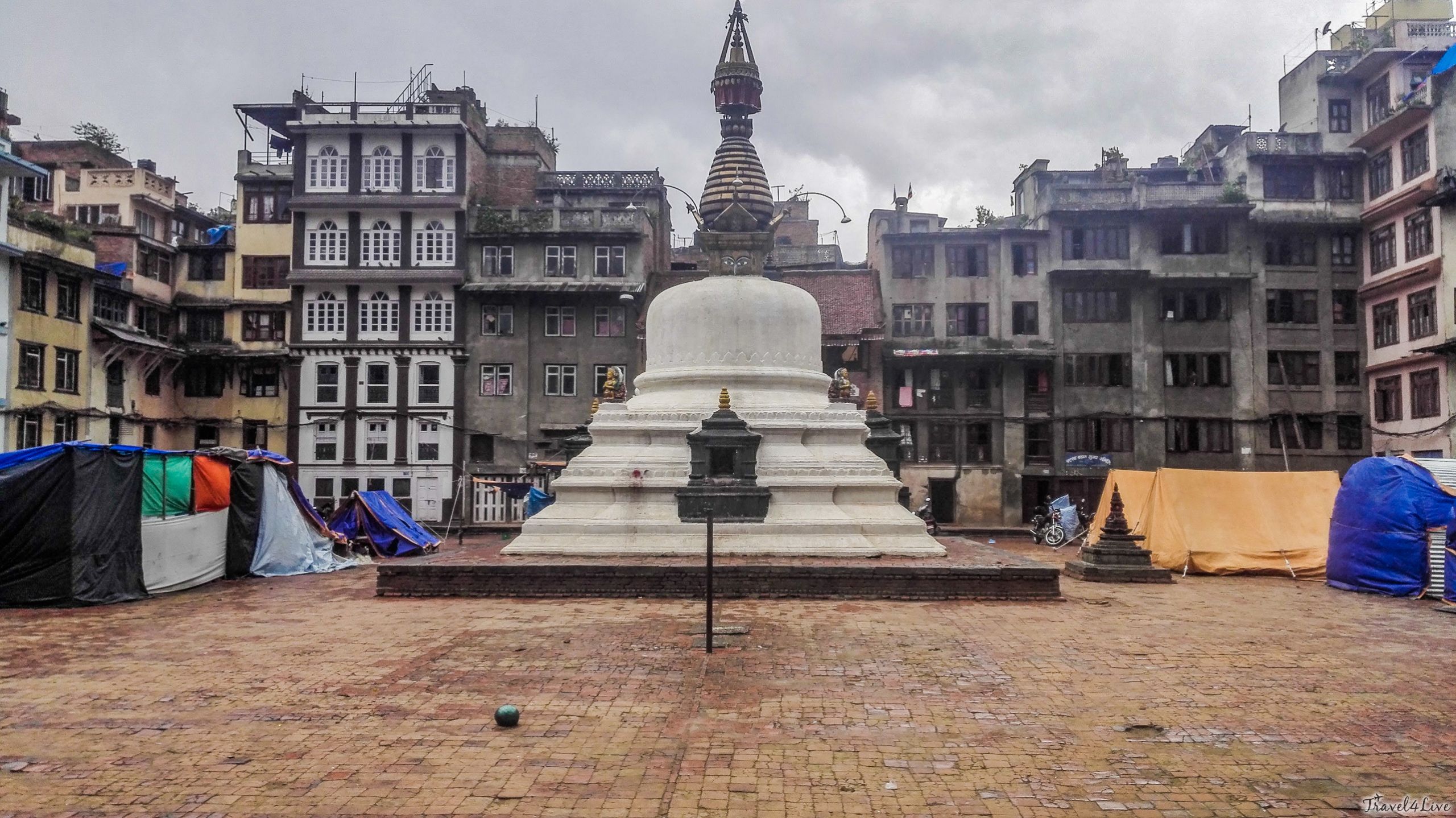
Walking around the city, we kept coming across tent camps. Here, for example, is a camp next to a small stupa.
And on the riverbank.
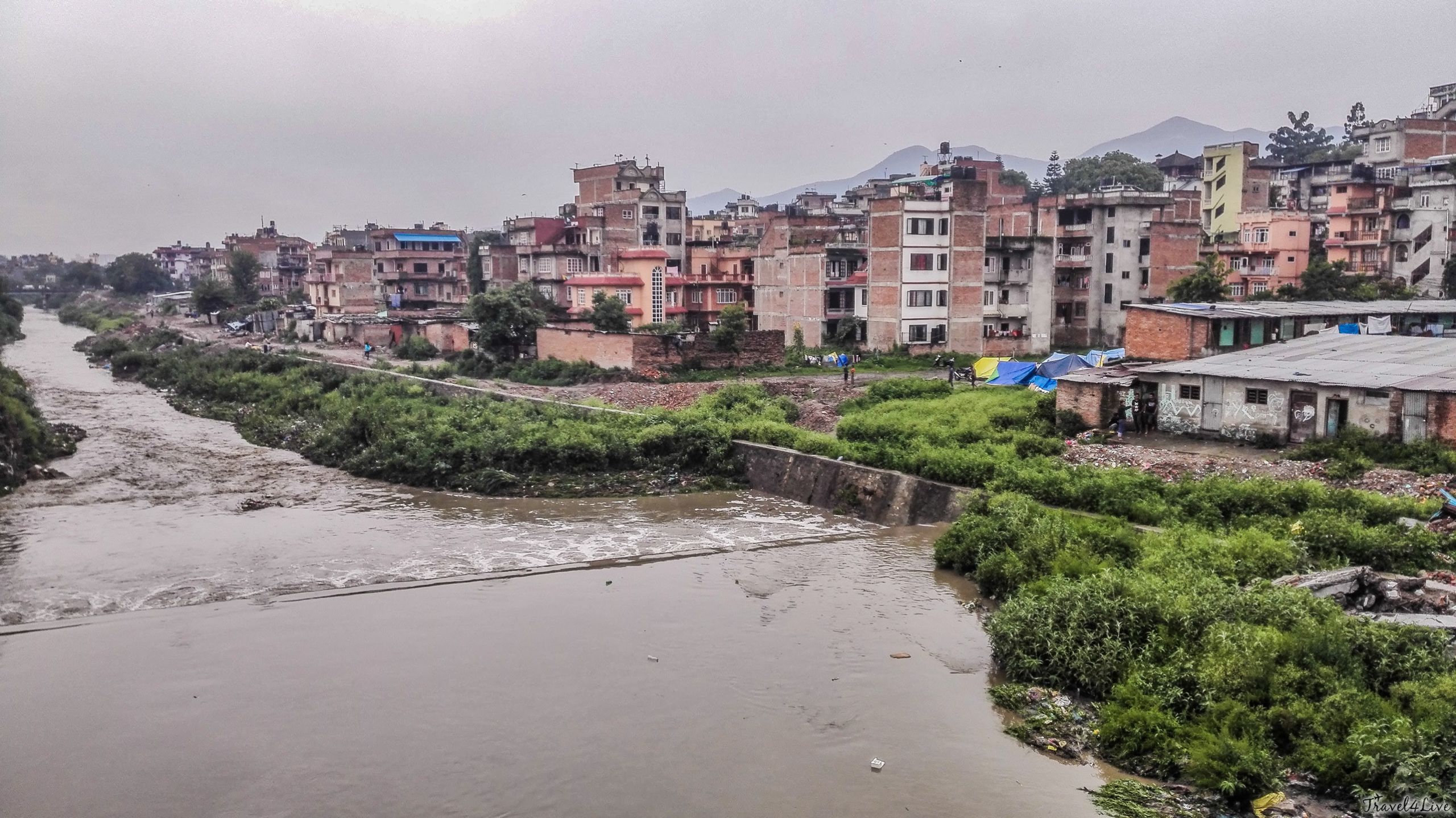
To sum up, I will say that in our first days in Kathmandu we did not notice the aftermath of the earthquake at all. Only later, when we walked around the city and went deeper into its historic center, did we start coming across the destruction. On the whole, everything looks fairly normal. So don't be afraid of devastation, come here boldly and conquer the Himalayan peaks! They, at least, have nothing to fear from any earthquake.
Comments
Thank you! Your comment has been sent and will appear after moderation.